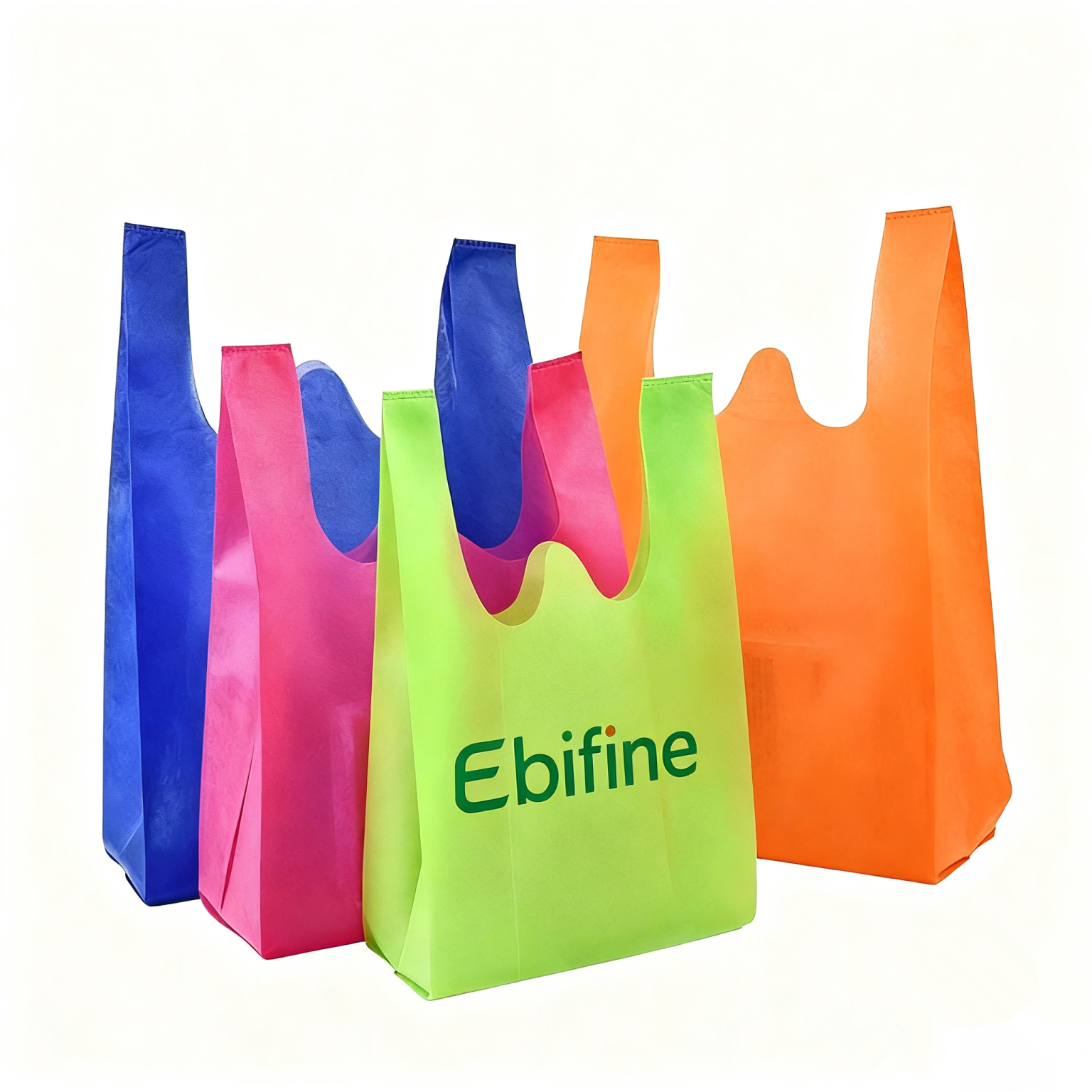
The global retail supply chain is undergoing a violent correction. Supermarkets, boutique grocers, and big-box retailers are abandoning single-use plastics under the crushing weight of municipal bans and shifting consumer ethics. However, the transition to sustainable packaging is fraught with greenwashing and poor manufacturing decisions. If you are a consumer trying to reduce your environmental footprint, or a commercial buyer tasked with procuring compliance-ready packaging, understanding the true Benefits of Using Reusable Grocery Bags is non-negotiable. You cannot simply buy the cheapest tote available and expect long-term performance.
From our experience engineering and manufacturing heavy-duty packaging at Ebifine, we see consumers and brands make identical mistakes. They substitute flimsy single-use plastic with flimsy non-woven polypropylene (NWPP) that rips after three uses, ultimately causing more environmental harm than good. To truly extract the commercial and environmental value from this transition, you must treat your shopping bags as durable consumer goods, not disposable afterthoughts. In this comprehensive, uncompromising guide, we will break down exactly what makes a high-quality carrier, outline the core benefits, and provide strict sourcing guidance so you can determine whether it is actually worth using, buying, or upgrading your current inventory.
Quick Answer: Why Make the Switch?
The core Benefits of Using Reusable Grocery Bags extend far beyond basic environmentalism. For both consumers and businesses, the advantages include:
- Superior Structural Integrity: Capable of holding 30 to 50 pounds without tearing, preventing catastrophic spills in transit.
- Long-Term Cost Efficiency: Eliminates recurring bag taxes and fees at the checkout counter.
- Unmatched Brand Visibility: For commercial users, high-quality bags serve as walking billboards that generate thousands of impressions per year.
- Legislative Compliance: Protects retailers from steep fines in regions strictly prohibiting single-use plastics.
In most professional situations, we strongly recommend transitioning from disposable options to heavy-duty reusable shopping bags manufactured with rPET or thick canvas to ensure maximum lifecycle and return on investment.
Table of Contents
- What is a Reusable Grocery Bag?
- How It Works: The Material Science
- The 9 Benefits of Using Reusable Grocery Bags
- Limitations and Hard Truths
- Quick Summary Table
- Who Should Use It & Who Doesn’t Need It
- Common Mistakes in Sourcing & Usage
- Comparison: Reusable vs. Plastic vs. Paper
- Pros and Cons of Making the Switch
- Expert Buying Considerations
- Expert Recommendation: Ebifine
- Frequently Asked Questions (FAQ)
What is a Reusable Grocery Bag?
A true reusable grocery bag is a heavy-duty carrier engineered to withstand a minimum of 125 uses, carrying a dynamic load of at least 22 pounds over a distance of 175 feet. It is not a slightly thicker plastic bag. It is a structured textile product manufactured from canvas, heavy-gauge cotton, woven polypropylene (WPP), or recycled polyethylene terephthalate (rPET). In the commercial sector, these are not viewed as simple packaging; they are part of a brand’s permanent bags and carriers infrastructure.
How It Works: The Material Science
The mechanics of a superior shopping bag rely on load distribution and seam integrity. Cheap single-use bags rely on thin, extruded high-density polyethylene (HDPE) that stretches and fails under point-load stress (like the sharp corner of a cereal box).
In our testing, high-quality custom reusable bags utilize cross-stitched handles that wrap entirely under the gusset (the bottom panel) of the bag. This transfers the weight of heavy canned goods from the upper rim of the fabric directly to the reinforced base. By upgrading the denier (fabric thickness) and utilizing reinforced binding tape along the edges, these bags resist both tearing and puncturing.
The 9 Benefits of Using Reusable Grocery Bags
When our B2B clients and end-consumers ask us to justify the initial cost of premium carriers, we point directly to these nine undeniable Benefits of Using Reusable Grocery Bags.
1. Eradication of Single-Use Plastic Waste
The sheer volume of plastic suffocating our logistics chains is unsustainable. A single person uses over 300 plastic bags annually. By utilizing a durable reusable bag for one year, a consumer single-handedly keeps hundreds of non-biodegradable plastics out of landfills and marine ecosystems. This is the primary driver behind the global push for sustainable packaging.
2. Uncompromising Weight Capacity
We have all experienced the disaster of a plastic bag splitting open in a parking lot, destroying glass jars and bruised produce. For heavy-duty applications, a structured canvas or WPP bag can easily carry 40 pounds. You can pack three times as many groceries into one reusable bag compared to a plastic bag, drastically reducing the number of trips from your trunk to your kitchen.
3. Substantial Cost Savings for Consumers
Municipalities globally are implementing bag taxes ranging from 5 to 25 cents per bag. For a family doing weekly grocery runs, this hidden tax easily exceeds $50 a year. Investing $15 in a set of premium bags pays for itself in less than four months.
4. Massive Brand Visibility for Retailers
For commercial users, this is the ultimate marketing leverage. When you provide promotional reusable bags to your customers, you are effectively turning them into walking billboards. Unlike a digital ad that disappears in seconds, a beautifully designed, durable bag is carried into gyms, subways, and competitor stores for years, generating massive local brand impressions.
5. Multi-Purpose Versatility
A high-quality grocery bag is rarely just used for groceries. Because of their structural integrity, they double as beach bags, laundry carriers, gym totes, and picnic baskets. Their utility far exceeds their original purpose, making them a highly valued household item.
6. Improved Ergonomics and Comfort
Thin plastic handles act like tourniquets, cutting off circulation to your fingers when carrying heavy loads. One of the greatest tactile Benefits of Using Reusable Grocery Bags is the inclusion of wide, reinforced webbed handles. These distribute the weight evenly across your shoulder or palm, preventing physical pain during transport.
7. Protection Against Cross-Contamination
Premium bags feature hard, flat bottoms and structured sides. This allows you to effectively segregate your groceries. You can dedicate specific bags entirely to raw meats and others to fresh produce, standing them upright in your trunk. When properly managed, this reduces the risk of bacterial cross-contamination that occurs when items are thrown haphazardly into a trunk.
8. Corporate Legislative Compliance
For retailers transitioning away from cellophane bags wholesale suppliers for primary checkout packaging, adopting reusable options is a legal shield. As state and federal governments continue to outlaw thin-film plastics, establishing a reliable reusable shopping bag supplier ensures your retail operations are immune to sudden regulatory fines and forced operational halts.
9. Drastic Reduction in Petroleum Reliance
Single-use plastics are derived directly from fossil fuels. By transitioning to carriers made from natural fibers (like organic cotton) or recycled materials (like rPET made from old water bottles), we actively reduce the global demand for virgin petroleum extraction, shifting the economy toward a circular model.
Limitations and Hard Truths
We must present commercial and practical judgment: reusable bags are not flawless magic bullets. They come with strict operational limitations.
First, the “ecological payback period” is high. Manufacturing a heavy cotton canvas tote requires exponentially more water and energy than extruding a thin plastic bag. To offset its carbon and water footprint, a consumer must use that cotton bag at least 130 times. If you buy a reusable bag, use it twice, and throw it away, you have done exponentially more damage to the environment than if you had just used plastic.
Second, they require maintenance. Reusable bags can harbor E. coli and salmonella if used for raw meats and never washed. You must treat them like clothing; they require routine laundering to remain safe for food transport.
Quick Summary Table: Bag Material Types
| Material Type | Durability | Washability | Best Use Case |
|---|---|---|---|
| Cotton / Canvas | Very High | Machine Washable (May shrink) | Heavy groceries, everyday tote, premium retail |
| Non-Woven PP (NWPP) | Low to Moderate | Spot Clean Only | Lightweight goods, cheap promotional giveaways |
| Woven Polypropylene (WPP) | High | Wipeable / Water-resistant | Heavy duty bulk shopping, IKEA-style bags |
| rPET (Recycled Plastic) | High | Machine Washable (Cold) | Eco-conscious branding, versatile shopping |
Who Should Use It & Who Doesn’t Need It
Who Should Use It: Every single household conducting routine grocery shopping must make this switch. For B2B clients, any supermarket, boutique, or trade show exhibitor needs to procure custom bags with logo printing to replace their legacy plastic inventory and elevate their brand perception.
Who Does Not Need It: If you are a consumer who exclusively relies on delivery apps for every meal and never physically enters a retail environment, purchasing a massive set of grocery totes is a waste of capital and closet space. For businesses selling high-end, fragile electronics that require specialized hard-case protection, soft reusable bags do not offer adequate impact resistance.
Common Mistakes in Sourcing & Usage
For consumers, the most common mistake is leaving the bags in the kitchen instead of the car trunk. The Benefits of Using Reusable Grocery Bags are entirely negated if you consistently forget them at home and are forced to buy new ones at the register every single trip.
Comparison: Reusable vs. Single-Use Plastic vs. Paper
| Feature | Premium Reusable Bag | Single-Use Plastic | Paper Bag |
|---|---|---|---|
| Weight Capacity | 30 – 50 lbs | 10 – 15 lbs | 15 – 20 lbs (Dry only) |
| Environmental Impact (End of Life) | Low (If used 100+ times) | Catastrophic (Microplastics) | Moderate (Biodegradable but resource-heavy) |
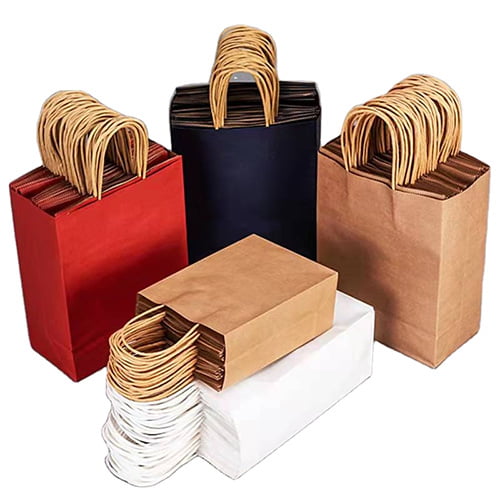
| Weather Resistance | High (WPP/rPET are waterproof) | High | Zero (Disintegrates in rain) |
| Cost per Use | Fractions of a cent (over years) | $0.05 – $0.25 (Tax per trip) | $0.10 – $0.25 (Tax per trip) |
Pros and Cons of Making the Switch
| Pros (Advantages) | Cons (Limitations) |
|---|---|
| Drastically reduces household plastic waste and landfill contribution. | Requires behavioral change to remember to bring them to the store. |
| Prevents heavy, sharp grocery items from tearing through the bottom. | High initial ecological footprint requires strict long-term commitment. |
| Eliminates recurring bag fees applied by retailers and local governments. | Must be regularly washed to prevent dangerous bacterial buildup. |
| Offers premium branding real estate for commercial retail operations. | Takes up physical storage space in homes and vehicles. |
Expert Buying Considerations
When sourcing reusable bags for retail, you must evaluate the manufacturer’s capabilities, not just the price per unit. Do they hold FSC (Forest Stewardship Council) certifications for their paper counterparts? Can they provide food-safe inks? Look for cross-stitched handles and a minimum of 100 GSM (Grams per Square Meter) thickness if you are buying non-woven bags. If you are buying canvas, demand 10oz to 12oz weights. Anything less will collapse structurally and fail to hold open at the checkout register, infuriating both cashiers and customers.
Expert Recommendation: Ebifine
In most professional situations, bypassing middlemen trading companies and going direct to the manufacturer is the only way to secure high-quality packaging without destroying your gross margins. If you are serious about capitalizing on the commercial Benefits of Using Reusable Grocery Bags, you must partner with an elite facility.
Custom Packaging Manufacturer for Global Brands
OEM / ODM | Premium Quality | Fast Sampling | Factory Direct
Start your custom packaging project today. Get factory-direct packaging solutions with reliable quality and fast turnaround.
- ✓ FDA / FSC Certified
- ✓ 10+ Years Export Experience
- ✓ 50+ Countries Served
By leveraging Ebifine’s decade of export experience, you guarantee that your brand’s physical extension into the world—your custom shopping bag—is engineered for maximum durability, visual impact, and environmental compliance.
Frequently Asked Questions (FAQ)
What are the primary Benefits of Using Reusable Grocery Bags for businesses?
For businesses, the primary benefits are massive brand visibility through mobile advertising, compliance with strict municipal plastic bans, and a significant boost to corporate social responsibility (CSR) profiles. High-quality bags also improve the checkout speed as they stand upright easily.
How many times do I need to use a reusable bag to make it eco-friendly?
It depends heavily on the material. A thick cotton canvas bag must be used over 130 times to offset its high water and energy manufacturing footprint compared to a single-use plastic bag. A non-woven polypropylene (NWPP) bag only needs to be used around 10 to 15 times to break even environmentally.
Can I wash reusable grocery bags in the washing machine?
Canvas, cotton, and rPET bags can generally be machine-washed on a cold cycle and should be air-dried to prevent shrinkage. Cheap non-woven polypropylene bags will often disintegrate or melt in washing machines and dryers; they should be hand-washed or wiped down with an antibacterial spray.
Authoritative Industry References
To ensure our environmental and manufacturing guidance remains accurate and compliant with global standards, we reference data from the following authoritative organizations:
- Environmental Protection Agency (EPA): Federal data on plastics material generation, recycling rates, and municipal solid waste management. View EPA Plastics Data
- United Nations Environment Programme (UNEP): Global initiatives, policy guidance, and environmental impact studies concerning the eradication of single-use plastic pollution. View UNEP Plastic Initiatives
- U.S. Food and Drug Administration (FDA): Safety guidelines regarding food transport, cross-contamination prevention, and the proper sanitation of reusable grocery carriers. View FDA Food Safety Guidelines