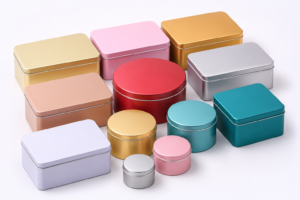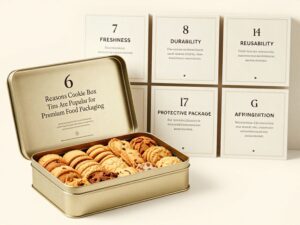
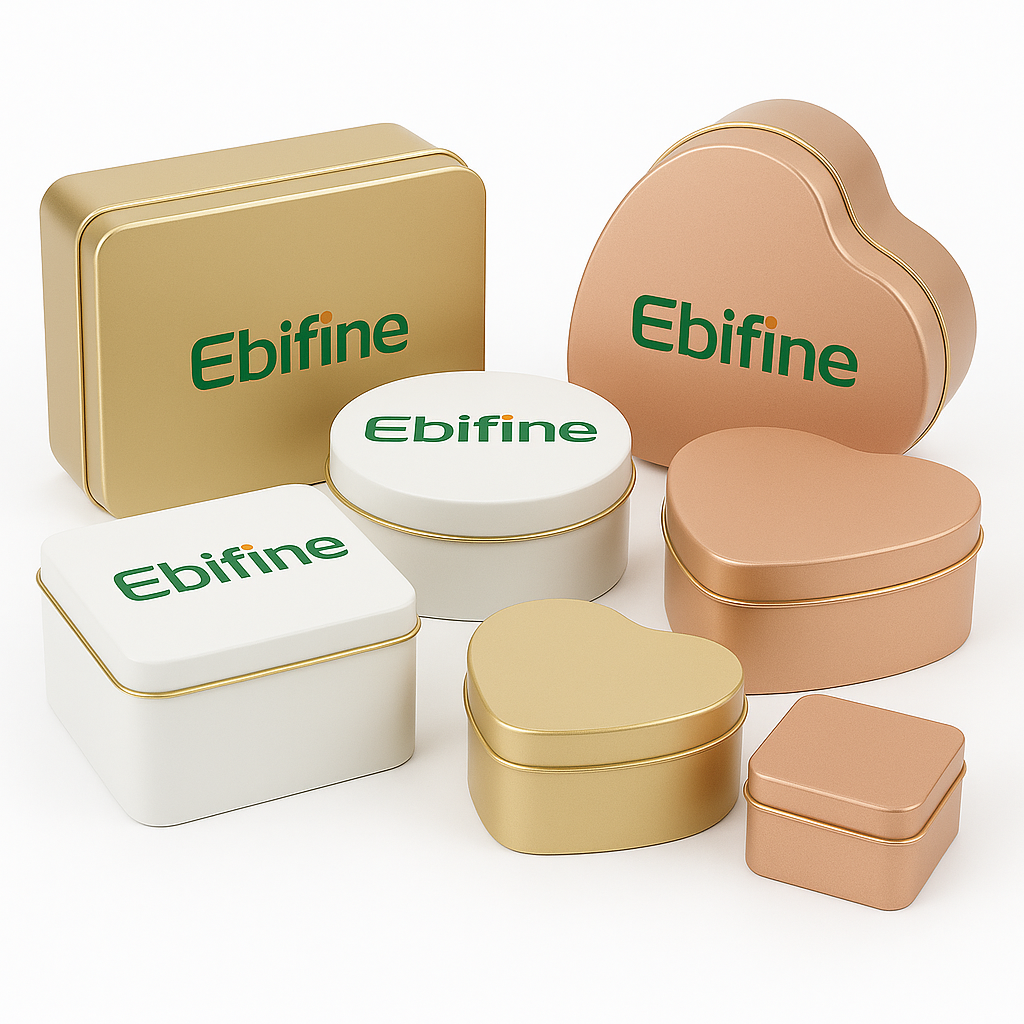
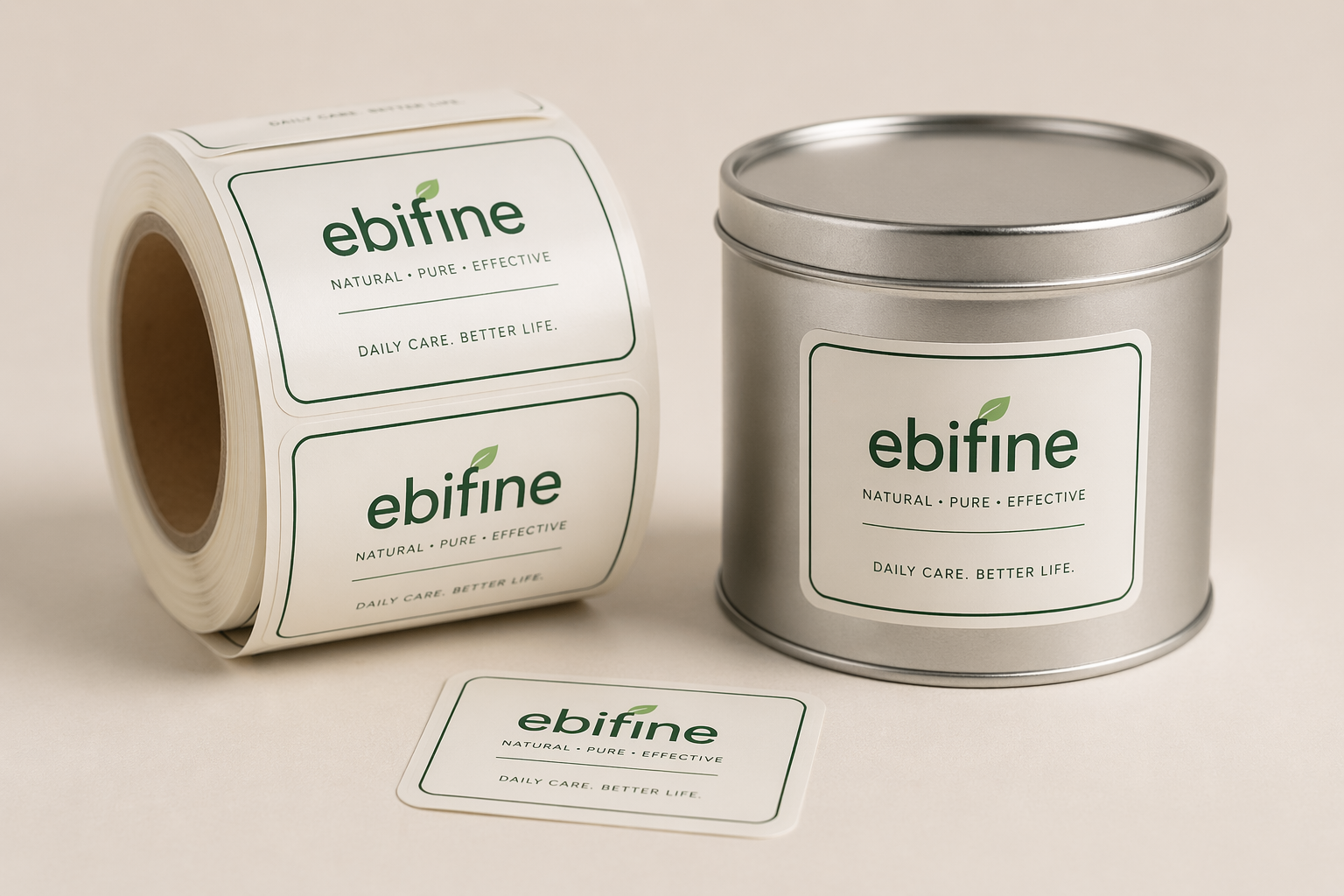
Custom tin boxes offer more than just metal packaging. With the right printing method and surface finish, a standard tin structure can become distinctive branded packaging for food, cosmetics, gifts, promotional products, stationery, and retail applications.
However, choosing a printing or finishing method involves more than appearance. Different processes have different minimum order quantities (MOQs), sampling requirements, production times, and customization possibilities.
For example, silk screen printing and laser engraving can start from just 1 piece, while full-surface color printing typically requires a minimum order of 500 pieces, and embossing or debossing may require 2,000 pieces or more.
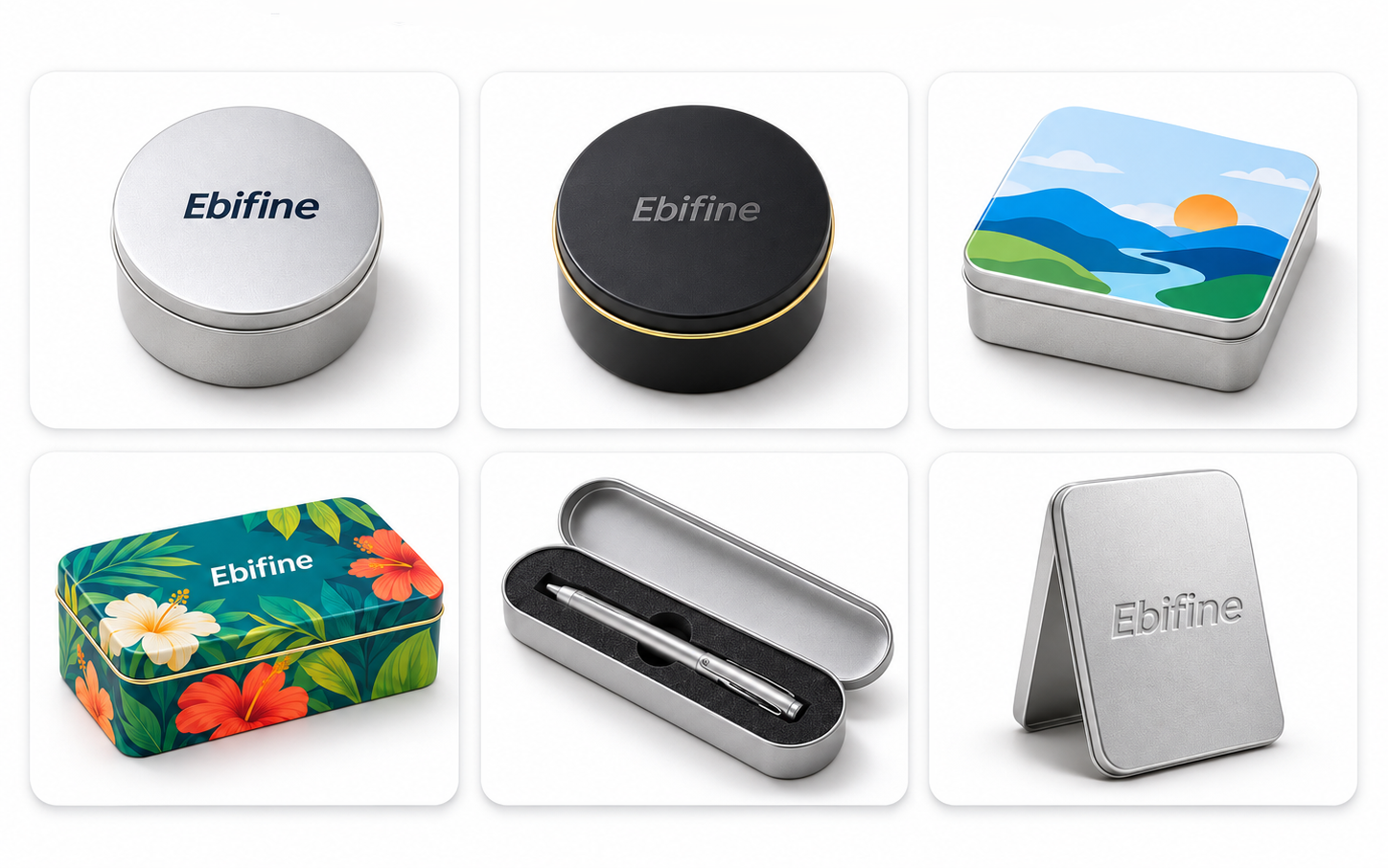 Understanding these differences before requesting a quotation can help buyers select a suitable customization method, control costs, and avoid unnecessary production delays.
Quick Answer: Which Tin Box Printing Method Should You Choose?
The best method depends on your artwork, order quantity, desired appearance, and production schedule.
Here is a quick comparison of the main customization options:
| Customization Method | Starting MOQ | Sample Time | Bulk Production Time |
|---|---|---|---|
| Silk Screen Printing | 1 pc | 2–3 days | 3–5 days |
| Laser Engraving | 1 pc | 1 day | 1–3 days |
| Flat Color Printing | 1 pc | 5–7 days | 5–7 days |
| Full-Surface Color Printing | 500 pcs | 7–15 days | 7–15 days |
| Custom Inserts | 1 pc | 2–3 days | 3–5 days |
| Embossing / Debossing | 2,000 pcs | 7–15 days | 7–15 days |
Note: These are reference starting quantities and estimated production times for the customization methods discussed in this guide. Actual requirements may vary depending on tin structure, dimensions, artwork, materials, production arrangements, and order specifications. Confirm the final schedule before placing an order.
For small quantities, silk screen printing, laser engraving, and selected flat-color printing options are worth considering first. For larger promotional or retail packaging projects, full-surface printing and embossing can offer more extensive branding possibilities.
Why Tin Box Printing and Finishing Matter
A tin box may have a relatively simple structure, but its appearance can be customized in many ways.
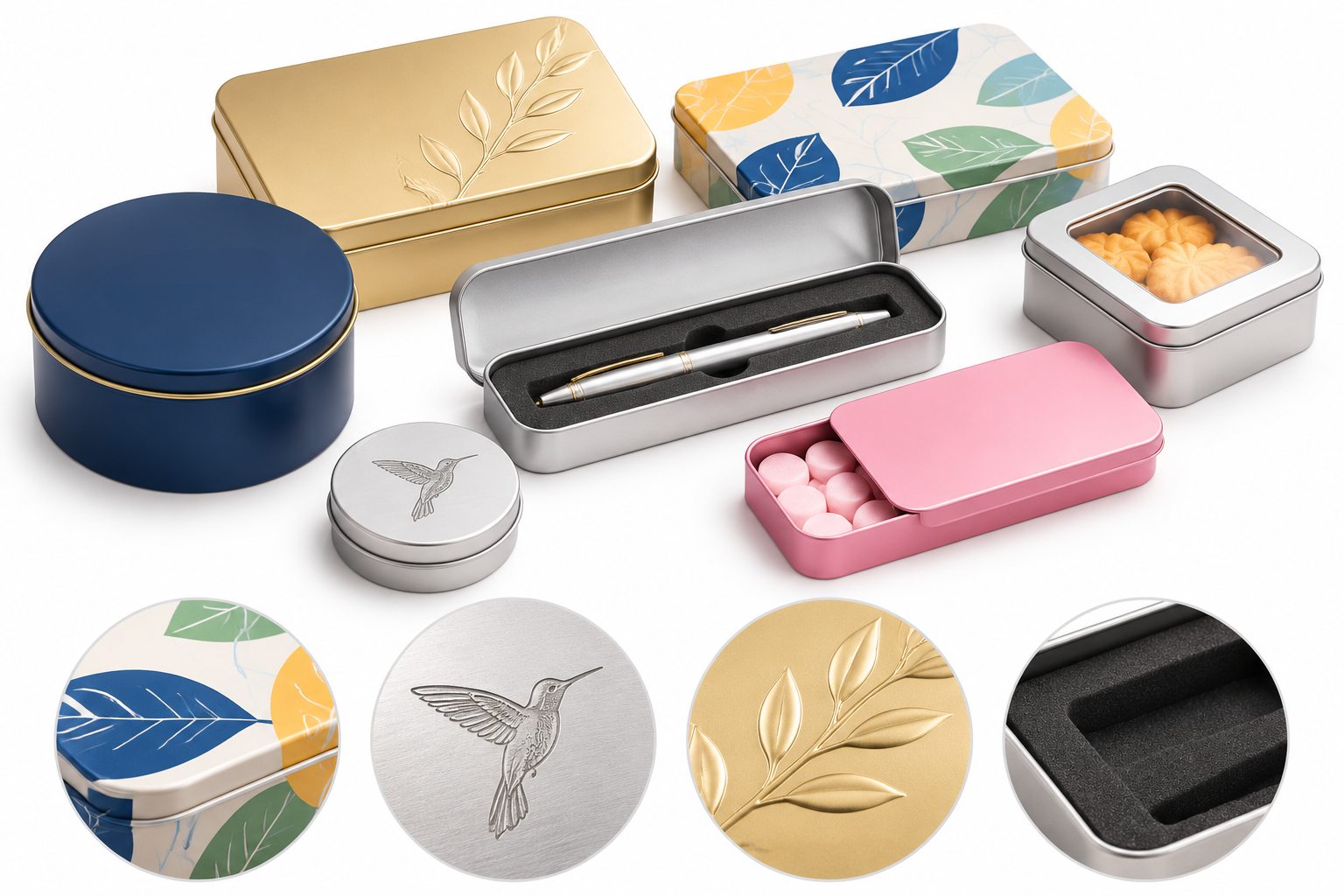
A logo printed on the lid, a laser-engraved brand name, a full-color design covering the entire surface, or a raised embossed logo can create very different visual effects.
For B2B buyers, the choice of customization method should consider three main factors:
- Brand presentation: Does the printing or finishing method match the brand's positioning?
- Order quantity: Is the selected process commercially suitable for the expected quantity?
- Production schedule: Can the sampling and production lead times meet the launch or delivery deadline?
From our experience in packaging projects, buyers sometimes focus too much on the appearance of a sample without considering how the same design will be produced in bulk.
A customization method that works beautifully for one sample may not be the most economical option for a larger production run.
That is why we recommend evaluating the artwork, quantity, and production requirements together before confirming the final process.
Silk Screen Printing
Silk screen printing is a popular option for adding logos, text, and simple graphics to tin boxes.
The process uses a mesh screen and a stencil to transfer ink onto the selected surface. Each color in a design may require a separate screen.
This method is particularly suitable for relatively simple artwork with clearly defined colors.
Main Advantages
- Starting MOQ: 1 piece
- Sample time: 2–3 days
- Bulk production time: 3–5 days
- Suitable for logos, text, and simple graphics
- A practical option for small customization projects
When Should You Choose Silk Screen Printing?
Silk screen printing is a good choice when the design does not require complicated photographic images or full-surface artwork.
For example, a buyer ordering plain silver tin boxes may only need a company logo printed on the lid.
Rather than paying for a complicated full-color printing process, silk screen printing may achieve the desired branding effect with less production complexity.
Our recommendation: If your design mainly consists of a logo, text, or one or a few solid colors, ask about silk screen printing first.
Laser Engraving
Laser engraving uses a focused laser to mark the surface of a material.
Unlike conventional ink printing, this method creates a mark through a laser-based surface treatment. The final appearance depends on the tin's surface coating, finish, and material characteristics.
It is particularly suitable for minimalist branding, logos, lettering, and selected decorative details.
Main Advantages
- Starting MOQ: 1 piece
- Sample time: 1 day
- Bulk production time: 1–3 days
- Suitable for simple logos and text
- No conventional printing artwork setup is required for the laser-marking process
When Should You Choose Laser Engraving?
Laser engraving works especially well for brands that prefer a clean, understated appearance.
For example:
- A minimalist logo on a silver tin box
- A brand name on a matte black tin
- A simple decorative pattern on a promotional tin
- Personalized branding for selected gift packaging projects
One important detail is that laser marking does not look identical on every surface. Different coatings and finishes can produce different results.
We recommend checking a physical sample before approving mass production, particularly when the final appearance of the logo is important.
Flat Color Printing
Flat color printing is another option for customizing tin boxes.
It is suitable for designs using defined colors and relatively straightforward graphic elements, where the buyer wants more than a simple logo but does not necessarily need full-surface color coverage.
Main Advantages
- Starting MOQ: 1 piece
- Sample time: 5–7 days
- Bulk production time: 5–7 days
- Suitable for selected color designs and graphic elements
- Provides more design flexibility than a simple logo treatment
When Should You Choose Flat Color Printing?
This method is worth considering when the artwork requires specific color areas or a more developed graphic layout.
For example, a brand may want its logo, product name, and several colored graphic elements printed on a tin box while leaving other areas in their original metal appearance.
Compared with laser engraving, flat color printing is more appropriate when the design relies on color rather than the contrast created by laser marking.
The actual printing arrangement should be confirmed according to the artwork and tin structure.
Full-Surface Color Printing
Full-surface color printing is designed for tin boxes that require extensive artwork coverage.
It allows brands to create more visually detailed packaging, including background colors, product images, illustrations, patterns, and multiple graphic elements.
Main Advantages
- Starting MOQ: 500 pieces
- Sample time: 7–15 days
- Bulk production time: 7–15 days
- Suitable for detailed and colorful artwork
- Supports consistent brand designs across the tin surface
When Should You Choose Full-Surface Color Printing?
This method is particularly suitable for:
- Retail food packaging
- Promotional tin boxes
- Seasonal gift collections
- Branded cosmetic packaging
- Custom printed mint tins
- Product packaging with detailed illustrations
For example, a food brand launching a new biscuit collection may want the entire lid and body to feature matching artwork, product images, and brand colors.
Full-surface printing provides more design freedom than applying a small logo to an existing plain tin.
However, it normally requires a larger production quantity.
Our recommendation: If your project involves 500 pieces or more and the artwork needs extensive color coverage, full-surface printing is worth evaluating.
Custom Inserts
Printing is not the only way to customize a tin box.
The internal packaging can also be designed around the product.
Custom inserts help hold products in position, improve presentation, and reduce movement during transportation.
Common insert options include:
- EVA foam inserts
- Felt inserts
- Plastic trays
- Paperboard inserts
- Sponge inserts
- Customized compartments
Main Advantages
- Starting MOQ: 1 piece
- Sample time: 2–3 days
- Bulk production time: 3–5 days
- Can be customized around the product's dimensions
- Helps organize multiple items inside one tin
- Improves the overall presentation of gift packaging
When Should You Choose Custom Inserts?
Custom inserts are particularly useful for tin boxes containing products that should not move freely.
Examples include:
- Jewelry and accessories
- Promotional gifts
- Pens and stationery
- Cosmetic accessories
- Small electronic components
- Multi-item gift sets
From our experience, internal packaging should be considered during the initial tin box design stage rather than added at the last minute.
The insert dimensions need to match the usable internal dimensions of the tin, not simply its external measurements.
This is especially important for hinged tins, shallow tins, and packaging with multiple compartments.
Embossing and Debossing
Embossing and debossing create raised or recessed details on a tin box surface.
Rather than relying only on printed colors, these techniques add physical depth to selected design elements.
- Embossing: Raises the selected logo or graphic area.
- Debossing: Creates an indented or recessed effect.
Both methods can add a distinctive tactile element to premium packaging.
Main Advantages
- Starting MOQ: 2,000 pieces
- Sample time: 7–15 days
- Bulk production time: 7–15 days
- Adds three-dimensional visual and tactile details
- Suitable for premium logos and selected graphic elements
- Can be combined with printing and other surface finishes
When Should You Choose Embossing or Debossing?
Embossing and debossing are often used when brands want their logos or selected design details to stand out physically.
For example:
- A raised logo on a premium gift tin
- A recessed brand name on a cosmetic tin
- A three-dimensional decorative pattern on a promotional tin
- A combination of printed artwork and embossed details
However, embossing and debossing require additional tooling and production setup.
The embossing die, pressure settings, positioning, and consistency of the finished details all need to be considered.
This is why the starting MOQ can be considerably higher than that of silk screen printing or laser engraving.
Our recommendation: Use embossing selectively. A well-positioned embossed logo can create a stronger premium impression than adding multiple decorative effects across the entire tin.
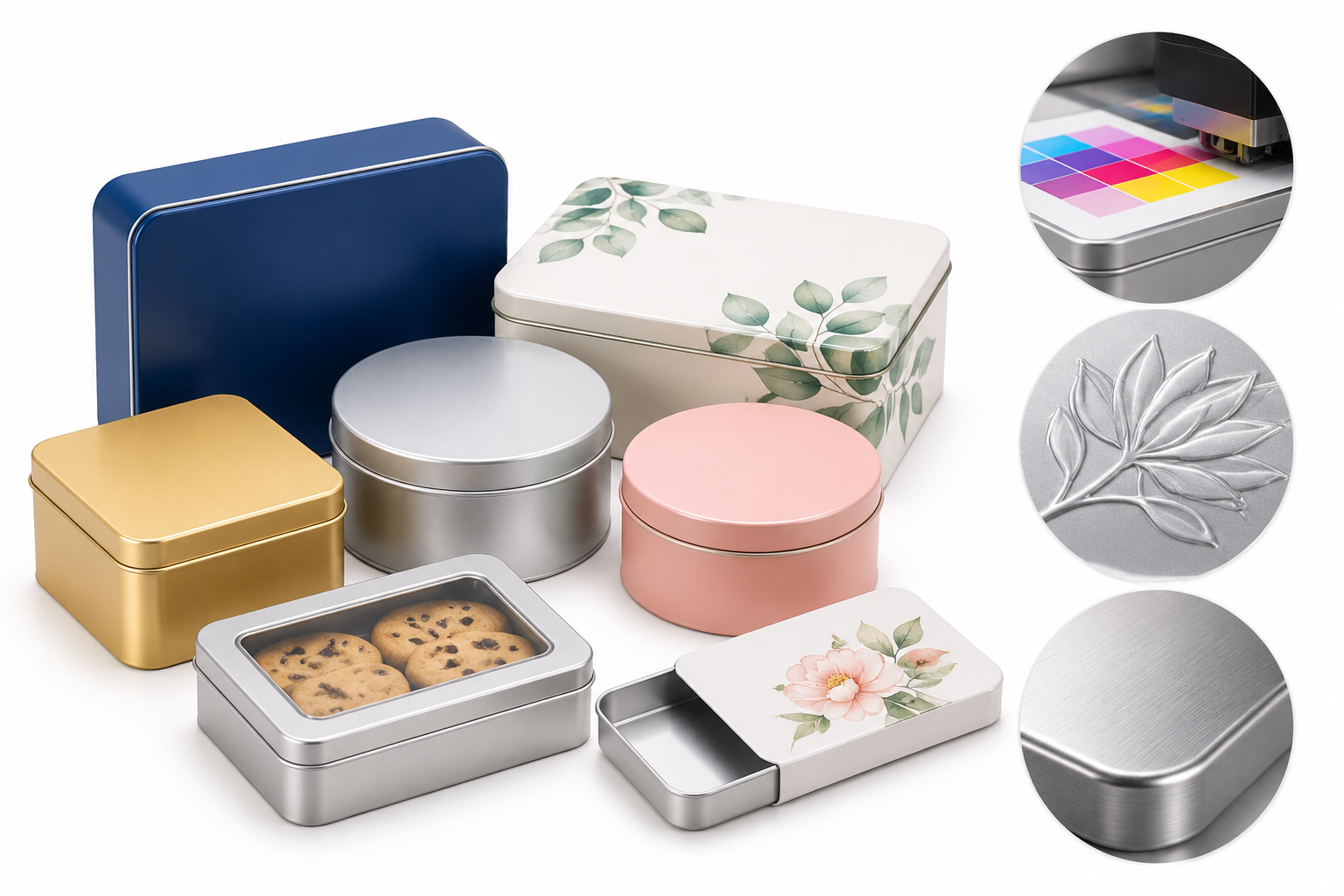
Why Do Different Methods Have Different MOQs?
This is one of the most important questions buyers should understand before requesting a quotation.
Why can silk screen printing start from 1 piece, while full-surface color printing requires 500 pieces and embossing may require 2,000 pieces?
The difference is mainly related to production setup, tooling requirements, material utilization, and process efficiency.
Silk Screen Printing: Lower Starting Quantity
Silk screen printing is suitable for relatively simple designs and selected printing areas.
It does not necessarily require the same large-scale printing preparation as full-surface artwork.
This makes it possible to offer lower starting quantities for suitable projects.
Laser Engraving: Lower Starting Quantity
Laser engraving uses digital design instructions to control the laser marking process.
It generally does not require a conventional embossing die or full-surface printing setup.
This makes it suitable for small customization quantities, especially when the design consists of a simple logo or text.
Flat Color Printing: Flexible Customization
Selected flat-color printing projects can be handled in relatively small quantities, depending on the printing arrangement and artwork.
The sample and production schedule may still be longer than laser engraving because the printing process requires additional preparation and execution.
Full-Surface Color Printing: Higher Production MOQ
Full-surface color printing usually involves more extensive artwork preparation and coordinated printing and finishing operations.
The production setup, material usage, color registration, and process efficiency need to be considered together.
When only a small quantity is ordered, the setup and production costs are spread across fewer pieces.
A larger production quantity helps make the process more commercially practical.
This is why the starting MOQ in our reference is 500 pieces.
Embossing and Debossing: Additional Tooling Requirements
Embossing and debossing require dedicated tooling to create the raised or recessed details.
The process also involves additional setup and alignment requirements to maintain consistency across production.
Unlike a simple printed logo, the design needs to be physically formed into the metal surface.
The tooling and production preparation make this process less suitable for very small orders.
This explains why the reference MOQ for embossing and debossing is significantly higher, at 2,000 pieces.
MOQ Comparison at a Glance
| Process | Main Production Consideration | Starting MOQ |
|---|---|---|
| Silk Screen Printing | Simple artwork and screen preparation | 1 pc |
| Laser Engraving | Digital laser marking | 1 pc |
| Flat Color Printing | Artwork and printing setup | 1 pc |
| Full-Surface Color Printing | Extensive printing coverage and production setup | 500 pcs |
| Custom Inserts | Insert material and cutting or forming | 1 pc |
| Embossing / Debossing | Dedicated tooling and additional forming process | 2,000 pcs |
These are project-specific reference MOQs, not universal industry standards. Actual minimum quantities depend on the selected tin structure, artwork, production arrangement, and tooling requirements.
How to Choose the Right Customization Method
The right method depends on what you want the packaging to achieve.
Here are some practical examples.
| Project Requirement | Recommended Method |
|---|---|
| Simple company logo | Silk screen printing |
| Minimalist branding on a metal surface | Laser engraving |
| Selected color graphics | Flat color printing |
| Detailed artwork covering most of the tin | Full-surface color printing |
| Protection and organization of internal products | Custom inserts |
| Raised or recessed premium logo | Embossing / Debossing |
Consider Your Order Quantity First
If you only need 50–100 pieces, it may not make commercial sense to select a process with a 500-piece or 2,000-piece starting MOQ.
In this situation, consider whether silk screen printing, laser engraving, or another suitable low-quantity customization method can achieve a similar branding effect.
For larger orders, full-surface printing and embossing may become more practical.
Consider Your Artwork
A simple logo does not always need full-color printing.
Likewise, a detailed photographic design may not be suitable for silk screen printing.
We recommend matching the production method to the actual artwork rather than selecting a process simply because it sounds more premium.
Consider the Overall Packaging Design
Printing, surface finishing, and internal inserts should be considered together.
For example, a gift tin with a simple exterior design and a custom EVA insert may create a more professional presentation than a heavily decorated tin with poorly organized internal packaging.
The best combination depends on the product and its target customers.
How to Reduce Sampling and Production Time
Sampling and bulk production times are not determined by the printing method alone.
Artwork preparation, tin size confirmation, surface treatment, insert development, and sample approval can all affect the schedule.
From our experience, the following steps can help reduce unnecessary delays.
1. Prepare Your Artwork in Advance
Provide the logo, artwork, preferred colors, and printing position before sampling begins.
Vector artwork is particularly useful for logos and line-based designs.
2. Confirm the Tin Structure and Dimensions
Before confirming the printing method, make sure the tin size and structure are suitable for the product.
Changing the dimensions after artwork preparation may require additional adjustments.
3. Choose the Printing Method According to the Artwork
Do not request full-surface printing if a simple logo can achieve the desired effect.
Likewise, do not force a complicated design into a printing process that cannot reproduce the required details.
4. Confirm Whether an Existing Mold Is Available
Using an existing tin structure can reduce development complexity.
If a completely new mold is required, tooling development will need to be added to the project schedule.
5. Approve the Sample Before Bulk Production
A physical sample helps confirm:
- Logo size and position
- Printing color and consistency
- Surface finish
- Lid fit
- Insert dimensions
- Overall appearance
Avoid approving bulk production based only on an unverified digital preview when the finished surface appearance is important.
Custom Tin Box Printing and Packaging Solutions from Ebifine
At Guangzhou Ebifine Import And Export Co., Ltd., we work with global buyers on customized packaging projects across food, cosmetics, gifts, promotional products, and retail applications.
Since 2016, Ebifine has focused on OEM/ODM packaging solutions, helping customers coordinate product specifications, printing requirements, finishing options, and packaging details.
For custom tin box projects, we recommend evaluating the complete packaging requirement rather than choosing a printing method in isolation.
Depending on the project, customization may include:
- Silk screen printing
- Laser engraving
- Flat color printing
- Full-surface color printing
- Embossing and debossing
- EVA, felt, or plastic inserts
- Custom packaging sleeves and labels
We also recommend confirming the intended quantity and expected repeat orders before deciding on more complex finishing processes.
For example, a small promotional order may work well with a simple printed or laser-marked logo, while a large retail packaging program may benefit from full-surface printing and embossed branding.
Our goal is to help buyers find a practical balance between packaging appearance, production feasibility, order quantity, and total purchasing cost.
Explore more of our packaging solutions:
If you already have a design or product specification, you can share your preferred tin size, artwork, estimated order quantity, and customization requirements with our team for evaluation.
Frequently Asked Questions
1. What is the minimum order quantity for custom tin box printing?
It depends on the selected customization method.
Silk screen printing, laser engraving, flat color printing, and custom inserts can start from 1 piece for suitable projects. Full-surface color printing typically starts from 500 pieces, while embossing and debossing may require 2,000 pieces.
2. Which tin box printing method is best for a small order?
Silk screen printing and laser engraving are worth considering first because both can start from 1 piece.
The final choice depends on the logo design, desired appearance, and tin surface.
3. Why does full-surface printing require a higher MOQ?
Full-surface printing involves more extensive artwork coverage and production preparation. Setup costs, material utilization, and production efficiency make larger quantities more practical.
4. Why is embossing more expensive or difficult for small orders?
Embossing requires dedicated tooling and additional forming operations. The tooling and setup costs need to be considered even when the order quantity is relatively small.
5. How long does it take to make a custom tin box sample?
It depends on the customization method.
Based on the reference production schedule in this guide, laser engraving takes approximately 1 day, while full-surface printing and embossing may require 7–15 days.
These estimates do not necessarily include new mold development or international shipping.
6. Can I combine printing and embossing on one tin box?
Yes. Printing and embossing can be combined to create more detailed branding effects.
For example, a tin box may have full-color artwork with an embossed logo on the lid. The feasibility, tooling requirements, MOQ, and production schedule should be confirmed for the specific design.
7. Can I customize the inside of a tin box?
Yes. Custom inserts made from EVA, felt, plastic, paperboard, or other suitable materials can be designed to hold the packaged product.
The insert should be developed according to the usable internal dimensions of the tin.
8. Are these production times guaranteed?
No. They are estimated reference times for the listed processes.
Actual schedules depend on artwork approval, material availability, tin structure, production capacity, tooling requirements, and order specifications. Always confirm the final sampling and bulk production schedule before placing an order.
References
- PPAI – A Beginner's Guide to Four Common Decoration Methods – Background on common product decoration methods, including screen printing and laser engraving.
- CEPE – Food Contact Materials and Coatings – Technical information about coatings and printing inks used in food packaging applications.
- European Commission – Food Contact Materials – Regulatory information for materials and articles intended to come into contact with food.
- Tinplate Group – Guide to Tinplate – Technical background on tinplate printing, coatings, and forming.
Final Takeaway: The best tin box customization method is not necessarily the most complicated or expensive one. Silk screen printing and laser engraving are practical for small quantities, full-surface color printing suits larger artwork-driven projects, custom inserts improve internal presentation, and embossing adds a premium three-dimensional effect. Understanding MOQ, sampling time, and bulk production time before ordering helps buyers make better packaging decisions.