Premium cookies are often bought for more than their taste. Customers also buy the presentation, the gifting experience and the impression a brand creates before the box is even opened. That is why cookie box tins remain popular for premium food packaging: they combine product protection, attractive presentation, durability and a second life after the cookies are gone.
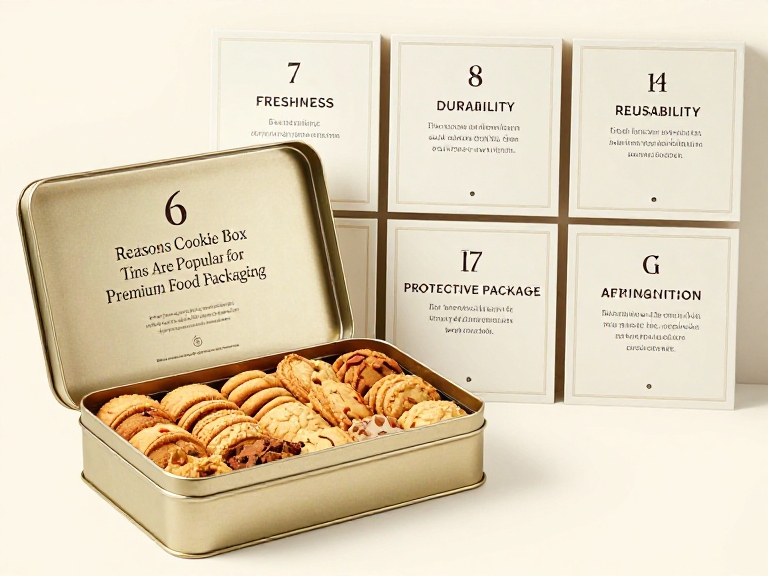
From our experience in packaging sourcing, the strongest reason to choose a cookie tin is not simply that metal looks more expensive than paperboard. It is that the packaging can contribute to the product experience at several stages: on the retail shelf, during transport, when the customer opens it and when the container is reused. For brands competing in premium food categories, those additional touchpoints can justify a higher packaging investment.
Are Cookie Box Tins Worth Using for Premium Food Packaging?
Yes, when the product positioning and selling price support the extra cost. A well-designed cookie tin is a practical upgrade for brands selling gift assortments, luxury biscuits, festive collections or products intended to be kept and shared. It offers a more substantial presentation than a standard carton and can protect cookies from crushing during normal handling.
But we would not recommend tins for every bakery product. If you sell low-priced cookies in high volumes, ship lightweight single-serve packs or compete mainly on price, a paper pouch or folding carton may deliver better economics. The right decision depends on the product, distribution channel and customer expectations—not on appearance alone.
- A stronger structure helps protect delicate cookies
- Premium appearance improves perceived value
- Custom printing creates stronger brand recognition
- Reusable packaging extends brand exposure
- A rigid tin suits gifting and seasonal collections
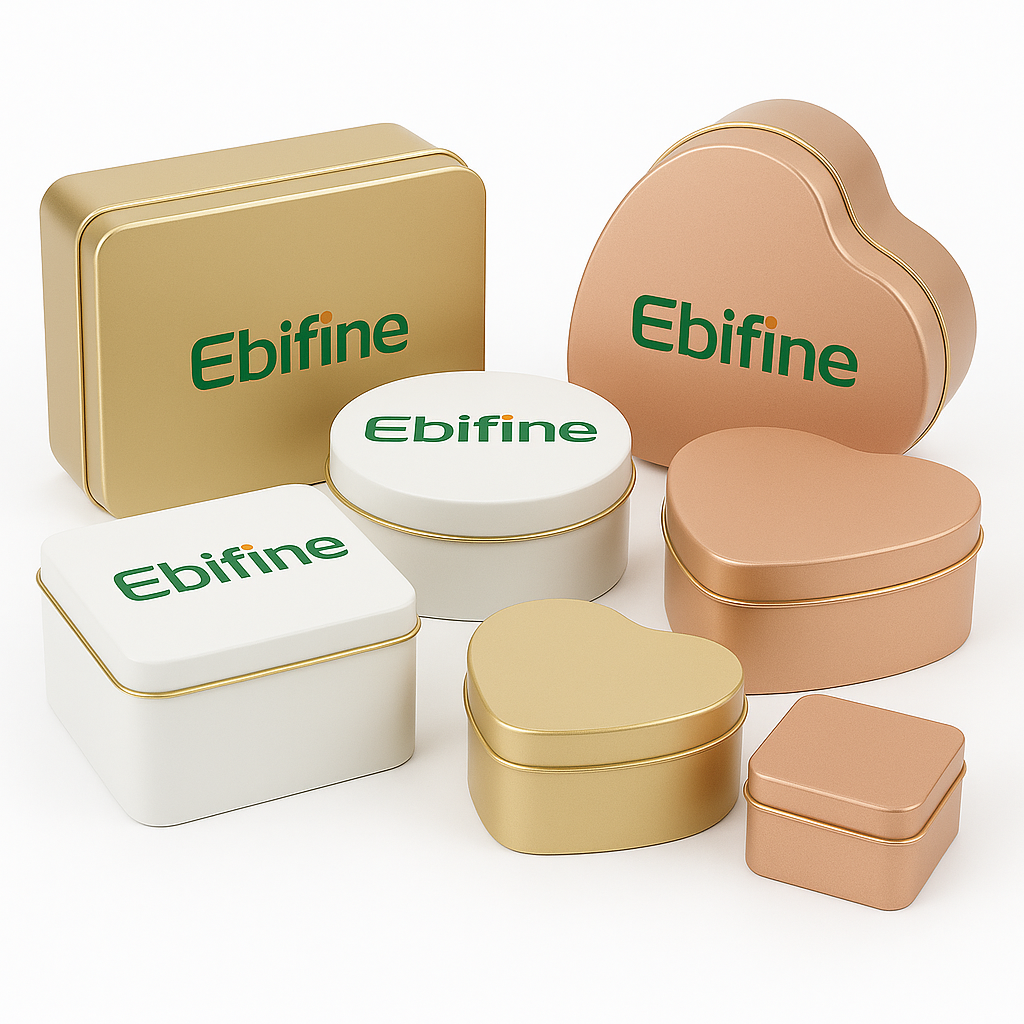
- Flexible shapes and sizes support product differentiation
- What cookie tin packaging is and how it works
- Cookie tins vs. other food packaging
- How to choose the right cookie box tin
- Common mistakes to avoid
- Food packaging solutions from Ebifine
- Frequently asked questions
- References
1. A Stronger Structure Helps Protect Delicate Cookies
Cookies are vulnerable to pressure, impact and movement. Thin biscuits, decorated cookies and carefully arranged assortments can arrive damaged if their packaging bends easily or allows too much movement inside. A rigid metal tin provides a stable outer shell that helps resist crushing during storage, handling and distribution.
This advantage is especially useful for premium assortments. When customers pay more for a product, they expect the cookies to arrive looking as good as they did when packed. Broken edges, crushed decorations and scattered crumbs can undermine that experience immediately.
When does the protection justify the extra cost?
We recommend considering a cookie tin when:
- The cookies are fragile, decorated or arranged in multiple layers.
- The product is sold as a gift or premium assortment.
- The distribution chain includes several handling and transport stages.
- The brand needs a more rigid package than a conventional paper carton.
One important qualification: a tin is not a substitute for proper internal packaging. Cookies can still collide with each other inside an oversized container. Use appropriately sized trays, dividers, food-grade liners or individually wrapped portions where the product requires them. For long-distance shipping, the tin may also need a corrugated outer carton and protective cushioning.
2. Premium Appearance Improves Perceived Product Value
Packaging influences how customers judge a product before tasting it. A rigid tin has weight, structure and a distinct opening experience. These characteristics can make a cookie assortment feel more substantial than the same product in a basic flexible pouch.
That matters in categories where customers are buying a present, preparing a holiday gift basket or choosing a premium item for guests. A decorative tin can communicate care and quality without requiring the brand to redesign the cookies themselves.
From our experience, the most effective premium packaging does not rely on decoration alone. It combines a coherent color palette, clear product information, appropriate finishing and a container proportioned to the product. A crowded design with too many effects can look less premium than a restrained, well-executed layout.
Where premium cookie tins work best
- Luxury bakeries: For signature biscuits and curated cookie assortments.
- Specialty food retailers: For products that need to stand out on crowded shelves.
- Corporate gifting: For branded gifts that need to look presentable without extensive additional wrapping.
- Seasonal collections: For Christmas, Lunar New Year, weddings and other gifting occasions.
If your product is positioned as an everyday value snack, the additional presentation may not generate enough extra revenue to cover the tin’s cost. For premium products, however, the packaging can become part of the reason customers accept a higher price.
3. Custom Printing Creates Stronger Brand Recognition
Cookie box tins offer a broad surface for branding. Depending on the construction and supplier’s production capabilities, brands can use printed artwork, colored finishes, decorative patterns, logos, embossed details and other finishing options to create a distinctive package.
This is useful because the tin remains visible after the original purchase. A customer may keep it on a kitchen counter, use it to store small household items or bring it out again during a later occasion. The brand can continue to receive exposure long after the cookies have been eaten.
Which customization options are worth paying for?
| Customization | Branding effect | Our recommendation |
|---|---|---|
| Full-color printing | Creates a recognizable visual identity and supports detailed artwork. | Prioritize accurate color matching and print consistency. |
| Embossing or debossing | Adds tactile detail to logos or selected design elements. | Use selectively for premium logos or focal points. |
| Matte or gloss finish | Changes the visual character and surface appearance. | Choose according to brand positioning and practical handling needs. |
| Custom shapes | Helps distinguish the package from standard rectangular tins. | Use when the shape supports the product story and can be packed efficiently. |
| Printed lid | Provides a prominent area for brand identity and seasonal artwork. | Make the lid design recognizable at a glance. |
Do not pay for every available finishing option. For most brands, a strong design, reliable print quality and one distinctive finishing detail are more effective than adding several expensive effects. Before approving production, request a physical sample or a production-representative proof. Screen previews cannot fully communicate metal color, surface texture or the final appearance of a finish.
4. Reusable Packaging Extends Brand Exposure
Unlike disposable packaging that is usually discarded immediately, a durable cookie tin can have a useful second life. Customers may reuse it for tea bags, sewing supplies, stationery, small accessories or household storage. This makes the container more likely to remain in the home.
For a food brand, reuse can improve the perceived value of the purchase. Customers are not only receiving cookies; they are also receiving a container that may remain useful. That added utility can be particularly appealing in gift markets.
However, reusable should not automatically be treated as synonymous with sustainable. The environmental value depends on the tin’s material, manufacturing impact, transport distance, durability, actual reuse rate and end-of-life recycling arrangements. A tin that is purchased once and quickly discarded does not deliver the same reuse benefit as one that customers keep for years.
For brands building a broader packaging strategy, compare tins with promotional reusable bags and other reusable formats. Each serves a different purpose, but the principle is similar: packaging can provide value beyond its first use.
5. A Rigid Tin Suits Gifting and Seasonal Collections
Gift packaging has a different job from everyday food packaging. It must protect the product, communicate occasion and quality, and look complete when handed to another person. Cookie tins perform well in this role because their rigid structure and decorative surface can create a finished gift presentation.
For seasonal campaigns, brands can retain a familiar tin shape while changing the artwork for different occasions. This makes it possible to create limited editions without necessarily changing the entire packaging format.
For commercial users, this can be a useful way to organize product ranges:
- Standard printed tins for year-round cookie assortments.
- Limited-edition designs for Christmas and other seasonal promotions.
- Premium multi-layer tins for mixed biscuits and gift collections.
- Custom-branded tins for corporate orders and private-label products.
The commercial decision is to match the tin’s cost to the order value. A premium container may be justified for a gift set with a higher retail price, but it can reduce margins quickly on a low-priced product. Calculate packaging cost per sellable unit, including inner trays, liners, outer cartons, freight and any assembly labor.
6. Flexible Shapes and Sizes Help Differentiate Products
Cookie tins are available in a range of shapes and dimensions, including round, rectangular, square and specialty formats. This gives brands more freedom to match packaging to cookie size, assortment layout and retail presentation.
A round tin may suit a traditional biscuit assortment, while a shallow rectangular tin can work well for flat cookies arranged in rows. A deeper container may be appropriate for larger quantities or layered assortments, provided that the internal arrangement prevents excessive movement.
Choose the shape around the product—not the other way around
We recommend starting with the cookie dimensions, quantity and arrangement. Then determine the internal dimensions required for trays, liners and headspace. Only after that should you finalize the external shape and decorative design.
For example, a bakery selling delicate iced cookies should prioritize a layout that prevents the decorated surfaces from rubbing against one another. A brand selling robust butter biscuits may have more freedom to use a compact stacked arrangement. The best tin is the one that protects the actual product and fits the distribution process.
What Is a Cookie Box Tin and How Does It Work?
A cookie box tin is a rigid food-packaging container commonly manufactured from tinplate or another suitable metal packaging material. Tinplate is steel coated with a thin layer of tin. Depending on the intended use, the container may also have an internal coating or lacquer designed to provide a suitable barrier between the metal and the packaged food.
The tin’s rigid body helps resist external pressure. Its lid provides access and can help enclose the contents. The internal packaging—such as a food-contact liner, paper cup, tray or divider—helps organize the cookies and can reduce direct contact with the container.
Benefits and limitations at a glance
| Factor | Benefits | Limitations |
|---|---|---|
| Structure | Rigid walls help resist crushing and deformation. | Can dent if subjected to strong impact. |
| Appearance | Supports premium printing and decorative finishes. | Custom finishes and shapes can increase cost. |
| Reuse | Can be kept and reused if designed for durability. | Reuse depends on customer behavior and product condition. |
| Food protection | Can provide a strong outer barrier when properly designed and closed. | Does not replace suitable liners, seals or shelf-life testing. |
| Shipping | Maintains a stable package shape. | Usually heavier and bulkier than flexible packaging. |
| Branding | Offers a durable surface for visual identity. | Artwork and production tolerances need careful approval. |
Cookie Tins vs. Other Premium Food Packaging
Cookie tins are not automatically superior to paperboard boxes, flexible pouches or plastic containers. Each format solves a different packaging problem. The comparison below is a practical starting point for choosing the right structure.
| Packaging type | Protection | Premium presentation | Weight and shipping | Best use case |
|---|---|---|---|---|
| Cookie box tin | Strong rigid outer structure | High | Heavier and more rigid | Gift sets, premium assortments and reusable packaging |
| Paperboard box | Moderate; depends on board grade and inserts | High with quality printing | Generally lighter and easier to store flat before assembly | Retail cookie boxes and branded bakery collections |
| Flexible pouch | Depends on film structure and seal quality | Moderate to high with suitable printing | Lightweight and space-efficient | Everyday snacks, refills and portioned products |
| Rigid plastic container | Good impact resistance depending on design | Moderate | Can be bulky and may be lightweight | Products needing visibility or stackable storage |
| Glass jar | Rigid but vulnerable to breakage | High | Heavy and fragile in transit | Specialty biscuits, layered treats and premium pantry products |
For brands selling gift-oriented cookies, tins are often worth evaluating first. For high-volume snack distribution, flexible packaging may be more economical. If the product needs a printed outer box but not a reusable container, paperboard can provide a better balance between appearance and cost.
Brands comparing structures can also explore flexible packaging solutions, ziplock packaging bags and kraft paper pouches as alternatives for different food formats.
Quick Summary Table: Are Cookie Tins Right for Your Product?
| Your business situation | Recommended choice | Reason |
|---|---|---|
| Premium gift cookie assortment | Custom cookie tin | Strong presentation and reusable value. |
| Fragile or decorated cookies | Tin with fitted inserts or dividers | Rigid outer structure plus internal product control. |
| Low-cost, high-volume snack line | Flexible pouch or paperboard | Usually more cost-efficient and lighter to ship. |
| Seasonal or corporate gifting | Custom printed tin | Supports occasion-specific artwork and branding. |
| Cookies requiring a validated freshness barrier | Qualified tin and liner system | Must be selected and tested for the actual product and shelf-life target. |
Pros and Cons of Cookie Box Tins
| Pros | Cons |
|---|---|
| Rigid construction helps protect cookies from routine handling pressure. | Higher unit cost than many basic paper or flexible formats. |
| Premium appearance can strengthen gift presentation. | Heavier packaging can increase freight costs. |
| Large printable surfaces support brand identity. | Custom tooling, finishes or shapes may require higher MOQs. |
| Can be reused after the food is consumed. | Reuse is not guaranteed and depends on customer behavior. |
| Suitable for seasonal designs and private-label collections. | Requires careful control of coatings, liners and food-contact suitability. |
How to Choose the Right Cookie Box Tin
Choosing a tin should be treated as a packaging engineering and purchasing decision, not simply a design exercise. The following factors should be confirmed before placing a bulk order.
1. Confirm food-contact suitability
Ask the manufacturer for documentation covering the actual material, internal coating or lacquer, printing system and intended food-contact conditions. Do not assume that every decorative tin is suitable for direct food contact. If cookies will touch the metal or coating, the complete packaging system must be appropriate for that use.
For products sold in the United States, check the applicable FDA requirements for food-contact substances. For products entering the European Union, food-contact materials must meet the relevant EU framework requirements, including Regulation (EC) No 1935/2004. Compliance depends on the material and its intended conditions of use, not just the word “food grade” on a quotation.
2. Match the tin dimensions to the cookie arrangement
Provide the supplier with cookie diameter, height, quantity per pack, stacking arrangement and any inner tray requirements. Request a sample using the intended product or a dimensionally accurate mock-up. An oversized tin can allow movement; an undersized tin can damage the cookies during packing.
3. Evaluate material thickness and construction
Ask about material specifications, body construction, lid fit, edge finishing and expected resistance to handling. A premium appearance is not enough if the lid is difficult to close or the body dents too easily in distribution. For heavy-duty applications or export shipments, test the filled package under realistic stacking and transport conditions.
4. Check printing and finishing quality
Request a sample that demonstrates the actual printing process and finish. Confirm brand colors, logo position, text legibility, surface consistency and the appearance of the lid and body together. If the tin has embossing or other special details, approve those details before mass production.
5. Calculate total landed cost
Compare more than the quoted price per tin. Include tooling or setup charges, inner trays, liners, individual wrapping, master cartons, freight, duties, storage and packing labor. A tin that looks affordable at the factory gate may become expensive after shipping, particularly if its dimensions create inefficient carton loading.
6. Confirm MOQ, lead time and quality control
Ask the manufacturer to specify minimum order quantity, sample lead time, production lead time, acceptable defect criteria and inspection arrangements. For a seasonal launch, build in time for artwork approval, sampling, production and international transport. Do not schedule a holiday promotion around an optimistic production estimate without a confirmed delivery plan.
Common Mistakes When Buying Cookie Box Tins
Choosing based only on appearance
A beautiful tin can still be a poor packaging choice if the lid fit is inconsistent, the internal coating is unsuitable or the cookies move around during transport. Evaluate the complete package, not just the exterior design.
Assuming every metal tin is food-safe
Metal packaging intended for food use needs appropriate material and coating specifications. Ask for documentation relevant to the target market and intended food type. This is especially important if cookies have direct contact with the inside surface.
Ignoring moisture and freshness requirements
A rigid tin does not automatically provide a validated hermetic seal or guarantee a specific shelf life. If crispness, moisture control or oxygen exposure is important, assess the liner, closure and any inner sealed pouch. Conduct shelf-life testing with the actual cookie formulation.
Ordering a custom shape before validating demand
Custom shapes can make a brand distinctive, but they can also increase development costs and minimum order quantities. For beginners, a standard shape with excellent artwork is often the more sensible first step.
Underestimating shipping costs
Metal tins are generally heavier and less compressible than flexible packaging. Check carton dimensions, pallet loading and freight cost before approving the design. A slightly smaller tin that protects the product properly may improve the economics of the entire order.
Who Should Use Cookie Tins—and Who Does Not Need Them?
Cookie tins are a strong fit for:
- Premium bakeries selling gift assortments or signature cookies.
- Food brands launching seasonal or limited-edition collections.
- Private-label businesses seeking a distinctive reusable package.
- Corporate gifting suppliers and specialty food retailers.
- Brands whose product price can support a higher packaging investment.
Cookie tins may not be necessary for:
- Low-price snack brands competing mainly on unit cost.
- Single-serve products where lightweight packaging is essential.
- Businesses with very small order volumes and limited packaging budgets.
- Products that require a specialized sealed barrier system not provided by the proposed tin and liner combination.
For beginners, we recommend starting with a standard tin and a practical internal protection system. For commercial users with established demand, custom dimensions, premium finishes and seasonal artwork may create a stronger return. The upgrade should be based on sales performance and customer feedback, not simply on the desire to have more elaborate packaging.
Food Packaging Solutions from Ebifine
Guangzhou Ebifine Import And Export Co., Ltd. has supplied OEM/ODM packaging solutions to global brands since 2016, serving sectors that include FMCG, cosmetics, food and beverage, and retail. Its packaging offering is intended to support businesses that need functional product protection alongside consistent brand presentation.
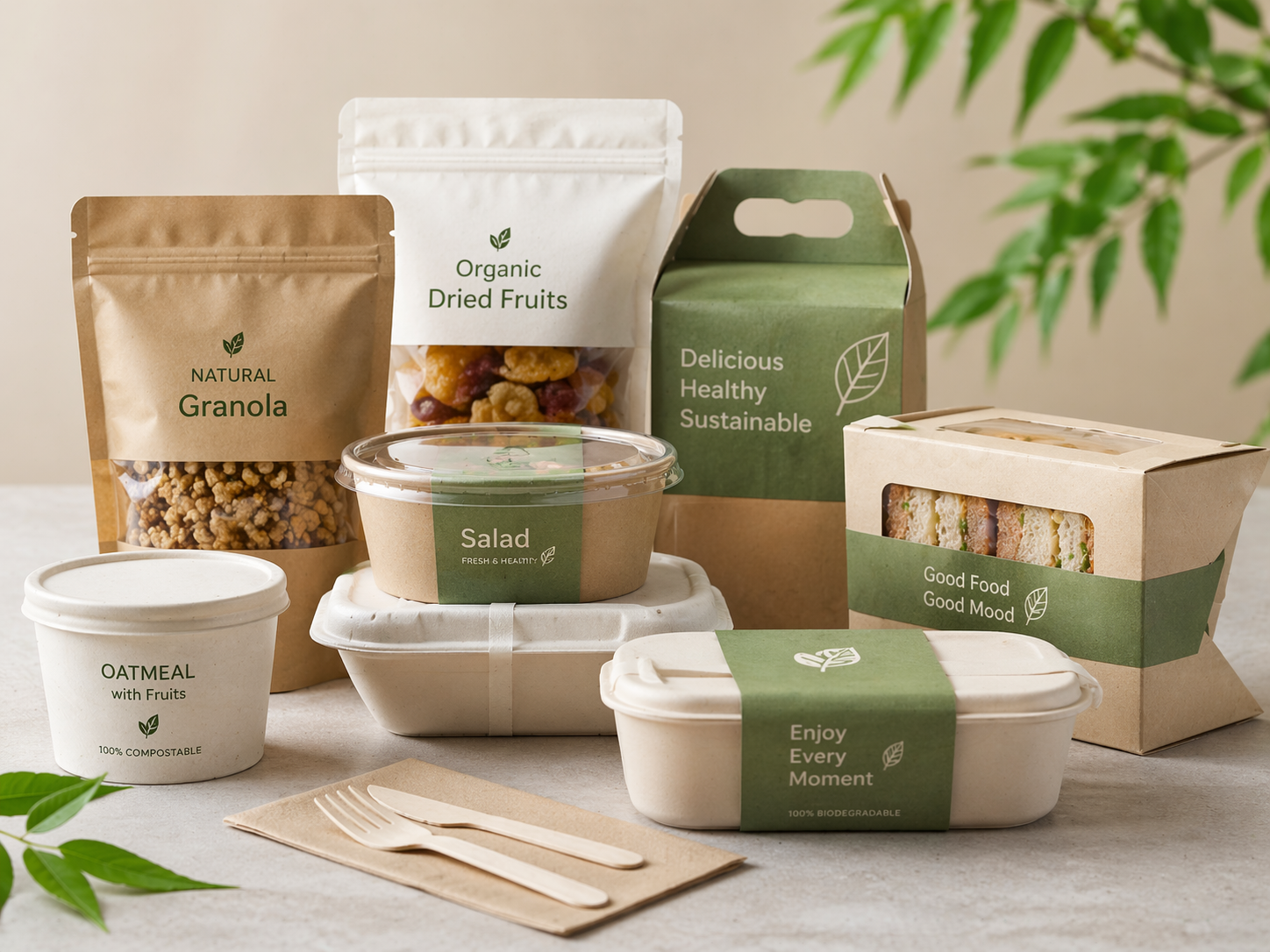 Food Packaging Solutions
Explore packaging options for snacks, frozen food and other food products. Ebifine presents solutions focused on product protection, functional design and brand presentation, with FDA, LFGB and FSC-related compliance or certification claims that should be confirmed against the specific product and documentation required for your market.
For cookie brands, the most useful next step is to define the product and packaging requirements before requesting a quotation: cookie dimensions, quantity, food-contact conditions, target market, preferred tin style, artwork, expected order volume and delivery deadline. This gives a supplier enough information to recommend a workable structure rather than quoting a generic container.
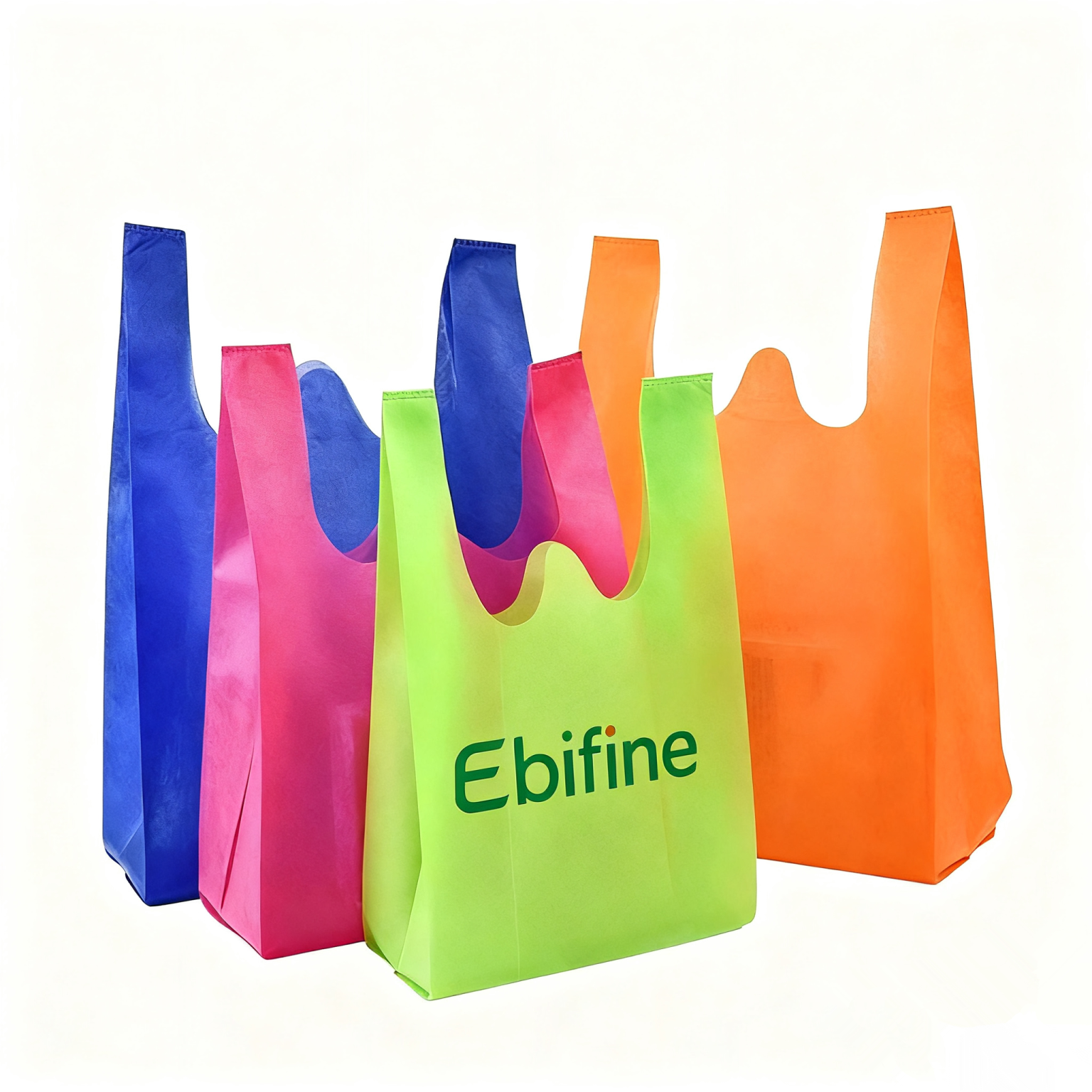
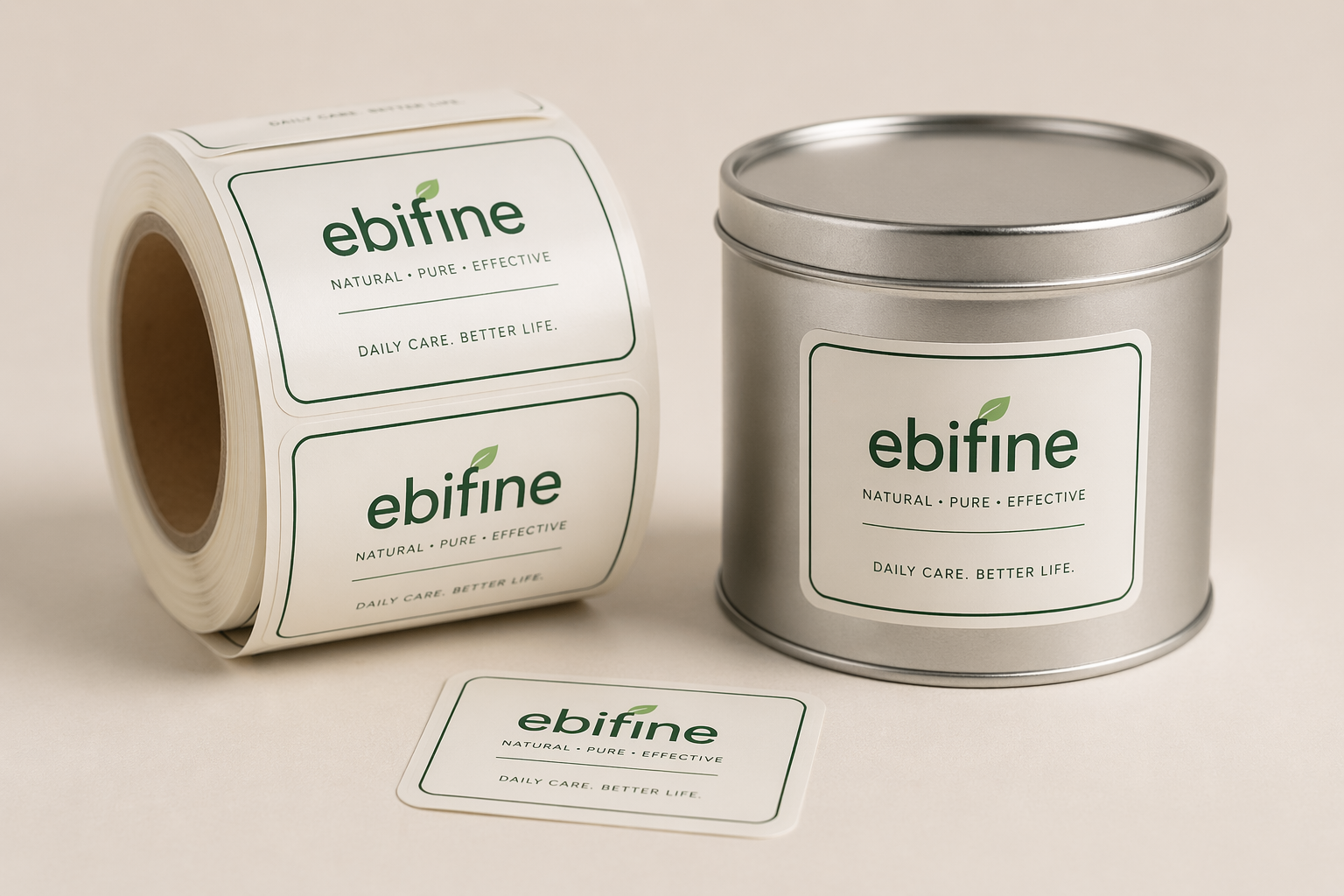
Ebifine also offers packaging options across different formats. Depending on your product and sales channel, you may want to compare custom tin boxes with custom packaging labels, PP non woven bags or other complementary packaging components. For food-service businesses, its restaurant packaging solutions may also be relevant.
Our recommendation is to compare suppliers on documented food-contact suitability, sample quality, production consistency, customization capability and total landed cost. A low unit quotation is not a good deal if the finished package damages the product or fails to meet the requirements of the destination market.
Expert Recommendation: When Should You Upgrade to Cookie Tin Packaging?
Upgrade to cookie box tins when your brand has a clear reason to sell the packaging experience—not merely the cookies. If customers buy your products as gifts, if your assortment is fragile, or if your retail positioning depends on premium presentation, a well-specified tin can be a commercially sensible investment.
Before committing to a large order, test three things: product protection, customer response and total cost. Pack the actual cookies, run practical handling and shipping checks, and compare the finished presentation with your current packaging. If the tin reduces damage, improves perceived value or supports a higher selling price enough to cover its added cost, the upgrade makes sense.
If it does not, keep the existing format and invest in better printing, inserts or a more effective inner barrier. The best packaging is not the most expensive one. It is the format that protects the product, meets compliance requirements and supports a profitable customer experience.
Frequently Asked Questions About Cookie Box Tins
1. Why are cookie box tins popular for premium food packaging?
Cookie box tins are popular because they combine a rigid protective structure with a premium appearance, customizable branding and potential reuse. They are particularly suitable for gift assortments, specialty biscuits and seasonal food collections where presentation influences purchasing decisions.
2. Are cookie tins better than paperboard boxes?
Not in every situation. Tins generally offer a more rigid structure and a reusable container, while paperboard boxes are usually lighter, easier to store flat and often less expensive. Choose tins for premium gifts and products that benefit from a durable outer shell; choose paperboard when cost and shipping efficiency matter more.
3. Are metal cookie tins safe for direct food contact?
They can be suitable when the metal, internal coating and other components meet the applicable food-contact requirements for the intended use. Do not assume that every decorative tin is suitable for direct contact. Request product-specific documentation and confirm compliance for the destination market.
4. Do cookie tins keep cookies fresh for longer?
A properly designed tin can help protect cookies from external exposure, but freshness depends on the complete packaging system, including the lid fit, liner, inner pouch, product formulation and storage conditions. If a defined shelf life is important, test the actual product in the final packaging rather than relying on the metal container alone.
5. Can cookie box tins be customized with a company logo?
Yes. Depending on the supplier’s production capabilities, customization can include printed logos, full-color artwork, selected finishes, embossing and different shapes or dimensions. Request a production-representative sample to check color, finish and logo placement before approving a bulk order.
6. Are cookie tins environmentally friendly?
Metal packaging can be recyclable where suitable collection and recycling systems exist, and a durable tin may be reused several times. However, its overall environmental impact depends on manufacturing, transport, reuse rates and local recycling infrastructure. Evaluate the complete life cycle rather than assuming that reusable packaging is automatically the better option.
7. What should I ask a cookie tin manufacturer before ordering?
Ask about material specifications, food-contact documentation, internal coatings, dimensions, lid construction, printing options, MOQ, sample availability, production lead time, inspection standards and shipping arrangements. Also confirm whether the quoted price includes inserts, liners and outer cartons.
8. Are custom cookie tins suitable for small businesses?
They can be, but minimum order quantities and setup costs matter. Small businesses should first investigate standard tin sizes with custom printing. This approach can provide a distinctive package without the cost and complexity of developing a completely new shape.
References
- U.S. Food and Drug Administration (FDA): Food Packaging and Other Substances That Come into Contact with Food — Guidance on food-contact substances and packaging components.
- European Commission: Food Contact Materials — Overview of EU food-contact material safety requirements and the applicable regulatory framework.
- Swiss Federal Office for the Environment: Tinplate Packaging — Background on tinplate construction, collection and recycling.
Final takeaway: Cookie box tins are popular for premium food packaging because they combine protection, presentation, customization and potential reuse. They are most worthwhile when those benefits support the product’s positioning and selling price. Confirm food-contact suitability, test the complete package and calculate landed cost before placing a bulk order.