Quick Answer: How to Choose a CPE Plastic Bags Supplier
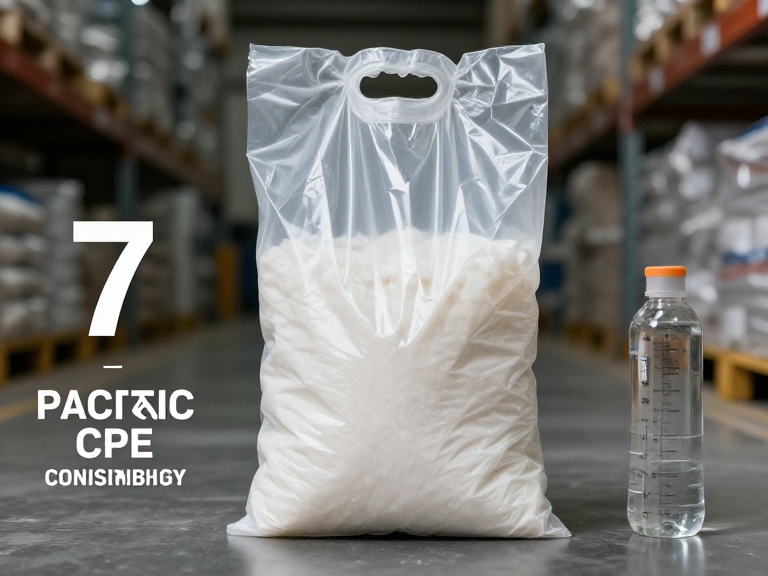
To secure consistent packaging quality, avoid shipment delays, and protect your brand reputation, Choosing a CPE Plastic Bags Supplier requires auditing seven core capabilities: (1) Virgin Resin Formulation & Regrind Control (mandating 100% virgin chlorinated polyethylene with zero off-gassing odors or chalky plasticizer blooms); (2) Film Gauge Precision & Thickness Uniformity (verifying digital micrometer tolerances within ±5% across the entire film roll); (3) Frosted Haze Consistency & Soft-Touch Feel (confirming uniform matte micro-embossing without fish-eye gel defects); (4) Side-Weld Seam Integrity & Closure Reliability (ensuring ultrasonic or thermal weld tensile strength that resists bursting under pressure, paired with reinforced zipper tracks); (5) Corona Discharge Treatment & Ink Adhesion (demanding surface energy ≥ 38 to 42 dynes/cm to prevent logo flaking); (6) Production Capacity, Lead Times & Scalable MOQs (evaluating in-house blown film extrusion and automated conversion equipment); and (7) International Environmental Compliance & Factory Certifications (ensuring complete compliance with RoHS, REACH, and ISO 9001 quality audits). Sourcing directly through established manufacturers like Ebifine guarantees certified resin purity, high seam durability, and professional branding execution from pilot run to mass production.
Article Directory
- The Material Science of CPE: Why It Dominates Modern Packaging
- Quick Summary Table: 7 Supplier Evaluation Factors at a Glance
- The 7 Critical Factors When Choosing a CPE Plastic Bags Supplier
- Featured Packaging Spotlight: Ebifine Custom Flexible Packaging
- Direct Technical Comparison: CPE vs. EVA vs. LDPE vs. BOPP
- Pros and Cons of Sourcing Factory-Direct OEM vs. Local Packaging Brokers
- Who Needs CPE Packaging vs. Who Should Use Alternative Materials
- Costly Sourcing Mistakes Brand Owners Make With Bag Suppliers
- Essential Buying Considerations: Vent Holes, Zippers & Thickness Selection
- Expert Packaging Engineer’s Sourcing Verdict
- Frequently Asked Questions
- Authoritative References & Packaging Standards
The Material Science of CPE: Why It Dominates Modern Packaging
To execute informed procurement decisions when Choosing a CPE Plastic Bags Supplier, one must understand how chlorinated polyethylene differs chemically from conventional packaging films. Standard low-density polyethylene (LDPE) is a semi-crystalline polymer that produces high-clarity or glossy bags. While inexpensive, LDPE feels slick, crinkles loudly under compression, and has a high coefficient of friction that causes the film to stick to glossy product surfaces, silicone phone cases, and synthetic fabrics.
Chlorinated Polyethylene (CPE) is synthesized by substituting chlorine atoms onto the linear polyethylene backbone via aqueous slurry or solution chlorination. This controlled chemical reaction disrupts the crystalline lattice of the base polyethylene, transforming a rigid thermoplastic into an amorphous, rubbery elastomer. The resulting polymer exhibits exceptional physical properties:
- Elastomeric Soft-Touch Hand-Feel: CPE provides an ultra-soft, velvety tactile sensation that mimics silicone or fine frosted glass, elevating the perceived unboxing value of fashion and tech products.
- Non-Stick and Anti-Static Surface Energy: Because of its modified polymer matrix and micro-textured surface, CPE does not stick to delicate silk garments, screen-printed graphic tees, or polished consumer electronics. It eliminates the need for messy dusting powders inside the bag.
- Superior Tear and Puncture Resistance: Unlike oriented polypropylene (BOPP) which splits instantaneously once a corner is nicked, CPE absorbs kinetic tensile stress through elastic elongation, providing high resistance to punctures from zipper pulls, metal hardware, and sharp garment tags.
- Thermal and Weather Stability: CPE retains its flexibility across extreme temperature ranges (-20°C to 80°C) without cracking in winter shipping containers or melting under summer warehouse humidity.
From our experience on production lines, when an overseas supplier delivers poor-quality CPE bags, the root cause is almost always improper chlorination ratios (aiming below 30% chlorine content to cut chemical processing costs) or blending excessive amounts of cheap calcium carbonate masterbatch. That is why Choosing a CPE Plastic Bags Supplier with dedicated chemical controls is so essential.
Quick Summary Table: 7 Supplier Evaluation Factors at a Glance
| Evaluation Factor | Primary Technical Metric | Commercial & Operational Impact | Key Defect Prevented | Recommended Industry Threshold |
|---|---|---|---|---|
| 1. Resin Formulation & Purity | 100% Virgin CPE, chlorine content 34%–36% | Eliminates chemical odors and yellowing | Acrid smell transfer to packaged apparel | Zero recycled regrind in contact layers; RoHS verified |
| 2. Gauge & Thickness Control | Mil / Micron tolerance across film web | Material cost optimization & puncture safety | Thin spots tearing under transit friction | Tolerance within ±5% across roll width |
| 3. Frosted Haze & Texture | Optical haze percentage (≥65%) & matte finish | Tactile luxury appeal & non-blocking ease | Chalky talc residue, shiny spots, film clinging | Uniform micro-matte extrusion; anti-block additive |
| 4. Seam & Closure Durability | Tensile weld strength (ASTM D882) | Bag structural integrity during fulfillment | Side splits when inserting bulky garments | Continuous thermal weld; reinforced zipper anchors |
| 5. Ink Adhesion & Corona Level | Dyne level testing (ASTM D2578) | Brand logo permanence & retail aesthetics | Logo flaking, rub-off, or smudging in transit | Minimum ≥38 to 42 dynes/cm surface energy |
| 6. Machinery & Capacity | Multi-layer blown extrusion & automated sealing | Lead-time reliability & scalable pricing tiers | Late deliveries during peak retail Q3/Q4 surges | In-house extrusion and high-speed bag-making lines |
| 7. Environmental Compliance | Heavy metals, phthalates, REACH/RoHS audit | Customs clearance & retail safety compliance | Shipment rejection or retail market fines | Certified phthalate-free, non-toxic plasticizers |
The 7 Critical Factors When Choosing a CPE Plastic Bags Supplier
1. Resin Formulation Purity and Virgin vs. Regrind Ratios
The foundation of every quality flexible packaging product begins at the resin hopper. When Choosing a CPE Plastic Bags Supplier, your first question must address polymer composition. Unethical suppliers frequently cut production costs by blending up to 30% to 50% post-industrial recycled regrind or cheap filler concentrates into the extrusion feed. In our testing, bags produced with high regrind ratios exhibit an immediate acrid, oily chemical odor. When garments like organic cotton tees, intimate apparel, or merino wool sweaters sit sealed inside these bags for weeks during ocean shipping, the fabric absorbs this foul odor, leading to customer complaints and product returns.
In most professional situations, we recommend requiring written confirmation that the supplier uses 100% virgin chlorinated polyethylene resin with a balanced chlorine content of 34% to 36%. Virgin CPE produces clean, translucent, odor-free bags with exceptional molecular cohesion. If you require specialty formats like high-clarity displays, explore verified partners through our guide to cellophane bags wholesale suppliers to evaluate how different resin purities affect presentation.
2. Film Extrusion Precision, Gauge Uniformity, and Dart Impact
A major indicator of factory competence is film gauge consistency. Low-tier packaging plants run outdated blown-film extrusion lines that lack automated air-ring thickness controllers. This results in wide gauge fluctuations: a bag ordered at 70 microns (2.8 mil) may measure 85 microns near the top zipper but thin out to 52 microns at the bottom gusset. These thin zones create structural weak points that rupture when subjected to standard parcel shipping stress.
When auditing prospective partners, demand documented gauge profiles. Quality manufacturers utilize multi-layer blown-film co-extrusion towers equipped with continuous beta-ray or capacitive thickness scanners that keep gauge variance within ±5%. Furthermore, evaluate ASTM D1709 Dart Impact Resistance: a high-grade 70-micron CPE film should withstand a drop-dart impact of at least 300 to 450 grams without puncture, ensuring that sharp zipper teeth or garment hangtags do not pierce the packaging during transit.
3. Frosted Matte Consistency, Optical Haze, and Anti-Blocking Properties
The defining aesthetic characteristic of CPE is its frosted, semi-opaque, luxurious appearance. However, achieving this finish consistently requires precise extrusion temperature control and specialized matte chill rolls or blow-up ratios. Inexperienced suppliers often produce blotchy films with shiny streaks, high-clarity windows, or heavy gel agglomerates (fish eyes) where un-melted resin particles create rough blemishes.
Commercial users must specify target optical haze (typically between 65% and 80%) to achieve the desired balance: obscuring the contents enough to look sophisticated while allowing retail barcode scanners to read product labels through the film without opening the bag. Furthermore, ensure the factory integrates an organic, slip-resistant anti-blocking agent. Without proper anti-block formulation, smooth CPE films will vacuum-seal to themselves when stacked, forcing packing line operators to struggle to pry bags open, which significantly slows fulfillment speeds.
4. Side-Weld Seam Integrity and Closure Track Mechanics
A plastic bag is only as strong as its weakest seam. The side welds of a CPE bag bear the internal burst pressure when an operator compresses a bulky winter jacket, folded hoodie, or pair of sneakers into the pouch. Poorly calibrated hot-knife sealing machines create narrow, brittle heat lines that tear like perforated paper under minimal cross-directional tension.
When Choosing a CPE Plastic Bags Supplier, inspect their sealing technology:
- Ultrasonic or Reinforced Thermal Side Welds: Premium factories utilize broad-bead thermal sealing dies with integrated cooling bars that consolidate the weld seam under pressure, achieving joint tensile strength exceeding 85% of the parent film’s strength.
- Zipper Track Fusion: For frosted zipper bags, the connection where the extruded zipper profile meets the bag wall is a common point of failure. The supplier must use automated ultrasonic staking at the zipper endpoints to prevent the plastic slider clip from sliding off the track when pulled forcefully by the end consumer.
- Adhesive Lip Closures: If sourcing tamper-evident self-adhesive bags, confirm that the factory uses hot-melt destructive adhesive tape rather than light-tack resealable strips, ensuring the bag cannot be opened without showing visible physical distortion.
5. Corona Discharge Treatment and Custom Printing Adhesion
Placing custom branding on flexible packaging transforms a functional container into an unboxing asset. However, printing on CPE is notoriously difficult. Polyethylene is a non-polar polymer with an exceptionally low natural surface energy (typically 30 to 32 dynes/cm). If an operator prints ink directly onto untreated CPE, the ink sits on the surface without chemical bonding; a simple fingernail scratch or cardboard carton friction will peel the logo off in ribbons.
To ensure permanent print durability, the manufacturer must pass the extruded film through an inline corona discharge treater immediately before printing, raising the surface energy to at least 38 to 42 dynes/cm (verified via ASTM D2578 dyne pen testing). When contracting custom printing for custom bags with logo, require solvent-resistant or eco-friendly flexographic and rotogravure inks that pass the standard 3M 610 cellophane tape cross-hatch adhesion test with zero ink delamination.
6. In-House Manufacturing Capacity, Lead Times, and Scalable MOQs
The flexible packaging supply chain is full of commercial trading companies posing as direct manufacturers. While brokers can source products, they add a 15% to 30% margin, introduce communication delays, and have zero direct control over factory scheduling. If a sudden surge in sales requires an emergency run of 50,000 bags, a middleman has no leverage to bump your order up the extrusion queue.
Verify that your supplier owns and operates physical manufacturing facilities:
- Blown Film Extrusion Lines: In-house extrusion allows direct control over resin formulations, custom tinting, and thickness calibration.
- Automated Bag-Making and Sealing Stations: Look for multi-lane automated zipper-inserting, bottom-gusseting, and side-welding machines capable of producing 100,000+ units per shift.
- Flexible MOQ Tiers: For commercial users testing new product lines, a supplier should offer accessible entry-level Minimum Order Quantities (typically 5,000 to 10,000 pieces for custom printing), with clear volume discount pricing scaling up to 100,000+ units. Reviewing capabilities from an integrated plastic packaging supplier helps ensure production scalability.
7. International Regulatory Compliance and Environmental Audits
Shipping consumer products into North America, the European Union, and Australasia exposes brands to strict chemical safety regulations. Low-cost plasticizers, heavy-metal colorants, and unapproved slip agents can lead to customs seizures, regulatory fines, and reputational damage.
Require verifiable compliance documentation from your prospective supplier:
- EU REACH & RoHS Compliance: Certification that the bags are free from Substances of Very High Concern (SVHC), including lead, cadmium, mercury, hexavalent chromium, polybrominated biphenyls, and restricted phthalates (DEHP, BBP, DBP, DIBP).
- FDA Food Contact Suitability (Where Applicable): If bags are utilized for food, supplements, or oral-contact goods, verify compliance under FDA 21 CFR 177.1520 for olefin polymers. For specialized food presentation, examine options like certified bakery packaging to maintain hygiene standards.
- Factory Quality Management: Confirm that the production facility operates under an audited ISO 9001 quality management framework with documented batch retention records and trace lot codes.
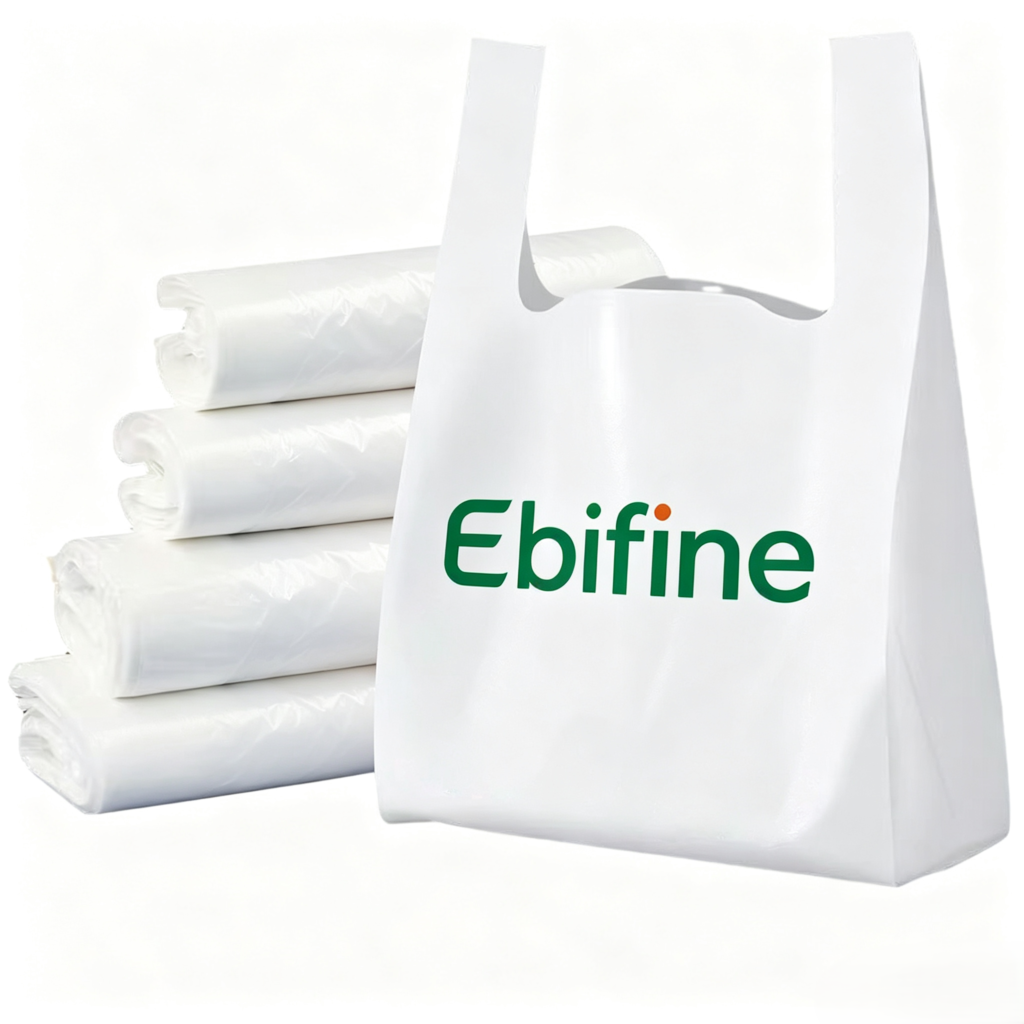
Integrated Manufacturing Partner: Ebifine Custom Flexible Packaging
Navigating the technical and logistical challenges of flexible packaging procurement demands an experienced, direct-manufacturing partner. Ebifine supplies commercial enterprises, international retail brands, and eCommerce leaders with certified flexible packaging solutions.
| Manufacturing Scope | Custom plastic packaging, high-grade CPE frosted bags, and custom shopping solutions |
| Customization Options | Full bespoke dimensions, tailored mil thicknesses, custom tinting, and high-definition logo printing |
| Minimum Order Volumes | Accessible commercial entry starting at 5,000 units with volume scaling to container loads |
| Production Lead Time | Efficient 15 to 20-day standard manufacturing cycles with expedited air/ocean logistics support |
| Material Portfolio | Virgin CPE, LDPE, HDPE, biodegradable polymers, and heavy-duty non woven bags manufacturer solutions |
Procurement Recommendation: Review our comprehensive catalog on the Custom Plastic T-Shirt Bag China Supplier portal or explore matching multi-category packaging, including durable paper bags wholesale, to build a cohesive retail presence.
Direct Technical Comparison: CPE vs. EVA vs. LDPE vs. BOPP
| Material Type | Surface Finish & Texture | Tear & Puncture Resistance | Apparel & Non-Stick Suitability | Relative Cost per Unit | Primary Commercial Application |
|---|---|---|---|---|---|
| CPE (Chlorinated Polyethylene) | Frosted matte, soft-touch rubbery feel | Exceptional (Elastic elongation) | Superior (Zero cling, dust-free) | Moderate (Baseline luxury) | Apparel, activewear, electronics, swimwear |
| EVA (Ethylene Vinyl Acetate) | Semi-matte, silky, highly flexible | Very High (Soft elastomer) | Good (Can stick in extreme heat) | High (+15% to 30% over CPE) | Luxury cosmetics, waterproof pouches, travel bags |
| LDPE (Low-Density Polyethylene) | Glossy or basic frosted, slick plastic feel | Moderate (Stretches then tears) | Poor (High friction, clings to cloth) | Low (Economical baseline) | Industrial polybags, bulk inner liners, grocery bags |
| BOPP (Biaxially Oriented Polypropylene) | Crystal clear, rigid, crinkly high-gloss | Low (Prone to notch splitting) | Moderate (Static charge attracts dust) | Low to Moderate | Greeting cards, bakery goods, retail display wrap |
Pros and Cons of Sourcing Factory-Direct OEM vs. Local Packaging Brokers
| Sourcing Channel | Strategic & Commercial Advantages (Pros) | Operational Risks & Liabilities (Cons) |
|---|---|---|
| Factory-Direct OEM Sourcing (e.g., Direct Asian Manufacturers like Ebifine) |
|
|
| Domestic Packaging Distributors (Local Stock Wholesalers) |
|
|
Who Needs CPE Packaging vs. Who Should Use Alternative Materials
Every dollar allocated to packaging procurement should deliver clear value. CPE is not universally required for every packaging application; understanding your product category ensures you do not overspend on materials where basic alternatives suffice.
Who Must Invest in CPE Packaging:
- Direct-to-Consumer (DTC) Fashion and Activewear Brands: If you are packaging premium swimwear, athleisure, knitwear, or streetwear, first impressions matter. Unboxing a $90 hoodie from a crinkly, cheap grocery-style polybag cheapens the brand. CPE frosted zipper bags deliver an immediate luxury tactile cue that justifies premium retail pricing.
- Consumer Electronics and Mobile Accessories: Tech products with glossy displays, silicone casings, or polished aluminum frames scratch easily against rough packaging materials. The smooth, non-abrasive, anti-static surface of CPE prevents micro-marring during shipping.
- Intimate Apparel and Luxury Textiles: Silk lingerie, delicate lace, and merino wool will snag on rough polybag seams or cling to high-friction LDPE films. CPE provides a smooth, snag-free envelope that preserves fabric integrity.
Who Can Rely on Alternative Packaging Materials:
- Low-Cost Fast Fashion and Basic Bulk Liners: If you are shipping basic t-shirts at retail prices under $10, paying a premium for frosted CPE zipper bags is unnecessary. Standard 1.5-mil clear LDPE suffocation-warning bags provide basic protection at half the cost. Explore general solutions across our plastic packaging bags catalog.
- High-Clarity Retail Hang-Tab Displays: If your product sells in brick-and-mortar retail stores where customers must inspect colors and textures through crystal-clear windows, CPE’s frosted haze is a drawback. Choose clear BOPP or PET films with hang-holes instead.
- Heavy-Duty Industrial Parts: Oily mechanical parts, hardware, or sharp construction components require puncture-resistant co-extruded nylon films, corrugated boxes, or rigid tin packaging and aluminum packaging rather than soft-touch consumer films.
Costly Sourcing Mistakes Brand Owners Make With Bag Suppliers
Factory Floor Advisory: The single most expensive mistake when ordering custom CPE bags is forgetting to specify vent holes. Without small, clean-cut micro-perforations (typically 4mm to 6mm), sealed bags trap air like small balloons. When stacked inside master shipping cartons, these trapped air pockets burst the side-weld seams or increase shipping carton volume by 30%, driving up ocean freight costs.
- Omitting Vent Hole Placement Specifications: Never assume a factory will automatically add vent holes. Explicitly state the vent hole diameter and location (e.g., “one 5mm punch-hole centered 2 inches from the bottom edge”) to allow trapped air to escape smoothly during warehouse stacking and carton sealing.
- Confusing Single-Wall vs. Total Double-Wall Thickness: When requesting quotes, buyers often ask for “70-micron bags.” Low-integrity suppliers will quote based on total double-wall thickness (35 microns per side), delivering paper-thin bags that tear easily. Always specify single-wall thickness (e.g., “70 microns single-wall / 140 microns total”) to ensure quotes are comparable.
- Accepting Zinc-Plated Metal Sliders in Humid Climates: When specifying zipper pulls for custom zipper bags, beware of cheap metal pulls. In coastal regions or humid warehouse transit, low-grade metal sliders oxidize, leaving rust marks across white or pastel garments. Always specify high-grade molded plastic resin sliders or coated brass hardware.
- Failing to Perform Tape-Adhesion Tests on Pre-Production Samples: Never sign off on a mass printing run based solely on a digital PDF proof. Demand physical printed film strike-offs and perform the standard 3M cross-hatch tape test: press industrial packing tape firmly over the printed logo and rip it off quickly. If any ink transfers to the tape, reject the batch until the factory increases its corona treatment dyne levels. For branding accessories, explore matching custom labels and stickers to ensure label adhesives bond reliably to frosted surfaces.
Essential Buying Considerations: Vent Holes, Zippers & Thickness Selection
Before issuing a Purchase Order or approving technical production sheets, confirm these four critical engineering specifications with your supplier:
1. Sizing Dimensions: Usable Interior vs. Overall Exterior
Clarify dimensions. A bag measuring 10 × 14 inches overall does not provide 10 × 14 inches of usable storage space. The top zipper track and side heat welds consume 1.0 to 1.5 inches of vertical clearance and 0.5 inches of horizontal width. Always specify usable interior dimensions below the zipper line so your product inserts smoothly without jamming the zipper.
2. Choosing Between Slider Zippers, Press-to-Close, and Self-Adhesive Flaps
Match the closure mechanism to your distribution channel:
- Plastic Slider Clips: Fast, convenient, and easy for customers to open and reclose. Ideal for apparel where customers frequently reuse the bag for travel storage. Explore versatile options in our ziplock bags for packaging collection.
- Press-to-Close Fluted Tracks: Lower cost than slider clips and provides a flatter profile for tight carton stacking. Requires manual alignment to close securely.
- Self-Adhesive Destruction Strips: Single-use security closure. The bag must be torn to access the product, making it ideal for high-value tech accessories and tamper-evident mailers.
3. Single-Wall Thickness Sizing Guide
Select thickness based on product weight and abrasion profiles:
- 50 to 60 Microns (2.0 – 2.4 Mil): Light apparel, socks, underwear, small accessories.
- 70 to 80 Microns (2.8 – 3.1 Mil): Standard t-shirts, swimwear, button-down shirts, cosmetic sets.
- 90 to 120 Microns (3.5 – 4.8 Mil): Heavy denim, hoodies, winter outerwear, footwear, tech hardware.
4. Master Carton Packing Specs and Moisture Management
Ensure your supplier packs finished bags in flat-lay master cartons lined with heavy polyethylene moisture-barrier bags and food-grade silica gel desiccants. Packing bags loose in flimsy corrugated boxes causes edge creasing and wrinkling during ocean transit, ruining the pristine frosted finish before the product ever reaches your fulfillment line.
Expert Packaging Engineer’s Sourcing Verdict
In our professional assessment across global packaging supply chains, Choosing a CPE Plastic Bags Supplier is a strategic decision that directly impacts product presentation, fulfillment speed, and brand equity. In a retail and eCommerce landscape where customer unboxing experiences drive social reviews and brand loyalty, packaging your products in cheap, foul-smelling, crinkly polybags is an unnecessary business risk.
Avoid brokers offering lowball prices that seem too good to be true; they almost always cut corners using recycled regrind, under-treated films, and brittle side seals. Instead, partner with a direct, vertically integrated manufacturer that controls the process from blown-film extrusion through automated conversion. Sourcing through proven manufacturers like Ebifine gives you access to 100% virgin resin formulations, verified gauge consistency (±5%), durable ultrasonic welds, permanent high-dyne printing, and full international regulatory compliance. Define your dimensions, mandate proper vent holes, test your seam strengths, and your packaging will consistently protect your product and elevate your brand on arrival.
Frequently Asked Questions
CPE (Chlorinated Polyethylene) is an elastomeric polymer produced by chlorinating high-density polyethylene. Unlike standard LDPE, which has a glossy, slick, and crinkly surface, CPE features a premium frosted matte texture, a soft-touch rubberized hand-feel, superior tear resistance, natural anti-static properties, and non-stick behavior that prevents plastic from adhering to packaged apparel or electronics.
Bags made with heavy recycled regrind exhibit an acrid chemical or burnt plastic odor, visible gel impurities or fish-eye specks in the film, inconsistent mil thickness across the surface, yellowish discoloration under direct light, and weak side-weld seams that split under minimal tension.
For lightweight garments such as t-shirts, activewear, and swimwear, a single-wall thickness of 60 to 70 microns (2.4 to 2.8 mil) is standard. For heavier garments like hoodies, denim, knitwear, or footwear, we recommend a heavy-duty thickness of 80 to 100 microns (3.1 to 4.0 mil) to prevent puncture and deformation during courier transport.
Ink peeling occurs when the supplier fails to properly corona-treat the CPE film prior to printing, or when the treatment has decayed below 38 dynes/cm. Without adequate surface energy, printing inks cannot form a chemical or mechanical bond with the non-polar polyethylene surface, causing graphics to flake during transit.
Authoritative References & Packaging Standards
- ASTM International: ASTM D882 Standard Test Method for Tensile Properties of Thin Plastic Sheeting
- U.S. Food and Drug Administration (FDA): 21 CFR 177.1520 Olefin Polymers for Direct Food Contact and Packaging Safety
- European Chemicals Agency (ECHA): REACH Regulation (EC 1907/2006) on Chemical Substances, Plasticizers, and Heavy Metal Restrictions