The global retail and e-commerce supply chain operates on remarkably slim margins. When brands scale their fulfillment operations, secondary packaging becomes a critical financial and aesthetic pivot point. Sourcing generic, unbranded poly mailers or shopping bags from domestic catalog distributors is a massive commercial error that hemorrhages capital and destroys brand equity. From our experience at Ebifine, engineering and manufacturing high-volume flexible packaging for global retailers, the decision to procure Custom Plastic Bags Wholesale directly from a primary manufacturer fundamentally alters your unit economics. You cease paying a 300% markup for the privilege of a middleman’s warehouse space.
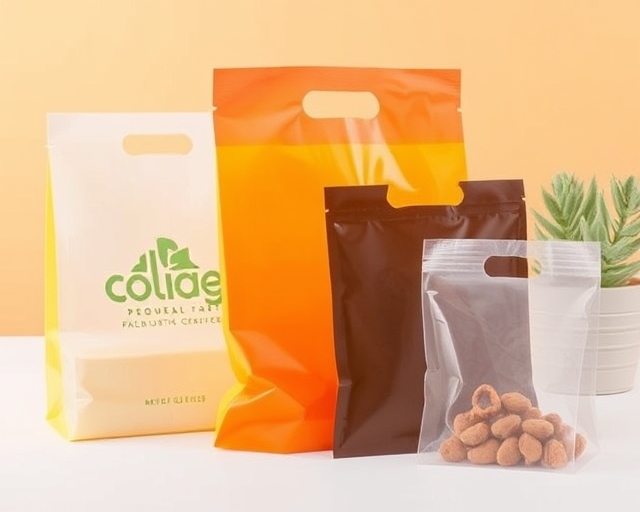
In most professional situations, procurement managers fail to understand the complex material science and mechanical limitations involved in bulk plastic extrusion. They order bags based strictly on price, resulting in blown-out side seams, transparent LDPE that reveals confidential inner packaging, and flaking ink that transfers onto customer garments. You must use commercial and practical judgment. In this definitive guide, we take a rigid, expert stance on the mechanics of wholesale packaging. We will detail the 9 critical factors you must understand before placing a volume order, decode the polymer options, and provide you with the exact technical blueprint to secure superior packaging infrastructure.
Quick Answer: The Wholesale Packaging Paradigm
If you are transitioning to Custom Plastic Bags Wholesale, you must abandon domestic brokers and partner directly with an OEM manufacturer. Here is the operational reality:
- Material Dictates Perception: Use high-gauge LDPE for premium soft-touch retail bags, and HDPE for high-tensile grocery and heavy-duty transport bags.
- The Cost of Customization: True wholesale requires an upfront investment in copper printing plates (rotogravure). This guarantees photographic print quality that will not scratch off during transit.
- Volume Solves Pricing: Direct manufacturing Minimum Order Quantities (MOQs) typically start around 10,000 to 20,000 units, but this volume drives the unit cost down to pennies.
We recommend that any business shipping over 2,000 orders a month immediately transition from off-the-shelf blanks to fully customized, extruded-to-order flexible packaging solutions.
Table of Contents
- What It Is: Direct Wholesale Manufacturing
- How It Works: Extrusion and Printing
- 9 Things to Know About Wholesale Orders
- Commercial Benefits of Going Direct
- Limitations and Hidden Risks
- Who Should Use Wholesale Manufacturing
- Who Does Not Need It
- Common Procurement Mistakes
- Expert Buying Considerations
- Summary and Comparison Tables
- Expert Recommendation & Integrated Solutions
- Frequently Asked Questions
What It Is: Direct Wholesale Manufacturing
Custom Plastic Bags Wholesale refers to the procurement model where an enterprise contracts directly with an overseas or primary domestic factory to produce packaging from raw resin pellets. You are not buying an existing white bag and stamping a black logo on it. You are dictating the exact chemical composition, the micron thickness (gauge), the opacity, the Pantone color of the plastic itself, and the structural additions like reinforced die-cut handles or specific adhesive tape strengths. This level of granular control is the defining hallmark of professional retail packaging.
How It Works: Extrusion and Printing
How it works mechanically dictates your lead times. The process begins with blown film extrusion. Raw polyethylene pellets are melted and blown upward into a massive vertical bubble, determining the film’s thickness and width. Once the film is cooled and flattened into massive rolls, it moves to the printing press. In our testing, rotogravure printing utilizes laser-engraved copper cylinders to transfer ink onto the plastic at high speeds, providing flawless edge-to-edge bleed and exact Pantone matching. Finally, the printed rolls are fed into converting machines that cut, seal the edges, and apply hardware like slide-zip closures to create ziplock packaging bags.
9 Things to Know About Custom Plastic Bags Wholesale
1. Material Chemistry Determines Application
Not all plastics are equal. Low-Density Polyethylene (LDPE) is soft, glossy, and highly flexible—perfect for high-end retail apparel. High-Density Polyethylene (HDPE) is crinkly, stiff, and possesses massive tensile strength, making it ideal for heavy grocery items. Chlorinated Polyethylene (CPE) provides a luxurious, semi-translucent frosted finish commonly used for premium electronics and swimwear.
2. Understanding the MOQ Physics
Factories do not set Minimum Order Quantities out of spite. It requires roughly 500 to 1,000 meters of raw plastic film just to thread the massive extrusion and printing machines and calibrate the color registration. Ordering 500 bags is physically impossible for a primary manufacturer; the machine would produce 500 bags in three seconds. True wholesale starts at 10,000 units.
3. The Hidden Setup Cost of Printing Plates
When you design a full-color logo, the factory must mill a distinct copper printing cylinder for every single color in your design. If you have a 4-color logo, you will pay a one-time plate fee for four cylinders. To optimize your initial capital expenditure, keep your early designs to 1 or 2 distinct Pantone colors.
4. Gauge (Mil Thickness) Is Where Brokers Cheat
In most professional situations, domestic brokers will artificially lower their quotes by reducing the micron thickness of the bag. A standard retail bag is 2 Mil (50 microns). If a broker drops this to 1.2 Mil, the bag will stretch and tear under the weight of a pair of jeans. Always specify exact micron thickness in your purchase orders.
5. Structural Add-Ons Drive Utility
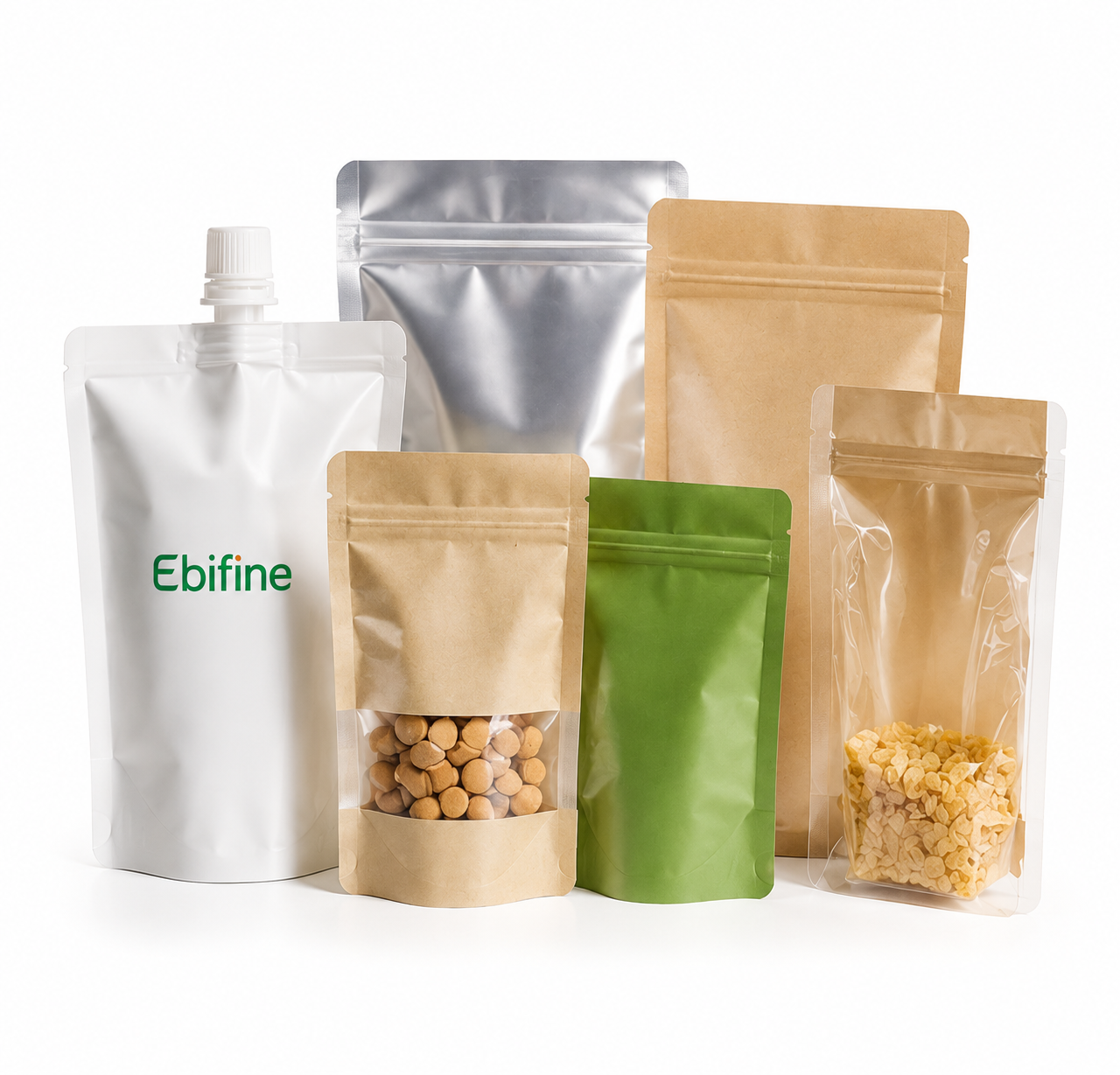
A plastic bag is a blank canvas. For heavy-duty applications, you must specify bottom gussets (which allow the bag to stand upright and hold bulky items like shoeboxes). For premium garment protection, transitioning to custom zipper bags with sliding mechanisms drastically increases the perceived value of the unboxing experience.
6. Environmental Compliance is Mandatory
The regulatory landscape is aggressive. You must ensure your wholesale bags comply with heavy metal restrictions (RoHS/REACH). If your local legislation bans single-use plastics entirely, your manufacturer must have the capability to pivot your supply chain toward a reusable shopping bag supplier utilizing woven PP or PET materials.
7. Lead Times and Ocean Freight Realities
Custom manufacturing is not Amazon Prime. From the moment you approve the digital proof, factory production takes 15 to 20 days. Ocean freight from Asia to North America or Europe takes an additional 30 to 45 days. You must build a 60-day procurement buffer into your inventory management software.
8. The Difference Between Post-Print and In-Line Print
If you buy 1,000 bags from a local printer, they are “post-printing”—stamping ink onto a finished bag. This results in cracking, peeling, and an inability to print near the edges. Wholesale manufacturing utilizes “in-line printing,” where the plastic film is printed while perfectly flat before the bag is constructed, guaranteeing flawless graphic fidelity.
9. Diversification into Paper Alternatives
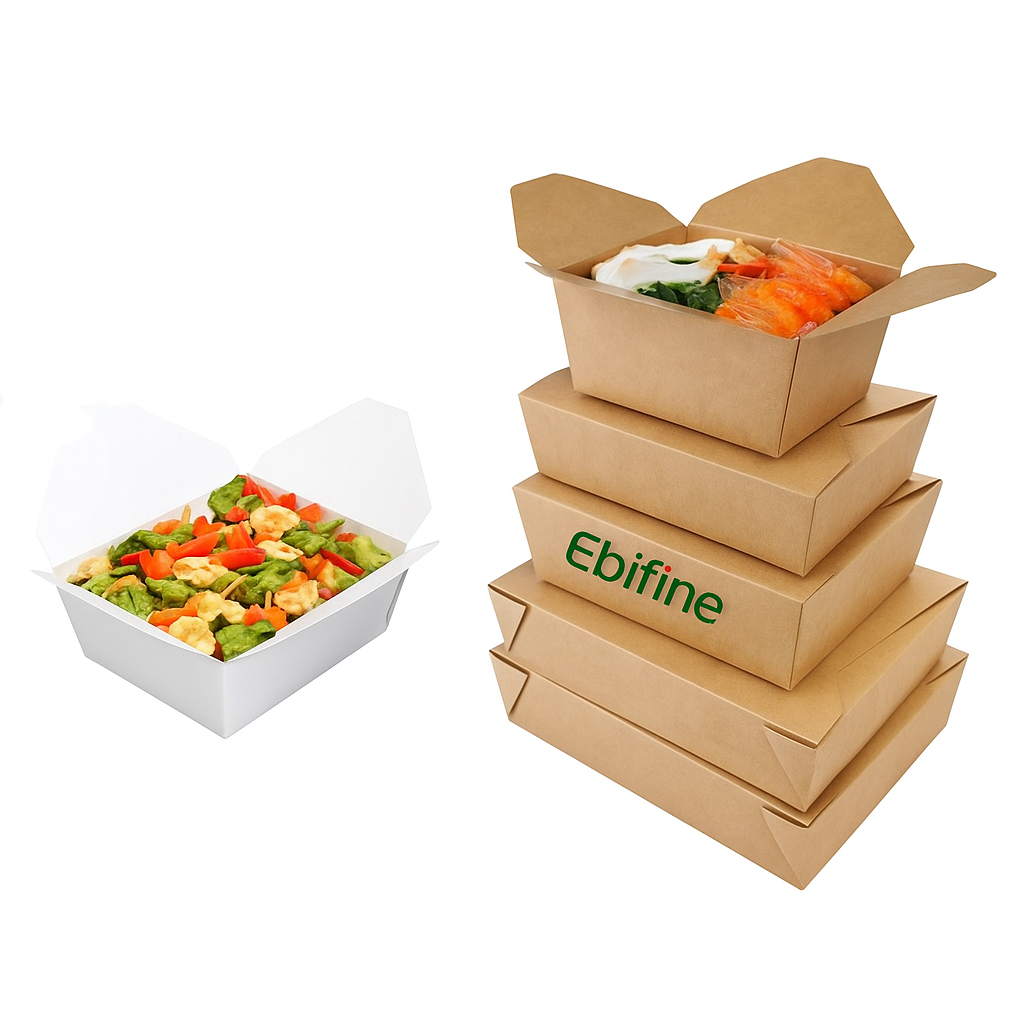
A robust packaging strategy cannot rely solely on plastic. Hospitality, high-end cosmetics, and specialized food service sectors increasingly demand premium paper solutions. Partnering with a manufacturer who also operates as a paper packaging supplier allows you to consolidate your supply chain across multiple substrates.
Commercial Benefits of Going Direct
The primary benefit of Custom Plastic Bags Wholesale is extreme cost efficiency. By bypassing the domestic distributor, your Cost-Per-Pack (CPP) drops radically. A custom printed mailer that costs $0.45 from a local catalog company can easily be sourced direct from the factory for $0.12. When you scale to 50,000 orders a year, that margin difference funds a new employee. Furthermore, owning your bespoke packaging design prevents your brand from looking like a generic dropshipping operation.
Limitations and Hidden Risks
We must apply commercial and practical judgment: holding wholesale inventory requires physical space. Buying 50,000 custom die-cut handle bags means you must have dry, climate-controlled warehouse space to store pallets of packaging. If stored in extreme heat, the adhesive strips on poly mailers can degrade, and the plastic layers can fuse together. You must possess the logistical infrastructure to absorb volume.
Who Should Use Wholesale Manufacturing
For Commercial Users and High-Volume Retailers: E-commerce brands, brick-and-mortar clothing boutiques, medical device manufacturers, and industrial hardware suppliers must utilize direct wholesale channels. The volume you move justifies the upfront tooling costs and guarantees a consistent, branded customer experience.
Who Does Not Need It
For Beginners and Hobbyists: If you are launching an Etsy store and anticipate shipping 15 orders a month, do not contact an international OEM factory. You cannot meet the MOQs, and the ocean freight minimums will destroy your budget. You are the exact demographic that should utilize domestic brokers until your volume scales.
Common Procurement Mistakes
From our experience auditing supply chains, the most catastrophic mistake is ignoring opacity requirements for e-commerce poly mailers. If you manufacture a mailer using a single layer of white LDPE, the bag will be semi-transparent. Delivery drivers and thieves will be able to see the high-value electronics or branded apparel inside. You must specify a “co-extruded” film—white on the outside, black on the inside—to guarantee 100% opacity and security.
Expert Buying Considerations
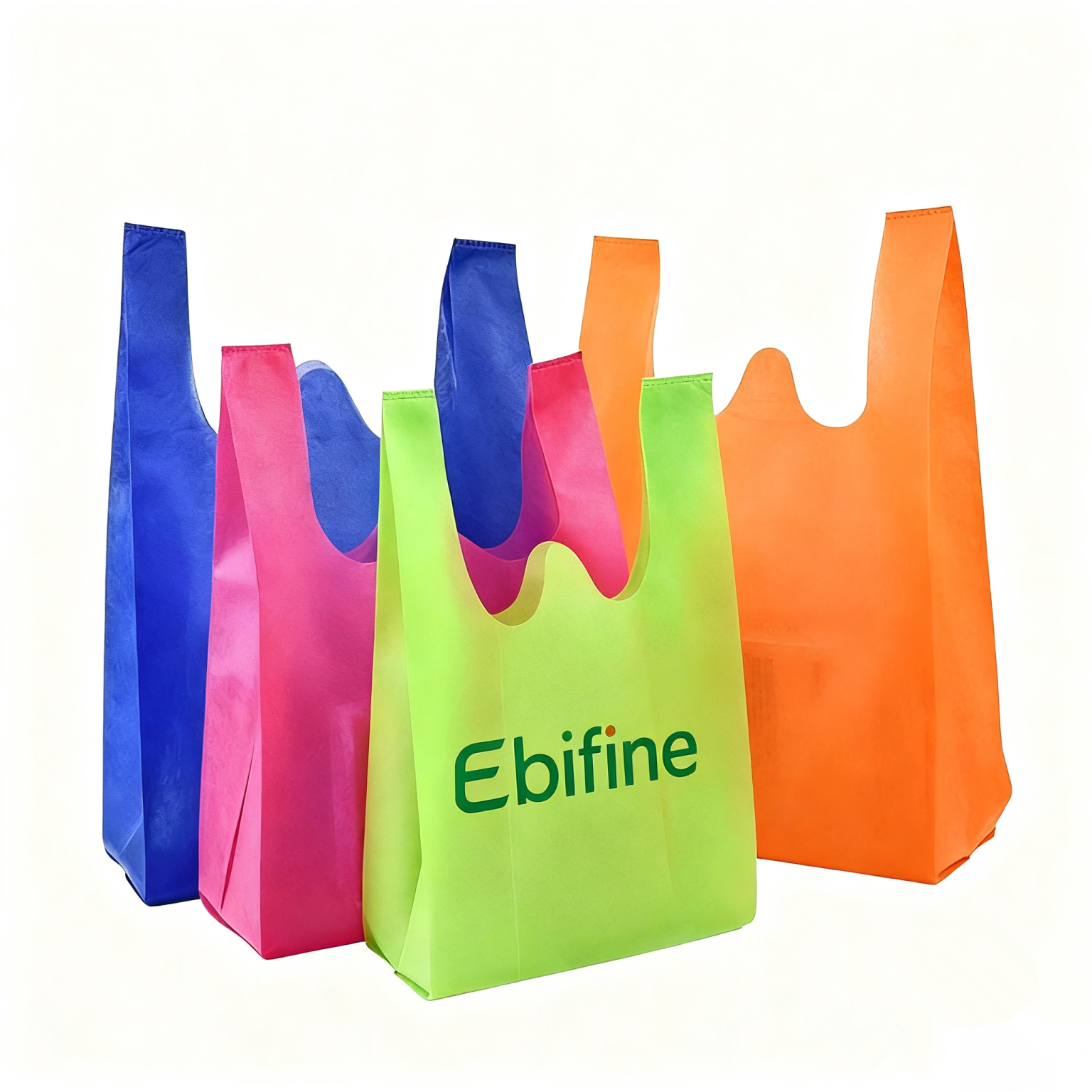
When selecting your manufacturing partner, evaluate their vertical integration. Can they handle complex multi-substrate orders? If legislation changes, can they pivot your inventory to non woven shopping bags without you having to vet an entirely new factory? A supplier’s ability to adapt to global compliance standards is just as critical as their price per unit.
Summary and Comparison Tables
Quick Summary Table: Wholesale Custom Bag Attributes
| Packaging Attribute | Wholesale Direct OEM | Domestic Broker / Blanks |
|---|---|---|
| Unit Cost | Extremely Low (Pennies per unit) | High (Includes heavy markup) |
| Print Quality | Photographic (Rotogravure in-line) | Basic (Post-print silk screen) |
| Material Control | Absolute (Custom gauge, color, opacity) | Zero (You buy what is in stock) |
| Minimum Order (MOQ) | 10,000+ Units | 100 – 500 Units |
Comparison Table: Polymer Material Selection
| Material Type | Aesthetic / Texture | Best Commercial Use Case |
|---|---|---|
| LDPE (Low-Density) | Glossy, smooth, high stretch | Boutique apparel, standard poly mailers |
| HDPE (High-Density) | Matte, crinkly, stiff | Heavy grocery, hardware, T-shirt bags |
| CPE (Chlorinated) | Frosted, soft-touch, luxurious | Premium electronics, cosmetics, inner garments |
Pros and Cons of Custom Plastic Bags Wholesale
| Pros (Why you must upgrade) | Cons (The operational reality) |
|---|---|
| Drastically lowers the Cost-Per-Pack (CPP). | Requires significant upfront capital for printing plates. |
| Allows for 100% custom structural engineering (gussets/zips). | Ocean freight lead times require meticulous inventory forecasting. |
| Edge-to-edge printing creates a premium retail unboxing experience. | Requires dedicated warehouse space to store palletized inventory. |
| Ensures consistent quality control directly from the raw material stage. | Strict MOQs make rapid, small-batch seasonal redesigns difficult. |
Expert Recommendation & Integrated Solutions
Is taking control of your supply chain and ordering Custom Plastic Bags Wholesale actually worth the logistical effort? Emphatically, yes. Packaging is the only marketing material that has a 100% open rate with your customer. We recommend that commercial brands stop funding the overhead of domestic brokers and integrate directly with a primary manufacturer like Ebifine to secure enterprise-grade packaging economics.
Furthermore, as brand portfolios expand into hospitality, corporate gifting, and luxury retail, plastic alone is rarely sufficient. Partnering with a factory that can seamlessly deliver paper packaging solutions ensures absolute brand consistency across all consumer touchpoints.
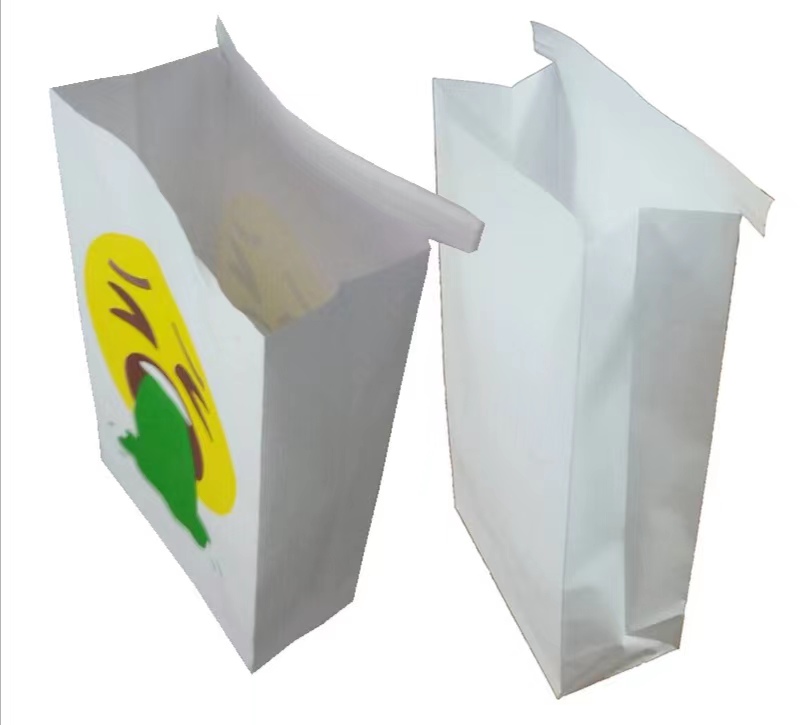
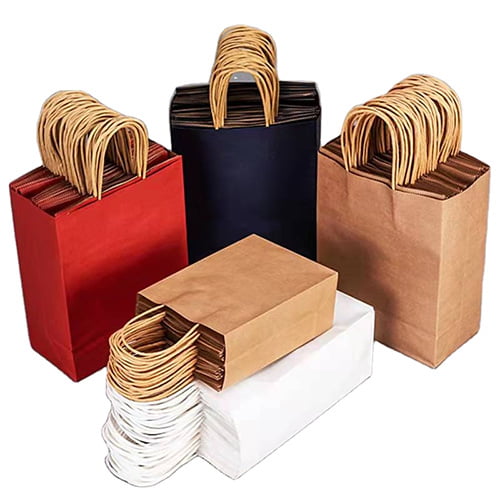
If your operations require rigorous brand continuity, ensuring your custom paper bags with logo match the Pantone accuracy of your plastic poly mailers is a capability only a fully integrated manufacturer can guarantee.
Frequently Asked Questions
What is the minimum order quantity for Custom Plastic Bags Wholesale?
For true custom extrusion and rotogravure printing directly from a manufacturer, MOQs typically start at 10,000 units. Purchasing lower volumes usually means buying pre-made blanks from a domestic broker and stamping a basic logo on them, which severely limits structural customization and drastically inflates the unit cost.
Which plastic material is best for high-end retail packaging?
In most professional situations, we recommend CPE (Chlorinated Polyethylene) or high-gauge LDPE (Low-Density Polyethylene) for high-end retail and inner garment packaging. These materials provide a frosted, luxurious soft-touch finish and excellent structural durability that protects the garment while elevating the perceived value.
Are custom plastic bags recyclable?
Yes. LDPE (Resin Identification Code #4) and HDPE (Resin Identification Code #2) are highly recyclable materials. However, they generally must be deposited at dedicated film recycling drop-offs (often found at major grocery chains), as flexible films can jam the sorting machinery used in standard curbside single-stream recycling programs.
What is a printing plate fee?
In wholesale rotogravure or flexographic printing, the factory must mill a physical copper or photopolymer cylinder to stamp your design onto the plastic. You are charged a one-time setup fee for these plates (usually per color). Once milled, the factory stores them for all your future reorders, eliminating the fee on subsequent runs.
Industry References & Authoritative Guidelines
To ensure our packaging and manufacturing guidance meets strict global supply chain and environmental standards, Ebifine references the protocols established by the following authoritative organizations:
- ASTM International: The global standards organization that develops and publishes the rigorous consensus technical standards (such as ASTM D882) for testing the tensile properties, tear resistance, and thickness of thin plastic sheeting. Review ASTM Plastic Film Standards
- Environmental Protection Agency (EPA): Federal agency providing guidelines on sustainable materials management, the recyclability of polyethylene film, and strategies for reducing packaging waste in commercial supply chains. Review EPA Sustainable Materials Management
- International Organization for Standardization (ISO): The definitive global authority defining ISO 9001 quality management systems, ensuring that packaging manufacturing facilities maintain strict quality control, hygiene, and traceability protocols. Review ISO Manufacturing Standards