

Quick Answer: How a Metal Tin Packaging Supplier Unlocks Custom Packaging Success
A qualified metal tin packaging supplier acts as an engineering partner across seven technical operational pillars: (1) Tooling die adaptation and structural engineering (optimizing existing dies to avoid multi-thousand-dollar tooling charges); (2) High-precision metal lithography and specialty tactile coating (curing spot matte, metallic sheen, and crackle varnishes on tinplate); (3) 3D sculpted embossing and debossing registration for multi-dimensional branding; (4) Internal barrier lacquer customization (applying BPA-NI and food-grade linings for moisture and acid protection); (5) Closure and seal mechanism design (engineering hermetic silicone gaskets, seamless drawn bases, or hinged lids); (6) Multi-material secondary inserts (integrating molded pulp, tin dividers, and custom fitments); and (7) Agile scaling from low-MOQ pilot production to mass automated stamping. Choosing the right metal tin packaging supplier protects gross margins and prevents costly line-stoppage errors.
Article Directory
- Tinplate Metallurgy & Custom Forming: How Metal Packaging Works
- Quick Summary: The 7 Supplier Support Pillars at a Glance
- 7 Ways a Metal Tin Packaging Supplier Elevates Custom Projects
- Featured Manufacturer Spotlight: Ebifine Custom Metal Lunch Box
- Direct Technical Comparison: Metal Tinplate vs. Rigid Paper vs. Plastic Packaging
- Pros and Cons: Investing in Custom Metal Tinplate Packaging
- Who Needs a Metal Tin Packaging Supplier vs. Who Should Stick to Paper
- Costly Sourcing Mistakes Brand Buyers Make with Metal Packaging
- Essential Sourcing Checklist: Tin Temper, Printing Proofs, and Lacquers
- Expert Engineering and Procurement Verdict
- Frequently Asked Questions
- Authoritative References & Regulatory Standards
Tinplate Metallurgy & Custom Forming: How Metal Packaging Works
Custom metal packaging relies on electroplated tinplate (ETP) or tin-free steel (TFS). Tinplate consists of a low-carbon steel sheet cold-rolled down to precise gauges (typically 0.20 mm to 0.35 mm for consumer goods) and coated on both sides with a microscopic layer of metallic tin through continuous electrolytic deposition. The low-carbon steel core delivers rigid mechanical yield strength and formability, while the outer tin layer provides crucial corrosion resistance and an optimal substrate for printing inks.
The manufacturing process follows two structural methodologies depending on target product volume and physical geometry:
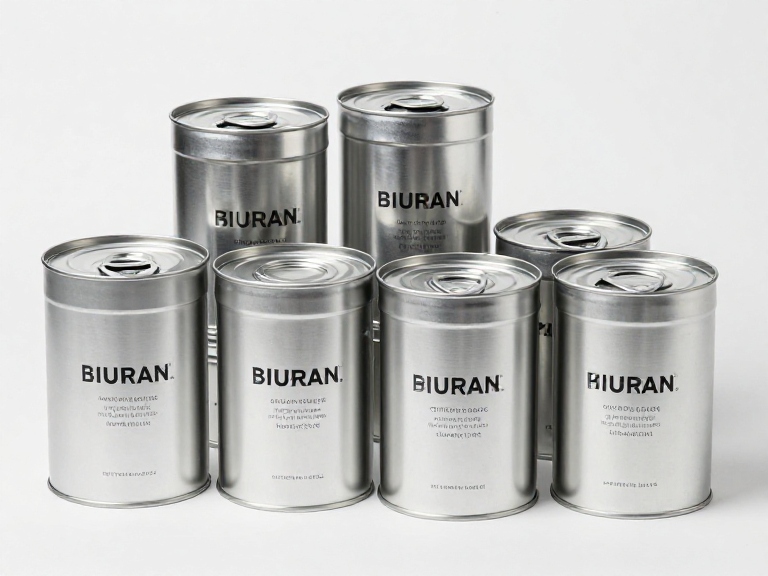
- Seamless Deep-Drawn Tins (Two-Piece Construction): A flat circular sheet metal blank is drawn into a female die cavity by a mechanical punch in a single press stroke. Because there is no welded vertical seam or separate bottom crimp, the container is seamless and liquid-tight. This format is the industrial standard for wax shoe polishes, solid cosmetic balms, and travel candles.
- Fabricated Tins (Three-Piece Construction): Utilized for larger volumes, tea containers, confectionery tins, and handled boxes. The flat sheet is printed in full sheets, slit into body blanks, formed into a cylindrical or rectangular tube, locked along a vertical mechanical seam, and mechanically interlocked (double-seamed or curled) onto a separate stamped bottom panel. A separate lid completes the enclosure.
From our experience on automated stamping lines, sheet metal cannot be stretched or folded without careful planning around metal temper, grain direction, and coating elongation limits. If your graphic designer places deep embossing across a sharp 90-degree corner or specifies full ink coverage over an aggressive metal curl, the metal will split or the varnish will flake. A capable metal tin packaging supplier reviews your design files before tool steel is ever cut, adjusting radii and clearances to ensure successful commercial production runs.
Quick Summary: The 7 Supplier Support Pillars at a Glance
| Support Pillar | Engineering / Service Action | Measured Technical Metric | Operational Failure Prevented | Commercial Value Delivered |
|---|---|---|---|---|
| 1. Tooling Die Engineering | Modifying existing tool libraries vs. full custom tool builds | Saves $3,000 to $8,000 in custom tooling charges | Excessive upfront capital expenditure for new shapes | Bespoke heights and forms at near-stock pricing |
| 2. Metal Lithography | Offset CMYK + spot Pantone on tinplate sheets | Scratch resistance rating 4H+ with UV oven curing | Ink flaking during secondary metal curling and stamping | High-definition, scratch-proof retail branding |
| 3. Sculpted Embossing | Single-level, multi-level, and 3D registered debossing | Depth tolerances within 0.15 mm to 0.40 mm | Metal tearing and misregistered artwork shifts | Immediate tactile differentiation on retail shelves |
| 4. Food-Grade Lacquering | Application of gold epoxy, organosol, and BPA-NI linings | Zero chemical migration per FDA 21 CFR 175.300 | Internal rust, oxidation, and flavor contamination | Compliance for teas, coffees, and confections |
| 5. Closure Engineering | Slip, step, hinged, screw-top, and gasket seals | Retention friction fits within 0.05 mm tolerance | Loose lids falling off; air ingress drying contents | Preserves product freshness and premium haptics |
| 6. Multi-Material Inserts | Integration of EVA, tin dividers, and molded pulp | Drop test survival from 1.2 meters per ISTA 1A | Internal component rattling and glass breakage | Turnkey packaging ready for immediate retail fulfillment |
| 7. Agile Scale & Prototyping | Physical sheet metal sampling to high-speed lines | MOQs from 100 units up to 100,000+ pieces | Mass production color shifts and design surprises | Low-risk product validation and reliable fulfillment |
7 Ways a Metal Tin Packaging Supplier Elevates Custom Projects
1. Tooling Die Adaptation and Cost-Saving Structural Engineering
The single largest barrier to launching custom tin packaging is the cost of custom stamping tooling. Building a completely new multi-stage progressive stamping die set for an irregular tin can cost anywhere from $4,000 to over $12,000, accompanied by a 6- to 8-week tooling lead time. In most professional situations, we recommend asking a prospective metal tin packaging supplier to audit their existing tooling catalog before commissioning a full custom build.
A premier manufacturer maintains thousands of existing base dies for round, square, rectangular, and oval profiles. Because the overall height of a three-piece tin is determined by where the body blank is cut, an experienced supplier can often alter container height, modify corner curl profiles, or add custom beadings along the body walls without charging for a new base stamping die. This technical flexibility gives your brand a bespoke physical footprint while saving thousands in capital expenditure.
2. Advanced Metal Lithography, CMYK Printing, and Specialty Finishes
Printing on tinplate is fundamentally different from running paper or corrugated stock. Paper absorbs liquid carrier solvents; non-porous metal absorbs nothing. Inks must be laid down on flat tinplate sheets using high-speed offset metal lithography presses, followed by thermal or high-intensity ultraviolet (UV) oven curing to cross-link the resin binders before stamping.
An expert metal tin packaging supplier understands how to manage ink opacity over bare metal. By laying down a selective white base coat (white coating), specific brand graphics appear crisp and opaque, while leaving other zones bare allows the metallic silver sheen of the tinplate to shine through transparent colored inks. Advanced suppliers can also apply registered combination varnishes—pairing a velvety soft-touch matte finish across the background with a high-gloss spot varnish on logos, or deploying vintage crackle varnishes that cannot be replicated on basic kraft paper packaging.
3. Multi-Level Embossing and Debossing for Tactile Brand Presence
In a crowded retail aisle, visual design captures attention, but physical haptics closes the sale. When a shopper picks up an embossed metal container, the dimensional texture creates an impression of high quality. However, executing sharp embossing on metal requires precise mechanical tolerances.
A knowledgeable supplier matches your vector artwork to male and female CNC-machined steel embossing blocks. In our testing, the depth of the emboss must be calibrated against the thickness and temper of the tinplate. If the strike is too aggressive, the tinplate thins and fractures along outer lines; if the strike is too shallow, the relief looks soft and undefined. Professional suppliers execute multi-level 3D sculpted embossing that aligns with lithographic printing within fractions of a millimeter, creating an elevated feel that standard paper labels cannot match.
4. Internal Barrier Lacquers and Food-Grade Regulatory Compliance
If your custom tin holds dry tea leaves, freshly roasted coffee, cosmetics, or baked goods, raw tinplate alone is often insufficient. Humidity, fatty acids, and natural food salts will slowly oxidize unprotected metal, leading to interior rust spots and off-flavors. One of the most important roles of a metal tin packaging supplier is engineering the internal barrier layer.
Suppliers apply specialized liquid coatings to raw metal sheets prior to stamping:
- Clear or Gold Epoxy Phenolic Lacquer: The traditional industry standard, offering high chemical resistance against oils, mild acids, and atmospheric moisture.
- BPA-NI (BPA Non-Intent) Linings: Essential for modern food brands, guaranteeing compliance with strict California Proposition 65 and European Union chemical regulations.
- Organosol Coatings: High-molecular-weight vinyl dispersions that provide exceptional flexibility, ensuring the protective barrier remains intact without micro-cracking even during deep-drawn metal deformation.
Aligning internal coatings with dedicated food packaging solutions ensures your brand passes heavy metal migration assays and retains full food-contact safety compliance.
5. Functional Closure Engineering and Environmental Sealing
How a lid opens, stays seated, and reseals dictates the end-user experience. A lid that requires two hands to pull off or rattles loosely during shipping damages brand perception. A qualified metal tin packaging supplier engineers the physical friction points of your closure based on product requirements:
- Slip Lids: The standard lid fits smoothly over a rolled body curl, relying on tight manufacturing tolerances to maintain a clean sliding fit.
- Step / Flush Lids: The body of the tin features an inward necked-in step, allowing the lid to sit completely flush with the container body for a modern aesthetic.
- Hinged Closures: Utilizing rolled metal pin hinges to create a permanent, attached lid that cannot be lost—ideal for mints, confectionery, and travel kits.
- Hermetic Gaskets: For hygroscopic goods like premium whole-leaf teas, suppliers integrate food-grade silicone, foam, or Plastisol liner rings inside the lid curl to block oxygen and moisture ingress.
For sensitive botanicals, pairing your custom tin with specialized tea tin packaging or secondary barrier stand up pouches creates an effective multi-barrier packaging system.
6. Multi-Material Secondary Packaging and Custom Interior Fitments
A custom container should never feel hollow or unorganized. When creating luxury gift packaging, beauty product kits, or premium electronics cases, a metal shell must be paired with protective internal fitments. An established metal tin packaging supplier does not stop at stamping tinplate; they provide complete turnkey interior integration.
Suppliers design custom thermoformed trays, high-density cut EVA foam with velvet top-flocking, recycled molded paper pulp cavities, or fabricated tinplate divider walls. Integrating these inserts ensures glass dropper bottles, perfumes, or delicate pens survive transit without shifting. For gift and retail bundles, pairing custom tins with branded reusable shopping bag supplier solutions creates a cohesive, premium unboxing presentation.
7. Flexible Scaling: From Low-MOQ Pilot Launches to High-Volume Automation
Historically, metal packaging demanded high order minimums. Traditional automated lithography printing lines run thousands of large sheets per hour, forcing brands to commit to 20,000 to 50,000 units per run. For an emerging brand or seasonal collection, that inventory commitment ties up critical cash flow.
Modern suppliers solve this bottleneck through hybrid production lines. By combining digital metal proofing systems with modular semi-automated assembly, flexible manufacturers support low-MOQ pilot runs down to 100 to 1,000 units for standard formats, before scaling up to fully automated high-speed stamping for container-load volumes. This agility lets brands validate market demand without carrying excess warehouse inventory.
Manufacturer Spotlight: Ebifine Custom Metal Lunch Box with Handle
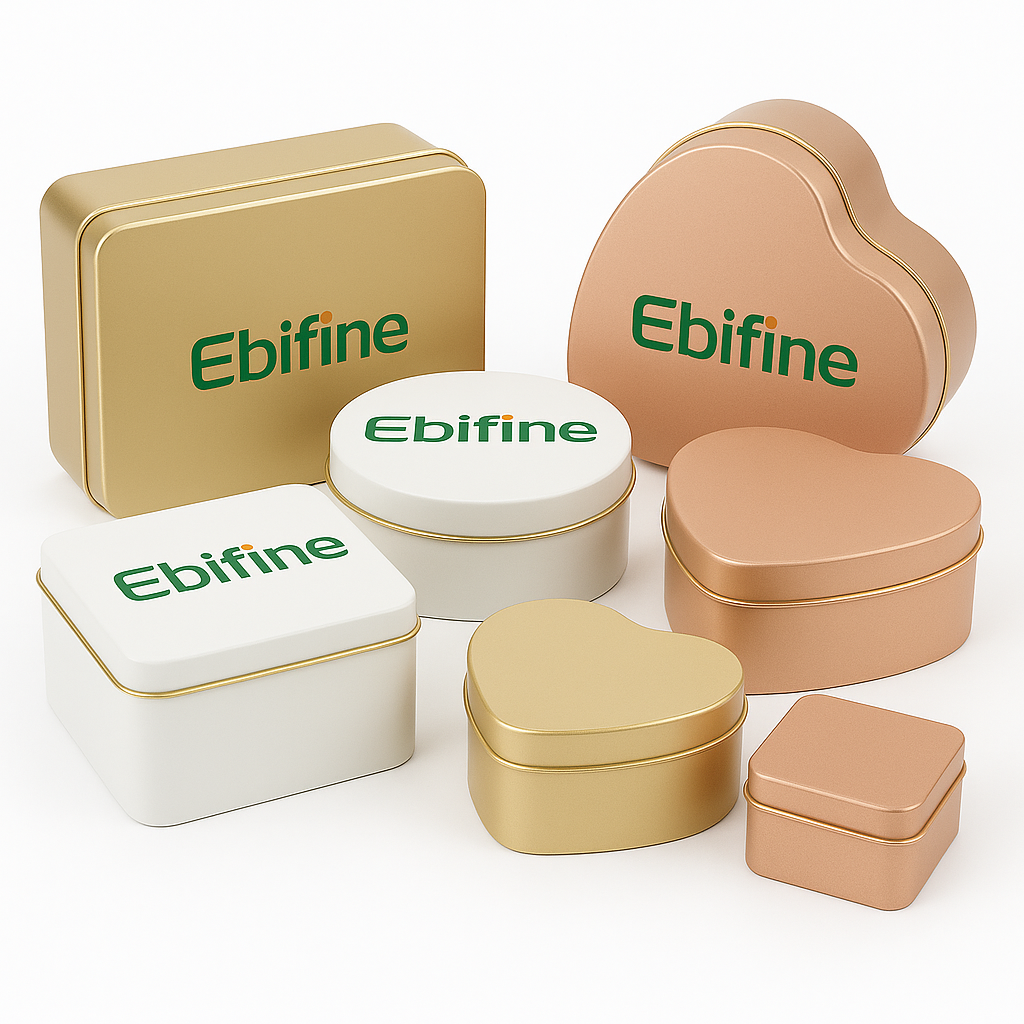
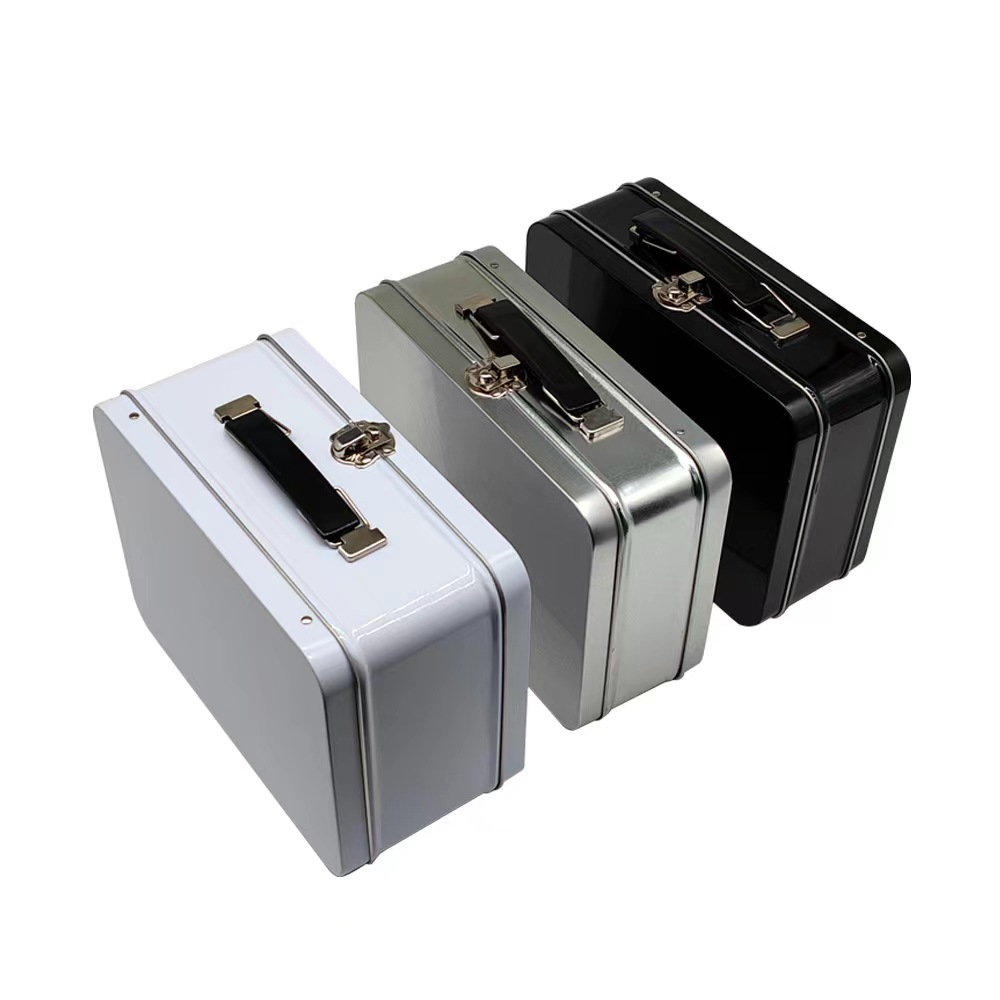
When selecting a manufacturing partner that combines structural tinplate engineering with accessible production minimums, Ebifine stands out as an established industrial provider. Their durable, food-safe tinplate lunch box platform showcases their technical metal-forming and finishing capabilities.
| Base Material | High-grade, recyclable electrolytic tinplate (ETP) |
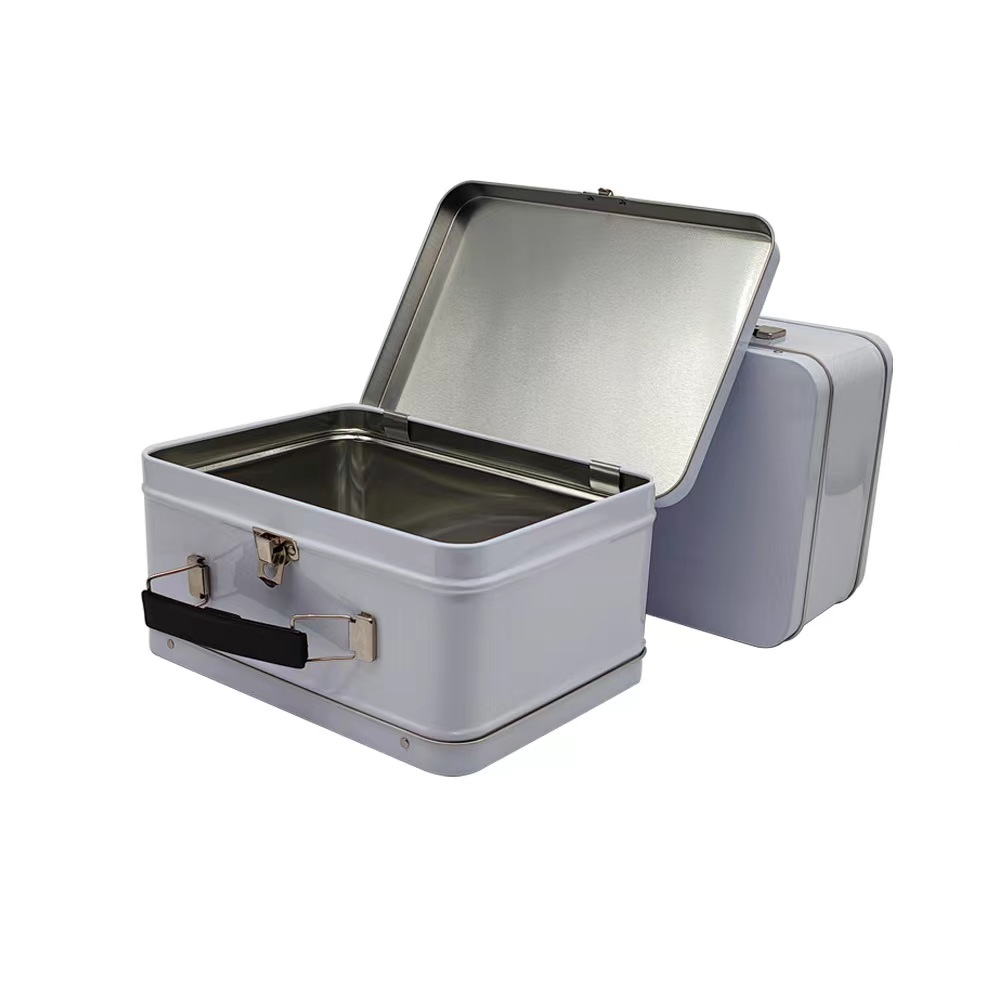
| Structural Architecture | Three-piece hinged lid box with secure mechanical latch and metal/plastic handle |
| Customization Scope | Full-color offset CMYK printing, spot PMS, embossing, debossing, gloss/matte varnishes |
| Production Flexibility | Accessible MOQ starting at just 100 units; fast 15-to-20-day production lead time |
| Target Applications | Dry food storage, specialty gift sets, seasonal confectionery, retail merchandise |
Procurement Verdict: Review the complete Metal Lunch Box With Handle specifications to see how flexible tooling and rapid turnarounds streamline custom retail launches.
Direct Technical Comparison: Metal Tinplate vs. Rigid Paper vs. Plastic Packaging
| Evaluation Parameter | Custom Metal Tinplate | Rigid Paperboard Gift Boxes | Rigid Molded Plastic Containers |
|---|---|---|---|
| Crush & Impact Resistance | High; rigid steel core resists drop impacts | Moderate; corners crush under transit compression | Moderate to High; can crack under brittle impact |
| Light & UV Barrier Protection | 100% Total Barrier (Zero light transmission) | High, but vulnerable to edge moisture absorption | Poor to Moderate (Requires dark pigment loads) |
| Consumer Reuse & Keepsake Rate | Very High; consumers rarely discard quality tins | Low to Moderate; typically discarded after opening | Low; strongly associated with disposable waste |
| Circular Recyclability | Infinitely recyclable without material loss | Recyclable, but degraded by inks, glues, and foils | Low actual recycling rates; degrades across cycles |
| Initial Tooling Investment | Moderate to High for custom dies | Low; paper cutting dies are inexpensive | High; injection molds run $5,000 to $25,000+ |
| Unit Cost (Medium Run) | Moderate ($0.80 to $2.50 depending on size) | Moderate ($0.90 to $3.00 for rigid setups) | Low to Moderate ($0.40 to $1.80) |
Pros and Cons: Investing in Custom Metal Tinplate Packaging
| Packaging Strategy | Commercial & Technical Advantages | Operational Limitations & Risks |
|---|---|---|
| Custom Metal Tin Packaging (Tinplate / Steel) |
|
|
| Standard Flexible or Paper Packaging (Pouches, Cartons, Poly Bags) |
|
|
Who Needs a Metal Tin Packaging Supplier vs. Who Should Stick to Paper
Every packaging dollar should match your product margins, sales channel requirements, and customer expectations. Investing in metal packaging is an effective commercial lever, but it is not the right fit for every category.
Who Must Partner with a Metal Tin Packaging Supplier:
- Premium Tea, Coffee, and Botanical Brands: Volatile aromatic oils and tea leaves degrade rapidly when exposed to ambient light, oxygen, and moisture. Custom metal tins preserve aroma, block light completely, and provide an attractive container for the kitchen counter.
- Confectionery, Biscuit, and Gourmet Food Producers: Specialty cookies, mints, and holiday chocolates sell on gift appeal. A custom-embossed tin turns edible treats into seasonal keepsakes, supporting premium retail margins.
- Cosmetic, Grooming, and Solid Fragrance Houses: Solid colognes, beard balms, and luxury soaps benefit from the clean, durable feel of seamless tins, which fit easily in pockets or travel kits without leaking.
- High-End Promotional and Corporate Gift Marketers: Limited-edition game releases, VIP event passes, and collector sets require packaging that feels permanent. An embossed, hinged metal case delivers an unboxing experience that paper cartons cannot match.
Who Should Choose Flexible Bags or Paper Cartons:
- Ultra-Low-Cost Commodity Goods: If your product retails for under $3.00, the unit cost and freight weight of a tin container will compress your margins. Budget lines are better served by simple reusable non woven grocery bags or plain pouches.
- High-Moisture Acidic Fresh Foods: Fresh cut produce, wet meats, and liquid beverages require barrier pouches, glass jars, or hermetically sealed sanitary cans. Openable consumer slip-cover tins are designed for dry or oil-based goods, not water-based wet foods.
- Short-Lifespan Single-Use Items: Fast-moving disposable items do not need permanent keepsake packaging. Standard corrugated boxes or frosted drawstring bags provide practical, cost-effective alternatives.
Costly Sourcing Mistakes Brand Buyers Make with Metal Packaging
Factory Floor Warning: The costliest mistake brands make is approving 2D artwork on a white computer monitor without requesting a printed metal production proof. Inks reflect light differently on shiny tinplate than on paper. Without an opaque white base coat, your vibrant brand colors will look translucent and washed out over raw metal.
- Ignoring Tinplate Thickness and Temper Specifications: Specifying 0.21 mm tinplate on a large 8-inch box to shave a few cents off unit costs results in weak, easily dented side walls. Large rectangular containers demand thicker 0.25 mm to 0.28 mm tinplate with the correct temper (TH or T3) to maintain straight, rigid walls under transit pressure.
- Placing Raised Embossing Across Sharp Panel Corners: Graphic designers often wrap raised embossing too close to stamped corner radii. During the mechanical pressing stroke, the metal stretches along the corner, tearing the tinplate or cracking the ink varnish. Keep detailed embossing at least 3 mm to 5 mm away from all seams and rolled edges.
- Failing to Verify Internal Lacquer Chemistry: Sourcing tins with plain, unlacquered interiors for products containing salt, natural acids, or moisture causes internal rust spotting within months. Always request a clear or gold food-grade lacquer and confirm chemical compatibility with pre-production samples.
- Forgetting Sea Freight Condensation Risks: Steel tins shipped via ocean freight pass through changing humidity zones. If the factory packs warm tins into cardboard cartons without desiccants or wraps containers in non-breathable plastic film, moisture condenses inside the container, arriving with surface rust. Work with suppliers that use protective carton liners and moisture-absorbing silica packs.
Essential Sourcing Checklist: Tin Temper, Printing Proofs, and Lacquers
Before issuing a formal Purchase Order or transferring a tooling deposit to any packaging factory, review these four core technical specifications with your team:
1. Raw Material Grade and Gauge Tolerance
Demand clear documentation on tinplate provenance. Confirm whether your containers will be stamped from prime electrolytic tinplate (ETP) or cheaper secondary stock. Ensure the metal gauge (e.g., 0.23 mm ± 0.01 mm) matches your structural requirements and verify that tin coating weights (e.g., 2.8/2.8 g/m²) provide adequate rust protection.
2. Pre-Production Metal Sheet Proofing (Flat Metal Proofs)
Never approve mass production based on a digital PDF. Require your supplier to provide a physical flat metal proof run on the actual production tinplate and cured through standard thermal ovens. This confirms color accuracy, verifies ink adhesion over base coats, and lets you evaluate metallic spot finishes under real lighting.
3. Food-Grade and Environmental Regulatory Certifications
If your packaging touches food, cosmetics, or wellness products, ensure the supplier provides written test reports verifying compliance with FDA 21 CFR 175.300 and EU Regulation (EC) No 1935/2004. Confirm that all interior lacquers and printing inks are free of lead, phthalates, and heavy metal contaminants.
4. Secondary Labeling and Packaging Integration
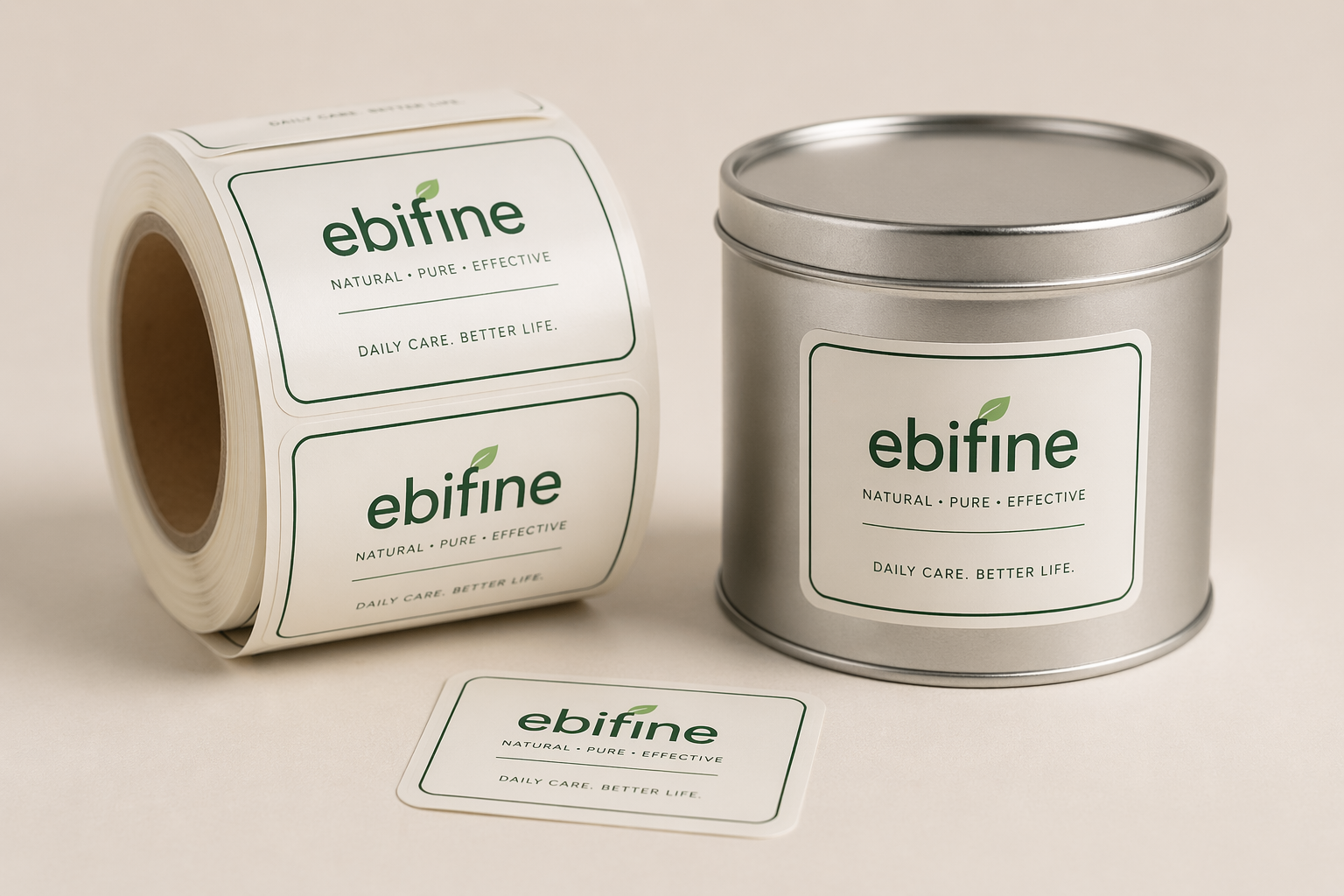
Determine how your tins will be labeled for retail sale. Will graphics be litho-printed directly onto the metal, or will you use a custom plain tin paired with pressure-sensitive roll labels for regional SKUs? If your distribution includes e-commerce fulfillment, verify that master cartons use double-wall corrugated board and protective tissue dividers to prevent scuffing in transit.
Expert Engineering and Procurement Verdict
In our professional assessment, if your product retails in competitive lifestyle, gourmet food, cosmetic, or specialty gift categories, upgrading from disposable paperboard to custom metal tin packaging is one of the most effective investments you can make in brand perception. Consumers keep well-designed metal tins in their homes for years, turning your packaging into a lasting brand touchpoint.
Success comes down to treating your metal tin packaging supplier as a technical engineering partner rather than a simple print vendor. Involve them early in your design process to review tooling die catalogs, optimize corner radii, verify interior barrier lacquers, and test lid tolerances. By leveraging existing tooling libraries and choosing reliable manufacturers like Ebifine, you can produce distinctive custom packaging that protects your product, satisfies regulatory standards, and strengthens your brand’s presence on retail shelves.
Frequently Asked Questions
An experienced metal tin packaging supplier maintains an existing library of standard tooling dies. By modifying body height trimming dies or adjusting curling stations on existing round, rectangular, or irregular base dies, brands can create bespoke packaging without investing $3,000 to $8,000 into full custom blanking and stamping tooling sets.
For fully custom offset lithographic printing, industry MOQs traditionally hover between 3,000 and 5,000 units due to the sheet metal printing press setup. However, flexible manufacturers like Ebifine support agile brand launches with structural stock configurations starting at low MOQs down to 100 pieces for specialized promotional designs.
Yes, provided the supplier applies certified food-grade interior lacquers such as clear epoxy phenolic, organosol, or modern BPA-NI (BPA non-intent) coatings. These protective internal varnishes prevent acid, salt, or moisture corrosion from reacting with the tinplate substrate, ensuring strict compliance with FDA and EU food contact regulations.
Seamless deep-drawn tins are pressed from a single piece of tinplate without side or bottom seams, making them leak-proof for oil-based balms, candles, and wet salves. Three-piece tins consist of a rolled body with a locked side seam, a mechanically seamed bottom end, and a separate lid, which allows for larger volumes, hinged closures, and taller vertical profiles.
Authoritative References & Regulatory Standards
- ASTM International: ASTM A623 Standard Specification for Tin Mill Products, General Requirements
- U.S. Food and Drug Administration (FDA): 21 CFR 175.300 Resinous and Polymeric Coatings for Food Contact Surfaces
- Metal Packaging Europe (MPE): Technical Specifications and Circular Recycling Standards for Steel Packaging