
Quick Answer: The 7 Commercial Sourcing Non-Negotiables
When sourcing bulk plastic gift packaging from overseas converters or domestic wholesalers, base your purchasing decisions on seven measurable factors: (1) Polymer selection (BOPP/PP for glass-like optical clarity versus LDPE for puncture resistance and flexibility); (2) Film gauge (never dip below 50 microns / 2.0 mil for commercial gift applications); (3) Handle and weld architecture (reinforced die-cut patches, soft loop thermal bonds, or ultrasonic perimeter welds); (4) Ink adhesion and surface tension (insist on minimum 38 dyne/cm corona treatment to prevent ink flaking); (5) Gusset engineering (bottom or side expansion folds to prevent item crushing); (6) Regulatory compliance (heavy-metal-free pigments, Prop 65, and regional single-use gauge laws); and (7) Supplier production capabilities (cylinder setup costs, MOQ flexibility, and lead times). For luxury retail presentation, partner with integrated packaging specialists like Ebifine to balance low-MOQ flexibility with high-end surface finishes.
Article Directory
- Polymer Science: Choosing Between PP, LDPE, and HDPE
- Quick Summary: Sourcing Checklist at a Glance
- The 7 Critical Sourcing Considerations Analyzed
- Featured Supplier Spotlight: Ebifine Custom Gift Packaging
- Direct Technical Comparison: Material Performance Breakdown
- Pros and Cons: Bulk Plastic Gift Bags vs. Alternative Substrates
- Who Should Buy Plastic Gift Bags vs. Rigid Packaging
- Common Procurement Mistakes Importers Make
- B2B Sourcing: Evaluating Chinese Packaging Manufacturers
- Frequently Asked Questions
- Authoritative References & Technical Standards
Polymer Science: Choosing Between PP, LDPE, and HDPE
Plastic gift bags are not manufactured from a single universal resin. The mechanical behavior, clarity, and tactile feel of the finished product depend entirely on the polymer chain arrangement and extrusion method:
- Polypropylene (PP and BOPP): Biaxially Oriented Polypropylene is the gold standard for high-clarity gift retail. Stretching the polymer film in both machine and transverse directions produces exceptional tensile strength, a glassy sheen, and moisture resistance. It crinkles pleasantly and stands upright on flat counters, making it ideal for jewelry, gourmet confectioneries, and high-end cosmetics.
- Low-Density Polyethylene (LDPE): Featuring a highly branched molecular structure, LDPE produces a softer, flexible bag with remarkable puncture resistance. While it has a slightly milky or translucent finish compared to BOPP, it will not tear easily when packed with sharp box corners or hard gift items.
- High-Density Polyethylene (HDPE): Formulated with linear, tightly packed polymer chains, HDPE offers high tensile strength at light gauges. However, its crinkly texture and cloudy opacity give it a grocery-store look that rarely belongs in luxury retail gift presentation.
From our experience on production floors, confusing LDPE with PP during the quotation stage is a classic mistake. If your retail brand demands an upscale aesthetic, choosing an unoriented polyethylene bag will feel too utilitarian for customers. Match the resin specifically to your presentation goals.
Quick Summary: Sourcing Checklist at a Glance
| Evaluation Factor | Standard Specification | Commercial Metric / Threshold | Operational Failure Prevented | Procurement Verdict |
|---|---|---|---|---|
| 1. Polymer Resin | Virgin Cast PP / BOPP or Virgin LDPE | 100% virgin resin; 0% unverified regrind | Off-gassing odors, chalky haze, micro-pinholes | Non-negotiable for retail luxury |
| 2. Film Gauge | 50 to 80 microns (2.0 to 3.15 mil) | Micrometer tested across 5 sample points | Bag puncture, handle stretching under load | Avoid sub-40 micron films |
| 3. Handle Engineering | Fused Soft Loop or Patch-Reinforced Die-Cut | Tensile weld capacity > 8 kg pull force | Handle detachment on the customer’s walk home | Patch reinforcement is mandatory |
| 4. Surface Corona & Ink | Corona-treated film with polyamide inks | Surface energy > 38 to 42 dyne/cm | Ink flaking, smearing, and scuff marks | Demand dyne test certification |
| 5. Gusset & Base Build | Expanding Bottom or Deep Side Gusset | Fold width proportional to item depth | Crushed product boxes, unstable display base | Bottom gusset preferred for gift boxes |
| 6. Environmental Law | Multi-use certified or PCR compliant | Adheres to regional thickness minimums | Import customs seizures, retail distribution fines | Verify local single-use regulations |
| 7. Factory Capabilities | Rotogravure / Flexo with low-MOQ options | Color delta E < 2.0; automated conversion | Mismatched brand colors, shipment delays | Audit factory QC processes |
The 7 Critical Sourcing Considerations Analyzed
1. Resin Provenance and Optical Clarity
In most professional situations, the fastest way a low-cost manufacturer cuts costs is by blending post-industrial or post-consumer regrind into the extrusion hopper. While recycling is admirable, uncertified regrind introduces carbon specks, gels, and a distinct sour smell. For premium gift packaging, that off-gassing scent ruins the unboxing experience.
In our testing, high-end consumer brands require virgin polymer resins that deliver high light transmittance (exceeding 92% on BOPP) and low haze values. When sourcing frosted or colored bags, insist on pure masterbatch pigments compounded with carrier polymers that distribute color evenly across the sheet, preventing streaky flow lines.
2. Calibrated Film Gauge (Microns vs. Mils)
Do not allow a supplier to quote generic descriptive terms like “standard weight” or “medium heavy.” Demand precise metric measurements in microns ($\mu m$). A standard promotional giveaway bag might measure 30 to 40 microns (1.2 to 1.5 mil), but that thickness stretches thin and tears easily under load.
For commercial gift applications, we recommend 50 to 60 microns (2.0 to 2.4 mil) as your baseline, stepping up to 70 to 80 microns (2.75 to 3.15 mil) for heavy boutique items like outerwear, footwear, or cosmetics sets. Thicker film provides a substantial hand-feel that signals quality to the customer before they even inspect the product inside.
3. Handle Reinforcement and Weld Integrity
A gift bag is only as dependable as its weakest seam. Standard die-cut handle bags punch an oval hole directly through the raw film sheet. Under a 3-kilogram load, the upper perimeter of that punched hole stretches like chewing gum before snapping.
When buying wholesale, insist on patch-reinforced die-cut handles (where a secondary 100-micron plastic patch is heat-welded around the hole inside the bag) or thermally fused soft-loop handles made from extruded LDPE ribbon. Soft loops provide a comfortable grip for the shopper and distribute dynamic carrying stress across a broad base weld.
4. Corona Treatment and Ink Rub Resistance
Polyethylene and polypropylene films possess naturally low surface energy, meaning untreated film will cause printing inks to bead up and flake off. Before applying artwork, the film must pass through a high-voltage corona discharge station that oxidizes the surface, raising surface tension to at least 38 to 42 dyne/cm.
If your vendor cuts corners on corona treatment or uses cheap solvent-based inks, your logo will scrape off in the customer’s car or transfer onto their clothes. Inquire whether your supplier uses polyurethane or polyamide ink formulations, and require a Sutherland rub test or ASTM D3359 cross-hatch tape adhesion test on sample batches prior to approving container shipments.
5. Structural Gusseting: Side vs. Bottom Expansion
A completely flat bag (envelope style) works well for silk scarves, graphic prints, or flat greeting cards. However, placing a three-dimensional jewelry box or a set of custom cookie tin boxes into a flat bag creates unsightly tension lines and forces the top opening to bow outward, exposing the contents.
Commercial users should specify bottom gussets (ranging from 40 mm to 100 mm in expanded width) for boxed merchandise. A bottom gusset lets the bag open into a rectangular footprint that stands upright on display counters, improving retail presentation and speeding up counter checkout.
6. Global Single-Use Packaging Regulations
Environmental packaging laws are tightening worldwide. In regions like the European Union, Australia, and various US states, ultra-thin plastic shopping bags face heavy levies or outright bans. Many jurisdictions now mandate that plastic bags meet specific thickness thresholds (often 50 microns / 2 mil or higher) to qualify as reusable shopping totes.
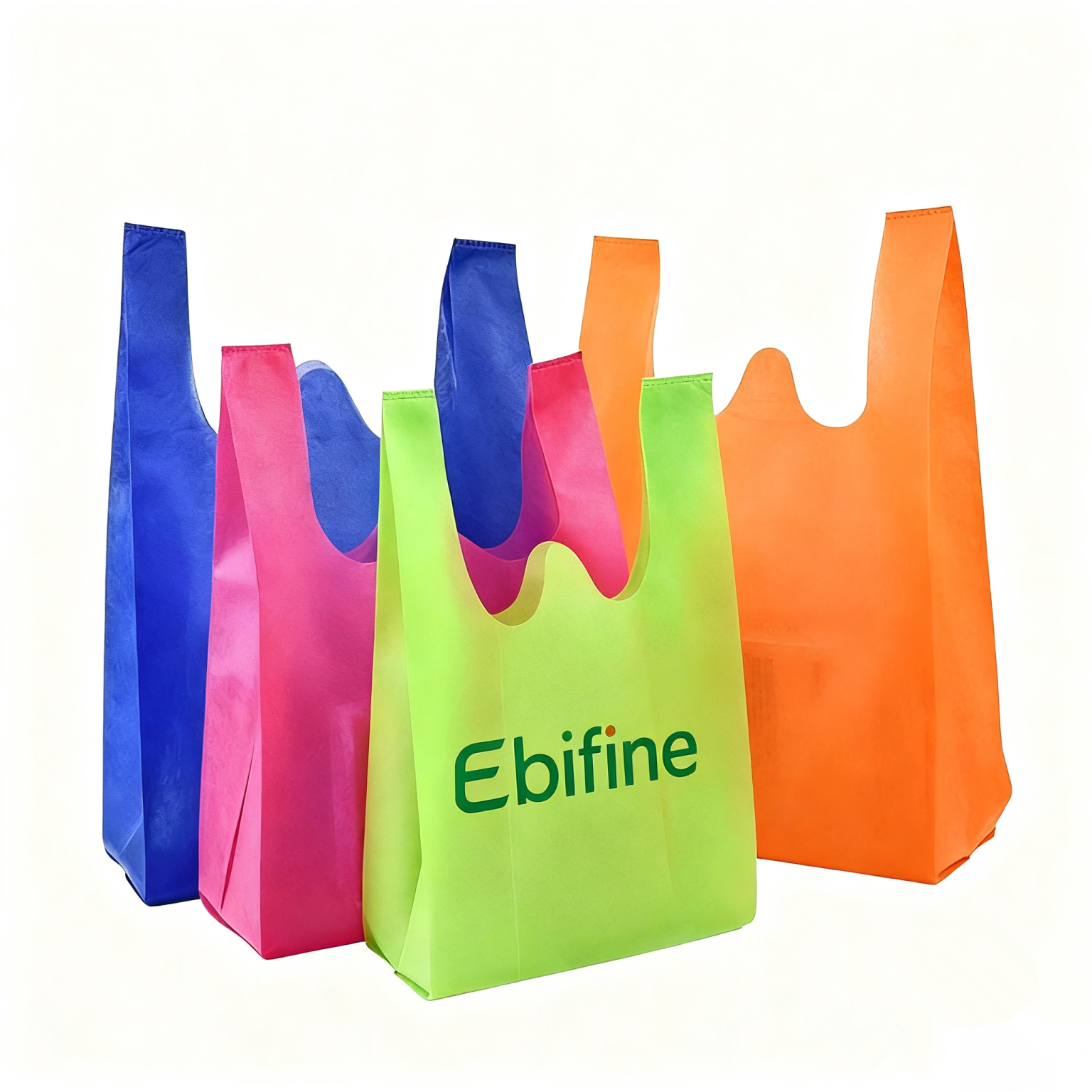
If your company operates under aggressive environmental mandates, evaluate alternative sustainable substrates. Progressive manufacturers offer certified compostable packaging bags manufactured from PBAT/PLA blends that break down in industrial composting facilities, or durable woven and non-woven options like PP non woven bags and stitched promotional reusable bags.
7. Print Tooling Amortization and Lead Times
Custom-branded bags require industrial tooling. High-speed rotogravure printing yields exceptional registration accuracy and rich gradients, but it requires custom copper-plated steel cylinders for every color in your design. If your artwork uses six colors across three different bag sizes, cylinder setup fees can run into thousands of dollars.
For early-stage product launches or seasonal runs, flexographic printing plates or screen printing on pre-converted stock bags offer a more practical approach. Choose a manufacturing partner that helps you weigh cylinder tooling expenses against total volume, ensuring you don’t overspend on plates for short-run campaigns.
Integrated Manufacturing Highlight: Ebifine Custom Solutions
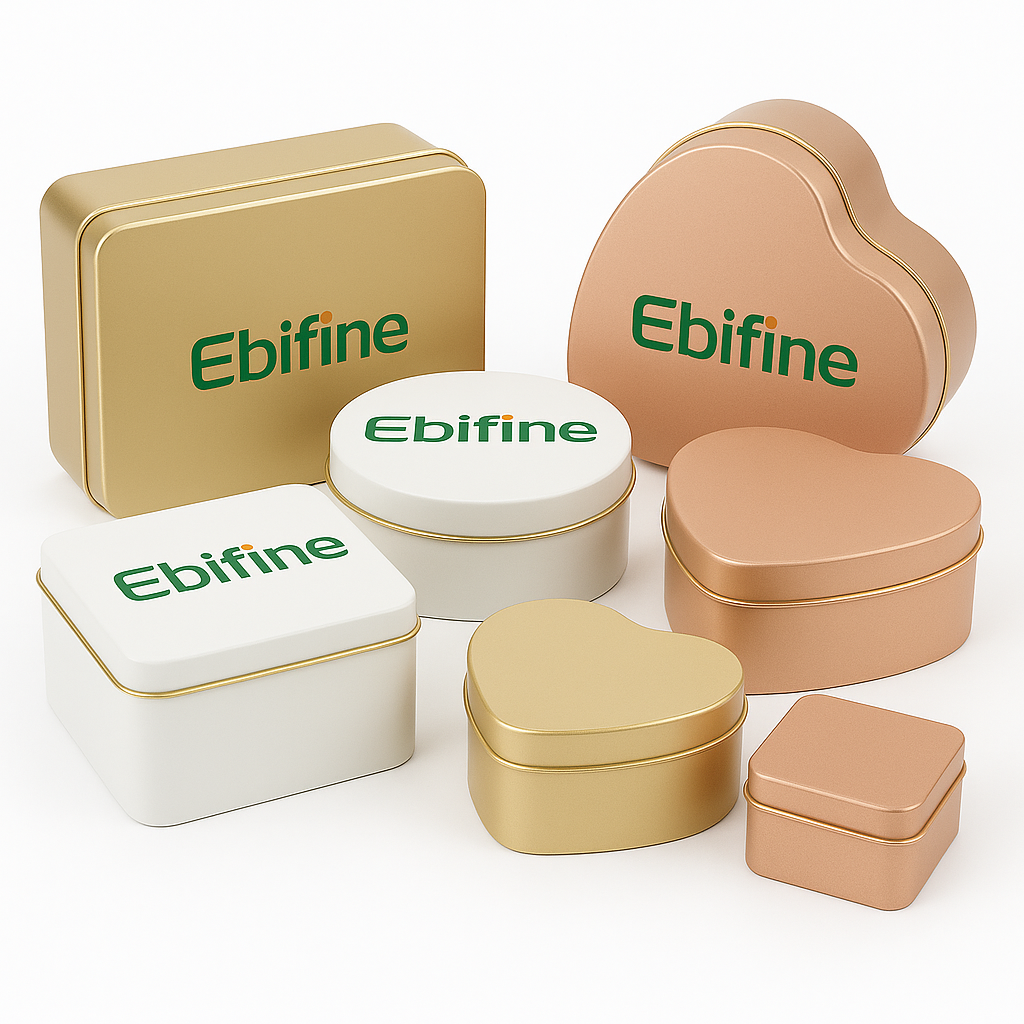
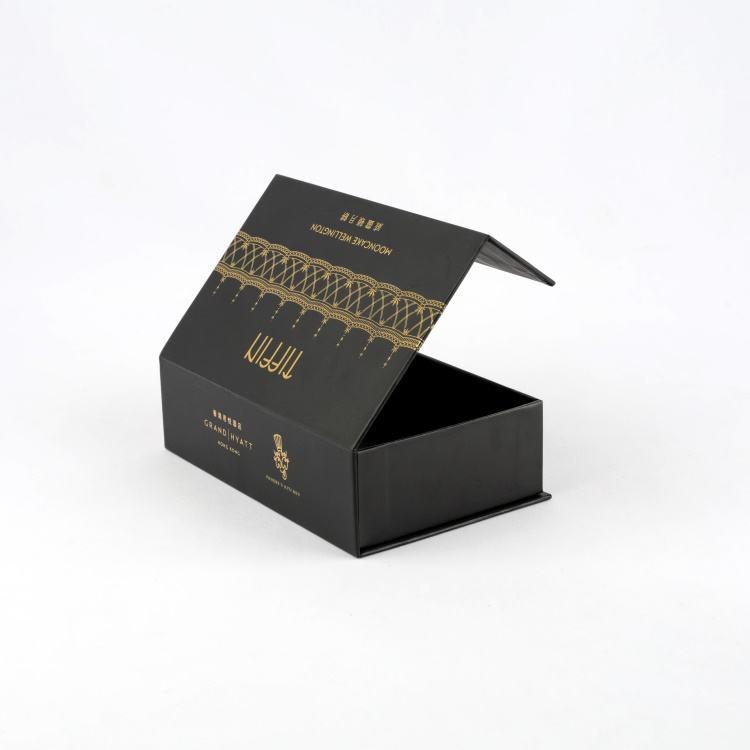
Navigating the trade-offs between unit cost, structural durability, and high-end visual appeal requires an experienced packaging partner. Ebifine provides comprehensive OEM and ODM capabilities across flexible films, high-barrier bags, and luxury presentation displays.
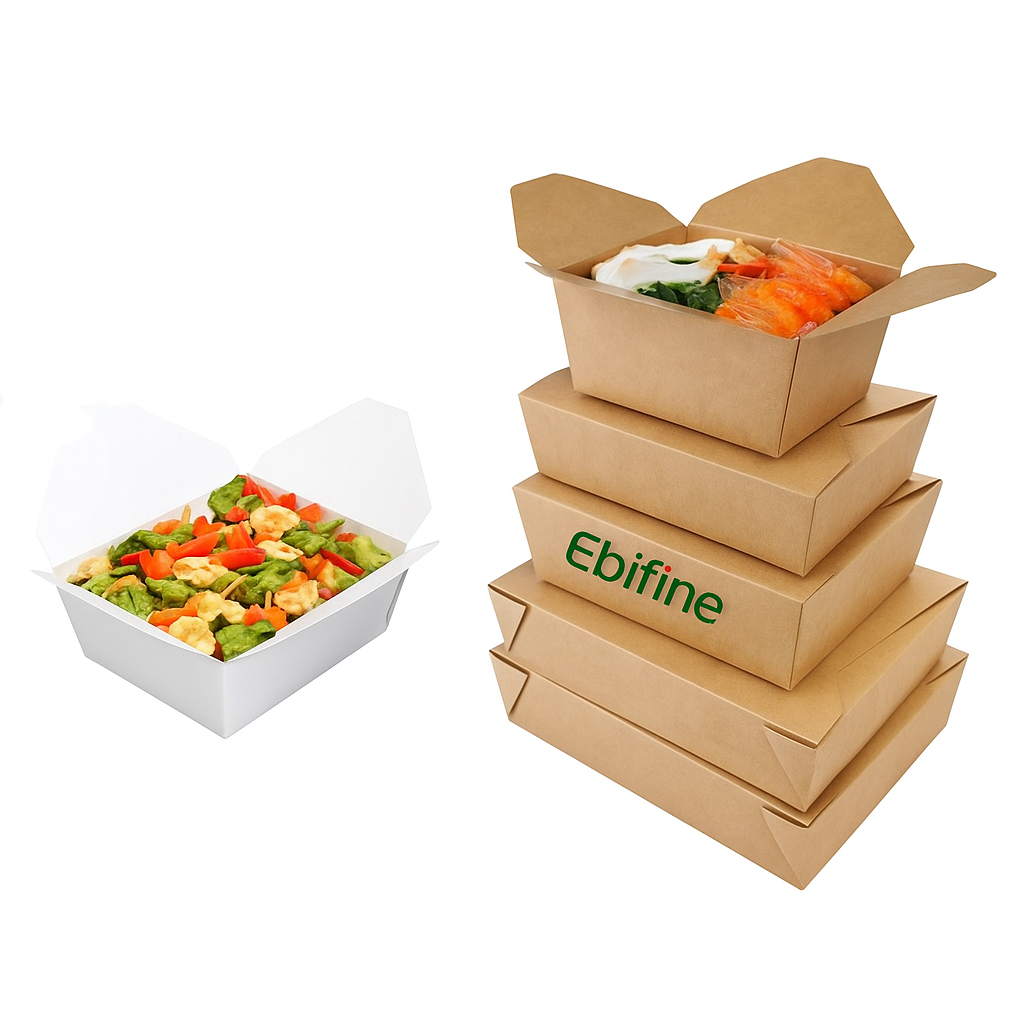
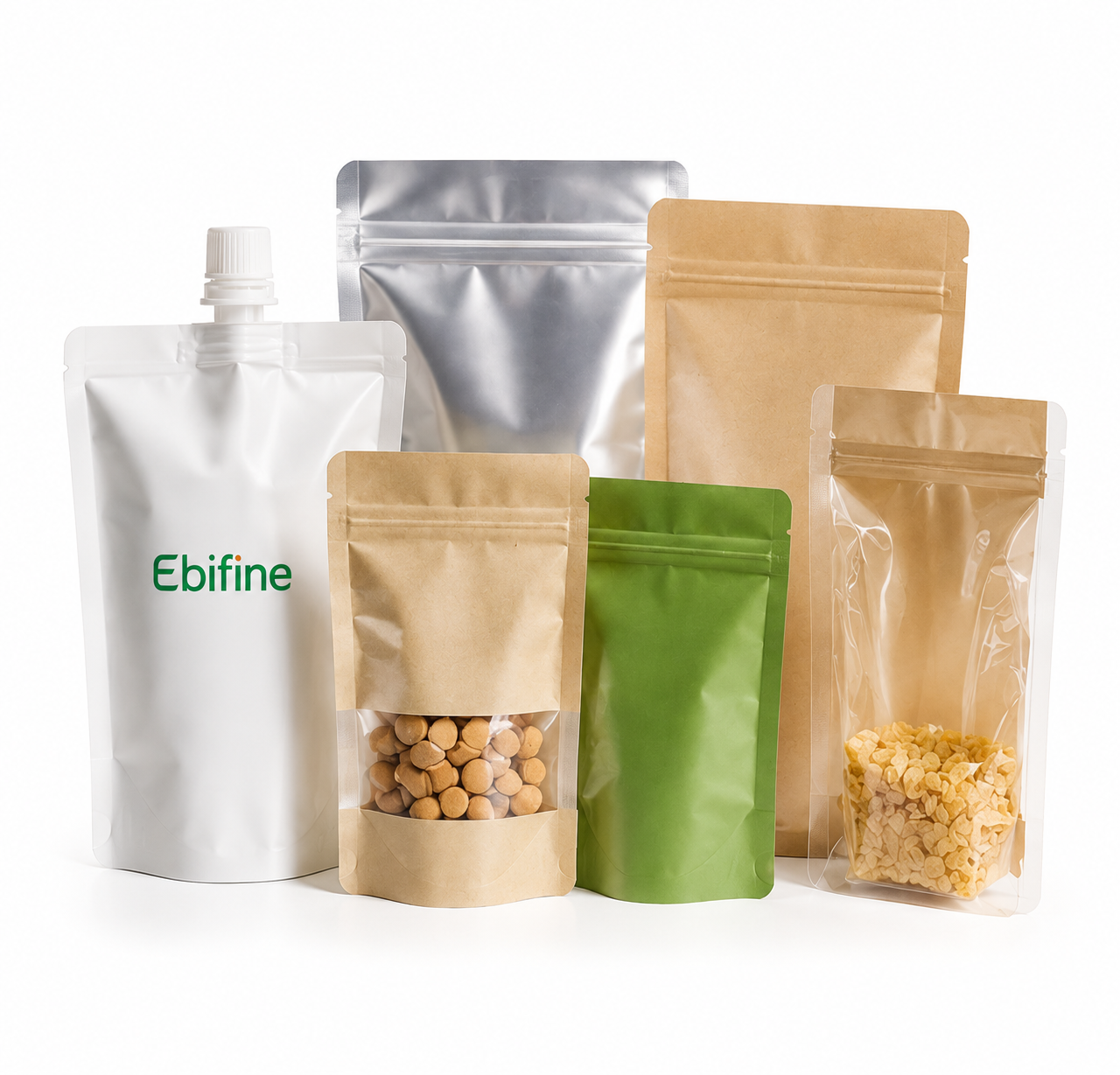
Whether you need custom flexible packaging solutions, durable ziplock packaging bags, rustic kraft paper pouches, or tailored restaurant packaging, Ebifine bridges the gap between boutique design requirements and large-scale industrial output. Their service includes custom hot stamping, precision multi-color rotogravure printing, and custom label production supported by their dedicated packaging labels supplier line.
Procurement Verdict: Explore their full premium gift packaging service for turnkey retail boxes and branded carriers that keep your packaging program consistent across every customer touchpoint.
Direct Technical Comparison: Material Performance Breakdown
| Substrate Material | Visual Clarity & Gloss | Puncture Resistance | Tensile Stiffness | Typical Thickness Range | Best Packaging Use Case |
|---|---|---|---|---|---|
| BOPP / Cast PP | Glass-like (92%+ Transmittance) | Moderate (Low tear propagation) | High (Stands upright crisply) | 35 to 60 microns | Gourmet confectioneries, jewelry, cosmetics |
| Virgin LDPE | Translucent to Milky Soft Sheen | High (Stretches before puncture) | Low to Moderate (Drapes softly) | 50 to 80 microns | Apparel, department store retail, heavy gift sets |
| HDPE | Low (Matte, translucent white) | Moderate (Prone to pinhole tears) | High (Crinkly, paper-like) | 20 to 45 microns | Utilitarian carryalls, pharmacy, takeaway goods |
| Bio-Polymer (PLA/PBAT) | Matte Opaque (Silky tactile feel) | Moderate to High | Low (Soft hand-feel) | 45 to 70 microns | Eco-conscious lifestyle brands, organics |
Pros and Cons: Bulk Plastic Gift Bags vs. Alternative Substrates
| Packaging Substrate | Commercial & Operational Pros | Logistical & Brand Cons |
|---|---|---|
| Commercial Plastic Gift Bags (Virgin PP / LDPE Formulations) |
|
|
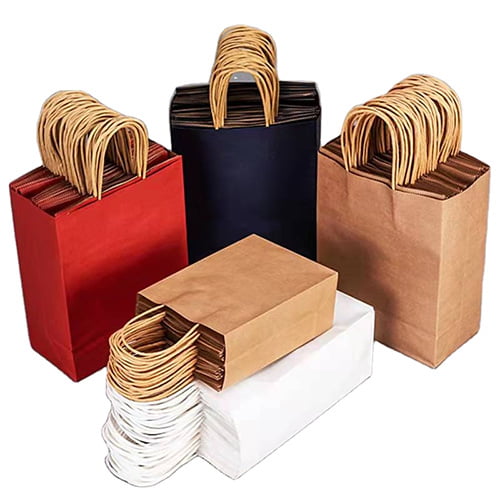
| Rigid Kraft & Artboard Paper Bags (Twisted handle / Grosgrain ribbon) |
|
|
Who Should Buy Plastic Gift Bags vs. Rigid Packaging
Packaging selection should always be guided by your product catalog, shipping margins, and customer expectations. Investing in the wrong format creates unnecessary overhead and customer friction.
Who Should Invest in Premium Plastic Gift Bags:
- Boutique Apparel & Athleisure Retailers: Soft clothing lines don’t need heavy rigid boxes. An opaque, satin-finish 70-micron LDPE bag with soft-loop handles provides water-resistant protection and an upscale shopping experience.
- High-End Confectioneries & Bakeries: Crystal-clear BOPP bags with bottom gussets showcase artisanal chocolates and pastries while creating a reliable moisture barrier that preserves food freshness.
- Trade Shows & Brand Activations: When outfitting attendees with branded event gear, glossy plastic bags handle heavy brochures and product samples cleanly without splitting along paper fold lines.
Who Should Choose Alternative Packaging Substrates:
- Sustainable & Zero-Waste Retailers: If your brand identity centers on natural sustainability, petrochemical plastic gift bags will alienate your target audience. Choose compostable PBAT options or transition to renewable paper packaging.
- Fragile Glassware & Luxury Spirits: Heavy wine bottles and ceramic vessels require structured, rigid corrugated containers to prevent impact damage. Flexible plastic bags offer zero drop cushioning.
- Institutional Food Service: Takeout food operations need disposable, high-volume solutions like kraft bags or compostable foodservice containers, often paired with matching compostable cutlery to comply with local dining regulations.
Common Procurement Mistakes Importers Make
Factory Floor Warning: The costliest mistake in flexible packaging procurement is approving a digital art PDF without reviewing a physical, pre-production drawdown proof on the exact polymer film with corona treatment. Inks absorb and reflect light differently on plastic than on paper or computer monitors.
- Approving Quotes Without Specifying Metric Thickness: Unscrupulous vendors will quote on “heavy-duty” bags, then deliver 35-micron film instead of 60-micron film, pocketing the difference in raw resin costs. Always stipulate precise micron tolerances ($\pm 3\%$) directly on the commercial purchase order.
- Overlooking Slip Additive Balance: Slip additives are added to resin to prevent film sheets from sticking together on conversion machinery. If the factory uses too little slip, cashiers will struggle to open individual bags during busy retail rushes. If they add too much, the excess amide wax blooms to the surface, making the bag slippery and weakening ink adhesion.
- Skipping the Seal-Strength Drop Test: Before releasing final balance payments, have your quality team conduct a simple field test: fill sample bags with maximum product weight and drop them from counter height (roughly 1 meter) onto a hard floor. If the bottom weld splits or the handle delaminates, the factory’s sealing temperature or dwell time was set incorrectly.
- Failing to Account for Temperature Fluctuations in Ocean Transit: Standard shipping containers cross equatorial waters where interior temperatures can exceed 55°C (131°F). Low-grade solvent inks that have not fully cured will off-gas and stick together inside tightly packed cartons, causing the bags to block and ruin entire production runs.
B2B Sourcing: Evaluating Chinese Packaging Manufacturers
When shortlisting overseas converters for bulk packaging orders, look past standard catalog photos. Use these four practical vetting steps to protect your capital:
1. Confirm In-House Extrusion vs. Third-Party Film Conversion
Ask prospective vendors whether they blow their own film in-house or purchase parent rolls from third-party extruders. Integrated factories that extrude, print, and convert under one roof offer tighter quality control over resin composition, corona treatment, and gauge uniformity, while eliminating trading markups.
2. Audit Color Matching Systems (Pantone vs. Delta E Standards)
Never rely on subjective color descriptions like “navy” or “blush pink.” Supply exact Pantone Matching System (PMS) codes and require your supplier to verify color consistency using a spectrophotometer with a maximum color deviation ($\Delta E$) under 2.0. This prevents brand colors from drifting between production runs.
3. Verify Regulatory Compliance and Lab Testing
Ensure your supplier’s inks and resins comply with relevant international standards, including FDA 21 CFR 177.1520 (for indirect food contact), EU Regulation (EU) No 10/2011, and California Proposition 65 limits on heavy metals and phthalates. Require valid testing reports from accredited third-party labs like SGS, Intertek, or TÜV Rheinland.
4. Structure Safe Milestone Payment Terms
For custom production runs involving cylinder tooling, negotiate commercial payment milestones: 30% deposit upon contract signing, 40% upon pre-shipment quality inspection sign-off (PSI), and the remaining 30% balance against the Bill of Lading (B/L) copy. Never release final payments until your third-party inspection agency confirms gauge tolerances, seal integrity, and print adhesion on finished goods.
Frequently Asked Questions
For lightweight retail items like jewelry, scarves, or confectioneries, a 40 to 50 micron (1.5 to 2.0 mil) LDPE or PP film provides clear transparency and tear resistance. For heavy items such as bottled wine, cosmetics boxes, or apparel sets, professional buyers should specify 60 to 80 microns (2.5 to 3.15 mil) to prevent handle stretching and bottom seam failure.
Polypropylene (PP and BOPP) offers crystal-clear optical transparency, high gloss, and a crisp, rigid structure that stands upright on retail counters. Low-Density Polyethylene (LDPE) is softer, milkier in appearance, and highly elastic, making it superior for puncture resistance and cold-weather flex, but less refined for luxury aesthetic presentation.
For full rotogravure cylinder printing with edge-to-edge ink coverage and metallic foils, direct Chinese packaging factories typically require 10,000 to 20,000 pieces per size. For silk-screen spot printing on pre-converted stock bags, agile suppliers like Ebifine can support low-MOQ runs starting between 500 and 1,000 pieces.
Many global jurisdictions mandate minimum film gauges (often 50 microns or higher to qualify as reusable) or ban fossil-based thin checkout bags outright. Importers should confirm local EPR and packaging waste directives, transitioning to certified compostable PLA/PBAT polymers or post-consumer recycled (PCR) resin content where legal compliance demands it.
Authoritative References & Technical Standards
- ASTM International: ASTM D882 Standard Test Method for Tensile Properties of Thin Plastic Sheeting
- International Organization for Standardization: ISO 8295 Plastics – Film and Sheeting – Determination of the Coefficients of Friction
- Technical Association of the Pulp and Paper Industry (TAPPI): Standards for Flexible Film Extrusion and Surface Corona Treatment