The retail packaging ecosystem is currently undergoing a brutal legislative and cultural transformation. Global mandates banning single-use thin-film plastics have forced commercial brands into a corner. As a result, the market has been flooded with inferior, paper-thin tote bags that tear on the walk to the car. Handing a customer a flimsy, unbranded bag that disintegrates under the weight of their purchase is a catastrophic commercial error; it instantly destroys your brand equity. From our experience at Ebifine, engineering and manufacturing high-volume flexible packaging for global retailers, the decision to procure Custom Non Woven Bags Bulk directly from a primary manufacturer fundamentally alters your unit economics and consumer perception.
In most professional situations, procurement managers fail to understand the complex material science and mechanical limitations involved in bulk non-woven production. They order bags based strictly on the lowest price per unit, resulting in blown-out ultrasonic seams, transparent fabric that reveals confidential inner packaging, and flaking ink that transfers onto customer garments. You must use commercial and practical judgment. A heavy-duty, meticulously printed non-woven tote transforms your customer into a walking billboard for years. In this definitive guide, we take a rigid, expert stance on the mechanics of wholesale packaging. We will detail 12 highly specific structural ideas for retail brands, decode the manufacturing processes, and provide you with the exact technical blueprint to secure superior packaging infrastructure.
Quick Answer: The Wholesale Packaging Paradigm
If your brand is transitioning to Custom Non Woven Bags Bulk, you must abandon domestic catalog brokers and partner directly with an OEM manufacturer. Here is the operational reality:
- Material Density Dictates Perception: Never buy below 80 GSM (Grams per Square Meter) for retail. 100 GSM is required for heavy-duty box totes or premium boutique bags.
- The Cost of Customization: True wholesale requires factory-direct printing. Silk screen printing is perfect for solid logos, while heat transfer or laminated printing is mandatory for full-color, photographic branding.
- Volume Solves Pricing: Direct manufacturing MOQs typically start around 5,000 to 10,000 units. Committing to this volume drives the unit cost down to pennies, completely eliminating middleman markups.
We recommend that any business shipping or selling over 2,000 orders a month immediately transition from off-the-shelf blanks to fully customized, structurally tailored non-woven packaging.
Table of Contents
- What It Is: The Science of Non-Woven Polypropylene
- How It Works: Extrusion and Assembly
- 12 Custom Non Woven Bags Bulk Ideas
- Commercial Benefits of Going Direct
- Limitations and Hidden Risks
- Who Should Use Wholesale Manufacturing
- Who Does Not Need It
- Common Procurement Mistakes
- Expert Buying Considerations
- Summary and Comparison Tables
- Expert Recommendation & Integrated Solutions
- Frequently Asked Questions
What It Is: The Science of Non-Woven Polypropylene
Before executing a massive purchase order for Custom Non Woven Bags Bulk, you must understand the chemistry of the material. Non-woven fabric is not woven together on a loom like cotton or canvas. It is technically a plastic. It is made from Polypropylene (PP) polymers that are melted, spun into continuous microscopic threads, and then dispersed into a web. This web is passed through heated calendar rollers that physically bond the fibers together using extreme heat and pressure.
The resulting material feels like a textured fabric but possesses the water resistance, tensile strength, and low manufacturing cost of plastic. Because it skips the weaving process entirely, it is extraordinarily cost-effective to produce at massive industrial scales. This makes it the undisputed king of reusable retail packaging.
How It Works: Extrusion and Assembly
How a non-woven bag is assembled determines its absolute weight capacity. There are two primary assembly methods: ultrasonic welding and mechanical stitching.
Ultrasonic welding uses high-frequency acoustic vibrations to melt the seams of the bag together instantly. It is incredibly fast and cheap, but it lacks the shear strength required for heavy loads. If you are selling heavy glass jars or dense electronics, an ultrasonic seam will catastrophically fail. In our testing, premium retail bags must utilize traditional mechanical stitching with reinforced cross-stitching (X-stitching) at the handle attachment points. A stitched 100 GSM bag can easily support 30 to 40 pounds of retail merchandise without tearing.
12 Custom Non Woven Bags Bulk Ideas for Retail Brands
Do not settle for a standard flat tote. The architecture of your packaging must reflect the specific utility of your product. Here are the top 12 custom structural designs driving retail success in 2026.
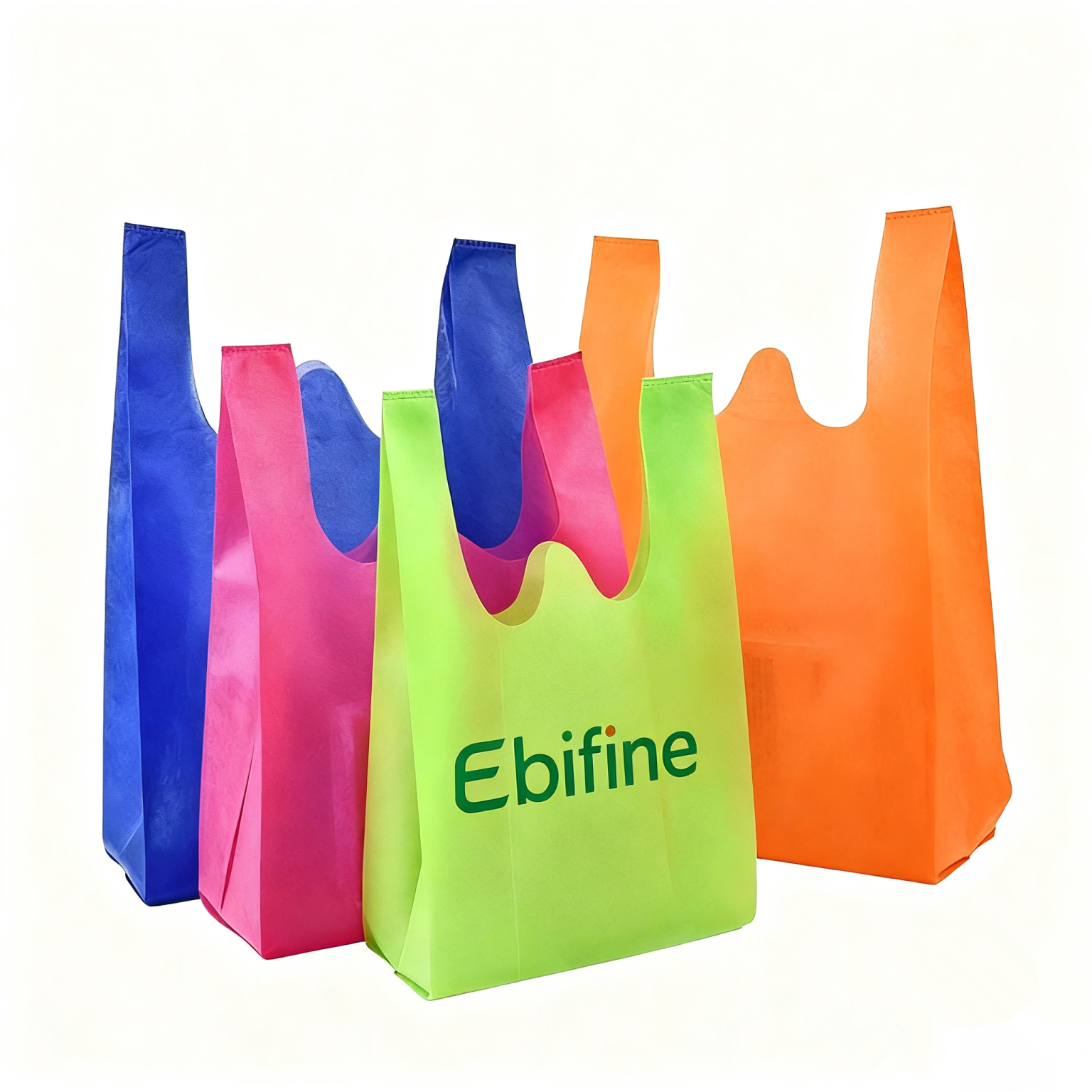
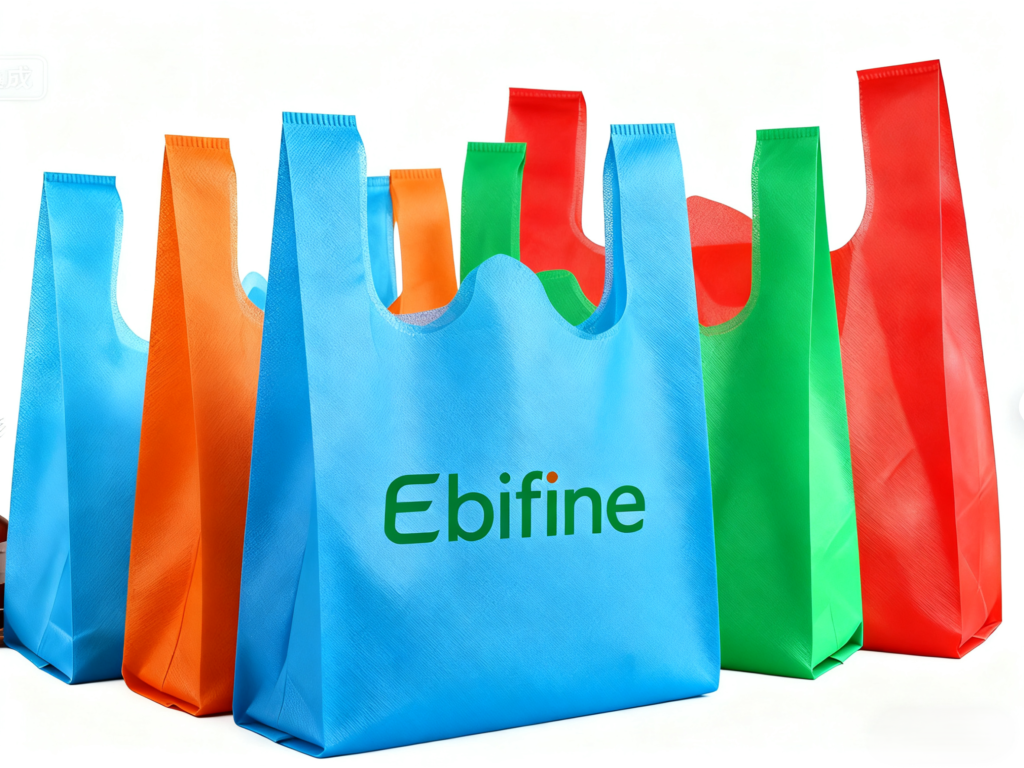
1. The Classic Grocery Vest Bag (T-Shirt Bag)
The ultimate replacement for the banned single-use plastic grocery bag. Designed with integrated handles that resemble a tank top, these bags are engineered for high-volume supermarkets. They are typically 50 to 70 GSM, designed for cheap, rapid deployment at the checkout counter.
2. The Heavy-Duty Box Tote with Bottom Board
For retailers selling rigid boxes (like shoes or electronics), a flat tote is useless. The box tote features a wide, flat bottom gusset reinforced with a rigid plastic or cardboard base plate. This ensures the bag stands completely upright when loaded, providing a premium presentation.
3. The Sectioned Wine Bottle Carrier
Liquor stores and boutique vineyards must protect fragile glass. Custom non-woven wine carriers are stitched with internal fabric dividers, separating the bag into 4 or 6 individual columns. This prevents bottles from clinking and shattering during transit.
4. The Boutique Drawstring Dust Pouch
Luxury footwear, handbags, and premium apparel require secondary protection. A lightweight (40 GSM) non-woven drawstring pouch acts as an elegant dust cover. It is significantly cheaper than cotton canvas but provides the identical unboxing friction that luxury consumers demand.
5. The D-Cut Exhibition Bag
Designed strictly for trade shows, corporate events, and conventions. Instead of loop handles, a “D” shaped hole is die-cut directly into the top of the bag. It is a sleek, low-profile design perfect for holding brochures, tablets, and promotional swag.
6. The Foil-Lined Insulated Cooler Tote
For grocery delivery services, butchers, and high-end restaurants focusing on food grade packaging. The exterior is heavy PP non-woven, while the interior is lined with thermal EPE foam and aluminum foil. It maintains hot or cold temperatures during the critical last-mile delivery phase.
7. The Laminated Glossy Shopper
Standard non-woven fabric has a matte, textured finish that limits high-resolution printing. To achieve photographic, full-color brand imagery, a printed BOPP (Biaxially Oriented Polypropylene) film is heat-laminated over the non-woven base. This creates a glossy, waterproof, ultra-premium retail bag.
8. The Garment Suit Cover
For bridal boutiques and tailored menswear. A 60-inch long non-woven bag with a center zipper and a top hole for a hanger. Because non-woven PP is highly breathable, it prevents moisture buildup and mold, making it vastly superior to sealed PE plastic garment bags.
9. The Foldable Strawberry/Compact Bag
The ultimate point-of-sale impulse buy. These thin non-woven bags feature a small integrated pouch in the corner. The entire bag scrunches down and tucks into the pouch, securing with a drawstring. Consumers attach them to keychains for unexpected shopping trips.
10. The Flat Merchandise Bag (No Gusset)
Ideal for pharmacies, bookstores, and cosmetic counters. A simple, two-dimensional pouch with no side or bottom gussets. It is the most cost-effective structure available, designed for flat or small-profile retail items.
11. The XL Bedding and Home Goods Bag
Selling pillows, duvets, or winter coats requires massive volumetric capacity. These custom oversized bags utilize a 120 GSM fabric with a heavy-duty top zipper and reinforced wraparound nylon webbing handles to support immense bulk.
12. The Zippered E-Commerce Mailer
A hybrid approach. Utilizing non-woven material with an integrated adhesive strip or zipper for direct shipping. This provides a significantly more premium unboxing experience than standard custom flexible packaging mailers, signaling environmental consciousness to the recipient.
Commercial Benefits of Going Direct
The primary benefit of securing Custom Non Woven Bags Bulk directly from an OEM is the radical reduction in Cost-Per-Impression (CPI). A high-quality, 100 GSM printed tote bag costs fractions of a dollar to produce in bulk. If a customer reuses that bag to carry their gym clothes or groceries 50 times in a major metropolitan area, thousands of pedestrians view your brand logo. It is the cheapest, most effective mobile billboard infrastructure available to modern retail brands.
Limitations and Hidden Risks
We must apply commercial and practical judgment: non-woven PP is not invincible. The most critical limitation is its thermal vulnerability. Polypropylene has a relatively low melting point. If subjected to extreme commercial dryers, open flames, or placed on a hot vehicle exhaust pipe, it will melt instantly. Furthermore, despite deceptive marketing by some suppliers, standard non-woven PP is not organically biodegradable. It is 100% recyclable, but it will not dissolve into soil if thrown into a landfill.
Who Should Use Wholesale Manufacturing
For Commercial Users and High-Volume Retailers: Supermarket chains, fast-fashion boutiques, corporate event organizers, and delivery logistics companies must utilize direct wholesale channels. The sheer volume of packaging you consume justifies the upfront plate charges and guarantees absolute brand consistency across all consumer touchpoints.
Who Does Not Need It
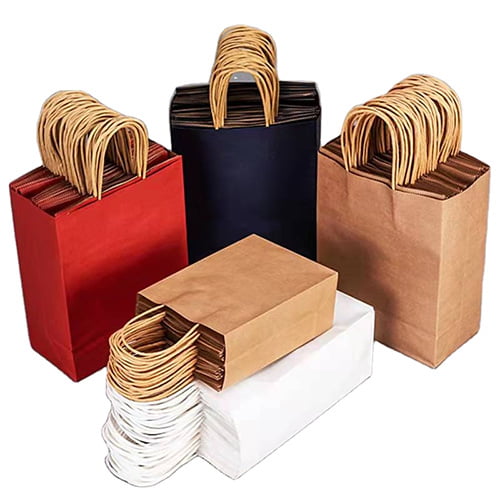
For Ultra-Luxury Heritage Brands: If you are selling $5,000 watches or bespoke jewelry, a non-woven bag—no matter how thick—is an inappropriate brand signal. You require rigid, structural presentation boxes or custom paper bags with logo manufactured from 250gsm art paper to maintain the required aesthetic gravitas.
Common Procurement Mistakes
From our experience auditing supply chains, the most catastrophic mistake is under-speccing the GSM (Grams per Square Meter). A brand will try to save two cents per bag by dropping from 80 GSM to 50 GSM. The resulting bag is translucent; everyone on the street can see exactly what the customer bought. If you are a high-end lingerie retailer or a pharmacy, violating your customer’s privacy with transparent packaging is a severe operational failure.
Expert Buying Considerations
When selecting your manufacturing partner, evaluate their printing infrastructure. If you have a simple, 1-color logo, silk-screen printing is highly cost-effective. However, if your brand relies on complex, full-color gradients, silk-screening will look terrible. You must partner with a factory capable of BOPP lamination or advanced heat transfer printing. Additionally, ensure the factory can seamlessly supply auxiliary items like packaging labels supplier services to maintain color matching across your entire logistics chain.
Summary and Comparison Tables
Comparison Table: Non-Woven PP vs. Cotton Canvas vs. Plastic
| Material Type | Durability / Reusability | Cost per Unit (Bulk) | Water Resistance |
|---|---|---|---|
| Non-Woven PP (80 GSM) | High (50+ uses) | Very Low | Highly Water Resistant |
| Cotton Canvas (12oz) | Extreme (Years of use) | High | Poor (Absorbs water) |
| Traditional PE Plastic | Single-Use | Extremely Low | 100% Waterproof |
Pros and Cons of Custom Non Woven Bags Bulk
| Pros (Why you must upgrade) | Cons (The operational reality) |
|---|---|
| Bypasses regional bans on single-use thin-film plastic bags. | Ocean freight lead times require meticulous inventory forecasting (60+ days). |
| Massive ROI as customers reuse the bags as mobile advertisements. | Requires dedicated warehouse space to store palletized inventory. |
| Can be customized with zippers, bottom boards, and insulation. | Not biodegradable; requires dedicated recycling facilities. |
| Significantly cheaper and lighter to ship than heavy paper bags. | Strict MOQs make rapid, small-batch seasonal redesigns difficult. |
Expert Recommendation & Integrated Solutions
Is the logistical friction required to order Custom Non Woven Bags Bulk from overseas actually worth the capital? Emphatically, yes. Handing a customer a premium, reusable bag at the point of sale is the final physical interaction they have with your brand. We recommend that commercial brands stop funding the overhead of domestic catalog brokers. By integrating directly with a primary OEM manufacturer like Ebifine, you secure enterprise-grade packaging economics and absolute structural control over your merchandise vessels.
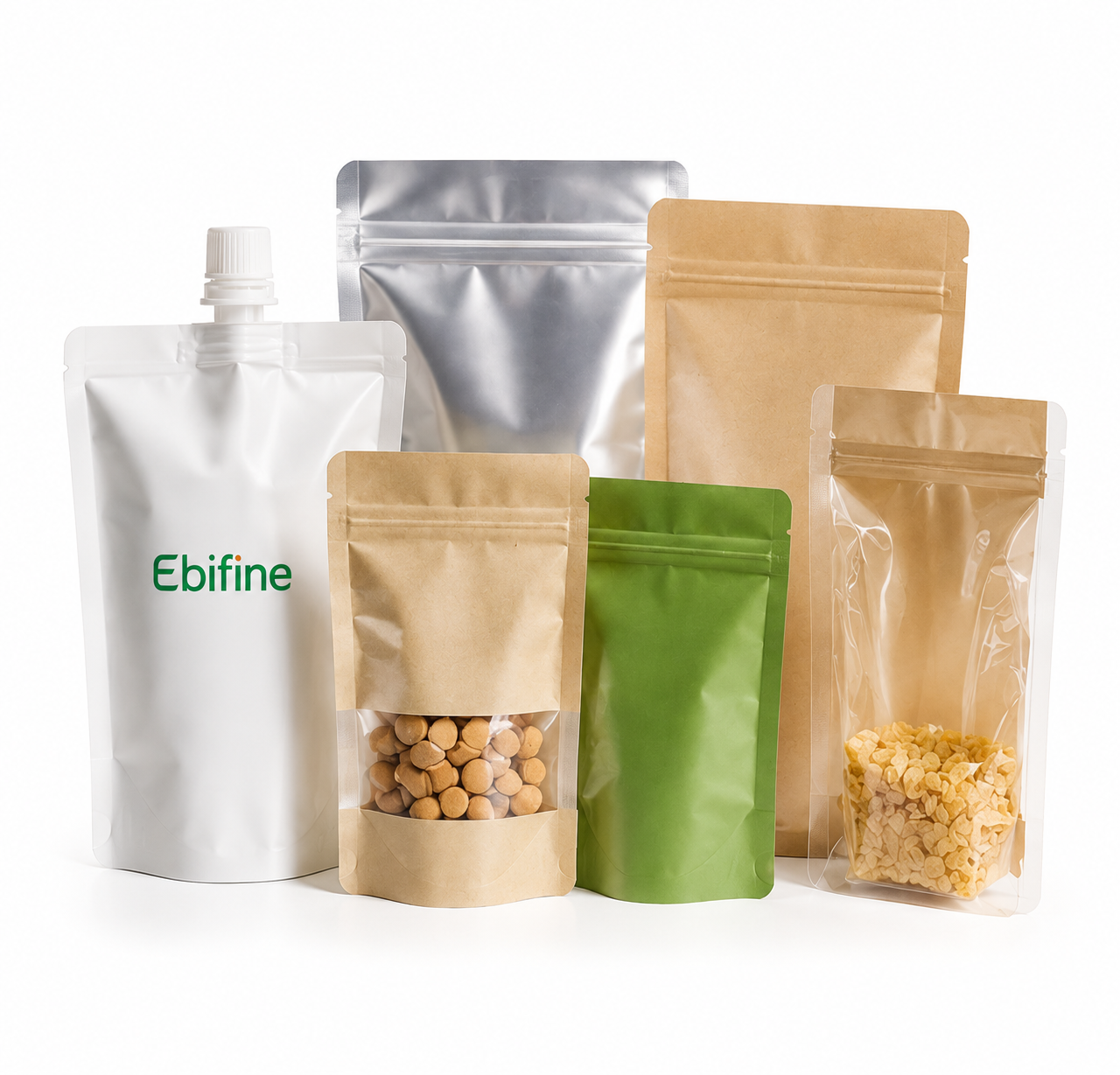
For brands that require a diversified packaging portfolio, combining custom non-woven bags with highly secure custom zipper bags for internal garment protection creates an unmatched, multi-tiered unboxing experience.
If you are also sourcing transparent primary packaging to accompany your retail bags, we heavily advise reviewing the top tier cellophane bags wholesale suppliers to ensure your internal product presentation matches the quality of your external tote.
Frequently Asked Questions
What is the minimum order quantity for Custom Non Woven Bags Bulk?
For genuine factory-direct custom extrusion, cutting, and printing, Minimum Order Quantities (MOQs) typically range from 5,000 to 10,000 units depending on the bag’s size and complexity. Purchasing lower volumes usually means buying pre-made blanks from a domestic broker and stamping a logo on them, which severely limits structural customization and drastically increases the unit cost.
What GSM is best for a heavy-duty retail tote?
In most professional situations, we strictly recommend 80 GSM to 100 GSM for heavy-duty grocery or premium retail totes. Anything below 60 GSM is considered low-tier promotional grade and will likely tear or puncture if subjected to heavy boxes, sharp corners, or repeated daily use.
Are custom non woven bags biodegradable?
No. From our experience, this is a common and dangerous industry myth. Non-woven bags are made from polypropylene (PP), which is a petroleum-based plastic polymer. While they are 100% recyclable (Resin Code #5) and highly reusable—which drastically lowers their environmental impact compared to single-use plastics—they do not biodegrade organically in a landfill.
What is the difference between stitched and ultrasonic sealed bags?
Ultrasonic sealing uses high-frequency heat to melt the seams of the bag together. It is cheaper and faster to produce but holds less weight (typically max 10-15 lbs). Stitched bags are sewn together using industrial sewing machines and physical thread, providing superior shear strength, higher weight capacities (up to 40 lbs), and a more premium aesthetic finish.
Industry References & Authoritative Guidelines
To ensure our packaging engineering and manufacturing guidance meets strict global supply chain and environmental standards, Ebifine references the protocols established by the following authoritative organizations:
- ASTM International: The global standards organization that develops and publishes the rigorous consensus technical standards (such as ASTM D5034) for testing the breaking strength and elongation of textile fabrics, including non-woven materials. Review ASTM Textile Standards
- Environmental Protection Agency (EPA): The federal agency providing critical guidelines on sustainable materials management, the recyclability of polypropylene (PP) plastics, and life-cycle assessments of reusable shopping bags. Review EPA Sustainable Materials Management
- National Retail Federation (NRF): The world’s largest retail trade association, providing peer-reviewed data on consumer packaging trends, legislative impacts of single-use plastic bans, and retail supply chain logistics. Review NRF Retail Insights