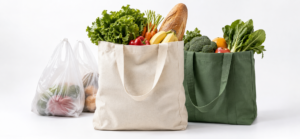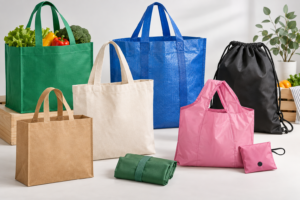
Reusable bags are now used across retail, grocery, hospitality, events, promotions, and everyday shopping. Compared with disposable bags, they are designed for repeated use and can also serve as branded packaging for businesses.
However, not every reusable bag performs the same way. Material, fabric weight, construction, printing, washing, intended load, and actual reuse frequency all affect cost and suitability.
This 2026 guide explains the main uses of reusable bags, common materials, business applications, and practical factors to consider when sourcing them.
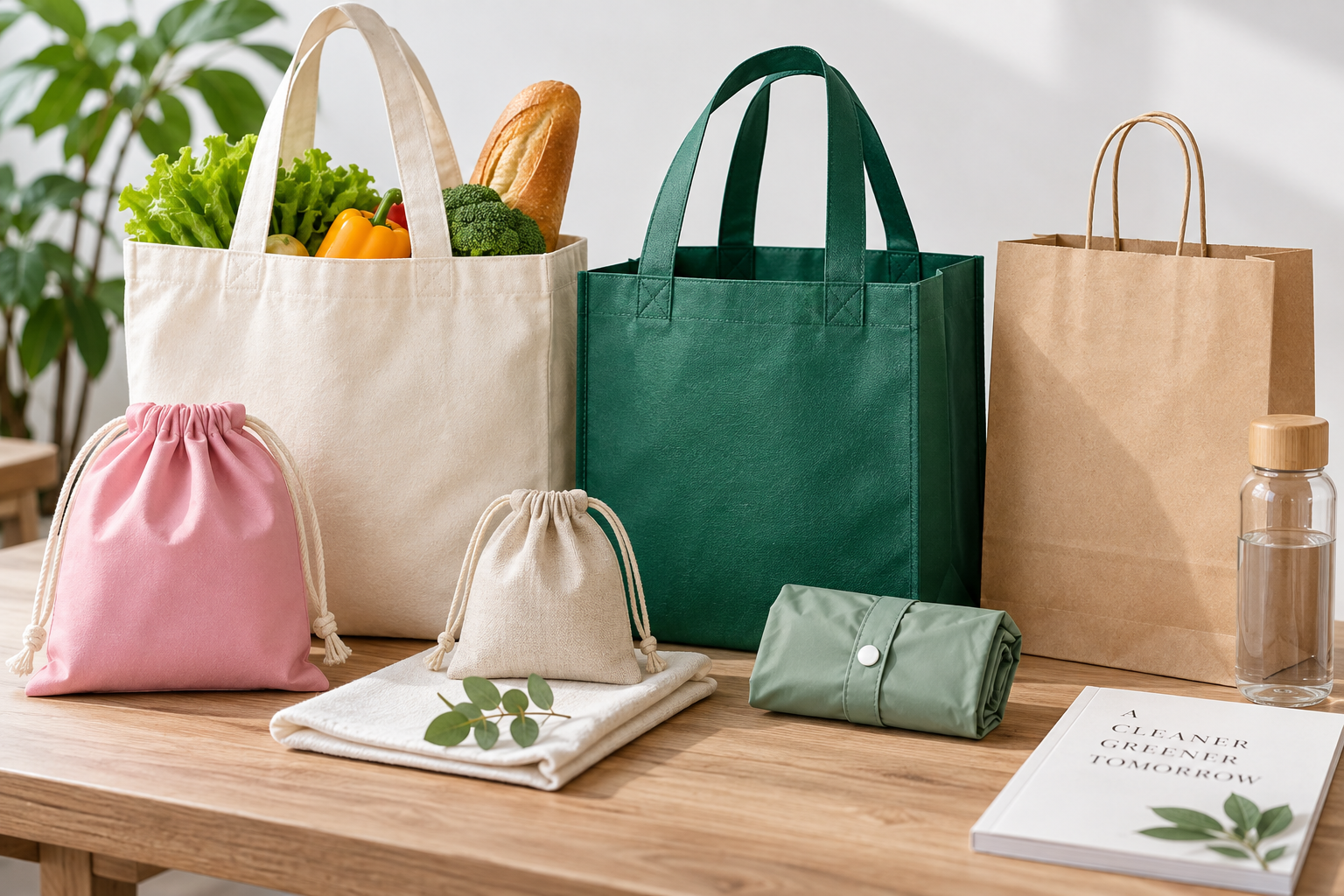
Where Reusable Bags Are Commonly Used
Reusable bags are used in many different situations, including:
- Grocery shopping
- Retail stores
- Trade shows
- Corporate events
- Hotel and laundry services
- Cosmetics and gift packaging
- Promotional campaigns
- Travel and personal storage
For businesses, the best bag depends on the product, target customer, expected reuse, and budget.
Why Businesses Use Reusable Bags
Reusable bags can provide both packaging and marketing value.
Common business benefits include:
- Repeated brand exposure: Customers may reuse branded bags many times.
- Customizable design: Size, material, handles, color, and printing can be adapted to the brand.
- Multiple applications: One bag style can often be used across retail, events, promotions, and gifting.
- More durable construction: Many reusable bags are designed for heavier or repeated carrying.
- Better packaging consistency: Wholesale orders allow brands to standardize size, artwork, and material.
For buyers developing custom projects, Ebifine's bag and carrier options can be used as a starting point for comparing structures and materials.
Common Materials for Reusable Bags
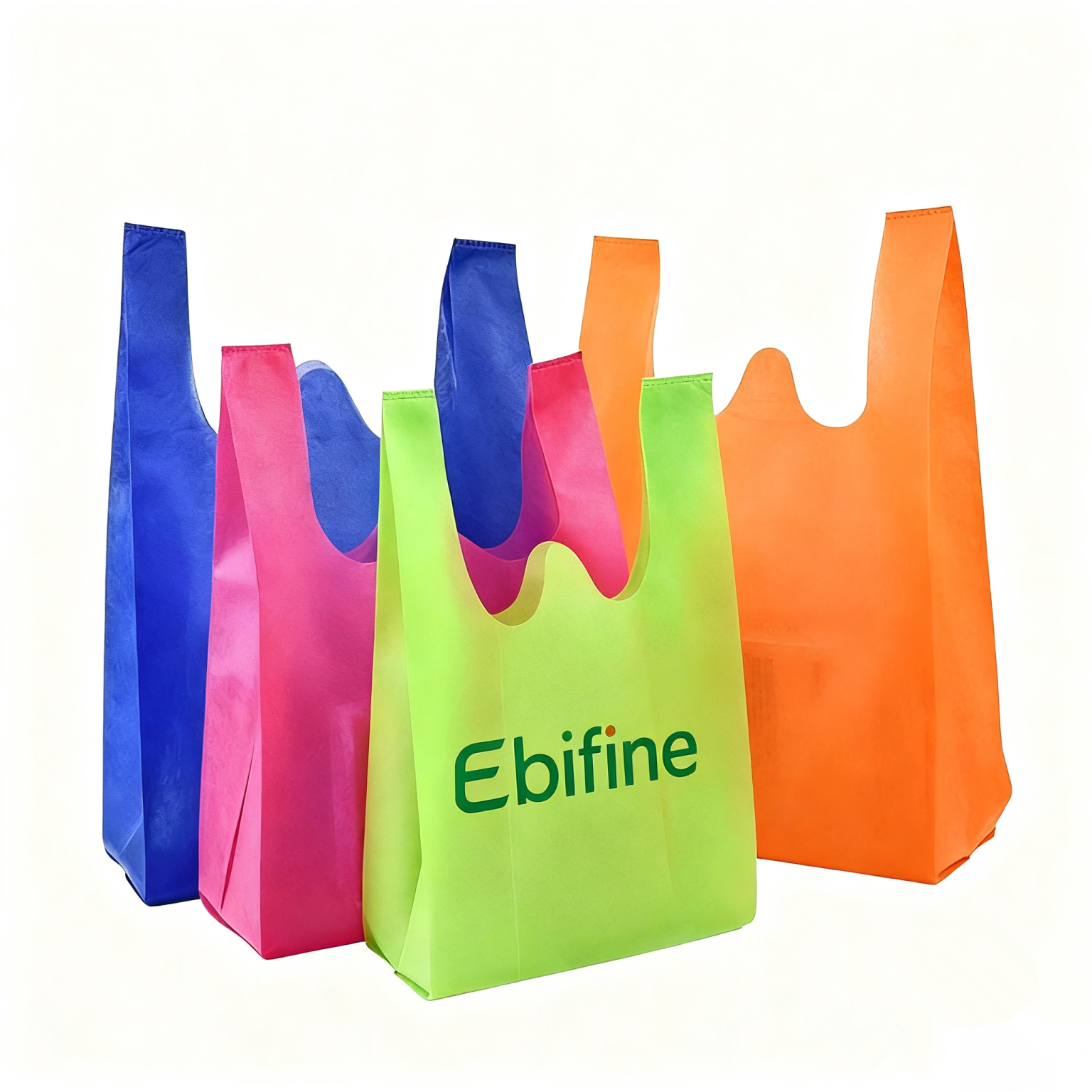
1. Non-Woven Polypropylene
Non-woven PP bags are widely used for retail, grocery, events, and promotional campaigns.
Typical advantages:
- Lightweight
- Cost-efficient at volume
- Easy to print
- Available in many stock colors
- Suitable for stitched or heat-sealed structures
Important note:
Non-woven PP is still a plastic-based material. Its environmental performance depends heavily on repeated use and end-of-life handling.
2. Canvas and Cotton
Canvas and cotton bags are commonly used for premium retail, lifestyle brands, corporate gifts, and long-term promotional use.
Typical advantages:
- Strong woven structure
- Premium appearance
- Good print and embroidery options
- Suitable for repeated use
These bags are usually heavier and more expensive than basic non-woven PP options.
3. Woven Polypropylene
Woven PP is suitable for heavier grocery loads and large-capacity reusable shopping bags.
Typical advantages:
- Strong load-bearing performance
- Good dimensional stability
- Suitable for lamination
- Large printing area
- Durable for repeated retail use
4. Polyester and rPET
Polyester and recycled PET are often used for foldable shopping bags and lightweight reusable totes.
Typical advantages:
- Lightweight
- Foldable
- Easy to carry
- Suitable for travel and convenience use
- Can support recycled-content positioning when documentation is available
5. Drawstring Bags
Drawstring bags are useful for smaller products and closed-top packaging.
Typical applications include:
- Cosmetics
- Jewelry
- Shoes
- Hotel laundry
- Event kits
- Promotional gifts
They can be made from non-woven PP, cotton, polyester, or other fabrics.
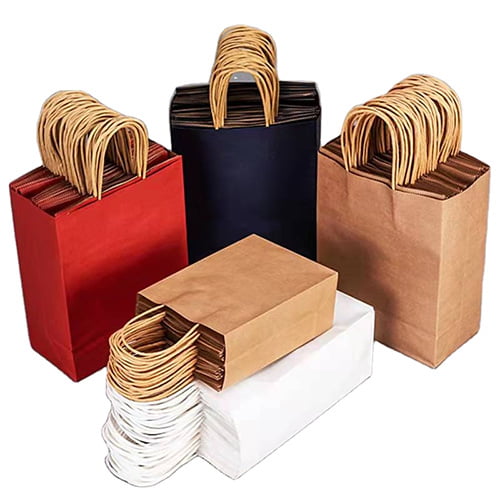
6. Paper Bags
Paper bags are often used as alternatives to lightweight plastic bags in retail and food service, but they should not automatically be grouped with durable reusable textile-style bags.
They are best suited to:
- Retail
- Restaurants
- Gift packaging
- Fashion
- Events
Paper bags offer good printability and are widely recyclable in many markets, but repeated-use durability is generally lower than woven or stitched bags.
How to Match the Bag to the Application
Grocery and Supermarket Use
Consider:
- Stitched non-woven PP
- Woven PP
- Reinforced reusable totes
Key factors:
- Load capacity
- Handle strength
- Gusset size
- Reuse frequency
Retail and Fashion
Consider:
- Canvas
- Cotton
- Premium non-woven
- Laminated woven bags
Key factors:
- Branding
- Print quality
- Hand feel
- Presentation
Events and Promotions
Consider:
- Non-woven PP
- Polyester
- Foldable bags
- Drawstring bags
Key factors:
- Unit cost
- Printing area
- Packing volume
- Quantity
Cosmetics, Jewelry, and Gifts
Consider:
- Drawstring pouches
- Cotton bags
- Small reusable fabric bags
Key factors:
- Size
- Closure
- Surface feel
- Logo printing
Printing Options for Reusable Bags
Common printing methods include:
- Silk-screen printing
- Heat transfer printing
- Flexographic printing
- Laminated full-color printing
- Digital printing
- Embroidery
The best printing method depends on:
- Bag material
- Artwork complexity
- Number of colors
- Order quantity
- Desired finish
Simple one- or two-color logos are usually easier and more economical to produce than full-color photographic designs.
How to Choose the Right Specification
Before placing a wholesale order, confirm:
- Bag material
- Width × height × gusset
- GSM or fabric weight
- Handle type
- Handle length
- Seam method
- Target load
- Printing method
- Print colors
- Packing quantity per carton
- Sample lead time
- Bulk production lead time
- Destination country
A physical sample is useful for checking handle comfort, size, print quality, and overall construction.
Where Ebifine Fits for Reusable Bag Buyers
Ebifine Import And Export Company Limited was established in 2016 in Guangzhou, China and works as a packaging solutions provider for international buyers.
For reusable bag projects, Ebifine can help coordinate:
- Non-woven bags
- Woven PP bags
- Canvas and cotton bags
- Foldable bags
- Drawstring bags
- Printing
- Sampling
- Packing
- Export shipment
This is especially useful for buyers who need several packaging components or want to compare different bag structures before confirming production.
Practical Tips for Better Reuse
Keep Bags Accessible
Reusable bags are more likely to be used repeatedly when they are stored in convenient places such as cars, offices, or near store entrances.
Clean According to Material
Cotton and canvas bags may be washable, while laminated or non-woven bags may require wiping or more careful cleaning.
Match the Bag to the Load
Avoid using a lightweight promotional tote for heavy grocery products.
Encourage Repeated Use
The value of a reusable bag improves when customers actually use it many times.
Consider End-of-Life Options
Ask whether the material can be reused, recycled, or repurposed in the destination market.
Sustainability Considerations
Reusable bags are not automatically the most sustainable option simply because they are labeled "reusable."
Important factors include:
- Material
- Weight
- Number of reuses
- Washing
- Transportation
- Recycled content
- Local recycling infrastructure
- End-of-life handling
The United Nations Environment Programme provides broader information on plastic pollution and sustainable consumption.
The Natural Resources Defense Council also publishes guidance and commentary on plastics, waste, and reusable alternatives.
For broader waste-reduction information, businesses can also review the U.S. EPA's recycling and waste-reduction resources.
Frequently Asked Questions
What is the most common reusable bag material?
Non-woven polypropylene is widely used for retail and promotions, while canvas, cotton, woven PP, polyester, and rPET are also common depending on the application.
Are reusable bags always more sustainable than disposable bags?
Not automatically. Their environmental performance depends on material, weight, reuse frequency, washing, transportation, and end-of-life handling.
Can reusable bags be customized?
Yes. Buyers can customize size, color, handles, GSM, printing, gussets, and packing.
Which reusable bags are best for heavy groceries?
Woven PP or reinforced stitched bags are generally more suitable for heavier loads than lightweight promotional bags.
Can reusable bags be used for branding?
Yes. Reusable bags are often used as promotional items because logos and artwork can remain visible over repeated use.
What information should I send for a quotation?
Provide:
- Bag material
- Size
- GSM or fabric weight
- Quantity
- Bag color
- Handle type
- Printing artwork
- Number of print colors
- Intended use
- Destination country
Final Recommendation
The best reusable bag depends on the actual use case.
For most B2B buyers:
- Use non-woven PP for high-volume retail and promotions.
- Use woven PP for heavier grocery loads.
- Use canvas or cotton for premium branding.
- Use polyester or rPET for foldable convenience bags.
- Use drawstring bags for smaller products and closed-top applications.
- Use paper bags when a paper-based retail format is more appropriate than a long-life textile-style bag.
For custom reusable bags, buyers can contact Ebifine with their material preference, dimensions, GSM, quantity, artwork, intended use, and destination country.