The era of throwing a corporate logo onto a cheap, disposable plastic bag or a flimsy paper flyer is officially over. Modern consumers are aggressively rejecting single-use plastics, and businesses that fail to adapt are not just hurting the environment—they are sabotaging their own marketing ROI. From our experience at Ebifine, supplying high-volume packaging solutions to global brands, transitioning your promotional budget into durable, functional merchandise is the most lucrative marketing pivot you can make this year. When we discuss the core benefits of custom reusable bags, we are not just talking about eco-friendliness; we are talking about transforming your customers into walking, unpaid brand ambassadors.
In most professional situations, marketing directors struggle to find physical touchpoints that customers actually want to keep. You can spend thousands of dollars on digital ads that disappear the moment a user scrolls past, or you can invest a fraction of that into a physical asset that lives in your customer’s home, car, and daily routine for years. In this comprehensive industry guide, we take a definitive position on why you must integrate reusable totes into your marketing strategy. We will break down the mechanics of the 9 benefits of custom reusable bags, explain exactly what materials yield the best results, and provide commercial judgment to help you stop wasting capital on promotional items that end up in landfills.
Quick Answer: Why Invest in Custom Reusable Bags?
The primary benefits of custom reusable bags revolve around unprecedented marketing longevity and brand visibility. Here is why they are a superior investment:
- Maximized Impressions: A single reusable bag generates an average of 3,300 visual impressions during its usable lifespan.
- Rock-Bottom CPI: The Cost-Per-Impression is a fraction of a cent, vastly outperforming digital advertising and traditional print media.
- Consumer Utility: Unlike generic promotional pens or flyers, bags serve a daily functional purpose (groceries, gym clothes, commuting), ensuring your logo is constantly seen in high-traffic public spaces.
- Sustainability Signalling: They instantly communicate a commitment to eco-friendly practices, elevating your brand’s perceived value.
We recommend partnering with a direct reusable shopping bag supplier to secure factory-direct pricing on durable canvas, cotton, or non-woven materials, avoiding the steep markups of domestic promotional middlemen.
Table of Contents
- What It Is: The Modern Promotional Bag
- How It Works: The Mechanics of Impressions
- The 9 Benefits of Custom Reusable Bags
- Limitations and Considerations
- Who Should Use Them
- Who Does Not Need Them
- Common Procurement Mistakes
- Commercial Buying Considerations
- Summary and Comparison Tables
- Expert Recommendation
- Frequently Asked Questions
What It Is: The Modern Promotional Bag
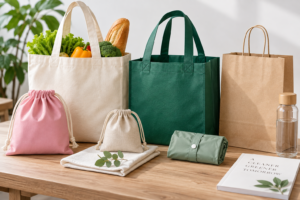
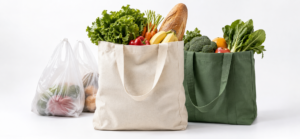
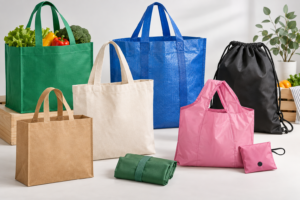
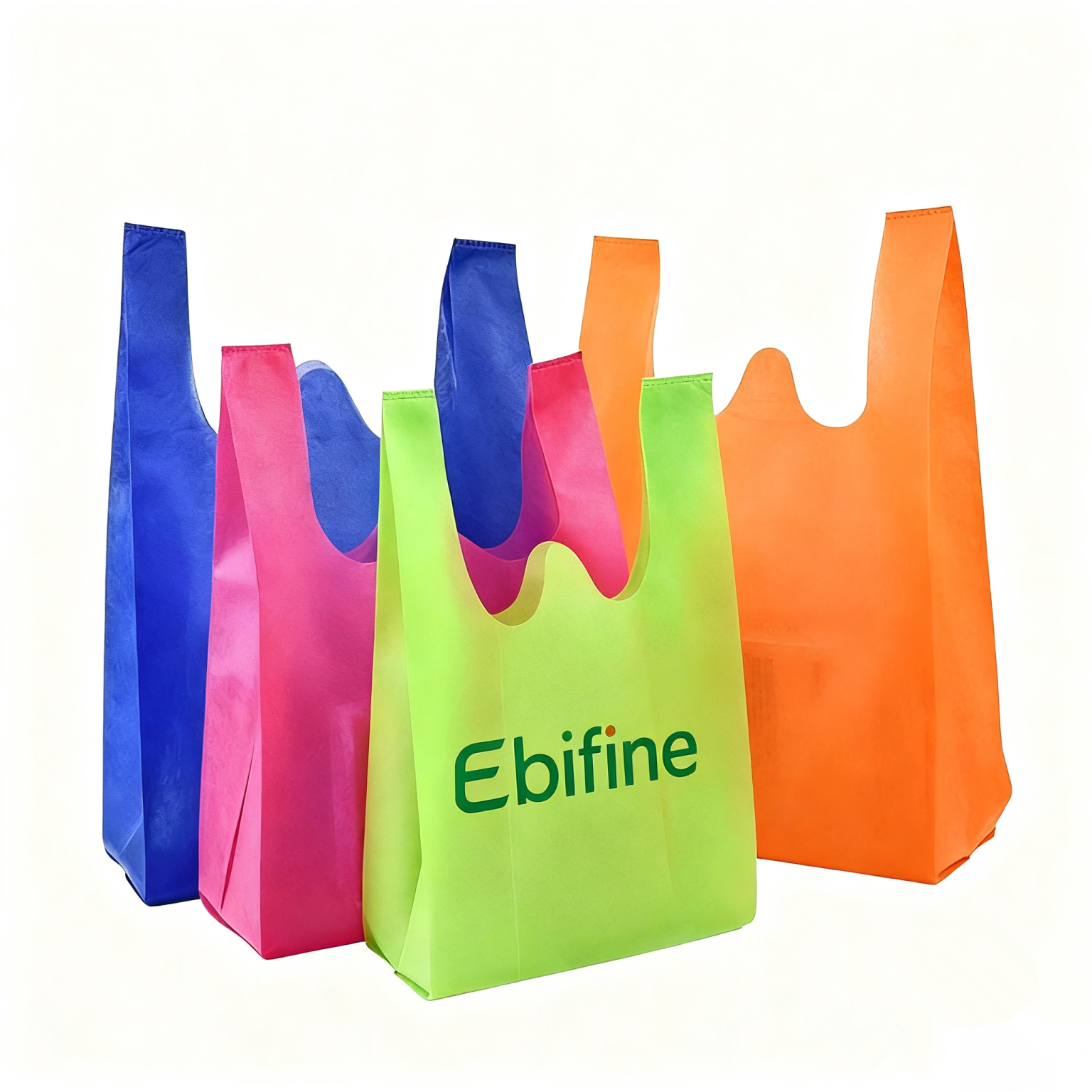
A custom reusable bag is a durable, multi-use carrier constructed from textiles rather than single-use extruded plastics. In commercial packaging, they typically manifest as tote bags, drawstring backpacks, or structured grocery carriers. The most common substrates are cotton canvas, natural jute, and Non-Woven Polypropylene (PP). Unlike CPE packaging bags which are excellent for inner apparel protection, a reusable tote is the outermost layer of your customer’s shopping experience.
They are engineered to withstand repeated stress, heavy weight, and machine washing. By applying custom silk-screen, heat transfer, or sublimation printing to these durable fabrics, brands transform a simple utility item into a long-term promotional asset.
How It Works: The Mechanics of Impressions
How it works from a marketing perspective is entirely reliant on utility and mobility. When you hand a customer a flyer, it goes into the recycling bin. When you give them a well-designed, sturdy canvas tote, they use it to carry their groceries, pack their gym clothes, or haul supplies to the office. Every time that customer steps onto a subway, walks through a farmer’s market, or navigates a busy street, your logo is broadcasted to hundreds of bystanders at eye level.
This is physical retargeting. The bag bridges the gap between your retail environment and the consumer’s private life, continuously reinforcing brand recall without requiring ongoing ad spend.
The 9 Benefits of Custom Reusable Bags
In our testing and extensive work with global retail partners, these are the nine distinct commercial advantages of deploying custom reusable bags.
1. The Walking Billboard Effect (Maximized Visibility)
Unlike a stationary billboard that a consumer drives past at 60 mph, a reusable bag travels directly through high-density pedestrian areas. A high-quality bag essentially turns your customer into an active, unpaid brand ambassador. Because the bag goes where the customer goes, your brand achieves hyper-local penetration in the exact demographics and neighborhoods where your target audience lives.
2. Unmatched Cost-Per-Impression (CPI)
Marketing budgets are scrutinized heavily. The benefits of custom reusable bags shine in their mathematics. If a custom bag costs you $1.50 to manufacture and generates 3,000 impressions over two years, the CPI is essentially zero. This eclipses the ROI of Google Ads, Facebook campaigns, and certainly direct mail.
3. Tangible Corporate Social Responsibility (CSR)
Consumers are demanding sustainability. By replacing single-use plastics with a reusable option, you are visually proving your commitment to environmental stewardship. This isn’t just corporate jargon; it directly influences purchasing behavior. Customers feel better patronizing businesses that actively reduce landfill waste.
4. High Perceived Value vs. Disposable Packaging
When you hand a customer a premium item in a flimsy plastic sack, you degrade the product. When you present that same item in a branded, heavyweight canvas tote, the perceived value of the transaction skyrockets. For luxury goods, cosmetics, or artisanal food—such as when utilizing specialized bakery packaging—the outer carrier sets the tone for the entire brand experience.
5. Extended Brand Lifespan
A plastic bag lives for 12 minutes (the journey from the store to the house). A well-constructed reusable bag lives for an average of 11 months, with many lasting over 3 years. This extended lifespan ensures your initial marketing investment continues to yield returns long after the initial transaction has concluded.
6. Consumer Psychology of Reciprocity
When you give a customer a high-utility item for free (or as a gift with purchase), it triggers the psychological principle of reciprocity. The customer feels a subtle sense of gratitude and obligation, which dramatically increases the likelihood of repeat business and positive word-of-mouth referrals.
7. Extreme Customization and Brand Alignment
Reusable bags offer a massive, blank canvas. Unlike a tiny pen or a coffee mug, you have square feet of real estate to work with. You can print bold typography, intricate full-color artwork, or subtle, minimalist logos. You can even add functional elements like interior pockets or zipper closures to ensure the bag becomes the customer’s favorite.
8. Retail Revenue Generation
You do not have to give them away. In most professional situations, supermarkets and boutique retailers sell their premium custom bags at the register. Because the manufacturing cost is so low when sourced from a direct non woven bags manufacturer, these bags become a high-margin retail product in their own right, simultaneously generating revenue and advertising.
9. Practical Utility Drives Frequency of Use
The ultimate promotional product is the one that solves a daily problem. People constantly need ways to carry things. By providing a structurally sound, comfortable bag, you are inserting your brand into the customer’s daily routine of grocery shopping, commuting, and traveling.
Limitations and Considerations
We must use commercial and practical judgment: reusable bags are not infallible. The primary limitation is poor design execution. If your logo is obnoxiously large, ugly, or printed on a garish, neon-colored fabric, the customer will never use it in public. They will relegate it to storing rags in their garage. The bag must be aesthetically pleasing to be carried proudly. Furthermore, cheap non-woven bags (under 60 GSM) will tear under heavy loads, associating your brand with poor quality and fragility.
Who Should Use Them
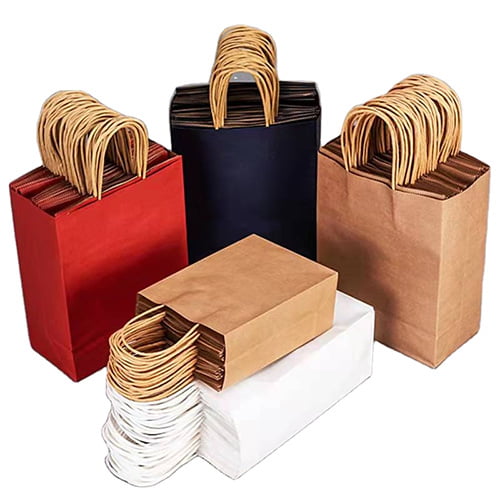
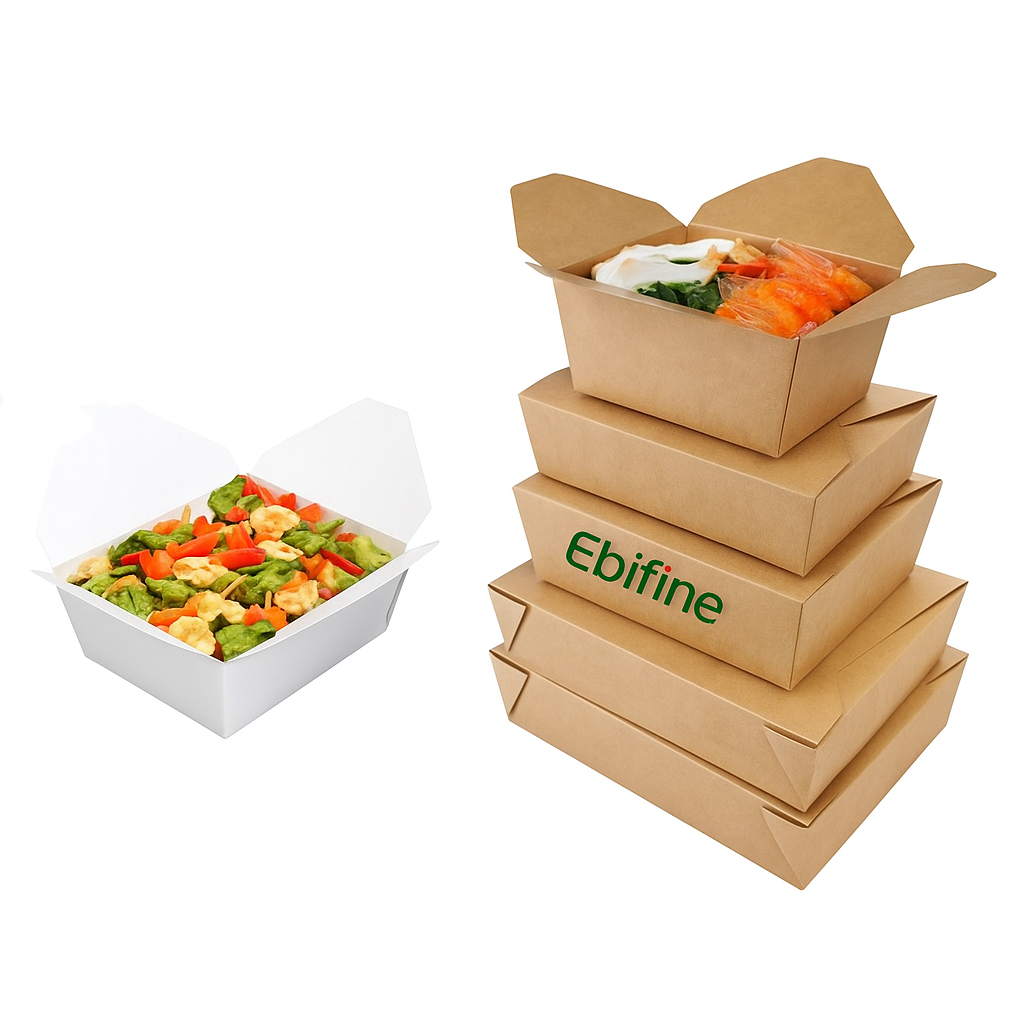
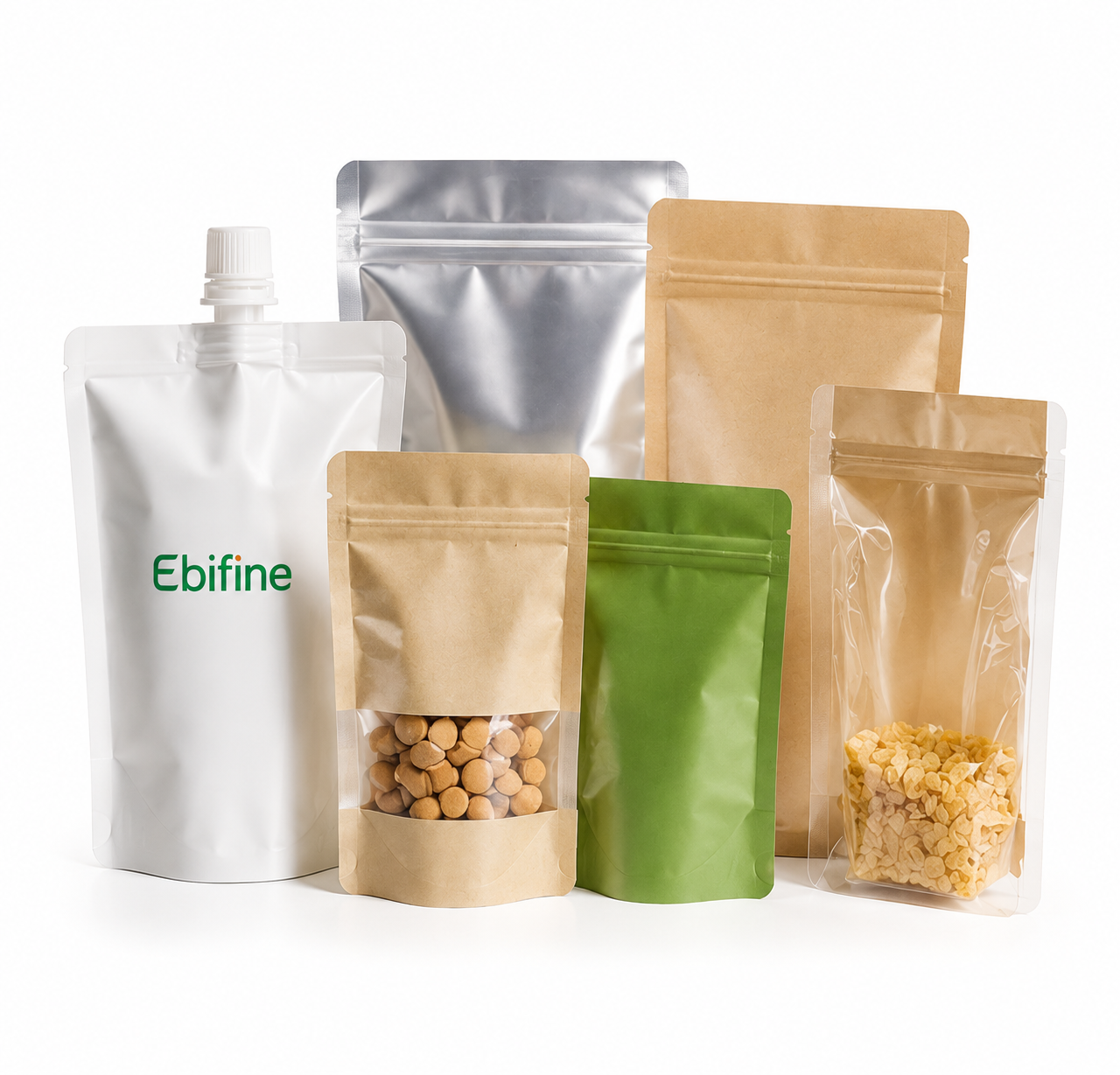
For Commercial Users and Retailers: Supermarkets, clothing boutiques, trade show exhibitors, bookstores, and corporate event planners must utilize reusable bags. They are the ultimate physical takeaway. They also pair flawlessly with internal custom flexible packaging and rigid custom paper boxes to create a tiered, premium unboxing ecosystem.
Who Does Not Need Them
If you operate a purely digital B2B software company with no physical product or trade show presence, manufacturing physical tote bags is likely an unnecessary logistical distraction. Your marketing budget is better spent on digital channels, unless you are creating exclusive onboarding kits for high-ticket clients.
Common Procurement Mistakes
From our experience, the most catastrophic mistake is buying from a domestic middleman instead of a primary manufacturer. You will pay $4.00 for a bag that costs $0.80 to produce. The second most common mistake is undersizing the straps. If the straps are too short to comfortably fit over a winter coat, the customer will abandon the bag immediately. Always specify reinforced, over-the-shoulder handle lengths.
Commercial Buying Considerations
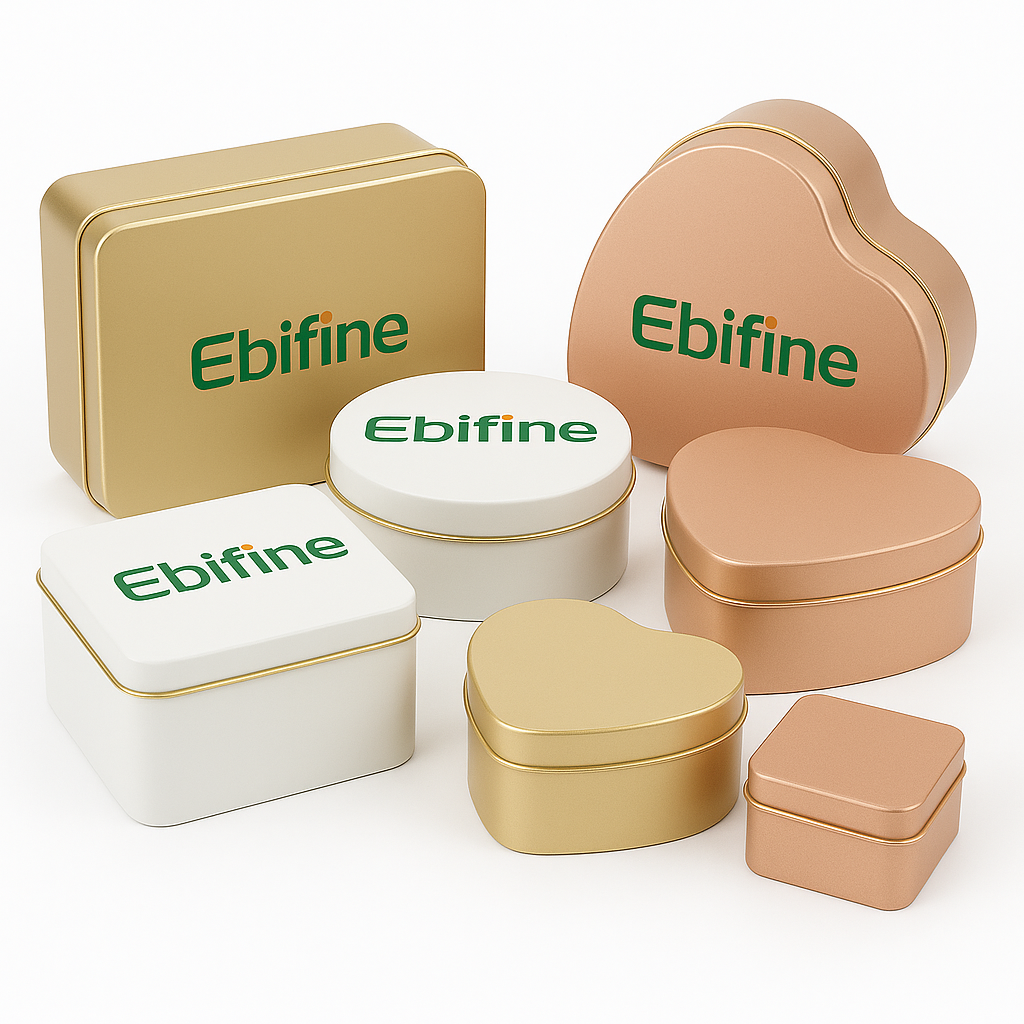
When you are ready to procure, you must specify the fabric weight. For non-woven polypropylene, do not accept anything under 80 GSM (Grams per Square Meter) for standard retail, and demand 100+ GSM for heavy-duty applications like grocery or hardware stores. Additionally, consider how the bag integrates with your other packaging. If you are selling premium coffee, your outer tote should visually compliment the tin packaging and the clear transparent labels used on your actual product.
Summary and Comparison Tables
Quick Summary Table: Best Reusable Bag Materials
| Material Type | Durability | Cost Profile | Best Use Case |
|---|---|---|---|
| Non-Woven Polypropylene (PP) | Moderate to High | Very Low | Trade show giveaways, grocery totes, high-volume retail. |
| 100% Cotton / Canvas | Extremely High | Moderate | Boutique retail, premium corporate gifts, fashion brands. |
| Laminated Woven PP | High (Waterproof) | Low | Heavy groceries, beach bags, vibrant full-color printing. |
Pros and Cons: Reusable Bags vs. Disposable Plastics
| Packaging Method | Pros | Cons |
|---|---|---|
| Custom Reusable Bags | Massive marketing ROI, highly durable, eco-friendly, builds brand loyalty. | Higher upfront unit cost; requires storage space. |
| Disposable Plastic Bags | Extremely cheap per unit, takes up minimal warehouse space. | Zero marketing value after 15 minutes, environmentally destructive, increasingly illegal in major cities. |
Expert Recommendation & Product Spotlight
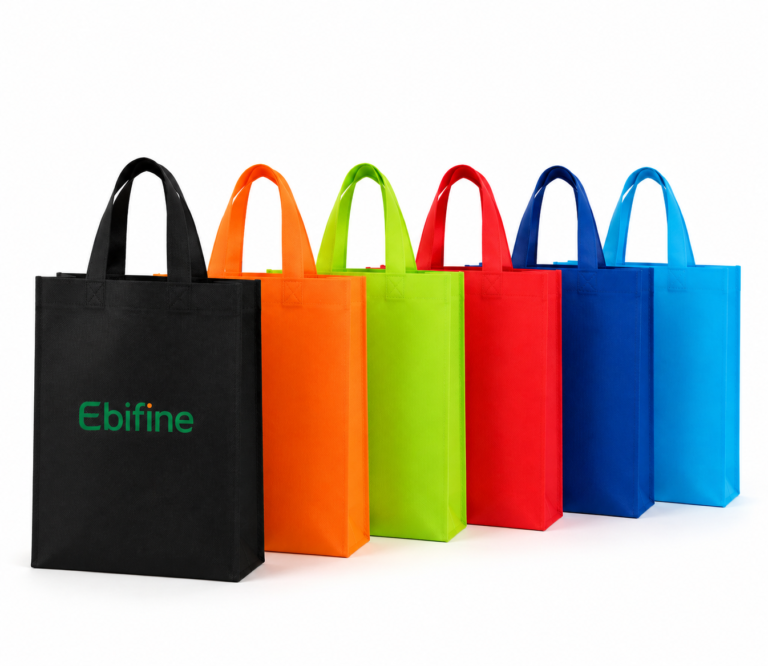
Are the benefits of custom reusable bags actually worth the upfront investment? Yes, unequivocally. The transition away from single-use packaging is not a temporary trend; it is permanent global legislation. We recommend that commercial users immediately audit their checkout and promotional processes. By partnering directly with a primary manufacturer, you can secure premium canvas or non-woven totes for a fraction of domestic costs, transforming a packaging expense into a profit-generating marketing asset.
Frequently Asked Questions
Are custom reusable bags actually a good marketing investment?
Yes. From our experience, the benefits of custom reusable bags stem from their incredibly low Cost-Per-Impression (CPI). A single durable tote bag can generate over 3,000 visual impressions during its lifespan, making it far more cost-effective than digital pay-per-click advertising or disposable flyers.
What is the best material for a promotional reusable bag?
In most professional situations, Non-Woven Polypropylene (PP) of at least 80 GSM is the best balance of affordability and durability for high-volume giveaways. For premium retail merchandise or luxury corporate gifts, heavy-weight cotton canvas (10oz or higher) is the superior choice for aesthetic value.
How do reusable bags improve corporate social responsibility (CSR)?
By replacing single-use plastic bags that choke landfills and oceans, custom reusable bags visually demonstrate a brand’s commitment to environmental sustainability. Consumers increasingly prefer to spend money with brands that actively reduce waste in their supply chain.
How should I design my reusable bag so people actually use it?
You must prioritize aesthetic utility over aggressive branding. Do not make your logo so large that the user feels like a walking billboard. Use stylish typography, subtle brand colors, and ensure the physical straps are long enough (usually 22+ inches) to comfortably sit on a shoulder over a jacket.
Industry References & Authoritative Guidelines
To ensure our packaging strategies align with global commercial data, Ebifine references the following authoritative bodies regarding promotional marketing and environmental sustainability:
- Advertising Specialty Institute (ASI): Annual global ad impressions studies detailing the longevity, retention rates, and Cost-Per-Impression metrics of promotional outerwear and reusable bags. Review ASI Promotional Research
- Environmental Protection Agency (EPA): Federal data on municipal solid waste, the environmental impact of single-use plastics, and guidelines for sustainable packaging alternatives. Review EPA Waste Data
- NielsenIQ: Global consumer insights and retail data proving the modern shopper’s willingness to pay a premium for brands demonstrating authentic sustainability and eco-friendly packaging commitments. Review Nielsen Sustainability Insights