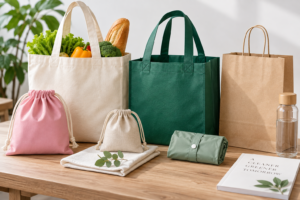

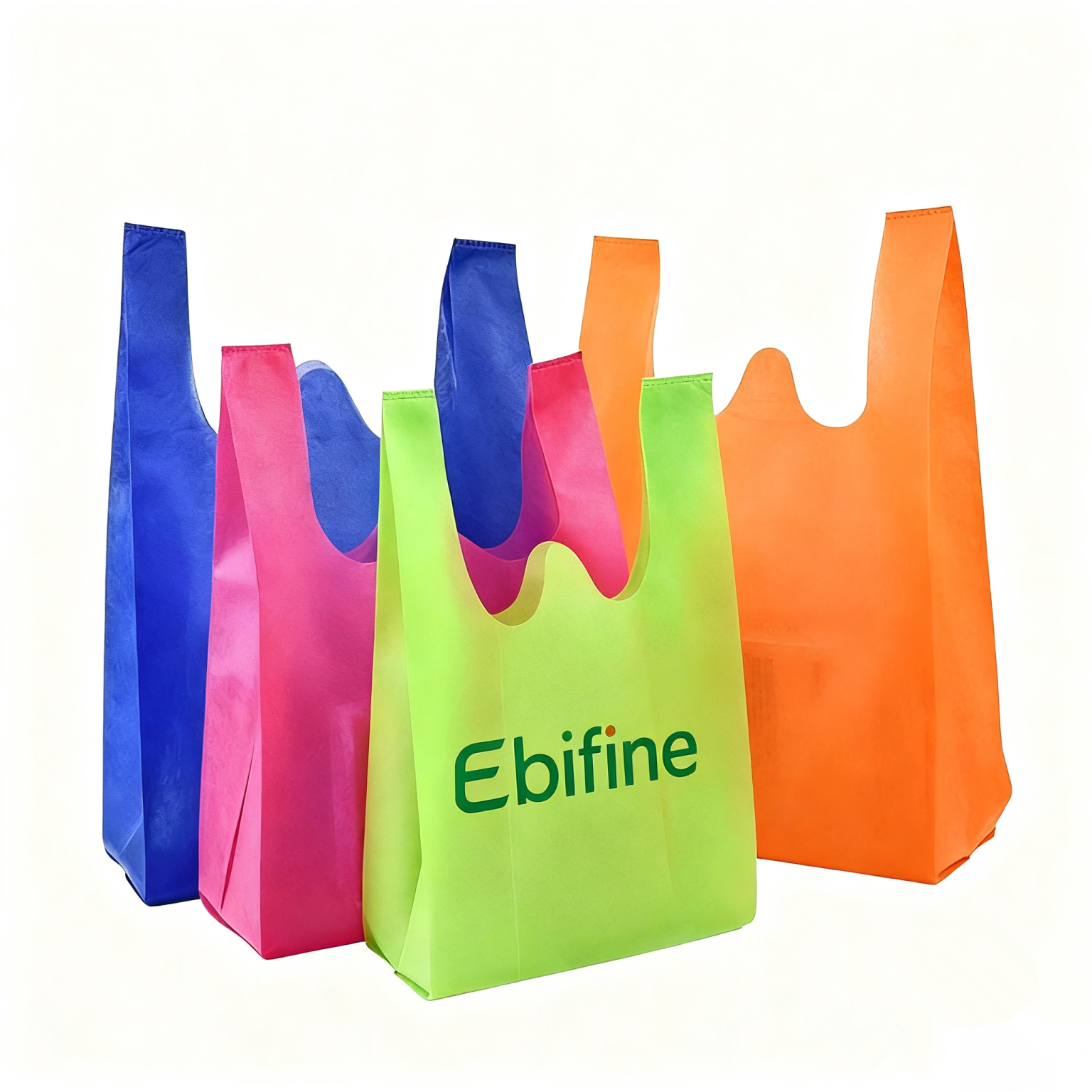
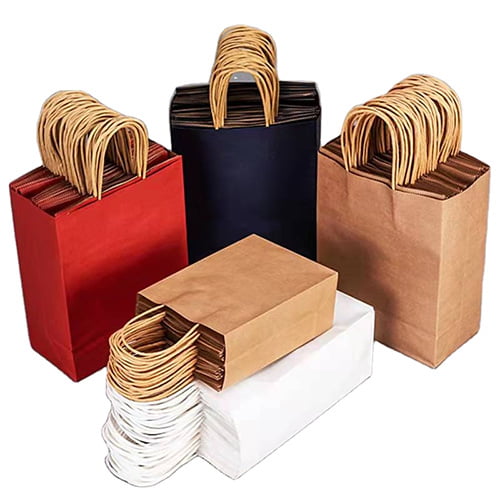
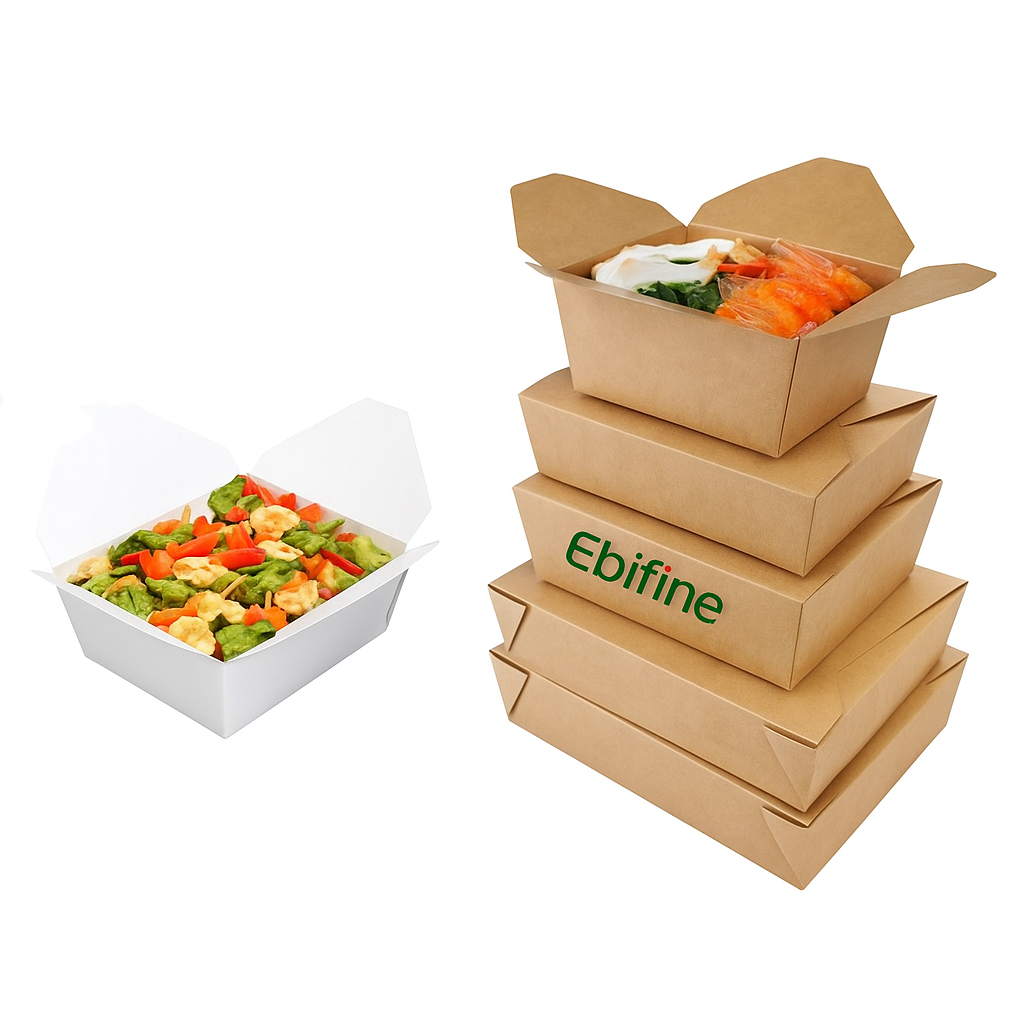
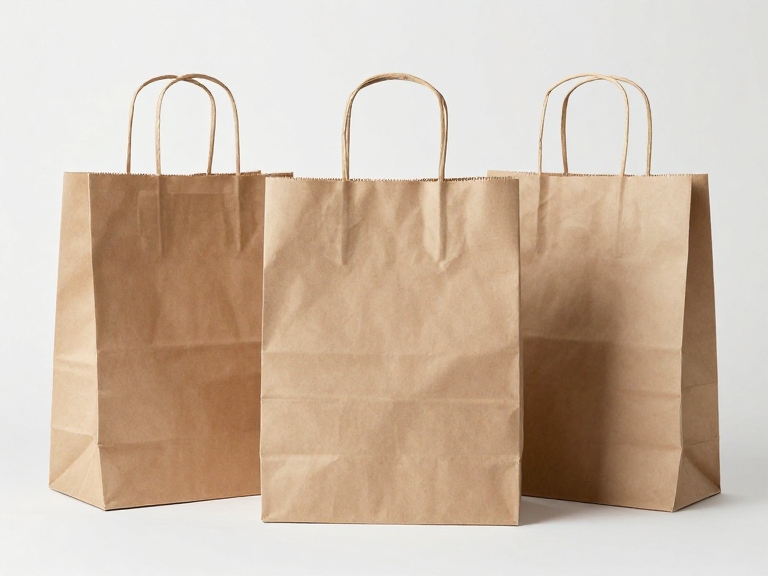
Sourcing paper carriers at volume is not merely about clearing shelf space in the stockroom; it is about taking full command of paper fiber selection, basis weights, handle tensile limits, and brand aesthetics. Sourcing managers must balance paper caliper (measured in GSM), burst factors, post-consumer recycled percentages, and multi-color flexographic printing setups. Whether you run a high-traffic apparel boutique, a luxury cosmetics outlet, or a multi-location specialty food grocer, procuring retail carriers by the pallet or container load fundamentally alters your cost structure. We evaluate the nine primary commercial benefits of buying paper bags wholesale, providing practical procurement criteria to help you elevate store presentation without draining working capital.
Quick Answer: Why Should Retailers Procure Paper Bags Wholesale?
Buying retail paper carriers at volume delivers immediate financial and structural advantages across your retail footprint: 1) Drops unit costs by 40% to 65% compared to spot-distribution pricing; 2) Unlocks factory-direct custom branding via precision flexographic and offset print runs with custom Pantone color matching; 3) Guarantees structural strength specifications (100 to 180 GSM natural kraft) tailored to your exact payload weight; 4) Eliminates out-of-stock packaging emergencies during peak holiday sales quarters; 5) Satisfies municipal single-use plastic bag bans with FSC-certified sustainable substrates; and 6) Enhances retail brand perception by turning everyday shopper foot traffic into mobile brand advertising. In most professional situations, standardizing on wholesale pallet orders pays for itself within two inventory turns.
Table of Contents
- What Wholesale Paper Bag Procurement Entails
- Quick Summary: The 9 Core Benefits at a Glance
- In-Depth Analysis: 9 Benefits of Buying Paper Bags Wholesale
- Procurement Comparison: Wholesale Direct vs. Spot Local Buying vs. Plastic Carriers
- Pros and Cons of Volume Paper Bag Sourcing
- Who Needs Custom Wholesale Carriers vs. Who Can Rely on Stock Sizing
- Featured Packaging Partner: Ebifine Custom Manufacturing
- Costly Mistakes Retailers Make When Sourcing Paper Bags
- Essential Buying Considerations Before Approving Bulk Production
- Expert Recommendation and Retail Procurement Verdict
- Frequently Asked Questions (FAQ)
- Authoritative References
What Wholesale Paper Bag Procurement Entails
Wholesale paper carrier procurement means contracting directly with primary paper converters and bag-forming manufacturing facilities rather than purchasing repackaged bundles from secondary distributors. A commercial paper bag is an engineered substrate. Virgin or post-consumer unbleached kraft pulp is refined, calendered into consistent grammages (typically 90 to 180 GSM), fed through high-speed web presses for flexographic printing, die-cut, and machine-glued with reinforced patch handles, twisted paper cords, or cotton ribbon ties.
How it operates from a commercial standpoint centers on machine setup amortization. Paper converting machinery runs at speeds exceeding 150 to 300 bags per minute. Setting up custom print cylinders, adjusting gusset tuckers, and tuning the bottom-folding drum requires skilled mechanical labor and initial setup waste. When an operator buys only 500 bags, that setup overhead is distributed over a tiny run, driving unit costs to $0.80 or $1.20 each. When you order wholesale—at 10,000 to 50,000 units—the setup cost drops to fractions of a cent per bag. This operational scale enables retailers to secure heavy-duty, fully branded shopping bags for $0.15 to $0.35 each, unlocking immense operational savings across multi-store chains.
In our testing of retail checkout speed, structural paper bag consistency also dictates cashier throughput. Cheap, hand-glued bags often stick together or tear at the bottom fold during rapid opening, slowing down register lines. Wholesale automated manufacturing ensures crisp side gussets and square block bottoms that pop open with a single flick of the cashier’s wrist, maintaining register momentum during peak shopping rushes.
Quick Summary: The 9 Core Benefits at a Glance
The table below provides a quick operational summary of the nine core commercial advantages unlocked when retail businesses purchase paper carriers at volume:
| Procurement Benefit | Underlying Mechanism | Direct Commercial Impact | Typical ROI Metric |
|---|---|---|---|
| 1. Drastic Unit Cost Reduction | Amortized machine setup & bulk pulp buying | Cuts per-bag cost from retail to wholesale pricing | 40% to 65% cost savings |
| 2. Custom Brand Identity | Full-bleed flexo/offset print with Pantone matching | Transforms shoppers into mobile high-street billboards | Zero-cost organic brand impressions |
| 3. Calibrated Structural Strength | Specifying 120–180 GSM virgin or recycled kraft | Eliminates double-bagging and customer bottom tears | Zero damaged merchandise claims |
| 4. Regulatory Plastic Compliance | 100% biodegradable, FSC-certified paper pulp | Bypasses municipal single-use plastic carrier bans | Eliminates local non-compliance fines |
| 5. Buffer Stock Supply Security | Palletized reserve stock in warehouse storage | Prevents running out during Q4 holiday rushes | Guaranteed checkout continuity |
| 6. Handle Ergonomics & Comfort | Upgraded twisted paper, flat tape, or woven ribbon | Allows shoppers to carry heavy payloads comfortably | Enhanced shopper customer experience |
| 7. Checkout Labor Efficiency | Precision automated creasing & square block bases | Bags pop open instantly with one hand movement | 10% to 15% faster register throughput |
| 8. Eco-Conscious Brand Value | Recyclable, compostable, ocean-safe materials | Aligns store values with green consumer sentiment | Higher brand loyalty and repeat visits |
| 9. Packaging Suite Harmonization | Coordinated colors across pouches, boxes, and bags | Unifies retail aesthetic across all customer touchpoints | Cohesive visual brand identity |
In-Depth Analysis: 9 Benefits of Buying Paper Bags Wholesale
1. Drastic Per-Unit Cost Reduction and Gross Margin Protection
The primary commercial driver for volume sourcing is immediate unit cost deflation. Purchasing plain or semi-custom paper shopping bags from regional catalog jobbers or spot retail suppliers incurs a heavy middleman markup. Local distributors tack on warehouse storage fees, break-bulk handling costs, and regional freight surcharges, charging between $0.60 and $1.50 for a mid-sized shopping bag.
By stepping up to factory-direct wholesale runs (typically starting at 5,000 to 10,000 units per size), you tap into continuous reel-fed manufacturing. Bulk purchasing drives unit costs down to $0.15 to $0.35 depending on paper weight and handle configurations. For a retail operation moving 5,000 bags monthly, this simple procurement adjustment saves $30,000 annually—capital that flows straight to your operating bottom line.
2. Factory-Direct Custom Branding and High-Street Marketing
When you purchase generic off-the-shelf brown paper bags, you hand your customer an anonymous blank package. A shopper walking through a bustling shopping center carrying a branded bag acts as a mobile billboard for your boutique. Generic bags waste this zero-cost visual advertising opportunity completely.
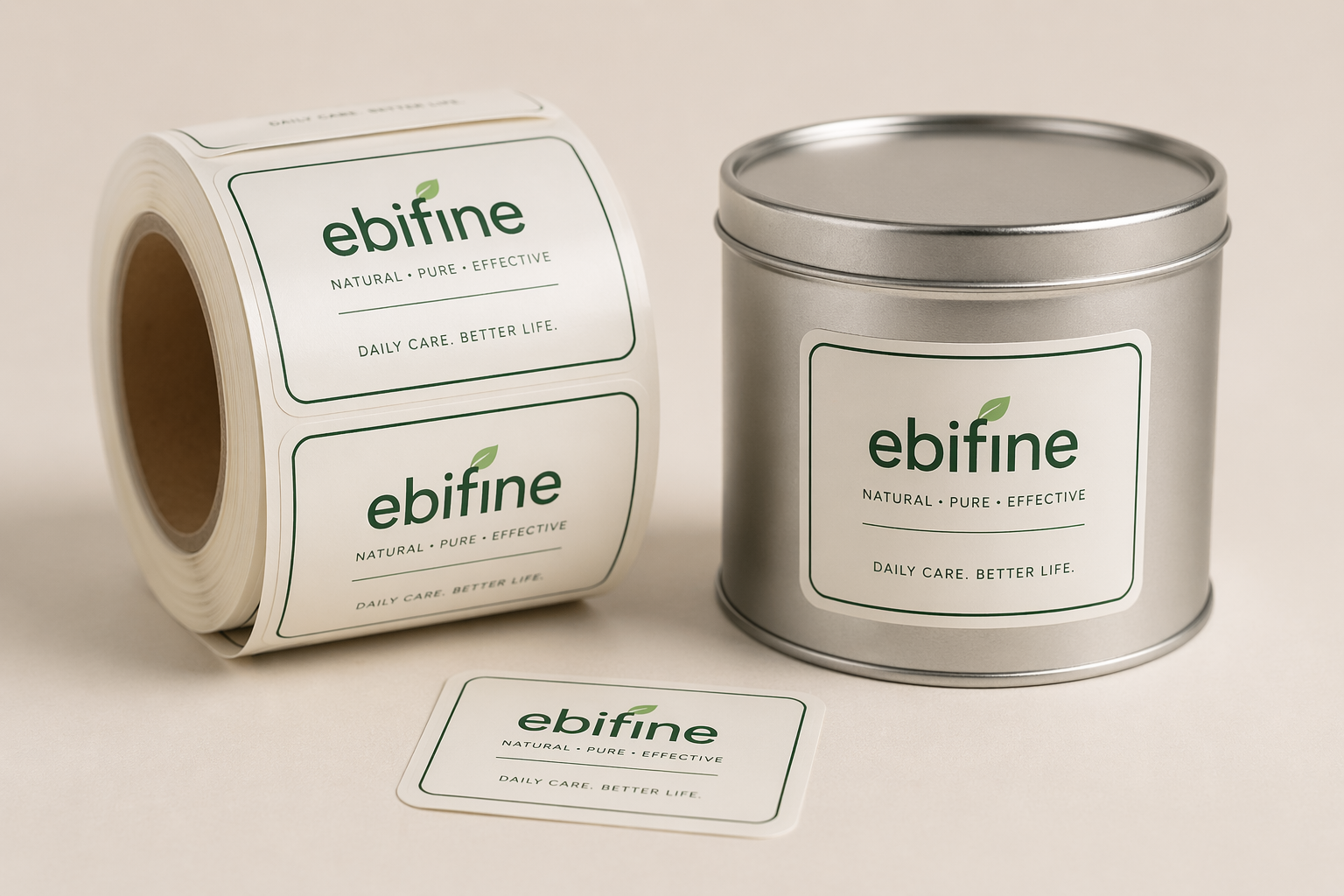
Wholesale manufacturing unlocks comprehensive custom packaging printing capabilities. Factory web presses apply edge-to-edge full-bleed flood coats, intricate metallic foil hot stamping, embossed corporate emblems, and high-resolution multi-color graphics. Instead of sticking an expensive self-adhesive paper label onto a generic blank bag, direct wholesale production integrates your brand typography directly into the paper substrate with sharp print registration.
3. Precise Structural Strength and Elimination of Double-Bagging
One of the most widespread, expensive habits on retail sales floors is cashier double-bagging. When store associates know their stock paper bags are weak, they instinctively slip a second bag inside the first whenever an item has sharp corners, glass bottles, or heavy fabric bulk. Double-bagging instantly doubles your packaging expense and signals poor quality to the customer.
From our experience on production lines, buying wholesale allows you to dictate the exact paper caliper to match your inventory. Instead of settling for flimsy 70 or 80 GSM economy stock, you can specify high-tensile 120, 140, or 180 GSM natural unbleached kraft paper. Strong long-fiber kraft pulp withstands heavy loads without sagging, eliminating double-bagging entirely while preventing embarrassing sidewalk bottoms tears that damage customer merchandise.
4. Frictionless Compliance with Single-Use Plastic Legislation
Municipalities, states, and global jurisdictions are systematically enacting strict single-use plastic carrier prohibitions. Retailers caught dispensing non-compliant thin poly bags face escalating municipal fines, negative local press, and consumer backlash. Transitioning to wholesale paper packaging provides a compliant, long-term solution.
Quality paper carriers made from FSC-certified sustainable timber or high-ratio post-consumer waste (PCW) satisfy environmental retail ordinances worldwide. Unlike oxo-degradable plastics that fragment into microplastics, unlaminated kraft paper bags decompose naturally in municipal composting within 90 days. Aligning your operation with eco friendly packaging standards eliminates regulatory compliance risks while reinforcing your store’s sustainability commitments.
5. Inventory Continuity and Peak-Season Buffer Security
There is nothing more chaotic for a retail manager than running out of shopping bags in the middle of a high-volume shopping holiday like Black Friday or the December Christmas rush. Scrambling to source emergency bags during peak quarters forces companies to pay double for rush courier freight, settle for mismatched sizes, or send shoppers away with plain plastic trash liners.
Contracting wholesale orders on scheduled production cadences establishes dependable buffer inventory in your primary stockroom. Storing palletized cartons of standardized small, medium, and large carriers ensures your sales floor never experiences packaging stockouts during high-margin shopping weekends.
6. Ergonomic Handle Engineering for Shopper Comfort
The handle of a paper bag dictates how long a customer can comfortably carry their purchases while browsing adjacent retail stores. Thin, stiff paper strip handles cut into shopper fingers when carrying heavy items like denim, books, or gourmet pantry jars, encouraging customers to cut their shopping trips short.
Volume manufacturing allows you to upgrade handle mechanics to match your clientele:
- Twisted Paper Cord: Strong, cost-effective, and fully recyclable; internal reinforced patch paper bonds the cord securely to the interior rim.
- Flat Folded Tape Handles: Inexpensive and lay flat inside cartons; best for bakery, takeout, and fast-service retail.
- Knotted Cotton or Grosgrain Ribbon: Delivers a soft, luxurious feel; ideal for cosmetics, high-end boutiques, and jewelry retail.
- Die-Cut J-Cut Handles: Integrated directly into the top fold with cardboard reinforcement; sleek, minimalist, and modern.
Selecting the right handle setup elevates the shopping experience while ensuring handles do not pull loose under heavy payload weights.
7. Accelerated Checkout Speed and Reduced Register Bottlenecks
Checkout friction directly impacts retail conversion rates and customer satisfaction. Flimsy paper bags made with irregular manual glue applications often have stuck gussets that require cashiers to manually pry them open with two hands, adding ten to fifteen seconds to every checkout transaction.
Factory-formed wholesale paper bags are folded and creased by high-precision automated tooling drums. The side gussets are sharply defined, and the rectangular block bottom is glued with uniform hot-melt adhesive. A cashier can open the bag with a swift single-handed snap, place it flat on the counter where it stands independently, and slide merchandise inside rapidly. This streamlined workflow reduces checkout times during high-traffic weekend sales.
8. Building Modern Brand Equity and Eco-Conscious Loyalty
Modern consumers actively evaluate retail packaging choices. Handing a luxury fashion item or an organic skincare product to a customer in a cheap plastic bag creates visual dissonance that diminishes the perceived value of the purchase. High-grade kraft or bleached white paper bags project care, elegance, and environmental responsibility.
Wholesale paper bags serve as a visual marker of quality. When shoppers carry a beautifully printed, thick-paper shopping bag through town, it serves as an organic endorsement of your store. Many consumers retain and reuse sturdy, attractive paper shopping bags for work lunches, gym accessories, or gift wrapping, keeping your logo visible in daily life for months after the initial purchase.
9. Complete Packaging Suite Harmonization
A sophisticated retail operation coordinates packaging across all customer touchpoints. When your shopping carrier matches your inner garment boxes, shipping mailers, and specialty product pouches, your brand creates a cohesive, high-end aesthetic.
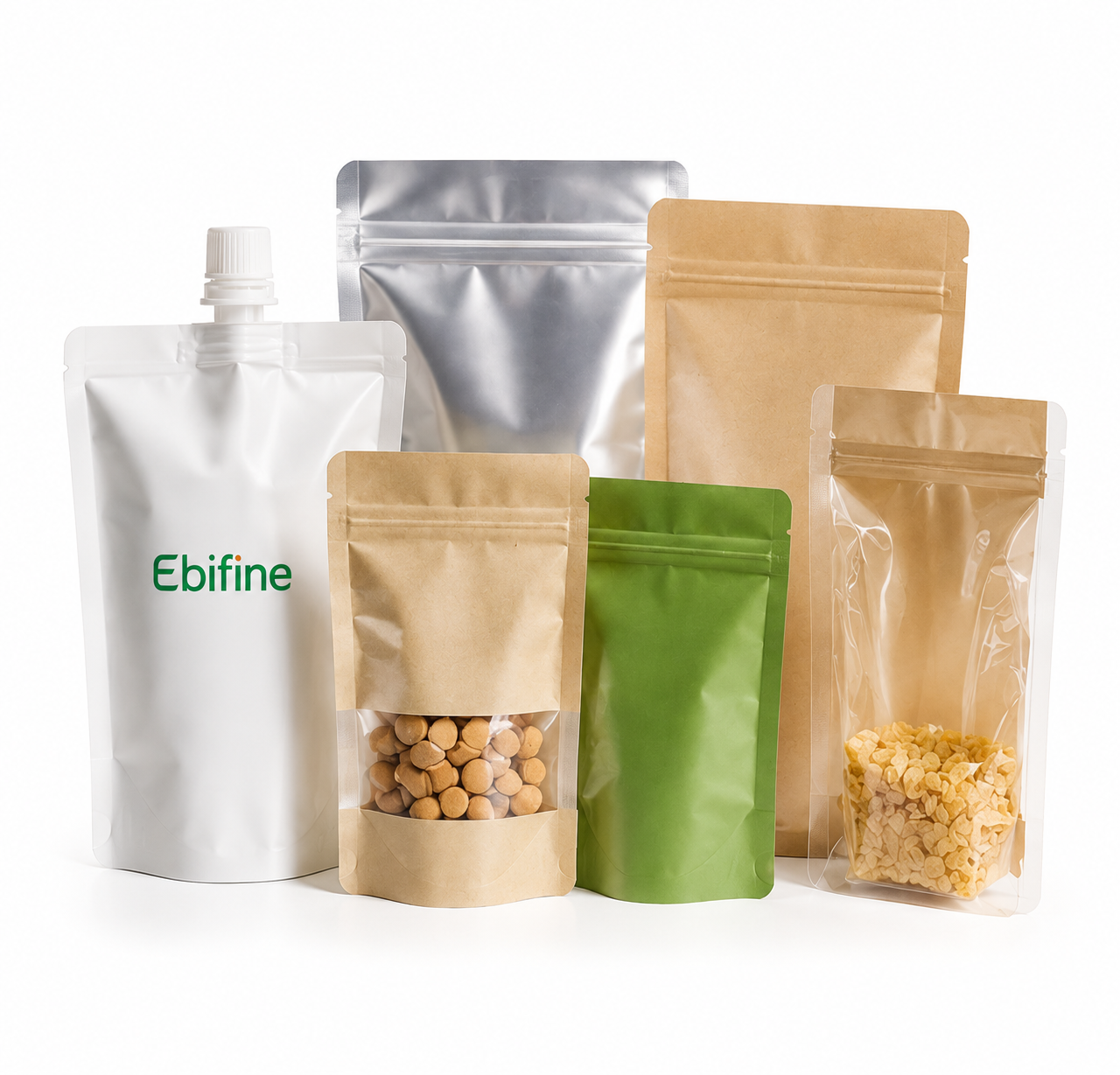
Procuring paper carriers at wholesale scale allows you to coordinate PMS brand colors, paper textures, and typography across diverse formats. Pair your retail shopping bags with complementary custom folding cartons for boxed goods, utilize matching kraft paper pouches for bulk ingredients or accessories, or coordinate with structured flat bottom pouches for gourmet pantry shelves. Developing a unified packaging lineup elevates store presentation from simple merchant to established lifestyle brand.
Procurement Comparison: Wholesale Direct vs. Spot Local Buying vs. Plastic Carriers
To help guide your packaging budget, the matrix below compares the commercial, operational, and environmental dynamics of the three primary retail carrier procurement paths:
| Sourcing Strategy | Average Unit Cost (Medium Bag) | Custom Branding Capabilities | Structural Weight Capacity | Environmental & Legal Compliance |
|---|---|---|---|---|
| Factory Direct Wholesale Paper | $0.18 – $0.35 (Low) | Full-bleed custom print, foil, emboss | Heavy (Up to 10–12 kg with 140+ GSM) | 100% compliant with plastic bans; FSC certified |
| Local Jobber / Spot Catalog Paper | $0.65 – $1.25 (Very High) | Blank or basic single-color rubber stamp | Variable (Usually thin 80–100 GSM) | Compliant, but lacks verified timber chain of custody |
| Single-Use Plastic Carriers | $0.05 – $0.12 (Low upfront) | Standard surface flexo print | Moderate (Stretches under point loads) | Heavily restricted / Banned in major retail markets |
Pros and Cons of Volume Paper Bag Sourcing
Before issuing a bulk purchase order, retailers must weigh the operational advantages of wholesale paper bags against practical inventory management considerations:
| Wholesale Procurement Advantages (Pros) | Operational Demands & Constraints (Cons) |
|---|---|
| Exceptional Margin Savings: Cuts per-unit packaging expense by up to 65% across store operations. | Stockroom Storage Footprint: Palletized cartons require dry, dedicated stockroom storage space. |
| Unrestricted Visual Branding: Direct print access ensures accurate corporate PMS color execution. | Upfront Working Capital: Commits funds to inventory that will be consumed over 3 to 6 months. |
| Eliminates Cashier Double-Bagging: Heavy-gauge paper safely carries heavy retail items in a single bag. | Moisture Sensitivity: Untreated paper weakens if exposed to torrential rain without inner barrier wraps. |
| Elevates Retail Store Aesthetics: Crisp paper bags signal quality, care, and professional merchandising. | Production Lead Times: Custom factory print and sea freight require 4 to 8 weeks advance planning. |
Who Needs Custom Wholesale Carriers vs. Who Can Rely on Stock Sizing
In our experience consulting for retail brands, packaging procurement should match customer expectations and transaction volume.
Who Needs Factory-Direct Custom Wholesale Paper Carriers:
- Multi-Location Apparel & Lifestyle Boutiques: Chains moving thousands of units weekly need low unit costs and consistent branding across every city location.
- Specialty Gourmet Food & Coffee Merchants: Roasteries, delicatessens, and specialty grocers requiring strong bags to carry heavy olive oil bottles and preserves safely. Explore full-store packaging setups through our comprehensive food packaging solutions, durable disposable food packaging, and robust tin packaging supplier containers.
- Cosmetic, Skincare, & Wellness Retailers: High-end wellness brands requiring crisp white kraft bags with matching ribbon handles to reflect clean product formulations, paired with aluminum hardware from our custom aluminum packaging collection.
- High-End Department Stores & Museum Gift Shops: Retailers that sell premium lifestyle goods and want shoppers proudly carrying their logo through downtown districts.
Who Can Rely on Stock Plain Bags:
- Pop-Up Stalls and Weekend Farmers Markets: Temporary merchants operating for single weekends can use small cartons of plain unbranded bags to avoid holding inventory.
- Hardware and Fastener Counters: Industrial utility shops selling nuts, bolts, and raw plumbing parts where visual brand aesthetics do not influence customer purchasing decisions.
Custom Packaging Manufacturer for Global Brands: Ebifine

Ebifine is a premier OEM and ODM packaging manufacturer supporting growing retail brands and global enterprises. Operating advanced converting lines with complete in-house flexographic printing, laminating, and automated bag-forming machinery, Ebifine turns raw paper pulp into high-performance retail carriers and specialty packaging solutions.
OEM / ODM | Premium Quality | Fast Sampling | Factory Direct. Start your custom packaging project today. Get factory-direct packaging solutions with reliable quality and fast turnaround.
Explore complete design options on the Ebifine custom packaging manufacturing portal, and discover specialized cross-industry capabilities across our enterprise packaging solutions portfolio.
Costly Mistakes Retailers Make When Sourcing Paper Bags
In our audits of retail supply chains, store managers repeatedly make four costly packaging sourcing errors:
- Under-Specifying Paper Grammage (GSM) to Shave Pennies: Choosing a 90 GSM bag to save two cents when your store sells heavy goods like jeans, wine, or ceramics is a false economy. The first time a bottle tears through the bag base on the sidewalk, you lose both customer goodwill and the cost of replacing the broken merchandise. Always specify 120 to 150 GSM minimum for heavy retail items.
- Ignoring Handle Patch Reinforcement Construction: The weak point of any paper shopping bag is the handle bond. Bargain manufacturers cut corners by using cheap water-based cold glues and narrow paper reinforcement patches. When exposed to humid summer air or heavy vertical pulling, the handle pulls clean out of the paper rim. Insist on high-tack hot-melt adhesive and wide kraft patch liners over handle anchors.
- Sourcing Bleached White Paper Without Verifying Burst Factor: Bleaching wood pulp softens and shortens cellulose fibers. A 120 GSM bleached white bag is inherently weaker than a 120 GSM unbleached virgin brown kraft bag. If you choose white paper for clean aesthetic reasons, ensure your supplier uses premium long-fiber coniferous pulp to retain high tensile tear strength.
- Ordering Non-Standard Bag Sizes That Do Not Fit Products: Many retailers order bag sizes based on catalog photos without measuring their physical inventory. Sourcing a bag that is two inches too small forces cashiers to step up to an oversized bag, wasting paper mass and making the purchase rattle around inside. Measure your top-selling products and engineer your small, medium, and large bag dimensions to fit your actual items snugly.
Essential Buying Considerations Before Approving Bulk Production
Before approving bulk production tooling or transferring a deposit for a wholesale paper bag run, verify these four technical criteria with your manufacturing partner:
- Forest Stewardship Council (FSC) Certification: Demand verified FSC Chain of Custody paperwork (FSC Mix or FSC Recycled). This guarantees that the timber used to produce your paper carriers was harvested from responsibly managed forests, protecting your brand against greenwashing claims.
- Tensile Burst and Mullen Test Ratings: Request technical data sheets showing the paper Mullen Burst strength (measured in kPa or PSI). A commercial retail carrier should withstand a minimum Mullen burst threshold of 250 to 350 kPa to handle sharp box corners without puncturing.
- Master Carton Packing Density and Moisture Barriers: Paper bags absorb ambient warehouse humidity. Ensure your manufacturer packs bags inside heavy double-wall corrugated cartons lined with internal waterproof polyethylene bags. This prevents moisture absorption during humid ocean freight that causes bags to curl or soften before reaching the store.
- Pre-Production Physical Proof Sign-Off: Never approve a custom printed run based on a digital PDF proof on a computer monitor. Ink absorbs into porous kraft paper, making colors appear darker and less saturated than on glossy screens. Always inspect a physical, factory-printed drawdown proof on your actual paper substrate to confirm PMS color accuracy.
Expert Recommendation and Retail Procurement Verdict
In most professional situations, treating shopping carriers as a passive operational consumable is an expensive retail mistake. Retailers that order generic bags in small quantities from local jobbers pay exorbitant unit prices, hand customers weak carriers prone to tearing, and miss out on valuable high-street brand visibility.
We recommend establishing a structured, twice-yearly wholesale procurement schedule: calculate your annual unit volume across small, medium, and large formats; standardize on 120 to 150 GSM virgin or high-yield recycled kraft paper; choose durable twisted paper or woven ribbon handles; and incorporate clean, edge-to-edge custom flexographic branding. Bypassing regional supply middlemen to partner directly with a dedicated, certified packaging manufacturer like Ebifine cuts packaging expenses by up to 65% while providing a polished, high-end shopping carrier that leaves a lasting positive impression on every customer who visits your store.
Frequently Asked Questions (FAQ)
What are the primary benefits of buying paper bags wholesale for a retail store?
Buying paper bags wholesale reduces unit costs by 40% to 65%, unlocks full-bleed custom factory branding, provides consistent high-tensile paper strength (120–180 GSM) that eliminates double-bagging, guarantees inventory security during peak holiday sales, and ensures full compliance with local municipal single-use plastic bag bans.
What paper thickness (GSM) should retail businesses specify for paper shopping bags?
For small, lightweight merchandise like cosmetics, jewelry, and cards, 90 to 100 GSM kraft paper is sufficient. For standard apparel, shoes, and general retail, 120 to 140 GSM provides dependable durability. For heavy items like denim, books, wine bottles, and gourmet groceries, specify 150 to 180 GSM paper with reinforced patch handles to prevent tearing under load.
What is the difference between virgin kraft paper and recycled kraft paper bags?
Virgin kraft paper is manufactured from fresh wood pulp, featuring long, unbroken cellulose fibers that deliver superior tensile and tear strength at lower weights. Recycled kraft paper incorporates post-consumer waste (PCW) fibers that are shorter from repeated repulping. Recycled paper is more eco-friendly, but typically requires a slightly higher grammage (e.g., 140 GSM vs. 120 GSM) to match the tear strength of virgin kraft.
What are standard minimum order quantities (MOQs) for custom printed paper bags wholesale?
For fully custom printed paper bags running on automated inline converting machines, standard factory minimum order quantities range between 5,000 and 10,000 units per size. Ordering at or above these thresholds ensures the fixed costs of plate making and machine setup are amortized, delivering low wholesale unit pricing.
Are custom printed paper bags fully recyclable and compostable?
Yes, provided they are manufactured using unlaminated kraft paper, water-based or soy-based flexographic inks, and paper-based handles. Bags featuring plastic film lamination, synthetic polymer coatings, or non-separable polyester ribbon handles require specialized processing and cannot be placed directly into standard curbside paper recycling bins.
Authoritative References
- Forest Stewardship Council (FSC): Global Standards for Responsible Forest Management and Chain of Custody Certification
- ASTM International: Standard Test Method for Grammage of Paper and Paperboard (Weight per Unit Area, ASTM D646)
- Technical Association of the Pulp and Paper Industry (TAPPI): Standard Test Methods for Tensile Breaking Strength and Bursting Strength of Paper