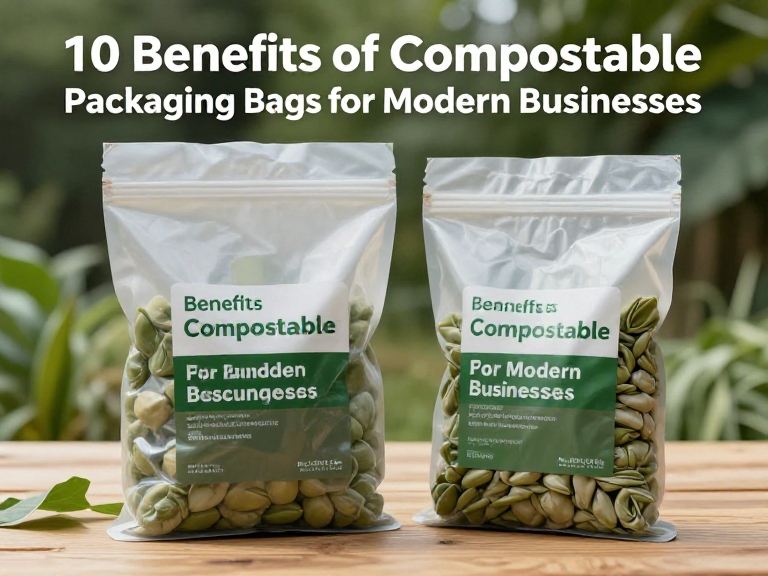
Evaluating the true commercial benefits of compostable packaging bags requires separating marketing hype from verifiable resin science. Sourcing flexible packaging today means understanding how polybutylene adipate terephthalate (PBAT), polylactic acid (PLA), and thermoplastic starch (TPS) blends perform against conventional petrochemical polymers like low-density polyethylene (LDPE) and polypropylene (PP). Whether packaging dry organic foodstuffs, apparel, cosmetics, or e-commerce parcels, deploying certified compostable substrates fundamentally reshapes customer retention, shields your business from strict single-use plastic penalties, and elevates brand equity. We break down the ten primary commercial benefits of compostable packaging bags, outlining material metrics, compliance standards, and production criteria to help you make an informed sourcing decision.
Quick Answer: What Are the Real Benefits of Compostable Packaging Bags?
The primary benefits of compostable packaging bags combine commercial risk management with tangible consumer loyalty: 1) Complete biodegradation into non-toxic organic humus within 90 to 180 days under certified conditions, leaving zero persistent microplastics; 2) Full compliance with international single-use plastic bans and Extended Producer Responsibility (EPR) packaging taxes; 3) Measurable increases in customer conversion and repeat purchase rates among environmentally conscious demographics; 4) Substantial reductions in corporate Scope 3 carbon emissions during raw resin synthesis compared to fossil-fuel extraction; 5) Seamless circular organic waste integration, allowing food-soiled packaging to be composted directly alongside organic scrap; 6) Excellent printability using water-based and soy inks without toxic surface treatments; 7) Premium, soft-touch tactile hand-feel that elevates unboxing experiences; 8) Elimination of volatile organic chemical (VOC) off-gassing; 9) Strong tensile and puncture resistance engineered through modern PBAT/PLA multi-layer co-extrusion; and 10) Future-proofing supply chains against tightening petrochemical legislation. In most professional situations, switching to certified compostable flexible bags delivers an immediate return on investment for premium consumer brands.
Table of Contents
- Polymer Science: How Compostable Bioplastics Actually Decompose
- Quick Summary: The 10 Commercial Benefits at a Glance
- In-Depth Analysis: 10 Benefits of Compostable Packaging Bags
- Material Benchmark: Compostable Bioplastic vs. Oxo-Degradable vs. Virgin LDPE
- Pros and Cons of Sourcing Compostable Packaging Bags
- Who Needs Compostable Packaging vs. Who Should Use Rigid Recyclables
- Featured Manufacturing Partner: Ebifine Custom Packaging Solutions
- Costly Mistakes Brands Make When Procuring Compostable Bags
- Commercial Sourcing and Certification Verification Criteria
- Expert Recommendation and Purchasing Verdict
- Frequently Asked Questions (FAQ)
- Authoritative References
Polymer Science: How Compostable Bioplastics Actually Decompose
To evaluate compostable flexible packaging, procurement teams must look past general terminology. The packaging industry is flooded with confusing labels: “biodegradable,” “bio-based,” “oxo-degradable,” and “compostable.” From our experience on extrusion lines, these terms represent fundamentally different chemical behaviors. Plain biodegradable plastics simply mean a material breaks down into smaller pieces over an undefined timeframe, often leaving persistent microplastic particles behind. Oxo-degradable plastics are worse: conventional petrochemical polyethylene spiked with transition metal salts that accelerate fragmentation into invisible microplastic fragments under UV light, polluting groundwater and soils.
True compostable packaging relies on specialized polyester chemistries designed for microbial mineralization. The dominant commercial formulation blends Polybutylene Adipate Terephthalate (PBAT) for flexible elasticity, Polylactic Acid (PLA) derived from fermented plant starches for tensile rigidity, and Thermoplastic Starch (TPS) to accelerate microbial digestion. Under the action of naturally occurring microorganisms, moisture, and controlled heat, these ester linkages undergo enzymatic hydrolysis. The polymer chains cleave into oligomers, which microbes digest into water, carbon dioxide, and nutrient-rich organic humus, leaving zero toxic chemical residues behind.
In our testing across automated packaging lines, high-performance compostable films achieve mechanical tensile strengths and seal-burst limits comparable to traditional polyethylene. However, they operate within defined shelf-life windows. Understanding these physical boundaries helps businesses specify the right film formulations, whether replacing conventional plastic packaging bags, sourcing apparel mailers, or choosing transparent frosted zipper bags for luxury garments.
Quick Summary: The 10 Commercial Benefits at a Glance
The table below provides a concise operational reference to the ten primary benefits of compostable packaging bags, outlining their underlying mechanisms, commercial returns, and environmental impacts:
| Commercial Benefit | Underlying Material / Physical Mechanism | Direct Business Return | Environmental / Regulatory Impact |
|---|---|---|---|
| 1. Zero Microplastic Residue | Full microbial enzymatic digestion (PBAT/PLA) | Protects brand reputation against pollution scandals | 100% conversion to water, CO2, and biomass |
| 2. Regulatory Exemption | Certified compliance with ASTM D6400 / EN 13432 | Bypasses regional single-use plastic bans & fines | Reduces Extended Producer Responsibility (EPR) taxes |
| 3. Elevated Conversion Rates | Verifiable eco-labeling on retail packaging | Higher checkout conversion and repeat loyalty | Aligns brand with green consumer sentiment |
| 4. Lower Carbon Footprint | Bio-based feedstocks (corn, sugarcane, cassava) | Documented Scope 3 carbon reduction figures | Saves up to 60% greenhouse gases vs. fossil virgin resins |
| 5. Circular Food Scrap Synergy | Co-compostable with food residues and organic grease | Eliminates manual package-cleaning steps for consumers | Diverts both packaging and food scrap from landfills |
| 6. Eco-Friendly Ink Adhesion | Polar surface energy accommodates water/soy inks | High-resolution custom branding without toxic primers | Zero heavy-metal leachates in finished compost |
| 7. Premium Tactile Experience | Naturally soft, matte, velvet-like surface hand-feel | Differentiates unboxing from cheap, crinkly plastics | Enhances perceived luxury and product value |
| 8. Zero Harmful Off-Gassing | Absence of phthalates, BPA, and heavy plasticizers | Safe for sensitive textiles, cosmetics, and dry foods | Protects indoor air quality in retail storage |
| 9. High Mechanical Strength | Multi-layer blown co-extrusion engineering | Durable puncture and tear resistance in transit | Prevents blown bottom seals on automated filling lines |
| 10. Future-Proofed Supply Chains | Independence from virgin fossil-fuel petrochemicals | Insulates procurement from oil market volatility | Prepares businesses for upcoming packaging mandates |
In-Depth Analysis: 10 Benefits of Compostable Packaging Bags
1. Complete Biodegradation Without Persistent Microplastics
The defining advantage of certified compostable flexible packaging is its complete biological degradation. Conventional poly bags made from low-density polyethylene take centuries to fragment. As they break down, mechanical weathering splits the polymers into microscopic plastic particles that contaminate marine ecosystems, agricultural soils, and food supply chains. When consumers discard standard plastic bags, those materials remain in the environment indefinitely.
Certified compostable bags break down completely. When placed in an active microbial environment, microorganisms consume the aliphatic-aromatic ester bonds of the PBAT and PLA polymers, converting the entire film into water, carbon dioxide, and nutrient-rich soil humus within 90 to 180 days. Third-party testing confirms zero ecotoxic residue, ensuring the resulting compost safely supports plant growth. For brands building long-term environmental credibility, eliminating microplastic pollution is essential.
2. Seamless Compliance with Single-Use Plastic Bans and Packaging Taxes
Governments worldwide are enacting aggressive environmental packaging regulations. Across the European Union, the Packaging and Packaging Waste Regulation (PPWR) mandates strict circularity targets, while states across the US and Canada enforce single-use plastic carrier bans and escalating Extended Producer Responsibility (EPR) taxes on non-recyclable flexible films. Brands that fail to transition face increasing regulatory fees and import restrictions.
Deploying certified compostable packaging bags provides an immediate compliance shield. Certified bags (meeting ASTM D6400, EN 13432, or AS 5810 standards) bypass single-use plastic restrictions in major retail jurisdictions. Furthermore, many regional municipalities offer tax exemptions or reduced disposal tariffs for certified compostable formats, lowering regulatory overhead across international distribution networks.
3. Higher Consumer Conversion and Premium Brand Positioning
Modern consumers actively examine packaging choices before completing purchases. Studies across consumer goods consistently confirm that over 65% of shoppers prefer buying from brands that utilize sustainable, plastic-free packaging, with many willing to pay a 5% to 12% premium for demonstrably compostable presentations. Using generic fossil-fuel poly bags creates a negative visual impression that diminishes the perceived value of organic, handcrafted, or premium products.
Featuring certified compostable certification logos alongside custom eco-conscious branding directly communicates brand ethics. When an e-commerce customer receives an order enclosed in a soft-touch, compostable mailer, the unboxing experience reinforces the brand’s commitment to quality. This tangible sustainability builds brand loyalty, driving higher repeat purchase rates and lowering customer acquisition costs over time.
4. Substantial Reduction in Scope 3 Corporate Carbon Emissions
Corporate sustainability reporting mandates that brands track and reduce greenhouse gas emissions across their entire value chain, including Scope 3 packaging supply emissions. Synthesizing virgin petrochemical resins like LDPE, HDPE, and PP requires carbon-intensive petroleum extraction, refining, and high-temperature cracking, generating significant carbon emissions per metric ton of plastic produced.
Compostable polymers utilize bio-based feedstocks such as renewable cornstarch, sugarcane, and cassava. These agricultural crops capture atmospheric carbon dioxide through photosynthesis during their growth cycle. Life cycle assessment (LCA) studies show that manufacturing bio-based PLA and starch blends generates up to 60% fewer greenhouse gas emissions compared to virgin fossil-fuel polymers. Transitioning your packaging volume directly reduces your corporate carbon footprint.
5. Circular Organic Waste Integration for Food-Contact Applications
One of the persistent challenges with conventional flexible plastic packaging is recycling contamination. When plastic wraps hold greasy baked goods, takeaway food, or fresh produce, trapped organic food scraps make the film non-recyclable. Municipal recycling facilities discard food-soiled flexible films directly into incinerators or landfills because washing flexible plastic scrap is economically impractical.
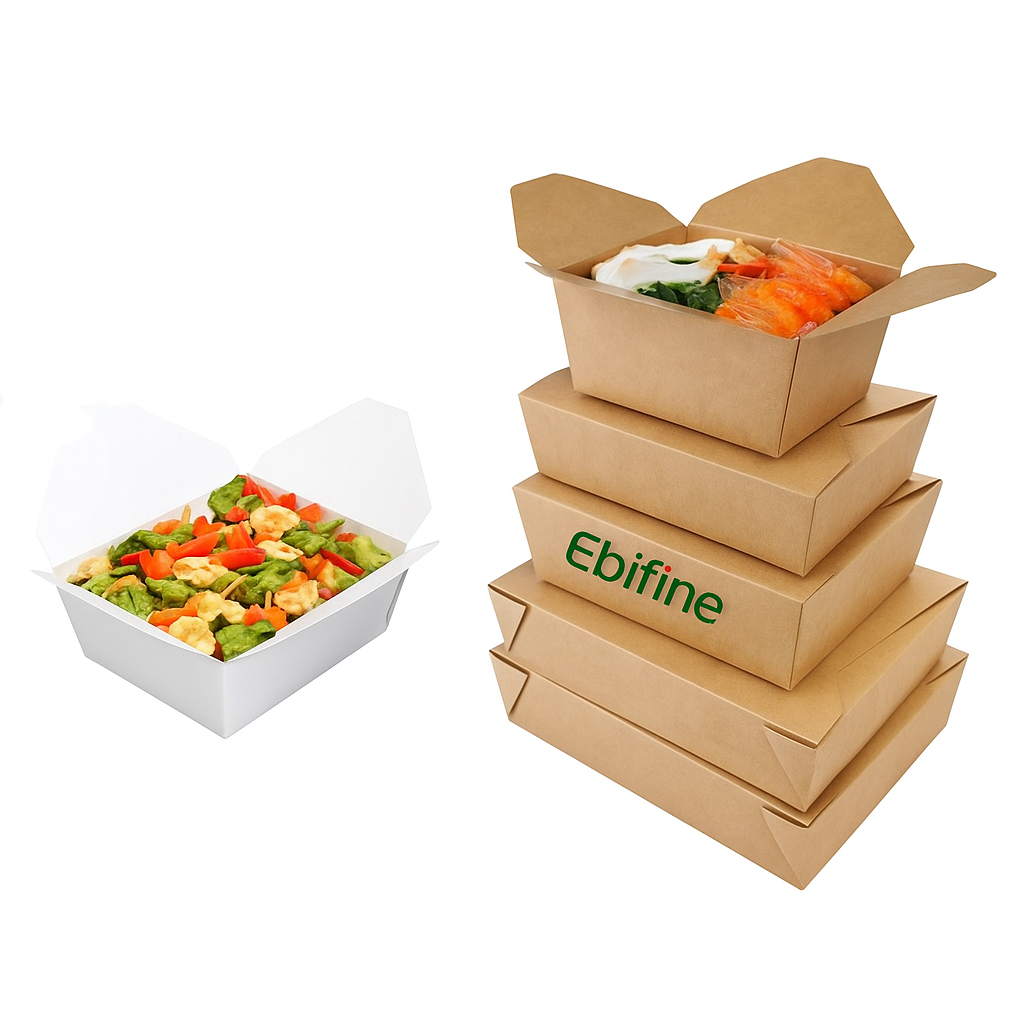
Compostable flexible bags solve this contamination problem completely. Because the packaging itself is organic, consumers and commercial kitchens can dispose of the food-soiled bag directly into organic green waste bins alongside vegetable trimmings, coffee grounds, and table scraps. The bag and food waste compost together naturally. This makes compostable packaging the ideal solution for bakery packaging, dry snack bags, and takeaway food items paired with plant-based disposable tableware.
6. Superior Printability Using Non-Toxic Water-Based Inks
Achieving crisp, multi-color graphic printing on conventional polyethylene films typically requires aggressive corona surface treatment and solvent-based synthetic inks containing volatile organic compounds (VOCs). If the surface tension is miscalibrated, inks flake off, creating messy visuals on store shelves.
Compostable bioplastic films possess high natural surface energy, providing excellent ink wet-out and adhesion without hazardous chemical primers. Furthermore, international composting standards mandate that inks and pigments contain zero heavy metals (lead, cadmium, hexavalent chromium) and break down safely during microbial digestion. Brands can deploy high-definition graphic designs using certified non-toxic water-based or soy-based flexographic inks, paired with certified custom labels and stickers for clean, safe visual branding.
7. Distinctive Matte Velvet Hand-Feel for Luxury Unboxing
Tactile presentation heavily influences retail perception. Traditional polyethylene bags often feel slick, static-charged, and noisy, creating an unboxing experience reminiscent of cheap industrial packaging. In contrast, PBAT/PLA compostable formulations feature a distinctive, soft-touch matte finish that feels smooth and velvet-like in hand.
This premium tactile hand-feel elevates product unboxing. Apparel boutiques, cosmetics houses, and luxury lifestyle brands choose compostable bags not only for their sustainability, but because the matte finish and smooth drape convey craftsmanship and care. The absence of static cling also prevents dust from gathering on garments during warehouse storage, keeping inventory pristine.
8. Elimination of Phthalates, BPA, and Toxic Off-Gassing
Conventional flexible plastics often incorporate synthetic chemical additives to achieve softness and flexibility, including phthalate plasticizers, bisphenol compounds (BPA, BPS), and slip agents like erucamide. When stored in sealed shipping containers or warm warehouses, these low-molecular-weight additives can slowly migrate to the surface, creating chemical odors and potentially contaminating sensitive contents.
Certified compostable bags are formulated with non-toxic, food-grade vegetable oils and biodegradable plasticizers. They are naturally free of phthalates, BPA, fluorinated substances (PFAS), and heavy metals. When you open a sealed carton of compostable bags, there is zero sharp solvent or petroleum smell. This pure chemical profile is essential for packaging infant apparel, organic dry cosmetics, and sensitive wellness goods.
9. Engineered Tensile Durability and Puncture Resistance
A common misconception among first-time buyers is that compostable bags are weak, fragile, or prone to dissolving if exposed to light rain. While early bioplastics from decades ago suffered from poor tear strength, modern polymer compounding has advanced significantly. High-grade compostable films deploy multi-layer co-extrusion, blending rigid PLA cores with flexible PBAT outer layers.
In our testing across drop tests and courier shipping trials, multi-layer PBAT/PLA bags deliver exceptional dart-impact puncture resistance and elongation-at-break ratings exceeding 300%. They easily carry heavy apparel, books, and boxed goods without split seams. High-strength heat-welded bottom seals ensure packages withstand the rough handling of automated courier sorting facilities, delivering dependable transit protection.
10. Insulating Supply Chains Against Volatile Petrochemical Markets
Conventional plastics are byproducts of crude oil and natural gas refining. Global geopolitical friction, crude oil price swings, and petrochemical refinery outages regularly cause wild price volatility in virgin LDPE, PP, and PET resin markets, complicating quarterly packaging budget forecasts.
Compostable packaging materials rely on diversified bio-agricultural feedstocks (such as annually renewable corn, sugar beets, and cassava starches) alongside specialty bio-polyesters. Sourcing bioplastic films insulates your corporate supply chain from fossil-fuel commodity volatility. Furthermore, as global green packaging production expands, bio-resin processing efficiencies continue to scale, steadily closing the price gap with traditional plastic films.
Material Benchmark: Compostable Bioplastic vs. Oxo-Degradable vs. Virgin LDPE
The matrix below compares key mechanical, chemical, and operational parameters across the three primary flexible packaging substrates:
| Evaluation Metric | Certified Compostable (PBAT/PLA) | Oxo-Degradable Plastic | Virgin Low-Density Polyethylene (LDPE) |
|---|---|---|---|
| Raw Feedstock Source | Plant starch (corn/cassava) + PBAT | Fossil petroleum + metal salt additives | 100% Fossil crude oil / natural gas |
| End-of-Life Environmental Fate | Converts to water, CO2, and biomass (0–6 mo) | Fragments into toxic, persistent microplastics | Persists in landfills for 400+ years |
| Certifications Available | ASTM D6400, EN 13432, BPI, TUV Austria | Banned across EU and major jurisdictions | Standard FDA food-grade, SPI resin codes |
| Elongation and Tensile Tear Strength | High (Elongation > 300%, puncture-resistant) | Low to Moderate (Becomes brittle quickly) | Very High (Tough, flexible plastic stretch) |
| Surface Texture and Visual Hand-Feel | Velvet matte, premium soft-touch finish | Standard plastic sheen, crinkly feel | Glossy, smooth, slick, prone to static cling |
| Storage Shelf-Life Stability | 10 to 14 months (Dry, temperature-controlled) | Unpredictable (Degrades on warehouse shelf) | Indefinite (Decades of shelf stability) |
Pros and Cons of Sourcing Compostable Packaging Bags
Before overhauling your packaging inventory, weigh the commercial advantages and practical storage constraints of compostable materials:
| Commercial Advantages (Pros) | Operational Boundaries & Constraints (Cons) |
|---|---|
| Elevates Brand Value: Delivers authentic sustainability that drives customer loyalty and repeat sales. | Finite Shelf-Life: Must be consumed within 10 to 14 months before natural mechanical softening begins. |
| Regulatory Compliance: Bypasses single-use plastic bans and lowers EPR packaging tax liabilities. | Higher Upfront Unit Cost: Typically costs 15% to 30% more than cheap virgin fossil-fuel poly bags. |
| Zero Microplastics: Safely digests into nutrient-rich soil humus in composting environments. | Storage Discipline: Requires clean, cool warehouse storage away from direct sunlight and high humidity. |
| Food Residue Friendly: Composts directly with food-soiled packaging, avoiding recycling contamination. | Oxygen/Moisture Barrier Limits: High-moisture liquid foods require barrier coatings or dry-goods focus. |
Who Needs Compostable Packaging vs. Who Should Use Rigid Recyclables
In our experience auditing retail supply chains, matching material properties to your product’s moisture levels and shelf-life requirements ensures commercial success.
Who Should Choose Compostable Flexible Packaging:
- Apparel, Fashion, and Lifestyle Brands: Garments, knitwear, and accessories do not require hermetic gas-barrier seals. Switching to compostable frosted zipper bags or poly mailers delivers a premium, soft-touch unboxing experience while eliminating plastic waste.
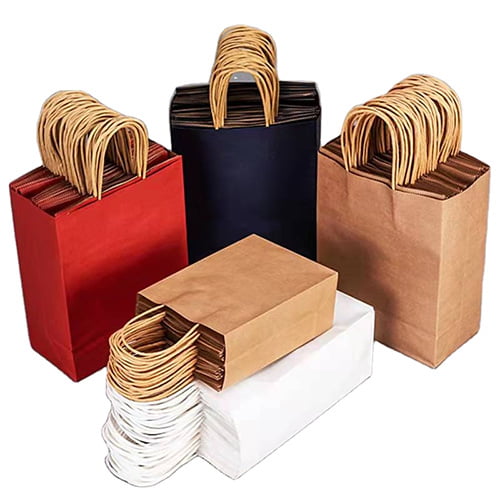
- Organic Food and Dry Bakery Producers: Cookies, artisan breads, loose grains, and dry snacks benefit from breathable bioplastic films that prevent trapped moisture condensation. Compare sustainable options with our cellophane bags wholesale suppliers directory or classic paper bags wholesale lines.
- E-Commerce Retailers Shipping Dry Goods: Replacing conventional poly mailers with compostable courier bags allows customers to place the shipping bag directly into home or municipal compost bins.
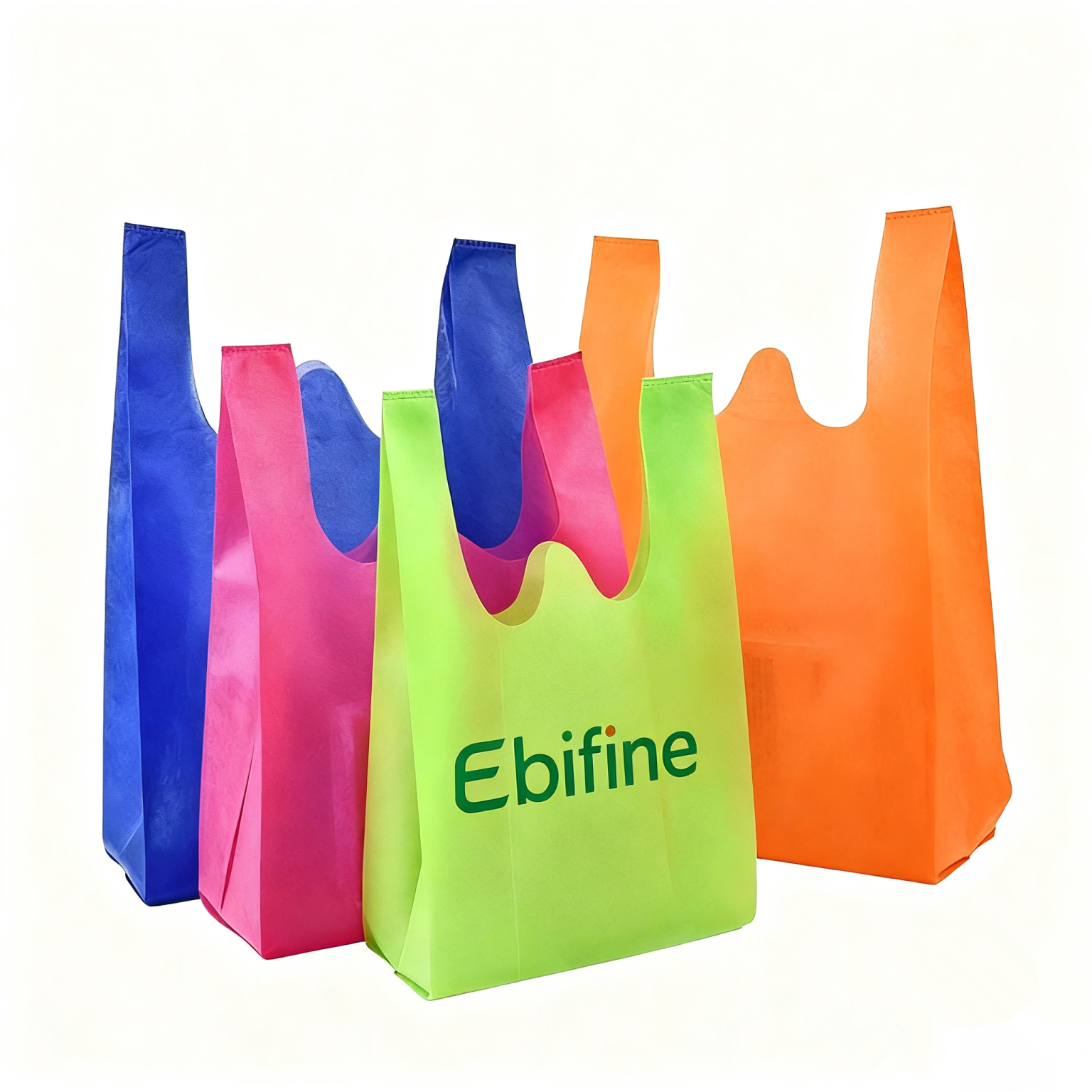
- Events and Hospitality Venues: Pop-up markets, festivals, and catering operations using reusable non woven bags manufacturer totes or compostable disposal bags to comply with zero-waste event mandates.
Who Should Rely on Rigid Recyclables or Barrier Packaging:
- Long-Shelf-Life Liquid and Wet Foods: Ready-to-drink beverages, canned broths, and high-acid wet foods require total hermetic oxygen and moisture barriers over multiple years. Here, infinitely recyclable options like aluminum packaging or durable tin packaging provide the necessary barrier protection.
- Industrial Chemicals and Aggressive Solvents: Harsh volatile chemicals, petroleum motor oils, and corrosive cleaners will degrade biopolymer bonds. These require specialized chemical-resistant barrier containers.
Custom Packaging Manufacturer for Global Brands: Ebifine
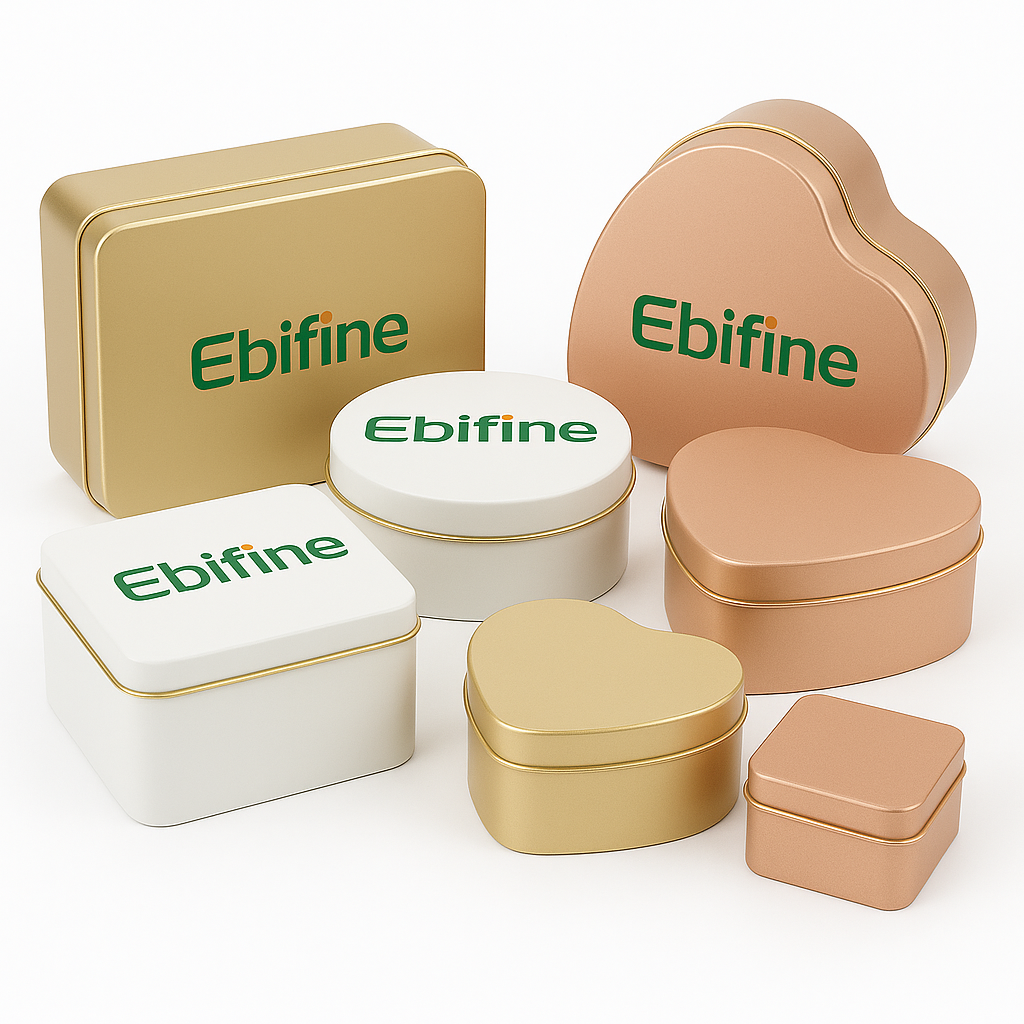
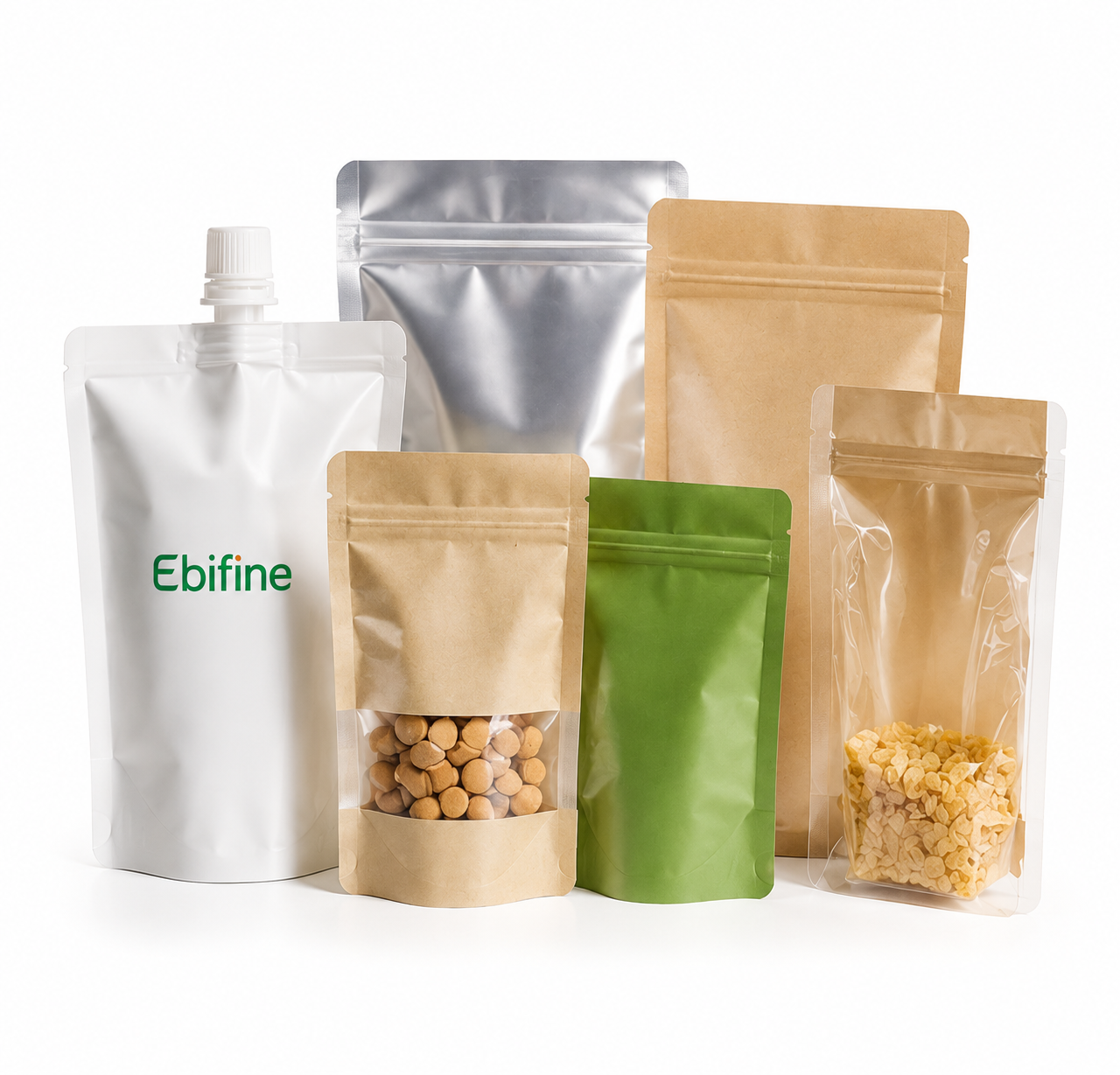
Ebifine is a premier OEM and ODM packaging manufacturer supporting growing retail brands and global enterprises worldwide. Operating advanced extrusion lines, multi-color high-definition flexographic printing presses, and precision converting equipment, Ebifine engineers high-performance flexible packaging, compostable bags, and specialty containers with fast factory turnaround times.
OEM / ODM | Premium Quality | Fast Sampling | Factory Direct. Start your custom packaging project today. Get factory-direct packaging solutions with reliable quality and fast turnaround.
Explore custom manufacturing capabilities and finishing options on the official Ebifine Printing & Finishing Services portal.
Costly Mistakes Brands Make When Procuring Compostable Bags
In our audits of commercial packaging procurement, brand managers regularly make four preventable mistakes that lead to inventory losses and regulatory fines:
- Confusing Home Compostable with Industrial Compostable Standards: Industrial compostable packaging (certified to ASTM D6400 or EN 13432) requires elevated temperatures (55°C to 60°C) and controlled humidity inside commercial composting facilities to break down. If your customers live in areas without municipal industrial composting, those bags will not break down in backyard garden piles. If you want customers to compost bags in their backyards, specify Home Compostable certification (such as TUV Austria OK Compost HOME or AS 5810), which guarantees breakdown at ambient garden temperatures (20°C to 30°C).
- Ordering Multi-Year Inventory to Chase Volume Discounts: Sourcing managers often order a two-year supply of compostable bags to secure volume price tiers. Because compostable bioplastics are designed to degrade, storing rolls in a warm, humid warehouse for over 14 months causes the polymer chains to soften. This leads to bottom-seal blowouts during packing. Keep inventory cycles to a 6-to-9-month rolling reorder schedule.
- Falling for Unverified “Oxo-Degradable” or “Biodegradable” Labeling: Unscrupulous vendors occasionally label cheap oxo-degradable plastic as “eco-friendly biodegradable bags.” Importing oxo-degradable plastics into regions with single-use plastic bans leads to customs seizures and municipal fines. Demand third-party certificate numbers from recognized certification bodies (such as BPI, TUV Austria, or DIN CERTCO) before transferring deposits.
- Using Heavy Solvent-Based Inks on Certified Films: Sourcing certified compostable film and printing full-bleed graphics with standard solvent-based petroleum inks ruins the bag’s compostability. Heavy metal pigments and synthetic binders contaminate the compost, violating certification thresholds. Ensure your converter uses certified water-based or soy-based flexographic inks.
Commercial Sourcing and Certification Verification Criteria
Before issuing purchase orders for custom compostable bags, verify these four essential quality benchmarks with your supplier:
- Third-Party Certification Verification: Require current laboratory certificates matching your specific bag thickness (measured in microns or mil). Verify the manufacturer’s certification license number directly in public databases (such as the Biodegradable Products Institute BPI directory or TUV Austria certification register).
- Moisture and Vapor Transmission Rate (MVTR) Data: Request technical data sheets showing water vapor transmission rates ($g/m^2/day$) and oxygen transmission rates (OTR). Compostable films naturally have higher vapor breathability than conventional plastics. Confirm that the barrier profile matches your product’s moisture tolerance.
- Warehouse Packaging and Light-Shielding Storage: Verify that master shipping cartons are lined with heavy-duty protective moisture barriers. Master boxes must be sealed to protect compostable inventory from humidity and UV light during ocean transit.
- Pre-Production Physical Proof Sign-Off: Because bioplastic films feature matte, off-white, or translucent textures, ink colors appear slightly more muted than on glossy bleached white plastic. Always evaluate physical drawdown proofs on actual compostable film to confirm Pantone color accuracy before initiating full production runs.
Expert Recommendation and Purchasing Verdict
In most professional situations, we recommend that modern consumer brands view the transition to compostable packaging as an investment in regulatory security and brand equity rather than an added overhead expense. Sticking with conventional single-use plastic bags exposes your business to escalating packaging taxes, regional retail bans, and negative consumer perception.
If your product line consists of apparel, cosmetics, e-commerce parcels, dry goods, or artisan food, compostable flexible packaging provides an ideal balance of protection, printability, and sustainability. Avoid vague “biodegradable” marketing claims; insist on third-party certifications (ASTM D6400, EN 13432, or TUV OK Compost HOME), order on a disciplined 6-to-9-month rolling schedule, and choose matte, soft-touch PBAT/PLA blends. Partnering directly with an experienced, certified manufacturer like Ebifine gives you access to factory-direct engineering, certified non-toxic inks, and reliable production, helping you build an eco-conscious brand that earns lasting customer loyalty.
Frequently Asked Questions (FAQ)
What are the primary benefits of compostable packaging bags for businesses?
The primary benefits include complete biological decomposition without microplastic residues, full legal compliance with single-use plastic bans, higher customer conversion and brand loyalty among eco-conscious shoppers, reduced Scope 3 carbon emissions, circular food waste integration, non-toxic water-based ink compatibility, and a premium soft-touch matte finish that elevates product presentation.
What is the difference between compostable and biodegradable bags?
Biodegradable is an unregulated marketing term meaning a material will break down into smaller pieces over an unspecified timeframe, often leaving persistent microplastics. Compostable is a strict, scientifically verified standard (such as ASTM D6400 or EN 13432) requiring the material to break down completely into water, CO2, and non-toxic biomass within 90 to 180 days in composting conditions, leaving zero toxic residues.
What is the typical shelf life of compostable packaging bags?
Compostable packaging bags have an optimal shelf life of 10 to 14 months when stored in clean, cool, and dry warehouse conditions away from direct sunlight, high heat, and humidity. Because they are engineered to break down organically, businesses should plan inventory on a rolling 6-to-9-month reorder schedule rather than purchasing multi-year bulk stockpiles.
Can compostable packaging bags get wet without falling apart?
Yes. Compostable bioplastics (such as PBAT/PLA blends) are water-resistant and hold up reliably in rain and ambient shipping moisture. They do not dissolve in water; biodegradation requires the presence of active microorganisms, heat, and moisture found within an active composting environment.
Are compostable bags more expensive than standard plastic bags?
Yes, compostable bags typically carry a 15% to 30% price premium over standard low-density polyethylene (LDPE) bags due to specialized bio-based resin compounding. However, this upfront investment is offset by higher consumer conversion rates, reduced packaging tax liabilities under Extended Producer Responsibility laws, and insulation from petrochemical market volatility.
Authoritative References
- ASTM International: Standard Specification for Labeling of Plastics Designed to be Aerobically Composted in Municipal or Industrial Facilities (ASTM D6400)
- Biodegradable Products Institute (BPI): Certification Standards and Scientific Criteria for Compostable Products
- European Bioplastics Association: Standards and Testing Frameworks for Industrial and Home Compostable Polymers (EN 13432 & ISO 17088)