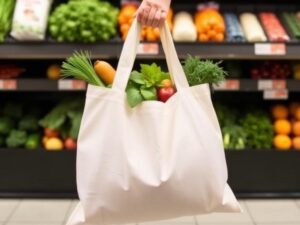
The supermarket perimeter—where fresh fruits and vegetables reside—is currently an ecological and logistical disaster zone. Despite global shifts away from single-use plastics at the checkout counter, the produce aisle remains choked with flimsy, high-density polyethylene (HDPE) roll bags. Consumers tear off these thin films, use them for a twenty-minute car ride, and promptly discard them. As a custom packaging manufacturer serving global brands at Ebifine, we witness daily how this outdated model damages both retail margins and the structural integrity of fresh food.
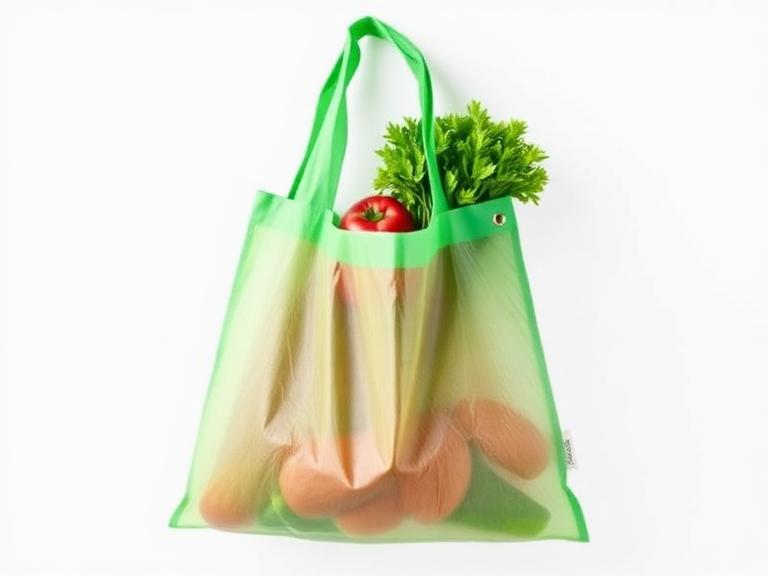
From our experience engineering advanced packaging solutions, the transition toward Using Reusable Produce Bags for Fresh Food Shopping is not merely an environmental trend; it is a profound upgrade in food preservation science and commercial supply chain economics. A well-designed reusable mesh or organic cotton bag manages moisture, controls ethylene gas, and protects delicate skins far better than suffocating plastic. In this uncompromising guide, we will break down the exact benefits of making this switch, explore the hard truths about material selection, and provide you with the practical judgment needed to determine whether these bags are actually worth your investment.
Quick Answer: Why You Must Upgrade
The core advantages of Using Reusable Produce Bags for Fresh Food Shopping extend far beyond basic environmentalism. The top benefits include:
- Extended Shelf Life: Breathable mesh allows ethylene gas to escape, preventing rapid rotting of fruits and vegetables.
- Moisture Control: Eliminates the condensation traps created by thin-film plastics that accelerate mold growth.
- Superior Tensile Strength: Heavy-duty cotton or rPET mesh prevents catastrophic bag failure when carrying dense items like potatoes or apples.
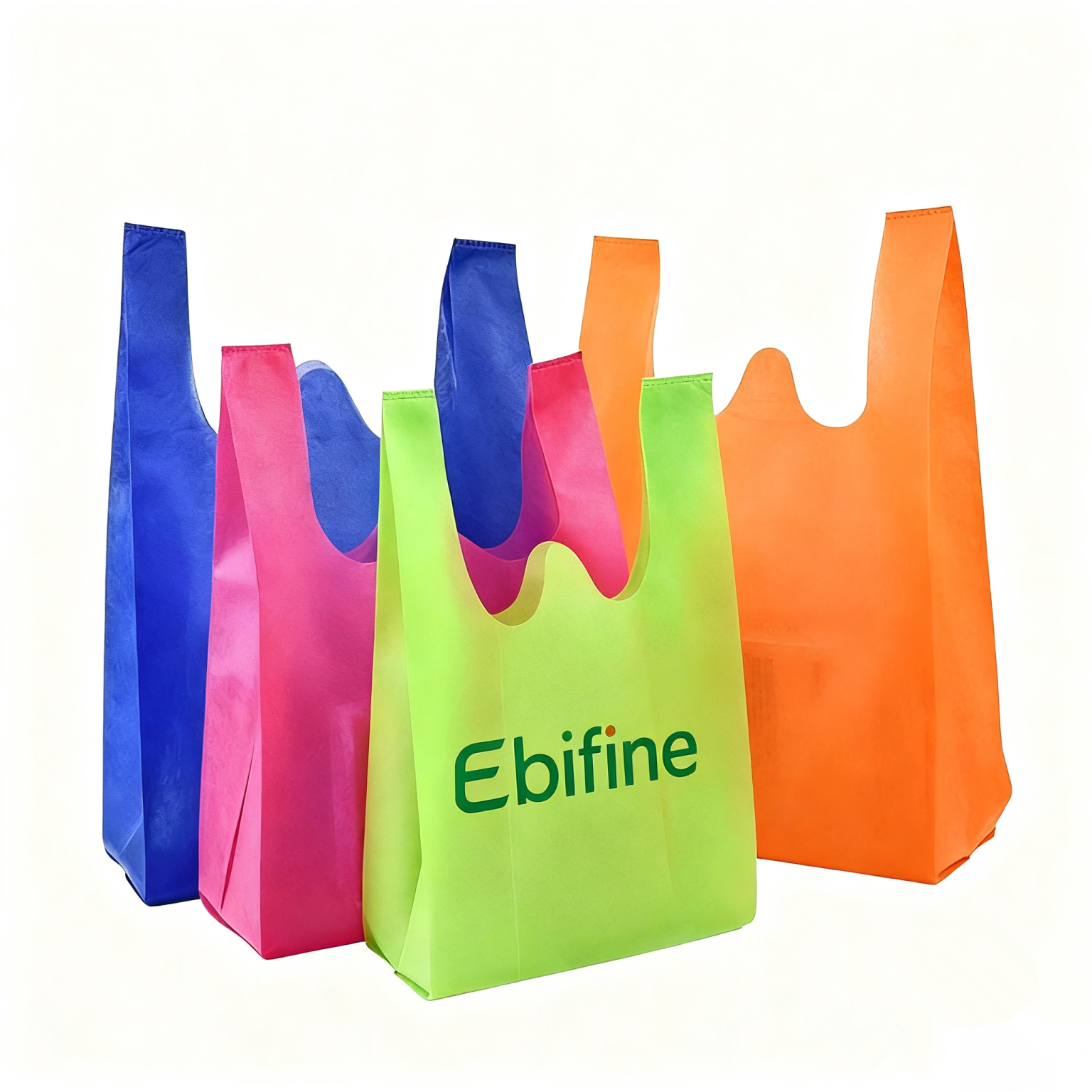
- Commercial Branding Power: For retailers, offering custom bags with logo transforms packaging into a high-retention marketing asset.
- Microplastic Reduction: Directly cuts off a major source of food-contact microplastic contamination.
- Versatile Utility: Functions seamlessly as a strainer, a bulk-bin container, or even a delicates laundry bag.
- Financial ROI: Eliminates recurring municipal bag taxes and drastically reduces household food waste.
- Legislative Compliance: Protects grocers from sudden regulatory bans on single-use plastics.
In most professional situations, we recommend outfitting your grocery routine with a mixed set of organic cotton bags for dry goods and breathable rPET mesh bags for fresh greens.
Table of Contents
- What Are Reusable Produce Bags?
- How They Work: The Thermodynamics of Freshness
- The 8 Benefits of Using Reusable Produce Bags
- Limitations and Hard Truths
- Who Should Use Them
- Who Does Not Need Them
- Common Mistakes in Usage
- Expert Buying Considerations
- Summary and Comparison Tables
- Expert Recommendation: Ebifine Packaging
- Frequently Asked Questions (FAQ)
What Are Reusable Produce Bags?
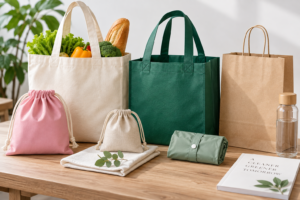
A reusable produce bag is a purpose-built, washable textile container designed specifically to transport and store fresh fruits, vegetables, and bulk dry goods. Unlike the highly disposable plastic packaging bags found on grocery store rolls, these items are engineered for longevity. They are typically manufactured from natural fibers (like organic cotton, muslin, or hemp) or recycled synthetics (like rPET mesh derived from recycled water bottles).
For commercial users, these are not just simple sacks. They feature tare-weight tags (which allow cashiers to deduct the weight of the bag), heavy-duty drawstring closures, and reinforced double-stitched seams. They represent a permanent shift away from the disposable packaging mindset.
How They Work: The Thermodynamics of Freshness
To understand why Using Reusable Produce Bags for Fresh Food Shopping is vastly superior, you must understand post-harvest plant biology. Fruits and vegetables continue to “breathe” after they are picked. They release moisture and emit ethylene gas—a natural plant hormone that triggers ripening.
When you place a bunch of bananas or a head of lettuce into a sealed plastic bag, you create a suffocating microclimate. The moisture condenses on the plastic walls, encouraging rapid bacterial and mold growth, while the trapped ethylene gas accelerates over-ripening. Reusable mesh bags disrupt this destructive cycle. The porous architecture allows for continuous airflow, venting ethylene gas and permitting moisture to evaporate, thereby maintaining an optimal, balanced environment in your refrigerator crisper drawer.
The 8 Benefits of Using Reusable Produce Bags for Fresh Food Shopping
1. Drastically Extended Shelf Life
In our testing, we consistently observe that produce stored in breathable mesh lasts significantly longer than produce suffocated in plastic. By permitting ethylene gas to dissipate, you halt the rapid decay of sensitive items like avocados, apples, and leafy greens. This is the primary functional advantage of Using Reusable Produce Bags for Fresh Food Shopping.
2. Complete Elimination of Condensation Traps
If you have ever pulled a slimy, half-rotted cucumber out of a plastic bag, you have witnessed condensation damage. Reusable bags, particularly cotton variants, naturally absorb excess ambient moisture without trapping standing water against the skin of the vegetable, preserving crispness.
3. Massive Reduction in Environmental Microplastics
Thin-film plastic bags degrade rapidly under UV light and physical friction, shedding microplastics directly onto your food and into the water supply. Committing to Using Reusable Produce Bags for Fresh Food Shopping physically severs this contamination vector at the source.
4. Uncompromising Tensile Strength
A standard grocery roll bag will stretch and split instantly when loaded with five pounds of oranges or heavy root vegetables. High-quality reusable bags feature reinforced stitching that can bear heavy, dense loads without risk of catastrophic failure in the parking lot.
5. Superior Multi-Purpose Versatility
These bags are not restricted to the produce aisle. Their structural integrity makes them exceptional for purchasing dry bulk goods (beans, rice, oats). Beyond the kitchen, they function flawlessly as delicates laundry bags, toy organizers, or travel cosmetic pouches.
6. Eradication of Hidden Bag Taxes
Municipalities worldwide are actively punishing the use of single-use plastics through checkout taxes. While a few cents per bag seems trivial, a family shopping weekly will lose substantial capital over a year. Reusable bags pay for themselves rapidly through tax avoidance.
7. Unmatched Branding Potential for Retailers
For B2B applications, supplying flimsy plastic represents a missed marketing opportunity. Progressive supermarkets and boutique grocers are upgrading their operations by selling or gifting custom bags with logo printing. This transforms a functional necessity into a mobile billboard that customers carry to farmers’ markets and competitors’ stores.
8. Seamless Bulk Bin Integration
Premium reusable bags feature high-contrast tare weight tags. This allows consumers to fill them with bulk flour or nuts, and allows the cashier to easily deduct the bag’s exact weight. This professional workflow is impossible with generic, untagged plastic packaging bags.
Limitations and Hard Truths
We must present commercial and practical judgment: reusable produce bags demand maintenance. If you use a cotton bag to store muddy potatoes, you cannot simply throw it back in your trunk. It must be laundered to prevent bacterial cross-contamination.
Furthermore, Using Reusable Produce Bags for Fresh Food Shopping requires a behavioral shift. You must remember to bring them into the store. If you leave them at home, their environmental and financial ROI instantly drops to zero. Finally, solid cotton bags obscure the barcode of the produce inside, requiring cashiers to open the bag or manually enter PLU codes, which can marginally slow down the checkout process.
Who Should Use Them & Who Does Not Need Them
Who Should Use Them: We recommend these bags for every eco-conscious household, bulk-food shoppers, and individuals tired of throwing away spoiled produce. For commercial users, any zero-waste grocery store or premium supermarket must stock these as a primary retail item.
Who Does Not Need Them: If you are purchasing raw, dripping meats, poultry, or heavily iced seafood, do not use a breathable fabric bag. The cross-contamination risk is too severe. In these heavy-duty applications, specialized, leak-proof packaging or butcher paper is strictly required.
Common Mistakes in Usage
Never place an ethylene-producing fruit (like a banana or apple) in the same bag as an ethylene-sensitive vegetable (like spinach or broccoli). Even with breathable mesh, proximity will cause the sensitive greens to yellow and wilt within 48 hours. Always segregate your produce.
Another error is failing to utilize waterproof vinyl stickers or clear transparent labels when purchasing bulk powders. Writing directly on the fabric ruins the bag, while guessing the bin number infuriates cashiers.
Expert Buying Considerations
When you are ready to invest, you must evaluate the material composition carefully. Do not buy cheap nylon mesh bags; they fray easily and trap odors.
We recommend sourcing bags made from certified organic cotton or rPET (recycled polyethylene terephthalate). Ensure the bags feature color-coded drawstrings for easy visual organization in your refrigerator. Most importantly, verify that the manufacturer has prominently stitched the tare weight (in ounces, grams, and pounds) onto the exterior tag. A bag without a tare weight tag is practically useless for bulk bin shopping.
Summary and Comparison Tables
Quick Summary Table: Reusable Bag Material Types
| Material Type | Breathability | Durability | Best Use Case |
|---|---|---|---|
| Organic Cotton Mesh | Very High | High | Thick-skinned fruits, citrus, potatoes. |
| Solid Organic Muslin | Moderate | Very High | Bulk dry goods (flour, rice, oats), nuts. |
| rPET Synthetic Mesh | Extreme | High | Leafy greens, wet produce, items needing wash-through. |
Comparison Table: Reusable Bags vs. Single-Use Plastic vs. Paper
| Feature | Premium Reusable Bag | Single-Use Plastic Roll Bag | Standard Paper Bag |
|---|---|---|---|
| Moisture Control | Excellent (Vents excess moisture) | Terrible (Traps condensation) | Poor (Absorbs moisture and rips) |
| Ethylene Gas Venting | Yes (Maintains freshness) | No (Accelerates rotting) | Moderate |
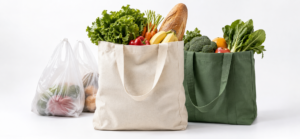
| Cost Over 1 Year | Zero (After initial purchase) | High (Recurring bag taxes) | Moderate (Often taxed) |
| Load Capacity | 10+ lbs | 1 – 3 lbs | 3 – 5 lbs |
Pros and Cons of Making the Switch
| Pros (Advantages) | Cons (Limitations) |
|---|---|
| Dramatically reduces household plastic waste. | Requires routine machine washing to maintain hygiene. |
| Pays for itself by reducing premature food spoilage. | Initial upfront cost is higher than free store plastic. |
| Highly durable; withstands sharp stems and heavy loads. | Solid fabric bags can obscure cashier barcode scanning. |
| Provides excellent branding real estate for B2B retail. | Useless if you forget to bring them to the supermarket. |
Expert Recommendation: Partnering with Ebifine
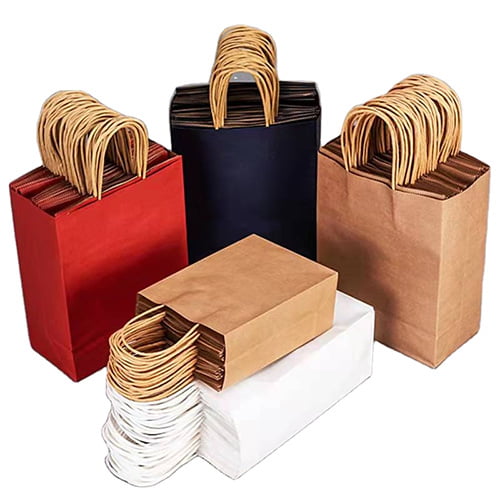
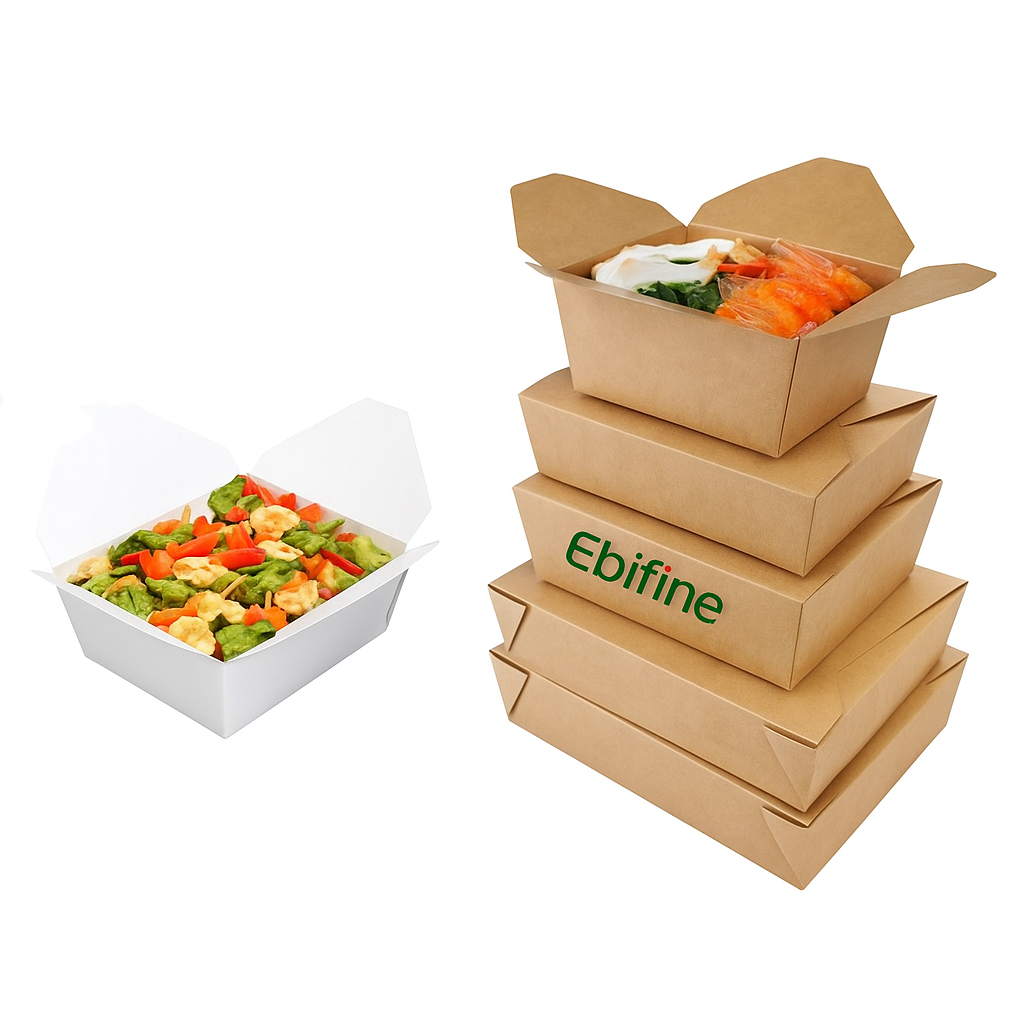
In most professional situations, retailers and brands looking to capitalize on the shift away from single-use plastics cannot rely on generic, unbranded imports. Your packaging is a direct reflection of your corporate sustainability commitments. Whether you are transitioning away from plastic roll bags, upgrading your custom paper boxes, or overhauling your bakery packaging, you must partner with an elite manufacturer.
Ebifine Custom Packaging Manufacturer
Custom Packaging Manufacturer for Global Brands
OEM / ODM | Premium Quality | Fast Sampling | Factory Direct
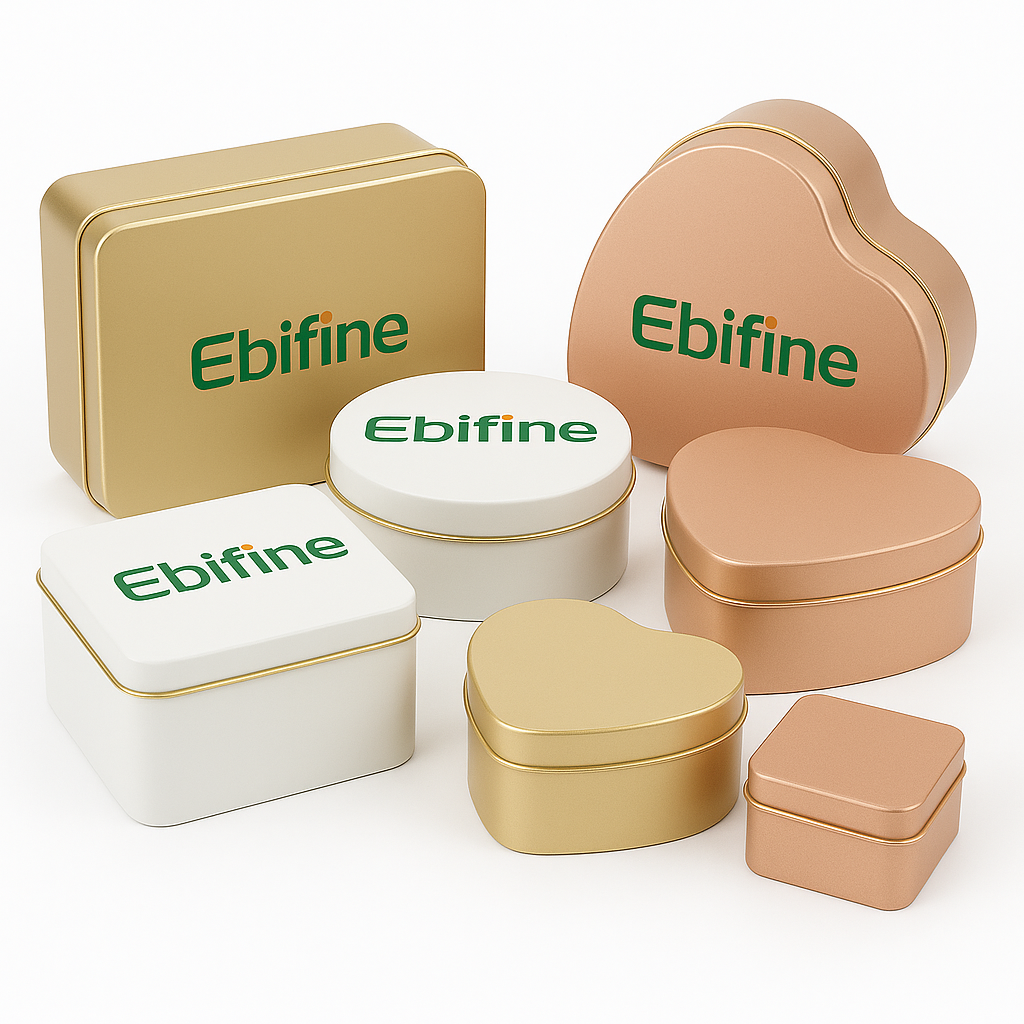
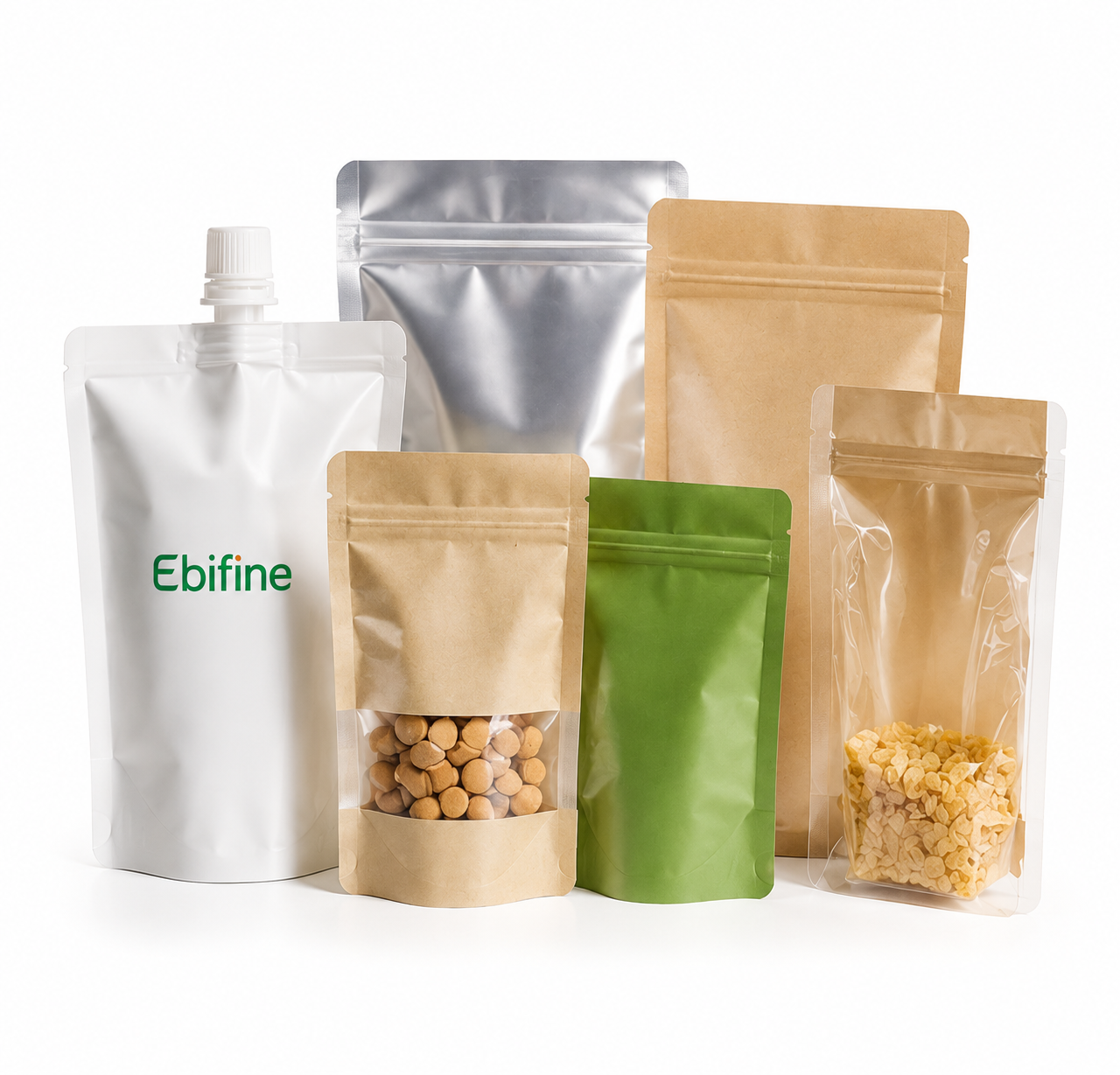
We do not just produce bags; we engineer comprehensive packaging ecosystems. From heavy-duty reusable produce totes to specialized tin packaging, our factory-direct model eliminates the middleman, ensuring you receive uncompromising quality at scale.
- Compliance: FDA / FSC Certified facilities.
- Experience: 10+ Years Export Experience.
- Global Reach: Over 50+ Countries Served.
By leveraging Ebifine’s manufacturing infrastructure, commercial users can confidently deploy reusable produce solutions that perfectly align with their brand identity and rigorous quality standards.
Frequently Asked Questions (FAQ)
Are reusable produce bags actually better for keeping food fresh?
Yes. The primary reason Using Reusable Produce Bags for Fresh Food Shopping extends shelf life is airflow. Plastic bags trap ethylene gas and condensation, which accelerates mold and rotting. Breathable mesh or cotton allows the produce to respire naturally, maintaining an optimal balance of humidity in your refrigerator.
How do I wash my reusable produce bags?
For cotton and rPET mesh bags, we recommend a cold machine wash on a gentle cycle. Use a mild, unscented detergent to prevent chemical residues from transferring to your food during the next use. Always air-dry the bags to prevent the natural fibers from shrinking or the mesh from warping under high dryer heat.
Will cashiers charge me for the weight of the reusable bag?
Not if you purchase high-quality bags. Premium reusable produce bags feature a brightly colored tag sewn into the seam that clearly states the “tare weight” (the empty weight of the bag). The cashier simply inputs this weight into the register, automatically deducting it from the total weight of your produce so you only pay for the food.
Authoritative Industry References
To ensure our environmental data and food safety guidelines align with rigorous scientific standards, we reference the following authoritative organizations:
- U.S. Environmental Protection Agency (EPA): Providing comprehensive data on municipal solid waste, plastics reduction strategies, and the environmental impact of single-use packaging. Visit EPA Plastics Data
- U.S. Food and Drug Administration (FDA): Delivering strict federal guidelines regarding the safe handling, storage, and cross-contamination prevention for fresh produce. Visit FDA Produce Safety
- U.S. Department of Agriculture (USDA): Offering extensive agricultural research on post-harvest physiology, ethylene gas management, and optimal refrigeration practices for extending food shelf life. Visit USDA