The global push for sustainability has made reusable grocery bags more than just a trend—they’ve become a necessity. As plastic bans spread and consumers demand eco-friendly packaging, understanding the reusable grocery bag cost in 2025 is crucial for businesses, retailers, and wholesalers looking to optimize profits while staying environmentally responsible.
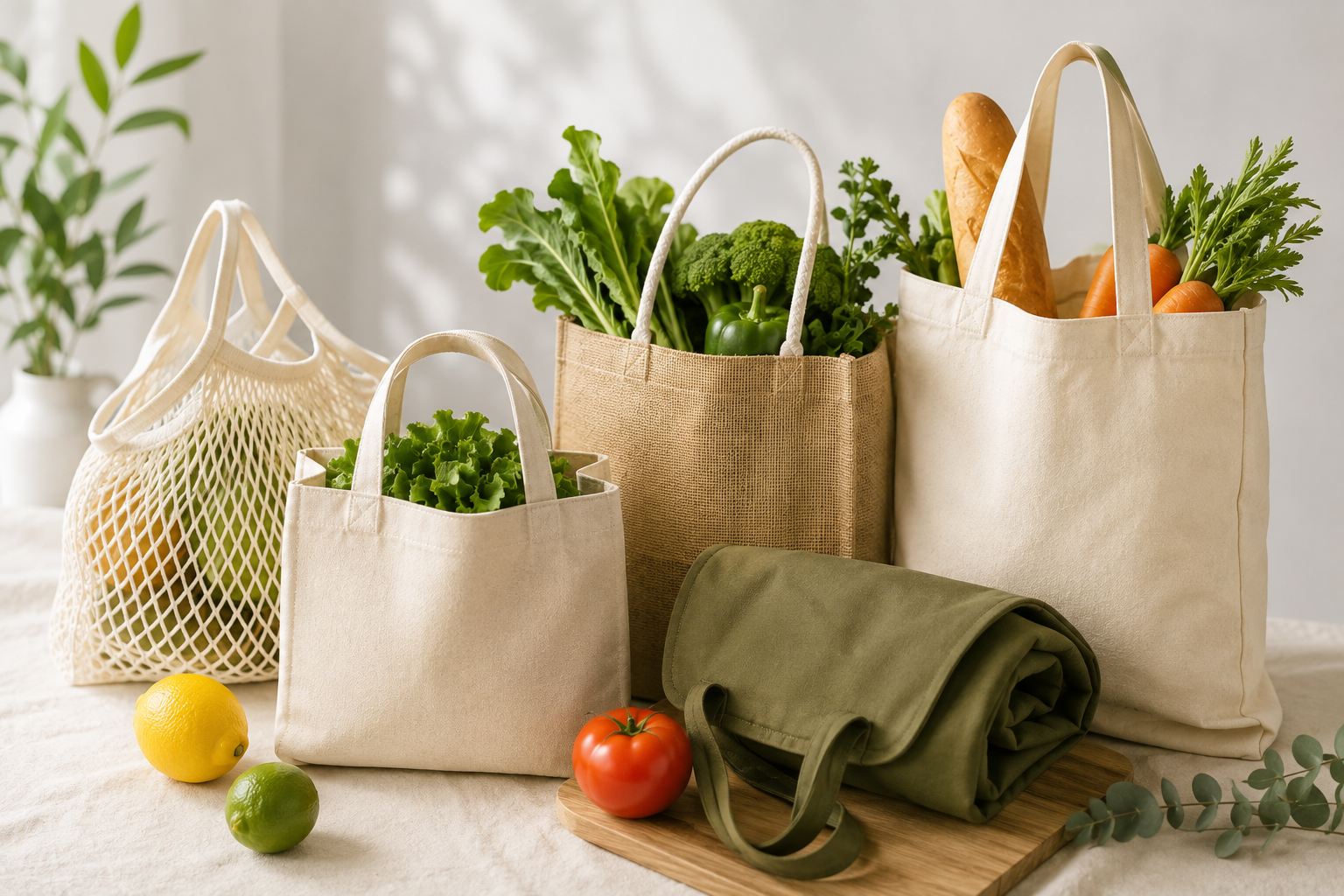
Overview of the Reusable Grocery Bag Market
In 2025, the market for eco-friendly packaging continues to expand rapidly. The reusable grocery bag cost varies widely depending on materials, printing, and production scale. Global awareness about plastic pollution and government regulations have further boosted the demand for sustainable alternatives.
Today’s reusable bags are made not only for environmental impact but also for branding, marketing, and lifestyle appeal. Retailers and corporations now consider reusable bags part of their promotional identity.
Market Growth Insight
- Global reusable bag market value (2025): Estimated at over $15 billion USD.
- Average unit reusable grocery bag cost: $0.25–$3.50 depending on design and materials.
- Top materials used: Non-woven polypropylene (PP), canvas, jute, RPET (recycled plastic), and paper.
Key Factors Affecting Reusable Grocery Bag Cost
Understanding the reusable grocery bag cost involves evaluating several cost drivers. Below are the major factors that influence production expenses and pricing strategies:
1. Material Type
The most significant factor in determining reusable grocery bag cost is the type of material used. Non-woven PP bags are generally the most economical, while canvas or cotton bags are more expensive due to fabric thickness and weaving costs.
2. Printing and Branding
Adding custom logos, full-color designs, or heat transfers can increase the overall reusable grocery bag cost by 20%–40% depending on the complexity of the print and ink type.
3. Bag Size and Style
Larger and reinforced bags require more material, which raises production costs. Handles (woven, rope, or sewn-in) also add to the total reusable grocery bag cost.
4. Order Quantity (MOQ)
Bulk orders significantly reduce per-unit costs. Manufacturers like Ebifine Import And Export Company Limited offer flexible pricing tiers for wholesalers and global distributors.
5. Labor and Energy Costs
Labor efficiency and energy costs, especially in major manufacturing hubs like China, play a vital role in determining final reusable grocery bag cost.
Cost Breakdown by Material Type
The type of material defines not just durability and aesthetics but also the sustainability level and production cost.
| Material Type | Description | Average Cost per Bag (USD) | Durability |
|---|---|---|---|
| Non-Woven Polypropylene (PP) | Lightweight, recyclable, water-resistant, and ideal for mass production. | $0.25 – $0.60 | Medium |
| Canvas / Cotton | Durable and reusable with a premium look, suitable for retail and gift packaging. | $1.20 – $3.50 | High |
| Recycled PET (RPET) | Made from recycled plastic bottles, eco-friendly and long-lasting. | $0.80 – $1.50 | High |
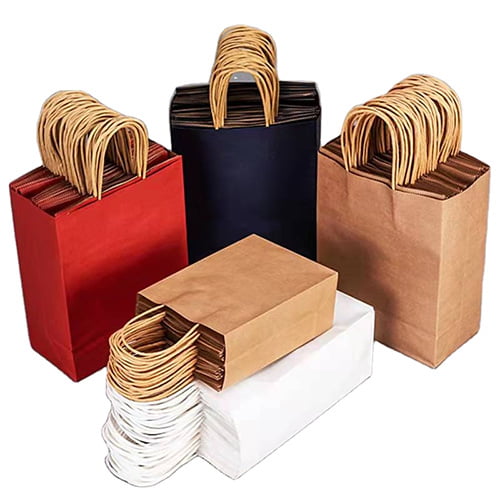
| Paper (Kraft) | Eco-friendly, customizable, but less durable than fabric bags. | $0.30 – $0.80 | Low to Medium |
| Jute / Hemp | Natural fibers, biodegradable, perfect for organic branding. | $1.00 – $2.80 | High |
Manufacturing and Labor Costs
When calculating the reusable grocery bag cost, production expenses such as stitching, printing, cutting, and quality control are crucial.
Manufacturing Process
- Material cutting and lamination
- Logo printing and drying
- Stitching and handle attachment
- Inspection and packaging
On average, production labor contributes 20–30% of total reusable grocery bag cost. Automation and bulk manufacturing help reduce costs while maintaining consistency.
Energy and Machinery Investment
Energy consumption and machinery maintenance—especially in high-output facilities—affect pricing. Modern, energy-efficient factories can produce eco bags at lower per-unit costs.
Customization and Branding Impact on Cost
Customization options add brand value but can raise reusable grocery bag cost.
- Single-color logo: +5% cost
- Full-color heat transfer print: +20% cost
- Custom shape or gusset design: +10% cost
- Metal eyelets and reinforcements: +15% cost
However, retailers find that investing in premium custom designs often improves brand recognition and customer loyalty.
Reusable Grocery Bag Cost Summary (2026)
| Material | Estimated Unit Cost | MOQ (Pieces) | Best Use Case |
|---|---|---|---|
| Non-Woven Bag | $0.25 – $0.60 | 500–10,000 | Supermarkets, promotional giveaways |
| Canvas Bag | $1.20 – $3.50 | 100–5,000 | Retail shops, luxury packaging |
| Paper Bag | $0.30 – $0.80 | 1,000–50,000 | Food packaging, boutiques |
| Jute / Hemp Bag | $1.00 – $2.80 | 300–5,000 | Organic stores, eco campaigns |
| RPET Bag | $0.80 – $1.50 | 500–10,000 | Corporate sustainability programs |
Company Spotlight: Ebifine Import And Export Company Limited
Ebifine Import And Export Company Limited, established in 2016, is a leading manufacturer and exporter in the packing and printing industry. Located in Guangzhou, China, Ebifine offers global clients superior-quality packaging solutions and flexible OEM/ODM services.
“All of our products comply with international quality standards and are highly appreciated in various markets worldwide.”
Related Reusable Bag Options
For businesses comparing reusable grocery bag cost, Ebifine provides several relevant bag options with different materials, durability levels, and price ranges:
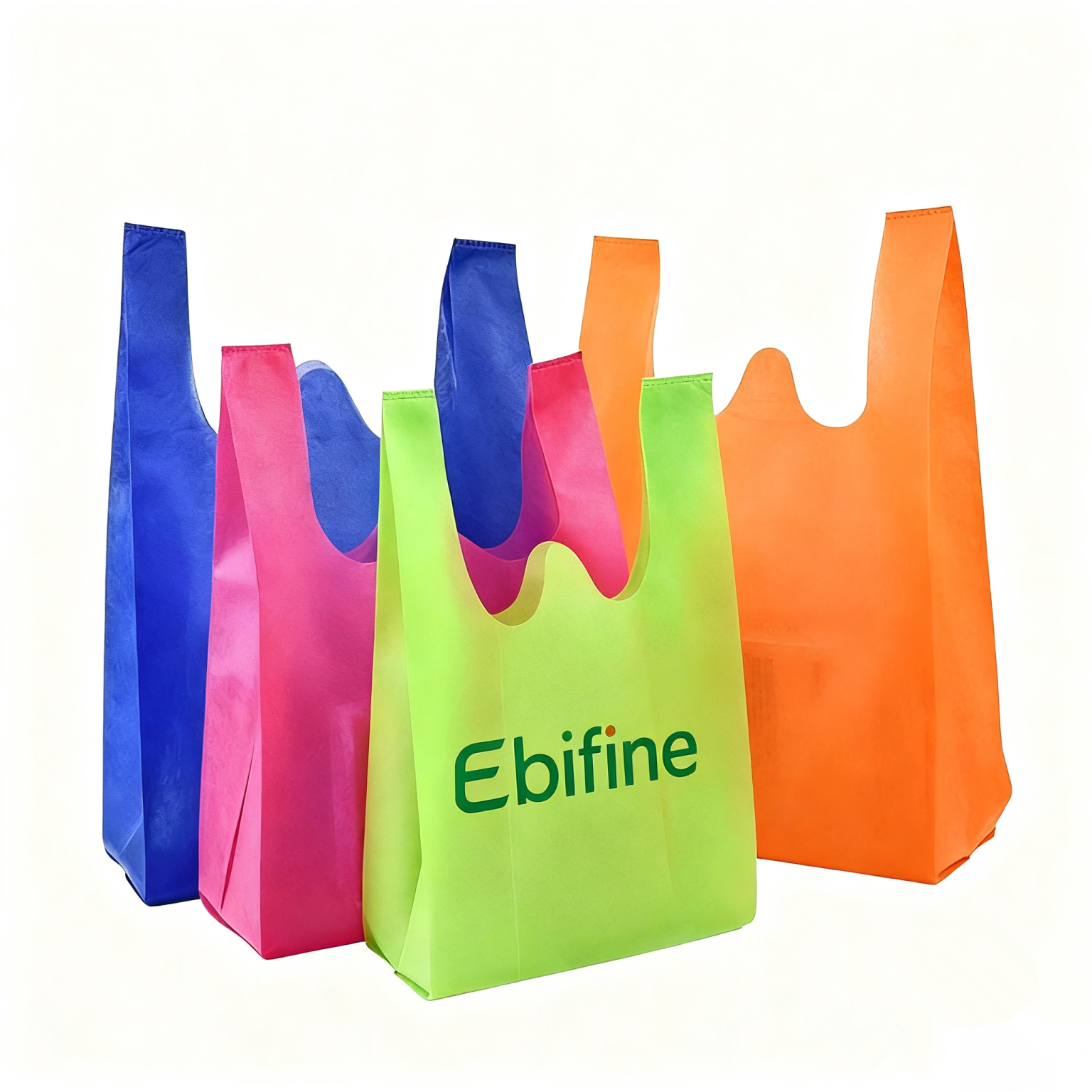
- Non-Woven Bags – a cost-effective reusable option for supermarkets, promotions, and retail use.
- Canvas Bags – a more durable and premium choice for repeated use and branded retail packaging.
- Drawstring Bag Pouches – suitable for promotional, gift, and reusable packaging applications.
Final pricing depends on material, fabric weight, size, printing method, handle design, and order quantity.
By focusing on material efficiency, premium printing technology, and bulk customization, Ebifine Import And Export Company Limited continues to help businesses worldwide achieve cost-effective, high-quality, and eco-friendly packaging solutions.
Frequently Asked Questions (FAQs)
1. What is the average reusable grocery bag cost in 2026?
Depending on material and customization, the reusable grocery bag cost ranges from $0.25 for non-woven types to $3.50 for canvas and premium designs.
2. Which material offers the best cost-to-quality ratio?
Non-woven polypropylene bags provide the most cost-effective balance, offering durability, customizability, and eco-friendliness at a low reusable grocery bag cost.
3. How can I reduce production costs?
Order in bulk, minimize color printing, and partner with efficient suppliers such as Ebifine Import And Export Company Limited to achieve lower per-unit costs.
4. Are reusable grocery bags profitable for retailers?
Yes. Retailers often resell reusable bags at 2–3 times production cost, turning them into both a marketing tool and a revenue source.
5. Do reusable grocery bags comply with international eco standards?
Manufacturers like Ebifine adhere to global standards such as ISO and SGS testing to ensure their products are sustainable and safe.
References
- Ebifine Import And Export Company Limited Official Site
- United Nations Environment Programme (UNEP)
- Statista: Global Reusable Bag Market Data
Conclusion
The reusable grocery bag cost in 2026 reflects a blend of sustainability, innovation, and consumer demand. Whether you’re sourcing paper bags, canvas totes, or non-woven PP bags, working with an experienced manufacturer like Ebifine Import And Export Company Limited ensures consistent quality and cost efficiency. As eco-awareness grows worldwide, investing in reusable bags is not only good for the environment—it’s smart for business.