Every commercial bakery owner, pastry chef, and retail bakery manager eventually hits the packaging profitability wall. Your recipes are perfected, your butter shortbread and spiced gingerbread are beloved by customers, and your holiday pre-orders are surging. Yet at checkout, your profit margins are eroded by rising dairy costs, labor, and flimsy packaging that fails in transit. Packing artisan baked goods into folding paperboard cartons or thin plastic pouches frequently results in broken cookies, grease stains seeping through paper fibers, and a product that looks like a commodity rather than a gift. The customer who hesitates to spend fifteen dollars on a pastry in a folding paper box will gladly hand over thirty-five dollars for the exact same batch when presented in a beautifully embossed, collectible metal package. Sourcing premium packaging is not an aesthetic indulgence; it is an aggressive commercial strategy. In the confectionery sector, buying cookie tin box bulk for bakeries transforms seasonal operations from a fragile local retail hustle into a scalable, high-margin gifting enterprise. As packaging engineers who formulate food-safe lacquers, calculate tinplate tensile strength, and audit high-speed production runs at Ebifine, we see how proper structural packaging directly dictates bakery profitability. Below is the operational, financial, and technical analysis of why commercial bakeries must transition to bulk tinplate packaging to safeguard their product, scale their distribution, and maximize net revenue.
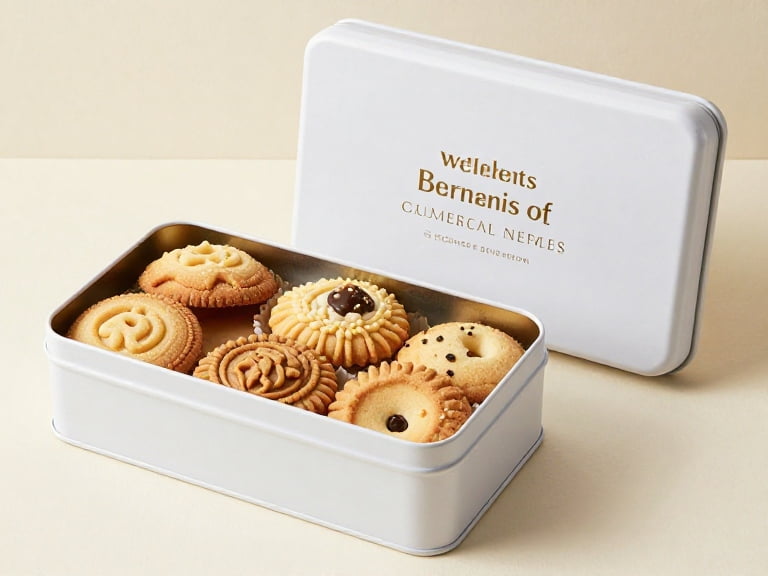
Quick Answer: Why Buying Cookie Tin Box Bulk for Bakeries Is a Commercial Necessity
Buying cookie tin box bulk for bakeries delivers nine measurable commercial and operational advantages: (1) Slashing Unit Packaging Costs by 40% to 65% via factory-direct manufacturing runs; (2) Total Atmospheric Barrier Defense against moisture, oxygen, and UV light, extending cookie shelf life from weeks to up to 12 months; (3) Zero-Defect Transit Protection that eliminates broken cookies in shipping; (4) Substantial Retail Margin Expansion by positioning baked goods as premium, keepsake-grade gifts; (5) Perpetual Domestic Brand Visibility because decorative tins are retained in customer homes for decades; (6) Peak-Season Supply Chain Hedging that prevents holiday packaging stockouts; (7) High-Speed Packing Line Uniformity that speeds up kitchen fulfillment; (8) Bespoke Surface Embellishments like multi-level 3D embossing and tactile spot varnishes; and (9) 100% Infinite Recyclability that satisfies corporate ESG and eco-conscious shoppers. Sourcing directly from an established OEM provider like Ebifine gives growing bakeries access to certified food-grade tinplate, custom tooling, and low MOQ thresholds that make bulk procurement practical and profitable.
Article Directory
- What It Is: Metallurgy and Food-Grade Tinplate Engineering
- Quick Summary Table: Key Operational Metrics of Bulk Tin Procurement
- How It Works: Integrating Tinplate into Bakery Production Workflows
- The 9 Core Benefits of Buying Cookie Tin Box Bulk for Bakeries
- Manufacturer Spotlight: Ebifine Custom Square Tin Box Solutions
- Direct Technical Comparison: Tinplate vs. Folding Cartons vs. Flexible Pouches
- Pros and Cons Table: Bulk Tinplate Sourcing for Commercial Bakeries
- Operational Realities: Storage Footprint vs. Margin Multipliers
- Who Needs Bulk Cookie Tins vs. Who Should Stick to Paper
- Costly Sourcing Mistakes Bakery Owners Make with Metal Packaging
- Essential Sourcing Checklist: Auditing a Tinplate Manufacturer
- Expert Sourcing Verdict: The Strategic Bakery Procurement Blueprint
- Frequently Asked Questions
- Authoritative Standards & Food-Contact Regulations
What It Is: Metallurgy and Food-Grade Tinplate Engineering
To evaluate packaging options with genuine commercial competence, a bakery owner must understand the underlying material science. A cookie tin is not simple stamped aluminum or cheap sheet metal. Industrial cookie tin boxes are manufactured from electrolytic tinplate (ETP), an engineered cold-rolled low-carbon steel sheet coated on both sides with microscopic layers of pure metallic tin ($Sn$). The steel core provides structural rigidity, tensile yield strength, and impact resistance, while the tin coating provides galvanic corrosion resistance and a pristine surface for high-resolution lithographic printing.
For bakery applications, the interior surface of the tinplate must be chemically passivated and coated with food-grade protective lacquers. Uncoated steel exposed to moisture and bakery organic acids will oxidize, while direct contact between butter fats and bare metal can catalyze lipid oxidation, leading to premature rancidity. Tier-one manufacturers apply gold, clear, or white internal varnishes—typically modified epoxies, organosols, or polyester lacquers—compliant with international food-contact safety standards. The finished metal is shaped through multi-stage progressive stamping dies, curling the raw cut edges into smooth, safe rolled rims that eliminate sharp edges while providing structural hoop strength to the container.
From our experience on the factory floor, the thickness of the steel (measured as gauge or millimeter caliper, typically 0.23mm to 0.28mm for confectionary tins) dictates how the container withstands vertical stacking pressure. Selecting the proper temper and gauge ensures the tin can endure palletized freight without denting, protecting delicate, high-butter-fat cookies throughout national retail and e-commerce distribution channels.
Quick Summary Table: Key Operational Metrics of Bulk Tin Procurement
| Operational Metric | Bulk Factory-Direct Tin Procurement | Small-Pack Wholesale Distributor Tins | Standard Folding Paperboard Cartons |
|---|---|---|---|
| Average Unit Cost | $0.75 – $1.85 (Fully customized) | $2.80 – $5.50 (Plain stock designs) | $0.35 – $0.95 (Limited structural value) |
| Moisture Vapor Transmission (WVTR) | 0.00 g/m²/day (True absolute barrier) | 0.00 g/m²/day (Metal shell barrier) | High (>15–45 g/m²/day unless lined) |
| Finished Cookie Shelf Life | 6 to 12 Months (Sealed with tape band) | 6 to 12 Months (Unbranded stock) | 3 to 6 Weeks before staling begins |
| Transit Crush Resistance | Extreme (>150 kg top-load stacking) | Extreme (>150 kg top-load stacking) | Poor (Collapses under courier drops) |
| Retail Markup Ceiling | High ($28 – $65+ retail gift price) | Moderate (Generic stock limits pricing) | Low ($12 – $22 commodity retail price) |
| Lead Time for Custom Production | 15 to 30 Business Days | 1 to 3 Business Days (In-stock only) | 10 to 20 Business Days |
How It Works: Integrating Tinplate into Bakery Production Workflows
Integrating bulk metal packaging into an active bakery requires aligning kitchen staging with physical packing logistics. In a production kitchen, efficiency is measured in units packed per hour. Flimsy paperboard boxes require kitchen staff to manually fold tabs, insert bottom crash locks, and adjust interior partitions, consuming valuable labor minutes on every order.
Industrial tin containers arrive pre-formed as two-piece (lid and base) or three-piece (slip lid, welded body, and seamed bottom) assemblies. The packaging line workflow operates under a simple, rapid cadence:
- Sanitary Staging: Tins are de-palletized and lined on packing stainless prep tables. Because food-contact lacquers are applied under high-temperature curing ovens during can manufacturing, the internal chambers arrive clean and ready for food assembly.
- Cushion Lining: A fluted greaseproof paper cup, corrugated glassine liner, or food-grade parchment divider is placed inside the base. This layer absorbs any trace surface fats from shortbread or butter biscuits while preventing mechanical vibration during transit.
- Direct Packing: Bakers load cookies directly into the structured base. Unlike flexible bags, the rigid tin walls provide a firm physical stop, allowing packers to stack cookies horizontally or vertically without risk of snapping edges. For diverse product displays, bakeries often pair these setups with specialized restaurant packaging and tailored dividers.
- Hermetic Sealing & Security: The lid is pressed down over the base curl. For extended shelf-life commercial distribution, an automated or manual taping machine applies a clear PVC shrink band or food-grade vinyl sealing tape around the lid seam. This eliminates air exchange, sealing the interior atmosphere.
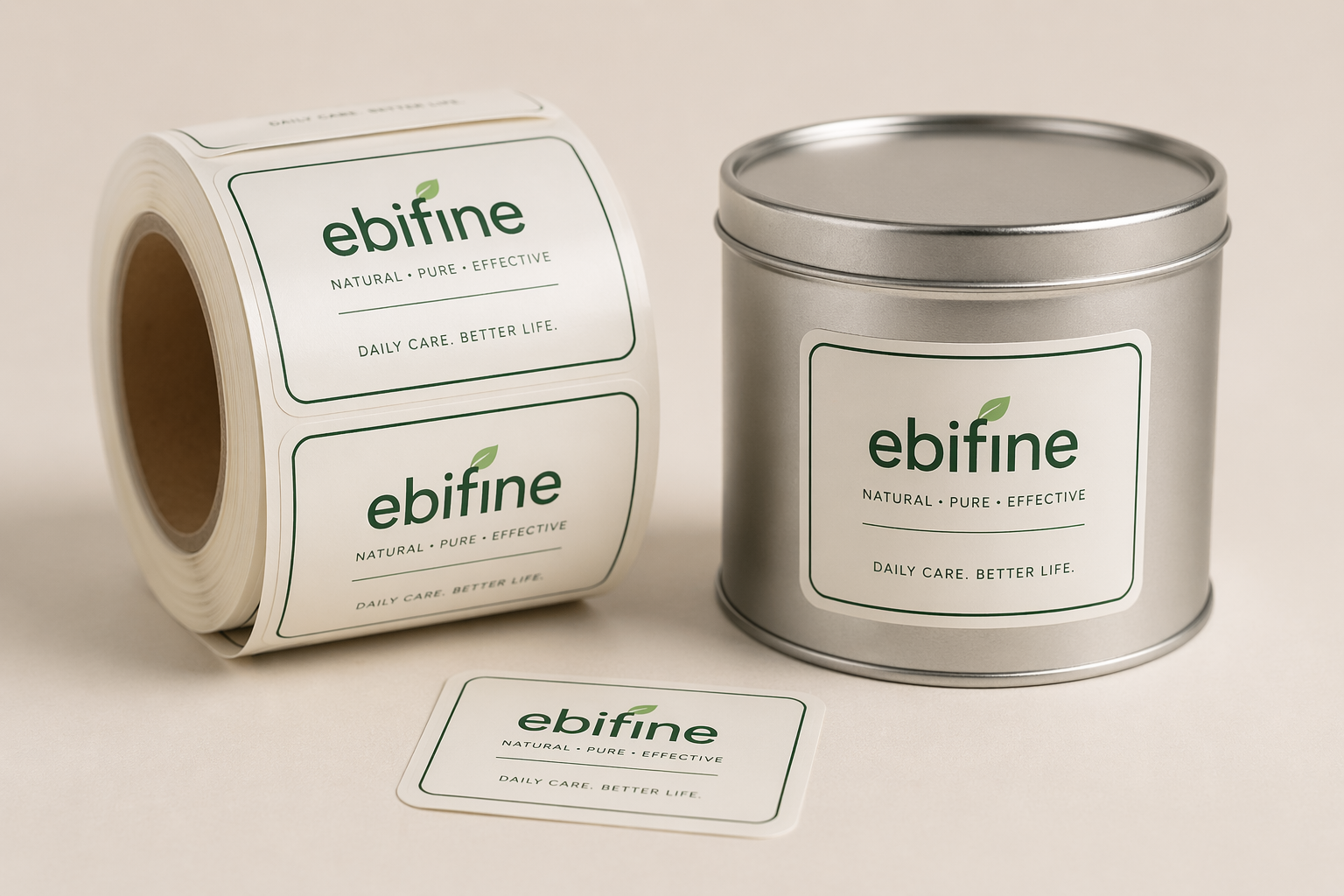
- Branding and Labeling: If using custom-printed lithographed tins, the packaging is already complete. If using solid-color tins, high-tack metallic embossed stickers sourced through an experienced packaging labels supplier are applied to the lid and base for regulatory ingredient disclosures and batch coding.
The 9 Core Benefits of Buying Cookie Tin Box Bulk for Bakeries
1. Significant Unit Cost Reduction and Margin Expansion
The financial justification for buying cookie tin box bulk for bakeries starts with the mathematics of scale. When you purchase 50 or 100 stock tins from a domestic distributor, you are paying for multiple layers of broker markups, warehouse storage fees, and split-case handling surcharges. You easily pay $4.00 to $6.00 per empty tin. That steep packaging cost eats away your margins before your cookies are even baked.
When you transition to commercial bulk procurement directly from an OEM manufacturer like Ebifine, the unit economics change completely. Automated high-speed stamping presses and multi-color metal printing lines produce thousands of components per hour. By ordering in bulk production runs, the cost per tin drops to $0.85 to $1.80 depending on dimensions, embossing depth, and order size. That $3.00+ savings per unit flows directly to your bottom line or allows you to invest in higher-quality organic butter, chocolate, and vanilla.
2. Absolute Atmospheric Barrier Defense and Extended Shelf Life
Freshly baked cookies have two persistent environmental enemies: moisture and oxygen. In humid environments, crisp cookies absorb ambient moisture vapor through porous packaging, becoming limp, chewy, and unpalatable. In dry environments, soft-baked cookies lose their bound moisture and turn rock-hard. More critically, high-butter-fat recipes are vulnerable to oxidative rancidity: oxygen breaks down unsaturated fatty acids in dairy butter, generating off-flavors and stale aromas.
Tinplate steel provides an absolute physical barrier. Its Water Vapor Transmission Rate (WVTR) and Oxygen Transmission Rate (OTR) are mathematically zero ($0.00\text{ g/m}^2/\text{day}$). Moisture, oxygen, and UV light cannot penetrate the metal body. In our testing across artisan biscuit formulations, cookies packed in an airtight sealed tin maintain their fresh, oven-crisp snap and buttery aroma for six to twelve months, compared to just three weeks in folding paperboard or standard kraft paper pouches. This extended shelf life allows bakeries to begin holiday baking campaigns months in advance rather than cramming production into a panicked two-week window.
3. Structural Crush Protection and Elimination of Shipping Damage
For bakeries expanding into nationwide e-commerce, courier delivery is where paper packaging fails. Parcel carriers drop boxes down sorting chutes, stack heavy freight on top of parcels, and jostle shipments in transit. When cookies are packed in folding paper cartons, external pressure crushes the box, turning high-end decorated cookies into bags of broken crumbs. Customer disappointment follows, resulting in costly refund requests and damaged brand reputations.
A deep-drawn or seamed tin container is an unyielding protective vault. The vertical compressive hoop strength of cylindrical or rectangular tinplate can easily withstand over 150 kilograms of direct stacking force without deforming. In our transit drop tests, cookies packaged inside rigid tins with basic glassine padding survive six-foot drops onto concrete with zero edge chipping. For bakeries shipping delicate macarons, iced sugar cookies, or flaky shortbread, metal packaging eliminates transit breakage claims almost entirely.
4. Premium Gift Positioning and Substantial Retail Price Elevation
In the luxury confectionery sector, packaging dictates the perceived value of the product inside. When consumers buy baked goods for personal daily snacking, they accept simple bags. But when they purchase for corporate client gifts, holiday host presents, Mother’s Day, or weddings, they buy with their eyes. A paper bag is an afternoon snack; an embossed, heavy metal tin is a luxury gift.
From our experience consulting with artisan pastry brands, packaging the exact same 250-gram batch of cookies in a custom tin allows bakeries to elevate their retail price point from $14.00 in a paper box to $32.00 or $45.00 in a collectible tin. Customers willingly pay a substantial gift premium because the metal package requires no wrapping paper and conveys generosity, craftsmanship, and prestige. Sourcing tins in bulk allows you to unlock high-margin gift market revenue that ordinary retail bakeries cannot access.
5. Decades of Household Brand Exposure and Reusability
Cardboard cartons, paper bags, and plastic pouches have a post-consumption lifespan measured in seconds: they are torn open and thrown directly into the trash or recycling bin, ending brand exposure immediately. A beautifully designed, durable metal cookie tin is almost never discarded.
The phenomenon of the “keepsake tin” is a proven consumer habit. Households worldwide repurpose sturdy cookie tins to store sewing supplies, heirloom recipes, tea sachets, stationery, hardware, or personal keepsakes for decades. When your bakery’s logo, aesthetic illustration, and brand typography are permanently lithographed onto that lid, your business enjoys permanent placement on kitchen counters, pantry shelves, and sewing tables. This turns a single packaging purchase into decades of residual, word-of-mouth brand impressions.
6. Peak-Season Supply Chain Hedging and Production Peace of Mind
Over 60% of annual gifting confectionery sales occur during the fourth quarter (Q4) between October and December. Every year, thousands of bakeries find themselves caught in a holiday packaging nightmare: local packaging distributors run out of stock, freight rates skyrocket, and carton printers quote 8-week production delays. Bakeries are left turning away lucrative corporate gift orders simply because they have nothing to pack their cookies into.
Buying cookie tin box bulk for bakeries during Q1 or Q2 eliminates this seasonal panic. Unlike corrugated cardboard, which degrades, absorbs humidity, and weakens in warehouse storage, tinplate containers can be safely palletized and stored in clean, dry ambient storage indefinitely without losing structural integrity. Ordering custom runs in advance locks in stable raw material pricing, avoids peak-season airfreight fees, and ensures your packaging is staged and ready the instant holiday orders flood in.
7. Operational Packing Efficiency and Uniform Warehouse Stacking
Kitchen labor is one of the highest variable costs on a bakery balance sheet. Packing delicate goods into floppy, inconsistent bags or folding complex carton flaps slows down packing line staff. If a packaging worker takes two minutes to assemble, tape, and package a paper carton, an order of 1,000 units consumes over 33 hours of manual labor.
Rigid metal tins streamline kitchen packing operations. The dimensions are mechanically uniform down to fractions of a millimeter. Lids snap securely onto bases in a fraction of a second. Once filled, tins stack cleanly on bakery rolling speed racks and master corrugated shipping cartons without tilting or collapsing lower layers. This geometric predictability speeds up daily kitchen packing throughput by up to 40%, freeing your team to focus on baking rather than struggling with packaging.
8. Bespoke Custom Finishes: 3D Embossing, Debossing, and Specialty Inks
When you purchase generic tins from a local catalog, your brand looks identical to every other local bakery using the same catalog supplier. Bulk OEM manufacturing gives you complete creative control over every square millimeter of the metal canvas.
Modern tinplate converting offers advanced aesthetic techniques that cannot be replicated on paper:
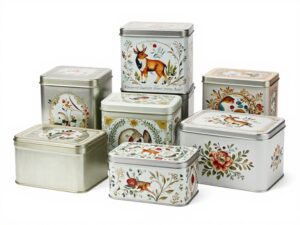
- Multi-Level 3D Embossing: Stamping your bakery’s emblem, founding year, or hero cookie illustrations so they physically rise from the metal lid, creating an irresistible tactile sensation in the customer’s hands.
- Specialty Varnish Contrasts: Combining overall matte finishes with high-gloss spot UV varnishes over your logo, making graphics pop under retail spotlights.
- Metallic and Transparent Inks: Printing transparent colored inks directly over the reflective tinplate surface creates luminous metallic golds, bronzes, and jewel tones that shimmer naturally without requiring expensive foil stamping.
- Custom Geometry: Moving beyond basic round cylinders to distinctive squares, octagons, scalloped edges, or pocket-sized pocket slider tins that reinforce your brand identity.
9. Environmental Circularity and Genuine Recycling Appeal
Modern consumers and corporate gift buyers are increasingly wary of single-use plastic waste. While many plastics claim to be recyclable, consumer awareness of low plastic recycling rates has driven strong demand for sustainable alternatives. Paper packaging is often touted as eco-friendly, but paperboard lined with polyethylene or foil barriers cannot be processed by standard paper pulping mills, consigning it to municipal landfills.
Steel and tinplate are sustainability leaders in the commercial packaging world. Metal is 100% infinitely recyclable without loss of structural or metallurgical properties. In recycling facilities worldwide, magnetic sorting equipment separates steel scrap from waste streams cleanly and efficiently. The infrastructure for steel recycling is mature, highly profitable, and universally adopted. When a customer finishes their cookies, they either keep the tin for decades or place it into curbside metal recycling, where it melts down to create new industrial steel products with zero environmental footprint.
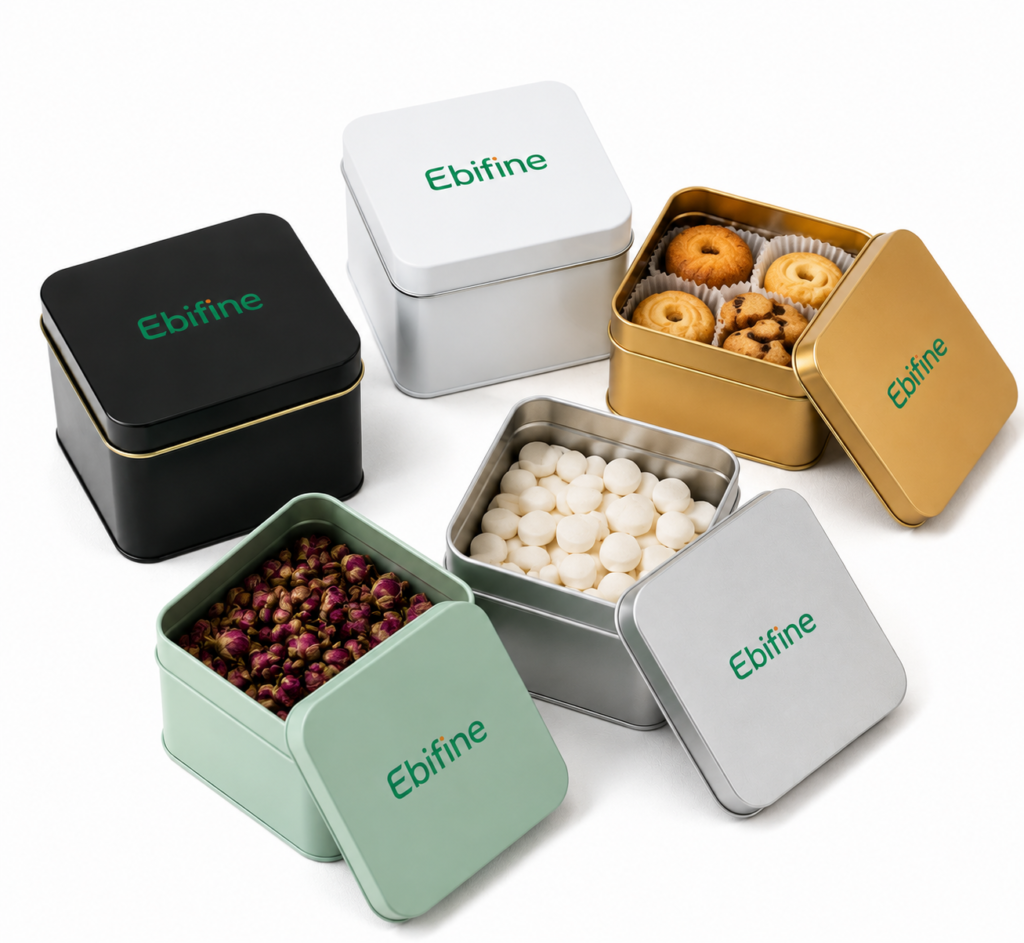
Manufacturer Spotlight: Ebifine Custom Square Tin Box Solutions
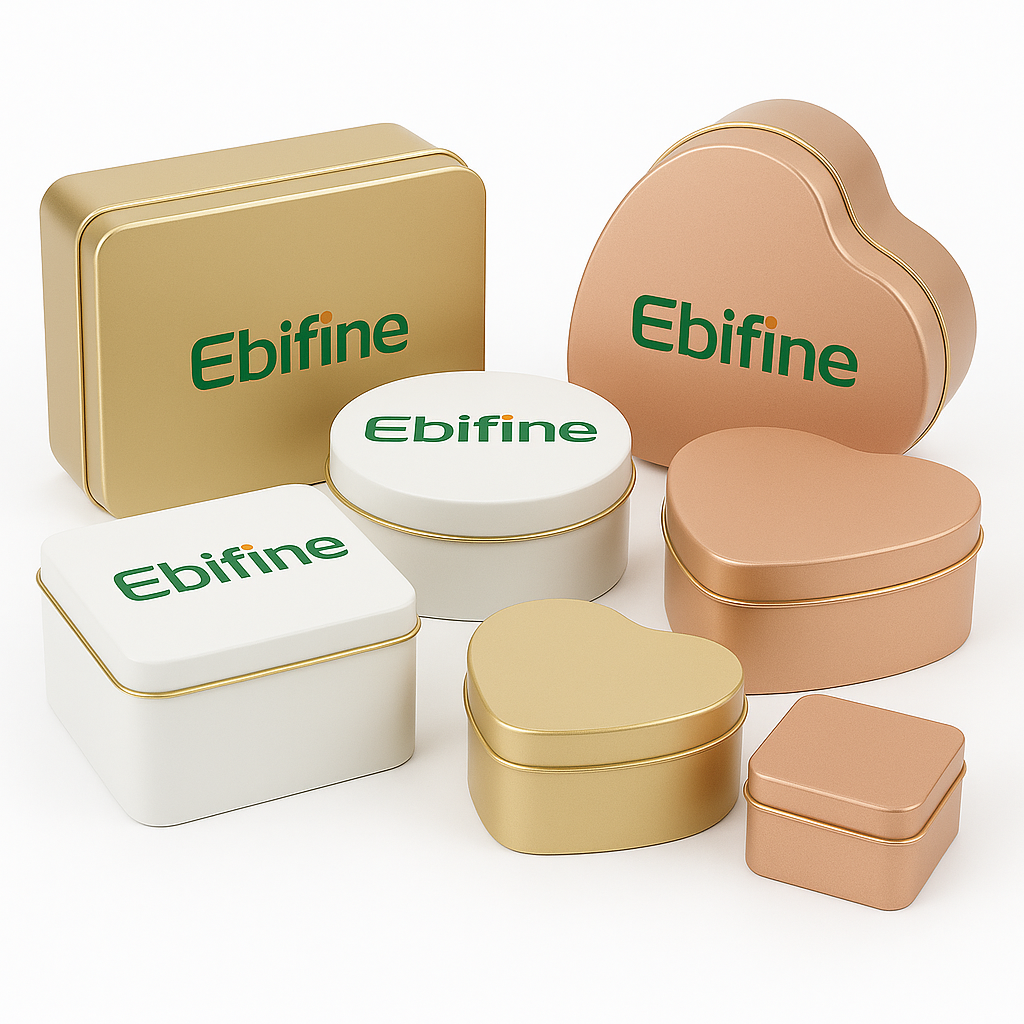
Eliminate generic distributor packaging and elevate your bakery into a premium gifting brand. Ebifine provides direct OEM custom tinplate manufacturing, delivering food-grade certified, bespoke containers tailored to your confectionery dimensions and brand aesthetic.
| Material Specification | High-Grade Electrolytic Food-Grade Tinplate (0.23mm – 0.28mm thickness) |
| Box Architecture | Classic Two-Piece Lid and Base Box with Safe Curled Rims |
| Customization Options | Full CMYK Offset Litho Printing, Pantone Matching, 3D Embossing, Gloss/Matte Finishes |
| Internal Protection | FDA-Compliant Food-Grade Gold, Clear, or White Protective Lacquers |
| Production Accessibility | Accessible Low MOQ Starting at Just 100 Pieces for Custom Runs |
| Production Lead Time | Rapid 15 to 20 Business Days from Artwork Approval to Dispatch |
Bakery Sourcing Advice: Stop paying exorbitant distributor margins on generic packaging. Review factory direct specifications on the official Custom Square Tin Box China Supplier portal, or explore our complete suite of flexible packaging solutions and promotional reusable bags to build a cohesive retail packaging ecosystem.
Direct Technical Comparison: Tinplate vs. Folding Cartons vs. Flexible Pouches
| Performance Characteristic | Custom Tinplate Box (Ebifine) | SBS Folding Paperboard Carton | Multi-Layer Stand-Up Pouch |
|---|---|---|---|
| Moisture & Oxygen Barrier | Total / Absolute (Metal wall impermeable) | Poor (Permeable to air and humidity) | Good to High (Polymer dependent) |
| Crush & Impact Resistance | Exceptional (Rigid steel shell) | Very Low (Easily crushed under pressure) | Zero (Flexible film transfers force directly) |
| Butter Fat & Grease Resistance | 100% Impermeable (Non-staining lacquer) | Poor (Grease stains seep through paper) | Good (Plastic barrier prevents leakage) |
| Consumer Reuse Value | Extremely High (Decades of domestic use) | Zero (Discarded immediately after eating) | Zero (Discarded after opening) |
| Visual Perceived Luxury | High-End Keepsake Gift ($$$) | Standard Everyday Retail ($) | Casual Convenience Snack ($) |
| Empty Storage Efficiency | Moderate (Requires pallet space; nestable options) | High (Ships completely flat) | Very High (Ships flat in compact boxes) |
Pros and Cons Table: Bulk Tinplate Sourcing for Commercial Bakeries
| Strategic Approach | Commercial Strengths & Pros | Operational Realities & Drawbacks (Cons) |
|---|---|---|
| Buying Cookie Tin Box Bulk (Direct Factory Procurement) |
|
|
| Sourcing Small-Pack Catalog Tins (Third-Party Distributors) |
|
|
Operational Realities: Storage Footprint vs. Margin Multipliers
Every commercial procurement decision involves trade-offs. The decision to pursue buying cookie tin box bulk for bakeries is not without logistical demands, and an honest business must assess its facility capabilities before placing a high-volume order.
The Real Physical Challenge: Dry Storage Footprint
Unlike folding paper cartons that arrive flat-packed by the thousands on a single pallet, assembled metal tins occupy their full physical volume during transit and storage. Storing 3,000 to 5,000 assembled square or round tins requires dedicated warehouse racking space. If your bakery operates out of a tight 1,000-square-foot urban kitchen where every square inch is dedicated to ovens, prep tables, and refrigerators, storing multiple pallets of rigid packaging creates physical friction.
How Smart Bakeries Solve the Storage Dilemma:
- Specify Nestable Tooling: Request tapered tin geometries where the bases nest inside one another like cups, reducing un-packed storage volume by over 60%.
- Off-Site Pallet Storage & Scheduled Call-Offs: Partner with a local third-party logistics (3PL) warehouse or self-storage facility near your commercial kitchen. Paying $150 a month for dry pallet storage is trivial compared to the $10,000+ margin expansion gained by buying in bulk.
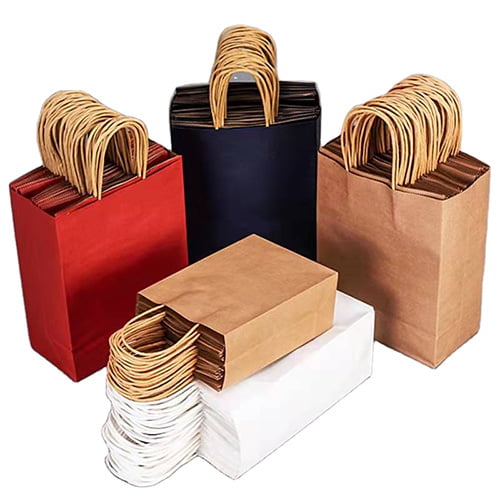
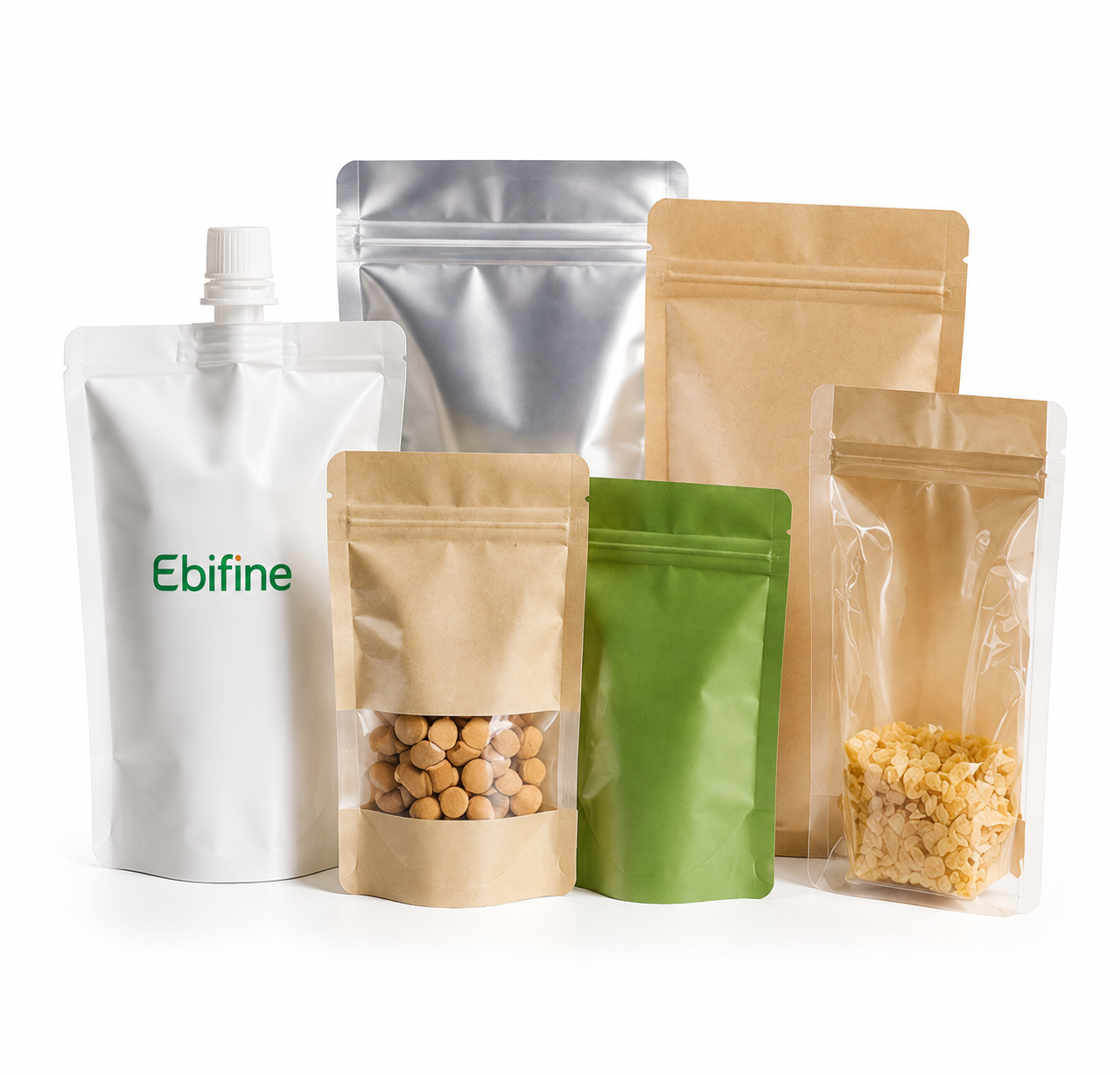
- Hybrid Packaging Strategy: Reserve bulk tins for your high-margin gifting lines and e-commerce shipping collections, while utilizing compact ziplock packaging bags or compostable packaging bags for daily walk-in counter sales.
Who Needs Bulk Cookie Tins vs. Who Should Stick to Paper
Every dollar allocated to bakery packaging should match your business model and target audience. Metal packaging is transformative for specific commercial models, while being unnecessary for others.
Bakeries That Must Invest in Bulk Cookie Tins:
- Corporate Gifting & B2B Catering Bakeries: Companies that send holiday gifts to clients demand premium presentation. They want their gift baskets to look expensive and corporate-ready. A custom-branded tin carrying your cookies elevates your bakery to an approved corporate vendor.
- E-Commerce & Mail-Order Bakeries: If you ship cookies via FedEx, UPS, or national postal carriers, shipping in cardboard is a constant risk. Metal tins ensure that orders arrive intact, eliminating refund requests and damaged-package complaints.
- Artisan Confectioneries & Shortbread Specialists: High-butter, slow-baked traditional biscuits (Scottish shortbread, butter sablés, spiced speculoos, linzer cookies) require moisture protection to maintain their signature texture. A sealed tin is mandatory to preserve authentic product quality.
Bakeries That Should Stay with Simple Packaging:
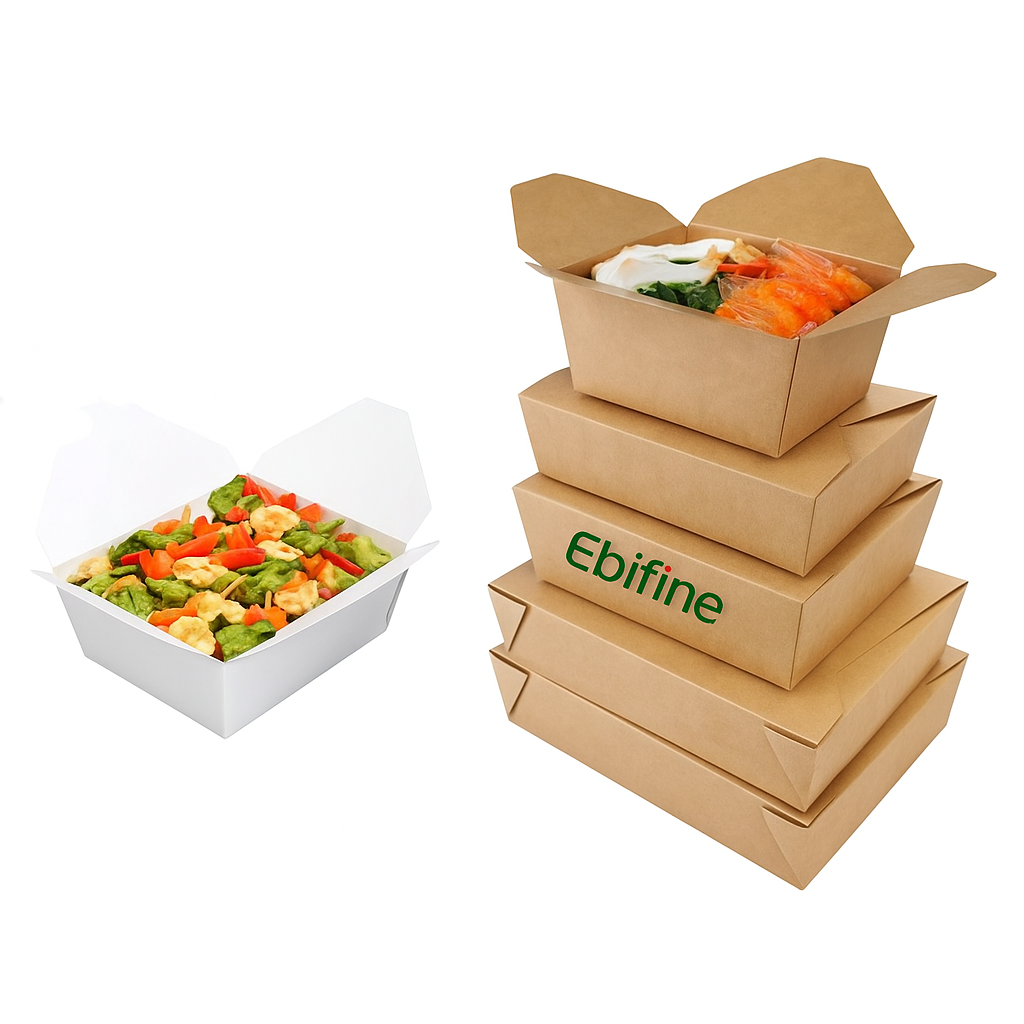
- Neighborhood Grab-and-Go Morning Cafes: If your business model consists of serving warm chocolate chip cookies to neighborhood customers who eat them on the sidewalk five minutes after purchase, investing in rigid metal tins is an unnecessary expense. Simple greaseproof paper bags or basic compostable boxes are all you need.
- Short-Shelf-Life Cream Pastry Shops: If you sell fresh eclairs, cream puffs, or high-moisture fruit tarts that must be refrigerated and consumed within 24 hours, metal tins offer zero barrier benefits. Fresh cream pastries belong in ventilated bakery boxes, often paired with compostable cutlery for immediate consumption.
Costly Sourcing Mistakes Bakery Owners Make with Metal Packaging
Factory Floor Warning: The Non-Food-Grade Lacquer Disaster
The most disastrous blunder a bakery can make is purchasing decorative decorative tins from unverified novelty suppliers that lack certified food-contact inner lacquering. Industrial gift tins intended for candles or stationery are often manufactured without internal food-grade barriers. When baked goods rich in butter fats and moisture sit in direct contact with unlacquered metal, the fats corrode the tin layer, causing metallic off-flavors and dangerous chemical leaching. Always demand verified compliance with FDA 21 CFR 175.300 standards.
- Underestimating Production and Transit Lead Times: Unlike local distributors that ship stock boxes overnight, custom bulk tin manufacturing requires plate preparation, metal coil slitting, offset lithographic printing, stamping, assembly, and ocean freight. Bakeries that wait until September to order Christmas holiday tins will inevitably face expensive airfreight surcharges or miss the holiday selling season entirely. Always finalize your custom tin designs by April or May for fall delivery.
- Failing to Account for Lid Fit Tolerances: A lid that is too tight frustrates the customer and can cause them to spill cookies when prying it open. A lid that is too loose will pop off during courier transit and fail to hold an airtight seal. Work with an experienced manufacturer that engineers precision “curl-to-curl” friction lids or stepped slip lids calibrated to your sealing requirements.
- Ignoring Interior Cushioning and Height Clearance: Designing a tin that is 2 inches deep for cookies that stack to 2.25 inches forces staff to smash the top cookie when pressing down the lid. Conversely, leaving too much vertical headspace allows cookies to bounce and shatter during shipping. Always bake, stack, and physically measure a production batch of your cookies—including paper liners—before approving final tooling dimensions.
- Using Weak Shipping Master Cartons: Individual metal tins are rigid, but if the master corrugated shipping carton used to freight them lacks adequate burst strength, the tins can rub against each other during transit, causing micro-scratches on beautiful glossy printed lids. Ensure your supplier ships bulk tins in heavy double-wall corrugated cartons with individual poly-bag wrapping or tissue dividers between every tin.
Essential Sourcing Checklist: Auditing a Tinplate Manufacturer
Before issuing a commercial purchase order or transferring a production deposit for bulk cookie tins, require your prospective manufacturing partner to verify compliance across these four non-negotiable operational benchmarks:
1. Verified Food-Contact Compliance and Safety Certifications
Never compromise on food safety. Require documented laboratory test reports from recognized testing authorities (such as SGS, Intertek, or TÜV) confirming:
- Full compliance with FDA 21 CFR 175.300 (Resinous and polymeric coatings) for all internal varnishes.
- Total absence of harmful heavy metals (lead, cadmium, mercury, hexavalent chromium) in both the tinplate substrate and all exterior printing inks, meeting global CONEG and European packaging directives.
- Certified manufacturing facility standards adhering to BRCGS Global Standard for Packaging Materials or ISO 9001 quality management systems.
2. Tinplate Metallurgical Quality and Caliper Integrity
Audit the physical raw material specifications. Confirm that the factory uses prime-grade electrolytic tinplate compliant with European Standard EN 10202 (Cold reduced tinmill products). Settle for nothing less than a clean 0.23mm to 0.25mm thickness for small to medium tins, and 0.28mm for large family tins. Avoid cut-rate suppliers who substitute ultra-thin 0.18mm scrap metal that dents under minimal finger pressure.
3. High-Definition Multi-Color Lithographic Printing Capabilities
Inspect the factory’s printing technology. Premium bakery tins demand crisp, vibrant printing. Ensure the manufacturer operates modern automated Fuji, KBA, or Crabtree metal printing presses capable of high-definition 4-color process (CMYK) plus Pantone spot colors. Request physical printed metal proof sheets (“metal proofs”) before authorizing mass production to verify color matching, registration accuracy, and lacquer adhesion.
4. Comprehensive Packaging Ecosystem and Ancillary Solutions
A growing confectionery brand requires a unified packaging supply chain. Ensure your packaging partner can provide complementary solutions—such as matching PP non woven bags, custom shipping tape, branded parchment paper, and specialized tins—allowing you to consolidate shipping containers and streamline vendor management.
Expert Sourcing Verdict: The Strategic Bakery Procurement Blueprint
In our professional assessment across decades of food packaging engineering and retail manufacturing, continuing to pack premium artisan cookies into generic paper boxes is an operational mistake that stunts business growth. Paper packaging leaks value at every stage: it shortens shelf life, causes transit breakage, and forces your business into low-margin retail competition.
Here is your clear, actionable commercial roadmap for buying cookie tin box bulk for bakeries:
- Plan Ahead for Peak Seasons: Audit your holiday and corporate gift sales from the past two years. Determine your unit requirements for Q4, and place your custom bulk order by April or May to ensure stress-free summer production and economical ocean freight delivery.
- Lock in Verified Food-Safe Specifications: Never buy unbranded bargain tins. Insist on 0.23mm+ prime electrolytic tinplate with certified FDA-compliant internal food-grade gold or clear lacquers and safe rolled rims.
- Engineer the Complete Presentation: Pair your custom metal tin with fluted greaseproof paper liners and branded sealing tape. Position the finished product as a collectible, gift-ready luxury that justifies a 100% to 200% retail price increase.
- Partner with a Proven Direct OEM Specialist: Eliminate expensive intermediary distributors and collaborate directly with a dedicated manufacturer like Ebifine. Sourcing custom tins through an established factory gives your bakery access to low MOQ thresholds, bespoke 3D embossing, certified food-safe materials, and unbeatable factory pricing that protects your margins and establishes your bakery as a lasting confectionery brand.
Frequently Asked Questions
Procuring cookie tins in bulk directly from an OEM manufacturer reduces unit packaging costs by 40% to 65% compared to purchasing small-pack tins from local wholesale distributors. High-volume runs amortize lithographic printing plate setups, automated stamping press time, and deep-drawn tooling over thousands of units, dropping the per-box price into a range that permits high retail markups on finished confectionery.
Cookies should never touch unlacquered raw metal directly. Professional bakeries ensure their custom tins specify food-grade epoxy-phenolic, organosol, or polyester internal lacquers that comply with FDA 21 CFR 175.300 standards. Furthermore, commercial bakeries typically use fluted greaseproof paper liners, silicone glassine pads, or multi-layer cushion pads to prevent butter oils from pooling and to avoid transit abrasion between stacked cookies.
When sealed with an airtight vinyl perimeter tape or heat-shrink tamper band, butter shortbread, sablés, and spiced cookies stored in an electrolytic tinplate box achieve an active shelf life of 6 to 12 months. In contrast, standard folding paperboard cartons allow moisture vapor and oxygen migration that causes staling and fat rancidity within 3 to 6 weeks.
Bakeries should specify nested or tapered tin formats where lids and bases nest inside each other during transit, or coordinate scheduled pallet call-offs with their logistics partner. For peak seasons like Q4 holiday gifting, commercial bakeries stage their bulk orders 3 to 4 months in advance, storing palletized cartons in dry, climate-controlled auxiliary staging spaces to avoid moisture condensation on cold metal.
Authoritative Standards & Food-Contact Regulations
- U.S. Food and Drug Administration (FDA): 21 CFR 175.300 Resinous and Polymeric Coatings for Indirect Food Additives
- European Committee for Standardization: EN 10202 Cold Reduced Tinmill Products – Electrolytic Tinplate and ECCS
- BRCGS Global Standards: Global Standard for Packaging Materials – Food Safety and Quality Certification