
Quick Answer: Why Invest in Decorative Tin Box Wholesale Packaging?
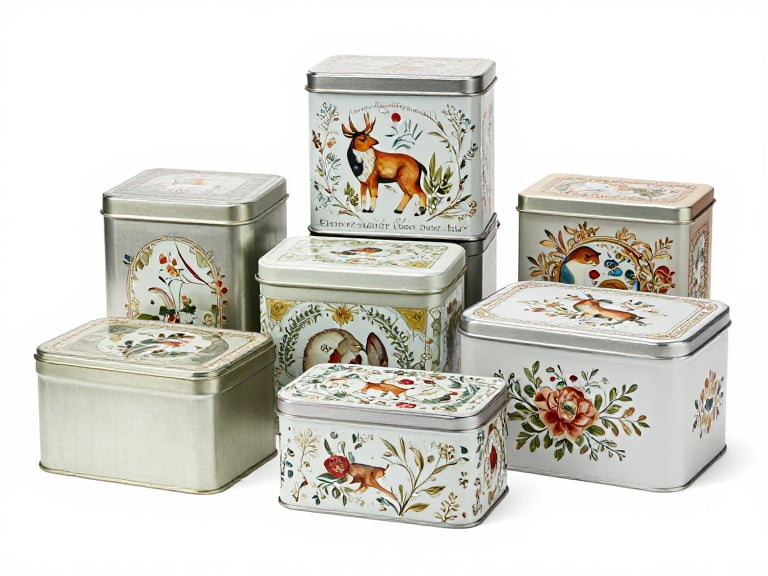
Decorative tin box wholesale packaging is the engineering of printed, formed, and embossed electrolytic tinplate containers designed for multi-tier retail display and long-term consumer retention. Unlike single-use paper or flexible plastic films, decorative tins provide an impermeable physical barrier against UV radiation, oxygen, moisture, and crushing while achieving up to 85% consumer reuse rates. The six highest-ROI creative commercial uses are: (1) Artisanal Confectionery, Tea & Specialty Coffee Vaults (delivering airtight freshness alongside collectible holiday heritage value); (2) Pocket-Sized Solid Cosmetics, Balms & Grooming Tins (featuring smooth-gliding sliding lids that never crack in gym bags); (3) Curated VIP Apparel Accessories & Watch Keepsakes (positioning belts, ties, and cufflinks inside heavy-gauge metal vaults); (4) Heirloom Seed Banks & Horticultural Master Kits (moisture-impermeable, vermin-proof agricultural packaging); (5) Tabletop Gaming Vaults, Dice & Playing Card Tins (protective collectible cases designed for frequent travel); and (6) Poured Luxury Candles & Solid Aromatherapy Vessels (fire-safe, zero-leak containers that look stunning on boutique shelves). Sourcing directly through agile packaging leaders like Ebifine gives growing brands access to custom-embossed sliding tins with order minimums starting at just 100 pieces.
Article Directory
- What It Is: The Metallurgy and Architecture of Decorative Tinplate
- Quick Summary Table: 6 Creative Uses at a Glance
- Detailed Analysis: The 6 Creative Uses for Decorative Tin Boxes
- Featured Manufacturer Spotlight: Ebifine Custom Sliding Tin Box
- Direct Technical Comparison: Tinplate vs. Rigid Paperboard vs. Molded Plastic
- Pros and Cons: The Reality of Wholesale Metal Packaging
- Commercial Benefits and Inherent Material Limitations
- Who Should Use Decorative Tins vs. Who Does Not Need Them
- 5 Costly Mistakes Brands Make When Buying Wholesale Tin Boxes
- Essential Sourcing Checklist: Auditing a Metal Box Manufacturer
- Expert Procurement Verdict: The High-Margin Metal Blueprint
- Frequently Asked Questions
- Authoritative References & Packaging Industry Standards
What It Is: The Metallurgy and Architecture of Decorative Tinplate
To evaluate decorative tin box wholesale packaging with genuine professional competence, you must understand the raw material science. In the packaging industry, what is colloquially called a “tin box” is not fabricated from solid elemental tin. Pure tin is far too soft, ductile, and expensive for structural enclosures. Commercial decorative tins are manufactured from electrolytic tinplate (ETP): a cold-rolled, low-carbon mild steel sheet coated on both sides with a microscopic, atomically bonded layer of commercially pure tin ($Sn$) applied via continuous electrodeposition.
This composite architecture delivers a unique balance of physical properties:
- The Steel Core: Provides high tensile strength, structural rigidity, dent resistance, and magnetic receptivity. It allows sheet metal to be stamped, drawn, bent, and beaded into complex three-dimensional geometries without fracturing.
- The Electrolytic Tin Layer: Acts as an impermeable sacrificial anode that prevents oxidation and corrosion of the underlying steel base. It imparts a brilliant, reflective silvery luster and serves as an ideal bonding surface for specialized lithographic printing inks and protective polymer varnishes.
- Internal Protective Lacquers: For consumable goods, direct contact between raw tinplate and acidic, salty, or aqueous compounds can cause discoloration or metallic leaching. High-performance tins are lined with heat-cured, BPA-non-intent (BPA-NI) epoxy phenolic, organosol, or gold stoving varnishes certified under strict food-contact safety standards.
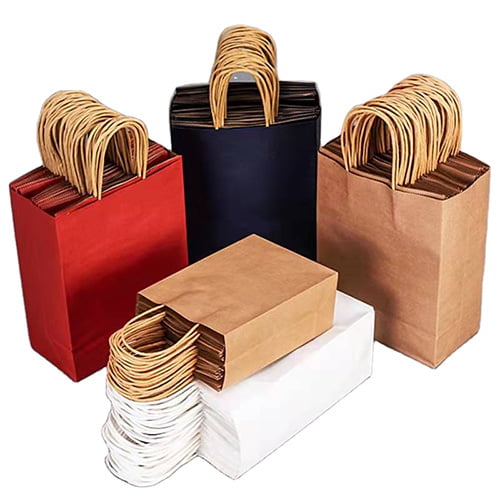
In most professional situations, brands compare decorative tins to folding cartons or corrugated retail boxes. While folding cartons made from paper boxes for retail are excellent for low-cost, lightweight secondary containment, they are inherently vulnerable to crushing, ambient moisture absorption, and edge scuffing. When exploring structural metal packaging materials, you are investing in a substrate that delivers true hermetic potential, puncture-proof defense, and unmatched tactile weight.
Quick Summary Table: 6 Creative Uses at a Glance
| Creative Application | Recommended Tin Structure | Protective Barrier Priority | Primary Consumer Keepsake Value | Target Retail Margin Boost |
|---|---|---|---|---|
| 1. Artisanal Confectionery & Tea | Two-piece slip lid or hinged box with inner plug | Moisture vapor transmission & UV degradation | Permanent pantry tea caddy / countertop display | +35% to +50% perceived value |
| 2. Solid Cosmetics & Grooming | Precision sliding / pull-out friction box | Zero liquid leakage & pocket crush resistance | Reusable pocket pillbox, balm carrier, or pin tin | +40% over generic tubes |
| 3. VIP Apparel & Cufflink Vaults | Deep-drawn hinged tin with custom velvet insert | Physical impact & long-term tarnishing defense | Dresser valet tray or travel jewelry box | +50% over folding paperboard |
| 4. Heirloom Seeds & Garden Kits | Seamless round screw-top or clamped latch tin | Vermin intrusion, ambient humidity & light | Water-resistant garden shed storage tin | +60% over paper seed packets |
| 5. Tabletop Gaming & Dice Vaults | Embossed rectangular tin with high-density EVA foam | Corner drop shock & heavy transit protection | Collector tournament deck or token carry-case | +45% over plastic tuck boxes |
| 6. Poured Luxury Candle Vessels | Seamless deep-drawn container with snug slip lid | Thermal conduction, flame resistance & wax containment | Refillable home decor container or succulent planter | +30% over standard glass jars |
Detailed Analysis: The 6 Creative Uses for Decorative Tin Boxes
1. Artisanal Confectionery, Single-Origin Tea & Specialty Coffee Vaults
The premium food and specialty beverage sector is the historical cradle of tinplate packaging, but contemporary brands are pushing the envelope far beyond holiday butter cookies. For high-end loose-leaf teas, ceremonial matcha, single-origin whole-bean coffees, and hand-rolled chocolates, light and air are the ultimate enemies of flavor. Ultraviolet radiation breaks down delicate essential oils, while ambient humidity turns crisp biscuits stale and causes powdered spices to cake into solid blocks.
In our testing across shelf-life chambers, an airtight tin container with a rolled inner plug lid preserves volatile aroma compounds up to four times longer than a standard paper box. When consumers pay $35 for an exclusive tin of Darjeeling tea, they do not discard the container when empty. The tin takes up permanent residency on their open kitchen shelving. By branding the tin with multi-level embossing and metallic inks, a food packaging supplier creates an enduring countertop advertisement that outlasts the consumable contents by years.
2. Pocket-Sized Solid Cosmetics, Beard Balms & Solid Fragrance Tins
The global clean-beauty and men’s grooming movements are rapidly abandoning water-heavy liquid formulations in favor of concentrated, waterless products: solid colognes, organic beard butters, shampoo bars, and mineral lip salves. Packaging a solid balm in a plastic twist-up tube or fragile glass pot creates significant operational problems: plastic tubes crack in pockets, while glass jars shatter on bathroom tile floors.
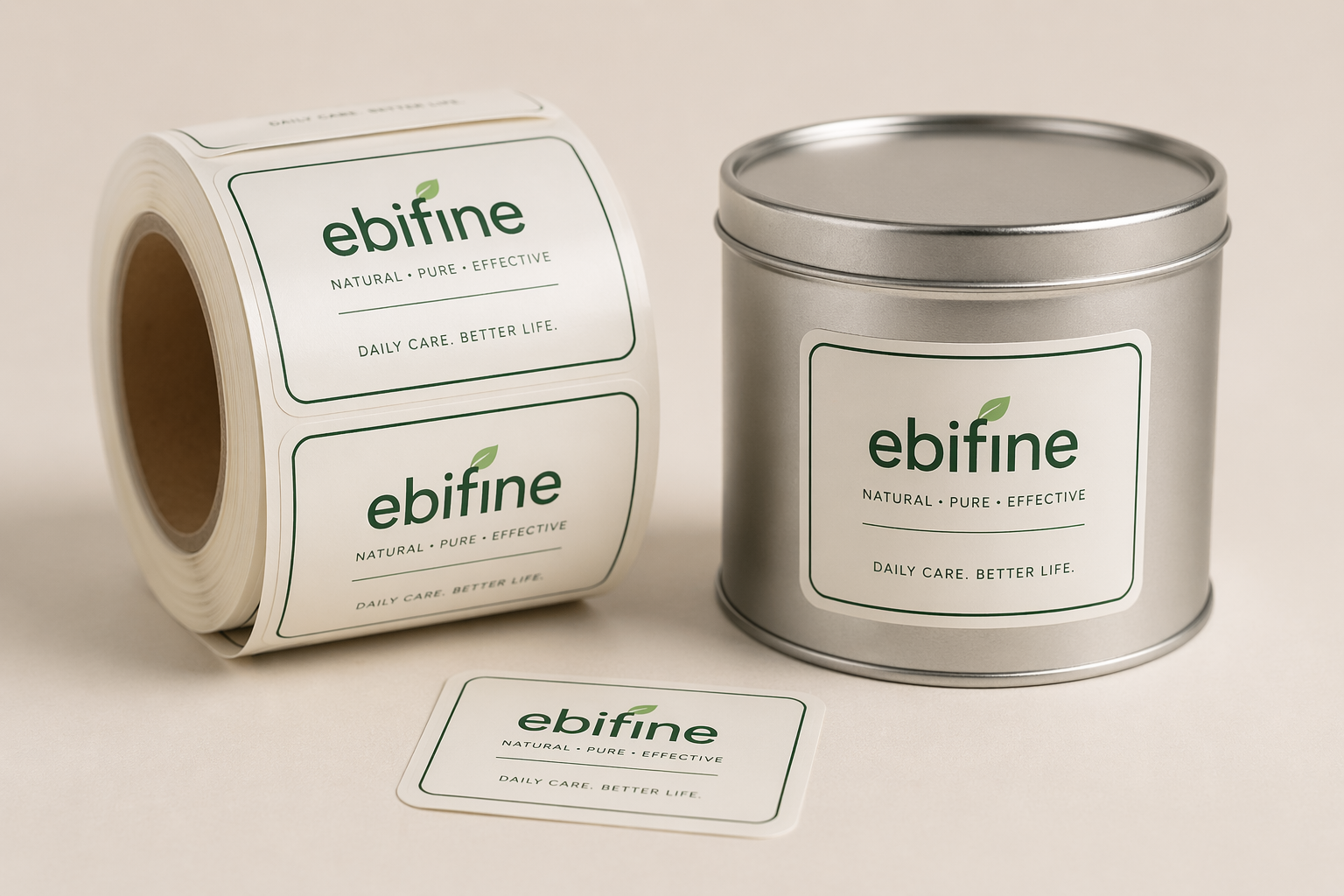
A compact, pocket-friendly sliding tin box is the definitive ergonomic solution for waterless personal care. The horizontal slide action operates smoothly with one hand, providing immediate access to the balm while a mechanical friction detent prevents the lid from sliding open accidentally inside a pocket or duffel bag. The metal body acts as a thermal shield, resisting the body heat that softens waxes in pocket carry. For growing cosmetic lines, pairing sliding tins with custom branded roll labels or direct UV-cured spot varnish creates a sleek, tactile grooming accessory that users carry everywhere.
3. Curated VIP Apparel Accessories, Ties & Limited-Edition Watch Vaults
Luxury menswear, bespoke tailoring brands, and corporate gifting programs face an uphill battle when packaging small, high-value accessories like silk neckties, bow ties, Italian leather belts, cufflinks, and mechanical watches. Dropping a $150 silk tie into a flimsy folding carton cheapens the perceived value of the product before the client even touches the silk.
Deploying heavy-gauge, deep-drawn rectangular or cylindrical decorative tin box wholesale packaging transforms apparel unboxing into an executive gifting ritual. By lining the interior of the tin with custom-molded EVA foam wrapped in velvet or satin, the container becomes an executive valet tray. Customers keep the embossed tin on their dressers to store collar stays, spare cufflinks, and luxury timepieces. When you factor in the negligible unit cost difference between a rigid handmade paper box and an embossed metal tin, the tin delivers vastly superior perceived luxury at wholesale volume.
4. Heirloom Botanical Seed Collections & Horticultural Master Kits
Traditional agricultural and home-gardening seed suppliers distribute botanical seeds in cheap, permeable paper packets. For casual seasonal gardeners planting within three weeks, paper suffices. But for organic seed vaults, heritage crop conservators, and curated beginner gardening kits, paper is disastrous: humidity spikes trigger premature seed germination, ambient moisture fosters fungal mold, and mice will easily chew through paper envelopes inside garden sheds.
Tinplate is completely impervious to rodents, insects, moisture vapor, and light. Sourcing seamless, screw-top or latch-lid decorative tin containers allows horticultural brands to create “Heritage Survival Seed Banks” and luxury kitchen-herb starter kits. The seed packets sit safely inside, protected from the elements. The container serves as a durable, rust-resistant field box that gardeners take directly into the soil beds season after season.
5. Tabletop Gaming Vaults, Dice Sets & Collectible Playing Card Cases
The tabletop gaming, collectible card game (CCG), and luxury playing card industries represent one of the most passionate, aesthetic-driven consumer markets in the world. Collectors spend hundreds of dollars on metal polyhedral dice sets, hand-illustrated tarot decks, and rare tournament card games. Packaging these high-value items in flimsy paper tuck boxes leads to bent card corners, torn box flaps, and frustrated customers.
An embossed metal tin fitted with dual-density foam cutouts provides impenetrable protection against bag compression, spilled drinks, and dropped backpacks. The crisp, resonant metallic “snap” of a hinged lid opening at a tournament gaming table communicates professional quality. Gamers actively seek out products packaged in functional metal tins because the box serves as their permanent tournament carry-case. If you supply specialty retail hobby shops, metal packaging is the single most effective way to justify a premium $40 to $70 retail price point.
6. Poured Luxury Scented Candles & Solid Aromatherapy Vessels
Glass candle jars have dominated the home fragrance industry for decades, but they carry massive logistics penalties: heavy tare weight that drives up freight costs, extreme fragility during e-commerce shipping, and catastrophic thermal shock cracking if low-grade glass is exposed to uneven wick flame. Pouring soy, coconut, or beeswax candles directly into seamless decorative tin containers solves every single one of these structural vulnerabilities.
Tinplate conducts thermal energy evenly, preventing localized glass fractures. A seamless deep-drawn tin features no welded side seams, completely eliminating wax leakage. The integrated snug-fitting slip lid doubles as an airtight scent-keeper when the candle is idle, preventing volatile fragrance oils from evaporating off the top wax pool. When the candle is lit, the inverted lid serves as a heat-resistant coaster protecting delicate wooden tabletops. Best of all, once the wax is burned away, a quick wash with warm soapy water leaves the consumer with a pristine, decorative bathroom canister, extending the product lifecycle indefinitely.

Manufacturer Spotlight: Ebifine Custom Sliding / Pull‑Out Tin Box
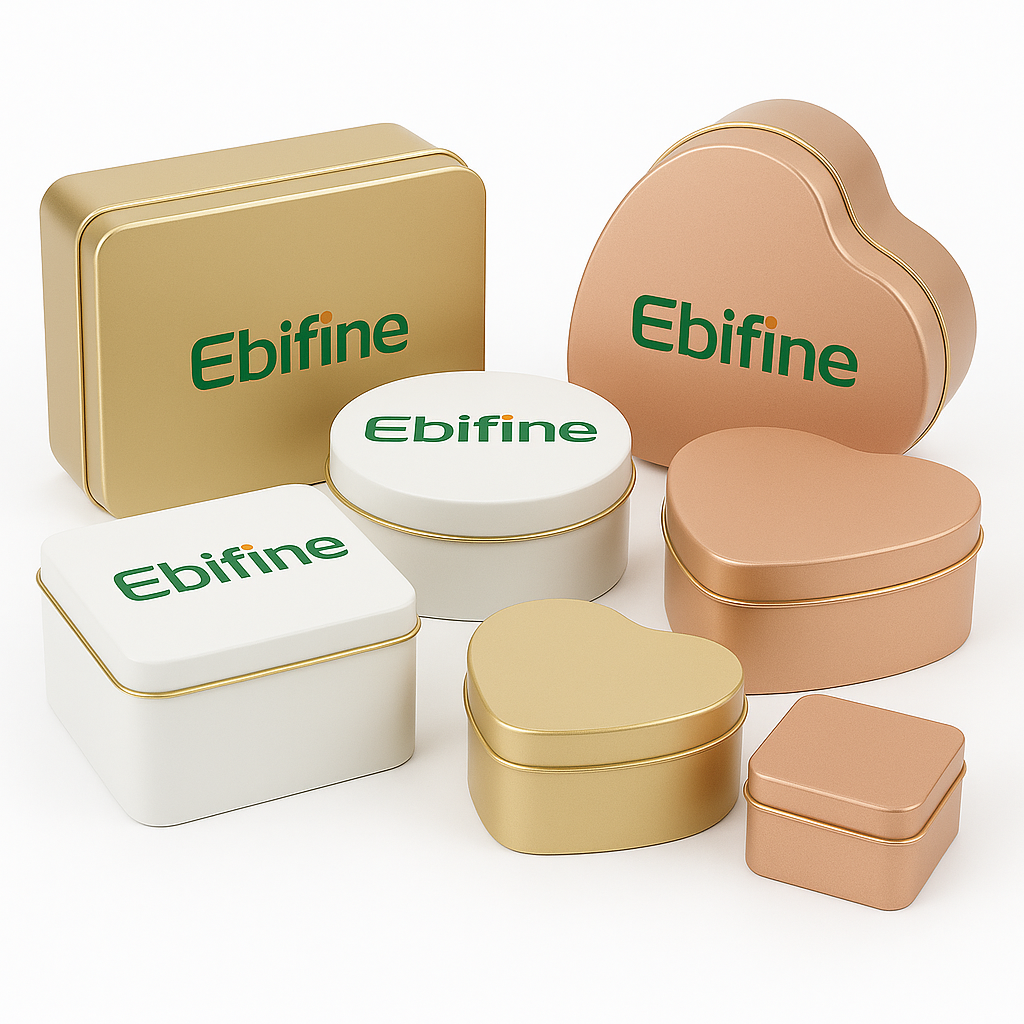
Engineered for brands that refuse to compromise between compact portability and high-end tactile presentation, the Ebifine Custom Sliding / Pull-Out Tin Box delivers retail-ready luxury with unprecedented sourcing flexibility.
| Base Metallurgy | First-grade electrolytic tinplate (ETP) with food-safe internal protective varnish |
| Structural Format | Two-piece horizontal sliding drawer mechanism with integrated anti-slip friction stops |
| Low MOQ Agility | Accessible 100-piece Minimum Order Quantity (Eliminates high factory barriers) |
| Rapid Factory Lead Time | 15 to 20 working days from digital artwork approval to global export dispatch |
| Customization Options | Full CMYK offset litho, spot pantone printing, matte/gloss varnishing, and 3D embossing |
| Primary Target Uses | Solid perfumes, beard balms, confectionery, jewelry, guitar picks, and tech accessories |
Procurement Specialist’s Advice: Stop tying up five-figure capital reserves in massive 5,000-unit factory minimums. Test your next product release with precision metal packaging. Inspect full engineering details on the official Custom Sliding / Pull‑Out Tin Box China Supplier page, or consult our broader team as your dedicated sustainable packaging supplier.
Direct Technical Comparison: Tinplate vs. Rigid Paperboard vs. Molded Plastic
| Performance Vector | Decorative Tinplate Box (Ebifine) | Rigid Paperboard Gift Box | Injection-Molded Plastic Box |
|---|---|---|---|
| Hermetic & Vapor Barrier | 100% Impermeable (Blocks light, air, moisture) | Porous (Absorbs humidity; degrades over time) | Moderate (Prone to chemical migration & micro-cracks) |
| Physical Crush Resistance | Extreme (High tensile steel resists heavy transit loads) | Moderate (Corners crush and split under compression) | High, but brittle (Subject to shattering under drops) |
| Consumer Retention / Reuse Rate | 80% to 90% kept as permanent keepsakes | < 20% kept (Mostly discarded with household trash) | < 10% kept (Perceived as cheap, disposable plastic) |
| Circular Sustainability & Recycling | 100% Infinitely Recyclable without property loss | Biodegradable, but laminated coatings hinder recycling | Down-cycled or landfilled (Low real recycling rates) |
| Tactile Perceived Value | High-End Executive / Artisan Craft ($$$) | Traditional Luxury ($$) | Utilitarian / Commodity ($) |
| Initial Tooling / Plate Investment | Moderate (Offset printing plates & stamping dies) | Low (Die-cutting and print setups) | Extremely High (Steel injection molds $5k–$25k+) |
Pros and Cons: The Reality of Wholesale Metal Packaging
| Packaging Strategy | Documented Practical Advantages (Pros) | Real-World Operational Liabilities (Cons) |
|---|---|---|
| Decorative Tinplate Wholesale Packaging (e.g., Ebifine Custom Solutions) |
|
|
| Flexible Pouches & Paper Boxes (Plastic Bags, Paper Cartons) |
|
|
Commercial Benefits and Inherent Material Limitations
Every packaging medium represents an engineering balance between physical capabilities, consumer psychology, and supply chain realities. Transitioning to decorative tin box wholesale packaging provides overwhelming commercial advantages, but professional buyers must account for the physical constraints of formed sheet metal.
The Real Economic Payoffs:
- Unrivaled Brand Impression Lifespan: When a consumer buys a cosmetic product in a paper carton, the box is in the recycling bin within five minutes. When that same product arrives in a custom-embossed sliding tin, the consumer keeps the empty tin on their office desk to hold paperclips, memory cards, or breath mints. If that tin stays on a desk for three years, your company receives daily, subconscious visual impressions for a fraction of a cent per day. No digital marketing campaign can match that return on investment.
- Superior Compliance with Global Circular Economy Laws: Steel and tinplate are the most recycled industrial packaging materials on the planet. Under guidelines tracked by the United States Environmental Protection Agency (EPA) on Containers and Packaging Recycling, metal containers achieve high reclamation rates because municipal recycling centers separate steel effortlessly using automated industrial electromagnets. Steel can be recycled infinitely with zero loss of tensile strength or chemical purity, allowing brands to fulfill genuine corporate sustainability pledges without greenwashing.
The Inescapable Structural Limitations:
- Rigid Shipping Volumes: Unlike folding cartons or flexible ziplock packaging bags that ship completely flat, hollow tin boxes are rigid three-dimensional structures. Unless the tins are designed with tapered drafts that allow them to nest inside one another, you are essentially paying freight to ship empty air from the factory to your fulfillment center. Smart procurement directors account for carton packing densities during the initial CAD design phase.
- Surface Scuffing and Tooling Scratch Risks: Highly polished, mirror-finish metal surfaces are vulnerable to friction scratches if boxes rub against one another during ocean container transit. Sourcing high-grade tins requires demanding individual tissue wrapping or custom divider polybags inside master export cartons to ensure every unit arrives in showroom condition.
Who Should Use Decorative Tins vs. Who Does Not Need Them
Every commercial packaging expenditure must align with product retail margins, sales velocity, and audience expectations. Investing in decorative tin box wholesale packaging is a transformative strategy for specific commercial tiers, while being totally misaligned for others.
Brands That Must Invest in Decorative Tin Boxes:
- Artisanal Food, Tea, Coffee & Confectionery Makers: If your retail price per unit exceeds $15, wrapping your product in plain paper cheapens your offering. Decorative metal packaging justifies premium pricing, provides food-grade barrier preservation, and drives seasonal gift-giving purchases.
- Waterless & Solid Cosmetic Formulators: Beard balms, solid perfumes, natural deodorants, and luxury soaps require rigid, moisture-resistant enclosures that do not soften, leak, or break in pockets and travel kits.
- High-End Corporate Gifting Programs & VIP Clubs: Companies seeking memorable merchandise for executive retreats, investor welcome packages, or brand ambassador kits where recipients immediately reject cheap plastic giveaways.
When You Should Choose Alternative Packaging:
- High-Volume, Low-Margin Commodity Consumables: If you are manufacturing high-turnover grocery items retailing for under $3.00 with paper-thin margins, the unit cost of tinplate packaging will destroy your gross profitability. You are far better served utilizing high-efficiency flexible films or basic custom plastic bags.
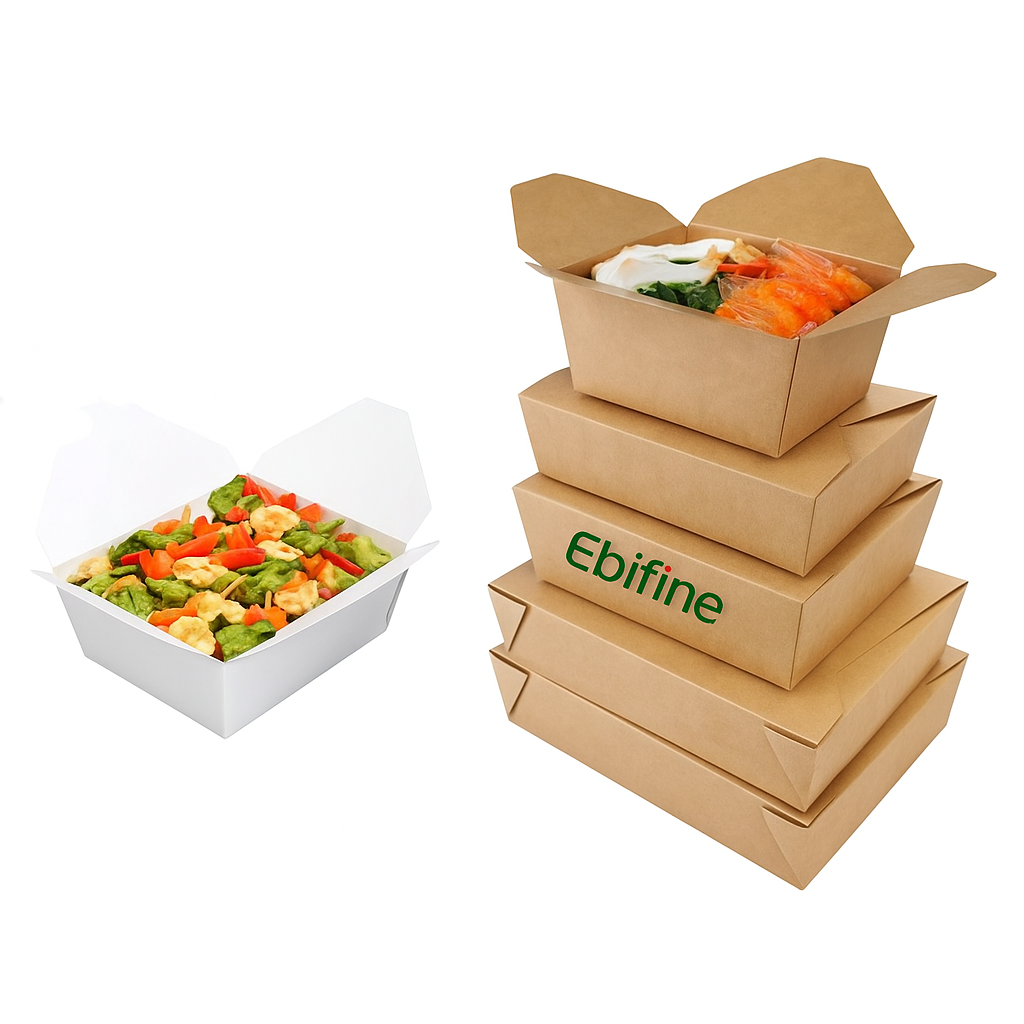
- Single-Use Event Food Services: Catering operations, food trucks, and fast-casual dining spaces requiring immediate disposable dining supplies should avoid metal containers entirely, opting instead for certified compostable tableware.
- Heavy Liquid Solutions: Free-flowing water-based beverages, household detergents, or bulk industrial chemicals cannot be safely contained in traditional slip-lid or sliding tins due to capillary liquid migration around rolled hems. These require specialized hermetic bottles or multi-layer barrier jugs.
5 Costly Mistakes Brands Make When Buying Wholesale Tin Boxes
Factory Floor Advisory: The “Unlined Lacquer” Disaster
The most common failure in metal packaging procurement occurs when a brand orders decorative tins from an unverified broker and fills them with water-based cosmetics or acidic confections without verifying internal lacquer specifications. If the raw tinplate lacks a certified, cured food-grade protective coating complying with FDA 21 CFR 175.300 Food Contact Coatings, the moisture and organic acids will corrode the electrolytic tin layer within three weeks, turning the interior black, releasing metallic odors, and contaminating the product. Always mandate certified food-grade gold stoving or epoxy phenolic interior lacquers for all consumable goods.
- Neglecting Lid Friction and Clearance Tolerances: Designing a two-piece slip lid or sliding cover with zero dimensional clearance buffer. If the clearance between the lid hem and the base body is too tight (under 0.15mm), the tin will seize up, requiring frustrating force to open; if it is too loose, the lid falls off in transit, spilling the contents across shipping cartons. Professional tin makers calibrate exact friction detents to balance smooth opening with secure closure.
- Skipping Pre-Production Metal Lithography Proofs: Approving production artwork based purely on a computer screen PDF. Ink reacts completely differently on reflective metallic tinplate than it does on white paper. If you print translucent CMYK inks directly over bare metal without a white opaque ink base layer (white ink underprint), your vibrant brand colors will look dark, muted, and metallic. Always insist on a physical metal proof sheet before green-lighting mass printing runs.
- Overlooking Embossing Depth and Text Legibility: Demanding aggressive, ultra-deep 3D embossing on tiny 6-point typography. Stamping metal requires physical metal flow: if you force deep embossing on microscopic serif letters, the metal will stretch beyond its tensile limit, cracking the printed varnish and exposing raw steel to atmospheric oxidation. Keep fine typography flat, reserving bold 3D embossing for central brand logos and bold graphic contours.
- Failing to Account for Transport Nesting and Volume Freight: Sourcing non-nesting rectangular tins for long-distance international ocean shipping without calculating freight costs. If your tins cannot stack or nest inside one another, a 40-foot container will fill with cubic volume long before it hits maximum payload weight, doubling your freight-per-unit cost. Consult with your manufacturer during tooling design to incorporate subtle 1-degree draft angles that allow empty bases to nest securely during shipping.
- Underestimating Hinge Strength and Beaded Edge Quality: Sourcing tins with exposed, sharp raw metal cut edges along the rim. High-quality commercial tins must feature fully curled, rolled-in beads on both the lid and base perimeters. Rolled beads bury raw sheared edges inside smooth metallic curls, eliminating finger-cut hazards, reinforcing structural rigidity, and preventing edge rust.
Essential Sourcing Checklist: Auditing a Metal Box Manufacturer
Before issuing a commercial purchase order or transferring production deposits for decorative tin box wholesale packaging, require prospective manufacturing partners to verify compliance across these four non-negotiable craftsmanship standards:
1. Verified Metallurgy and Raw Material Grading
Demand certified mill test reports confirming that all raw materials adhere to international standards:
- Compliance with ASTM A623 / A623M Standard Specification for Tin Mill Products, guaranteeing uniform temper ratings (typically T2.5 to T4 for drawing and forming) and certified tin-coating weights.
- Verification that all decorative coatings are certified lead-free, cadmium-free, and phthalate-free under international consumer product safety directives.
2. Printing Precision and Multi-Stage Finishing Capabilities
Audit the factory’s printing press equipment. Settle for nothing less than:
- Advanced multi-color metal offset printing presses capable of holding tight registration tolerances (±0.05mm) across complex multi-layer CMYK and Pantone matching runs.
- In-line varnishing capabilities: offering spot glossy lacquer, tactile soft-touch matte finishes, crackle lacquers, and textured metallic finishes.
- Precision CNC tooling workshops that can manufacture custom embossing and debossing dies without outsourcing delays.
3. Low-MOQ Flexibility and Agile Production Programs
Traditional canning conglomerates demand rigid minimum orders of 5,000 to 10,000 pieces per design, freezing emerging brands out of metal packaging entirely. Partner with agile manufacturers like Ebifine that offer specialized production programs starting at just 100 pieces for standard shapes like sliding boxes. This allows you to launch limited-edition collections, test new flavor variants, and validate consumer demand with minimal financial exposure.
4. Total Secondary Packaging Integration
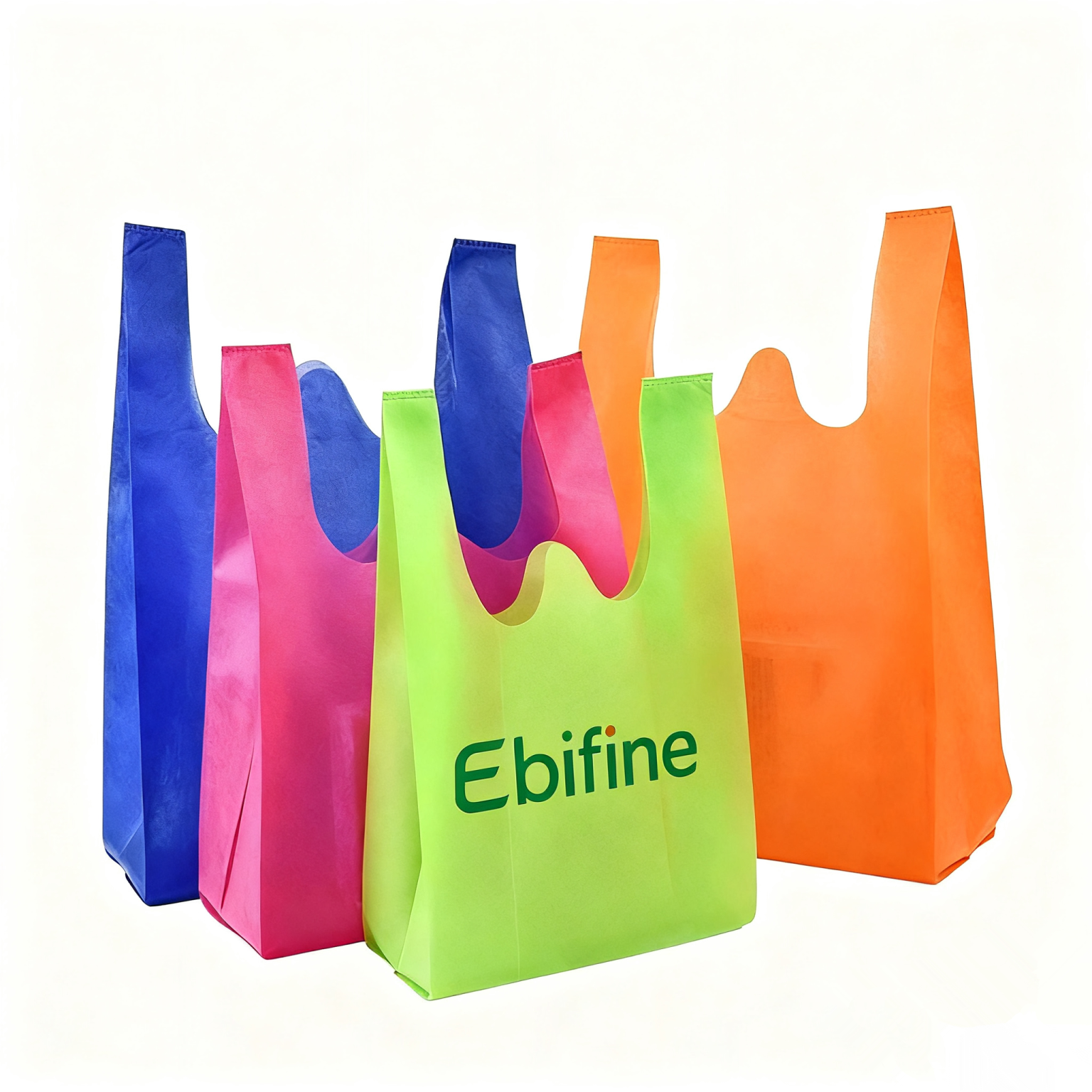
A high-competence packaging partner understands the entire retail ecosystem. Metal boxes must integrate cleanly into outer transport systems. Whether you need custom thermoformed or EVA foam interior trays, protective outer gift sleeves from paper boxes for retail, or branded transport totes from a reliable non woven bag supplier or reusable shopping bags manufacturer, a vertically integrated partner ensures that your entire packaging suite arrives harmonized and ready for fulfillment.
Expert Procurement Verdict: The High-Margin Metal Blueprint
In our professional assessment across decades of retail packaging production, the verdict is definitive: settling for disposable, generic paper or plastic packaging is the fastest way to commoditize an otherwise exceptional product. Upgrading to decorative tin box wholesale packaging elevates your brand from a transient commodity into a permanent, cherished household keepsake.
Here is your clear, actionable procurement roadmap:
- Identify Your Core Functional Need: Match your product’s vulnerability to the correct metal format. Use airtight slip-lid tins for moisture-sensitive teas and confections; deploy seamless deep-drawn containers for poured candles; and choose compact sliding boxes for pocket balms, solid perfumes, and luxury accessories.
- Never Compromise on Food-Safe Lacquers: If your product touches the metal directly, mandate certified BPA-NI food-grade interior varnishes. Protect your customer and your brand liability from day one.
- Use Tactile Embossing Instead of Loud Graphics: Let the metallic substrate do the selling. Combine subtle matte and gloss varnishes with multi-level 3D embossing on your primary logo. Tactile elegance projects an aura of luxury that paperboard cannot replicate.
- Leverage the Ebifine Agile Sourcing Advantage: Eliminate the barrier of high factory minimums. Partner directly with Ebifine to access custom printing, master-grade embossing, and precision sliding-tin fabrication starting at just 100 sets. Scale your brand with retail-grade metal packaging that commands premium prices, delights your customers, and builds lasting market presence.
Frequently Asked Questions
Decorative tin box wholesale packaging offers complete barrier protection against moisture, light, oxygen, and physical crushing that rigid paperboard cannot match. Furthermore, metal tins possess an infinitely higher consumer retention rate; customers keep, reuse, and display embossed tin containers for years, transforming single-use packaging into continuous, zero-cost brand exposure.
Yes, provided the interior is coated with food-grade lacquer complying with international standards such as FDA 21 CFR 175.300 and EU 1935/2004. High-grade gold stoving varnish or clear epoxy phenolic coatings prevent organic acids, moisture, and oils from reacting with the underlying electrolytic tin-coated steel sheet.
The most effective methods are high-precision offset lithography for full-color CMYK artwork, multi-level 3D embossing or debossing to give brand logos tactile depth, and specialized varnish combinations such as spot glossy lacquer over matte crackle finishes. Metallic effects can be achieved by printing transparent inks directly over the reflective bare tinplate base.
Traditional mass-production canning factories often enforce high thresholds of 3,000 to 5,000 units due to sheet metal litho-printing press setups. However, agile manufacturers like Ebifine offer specialized programs with MOQs starting at just 100 units for standard structures like sliding boxes, allowing emerging brands to launch custom metal packaging with minimal capital exposure.
Authoritative References & Packaging Industry Standards
- ASTM International: ASTM A623 / A623M Standard Specification for Tin Mill Products, General Requirements
- U.S. Food and Drug Administration (FDA): 21 CFR 175.300 – Resinous and Polymeric Coatings for Food Contact Surfaces
- United States Environmental Protection Agency (EPA): Sustainable Materials Management – Containers and Packaging Product Data