Authored by Ebifine Import And Export Company Limited. Established in 2016, our company is engaged in the packing and printing industry, specializing in comprehensive packaging solutions. Located in Guangzhou, China, with convenient transportation access, we ensure all of our products comply with international quality standards and are highly appreciated in various markets worldwide.
 The global packaging industry has experienced massive shifts over the last decade. As businesses navigate the complexities of supply chain logistics, raw material inflation, and stringent environmental regulations in 2026, understanding the precise economics of packaging is more critical than ever. One of the most common questions we receive from our global partners is regarding the exact cost to manufacture a plastic bag in the current economic climate. While the answer may seem straightforward, the reality involves a highly intricate web of resin pricing, technological efficiency, customization variables, and international compliance mandates.
From our experience operating out of Guangzhou, a global hub for manufacturing and export, the pricing matrix for polymer-based packaging requires meticulous analysis. Whether you are a retailer scaling your operations or a brand seeking to optimize your cosmetic or food packaging expenses, achieving cost-efficiency without sacrificing quality is paramount. In this authoritative guide, we will break down every component that dictates the cost to manufacture a plastic bag in 2026, compare it alongside alternative packaging materials, and provide actionable insights to streamline your procurement strategy.
The global packaging industry has experienced massive shifts over the last decade. As businesses navigate the complexities of supply chain logistics, raw material inflation, and stringent environmental regulations in 2026, understanding the precise economics of packaging is more critical than ever. One of the most common questions we receive from our global partners is regarding the exact cost to manufacture a plastic bag in the current economic climate. While the answer may seem straightforward, the reality involves a highly intricate web of resin pricing, technological efficiency, customization variables, and international compliance mandates.
From our experience operating out of Guangzhou, a global hub for manufacturing and export, the pricing matrix for polymer-based packaging requires meticulous analysis. Whether you are a retailer scaling your operations or a brand seeking to optimize your cosmetic or food packaging expenses, achieving cost-efficiency without sacrificing quality is paramount. In this authoritative guide, we will break down every component that dictates the cost to manufacture a plastic bag in 2026, compare it alongside alternative packaging materials, and provide actionable insights to streamline your procurement strategy.
1. Raw Material Economics in 2026
The absolute foundation of the cost to manufacture a plastic bag lies in the commodities market, specifically the price of polyethylene (PE) resins. The industry primarily relies on High-Density Polyethylene (HDPE), Low-Density Polyethylene (LDPE), and Linear Low-Density Polyethylene (LLDPE). In 2026, the cost of these petroleum-derived resins is heavily influenced by global oil fluctuations, energy tariffs, and the increasing integration of post-consumer recycled (PCR) content mandates. We recommend closely monitoring the resin index, as raw materials account for approximately 50 to 60 percent of the total cost to manufacture a plastic bag. Advancements in polymer science have allowed manufacturers to down-gauge films, meaning we can produce thinner bags that retain the same tensile strength as thicker predecessors. This technological leap helps offset rising resin prices. However, the introduction of bio-based plastics and mandatory PCR blending in certain international markets has introduced new pricing tiers. While virgin HDPE remains the most cost-effective resin per metric ton, specialized eco-resins carry a premium that directly impacts the final unit price.
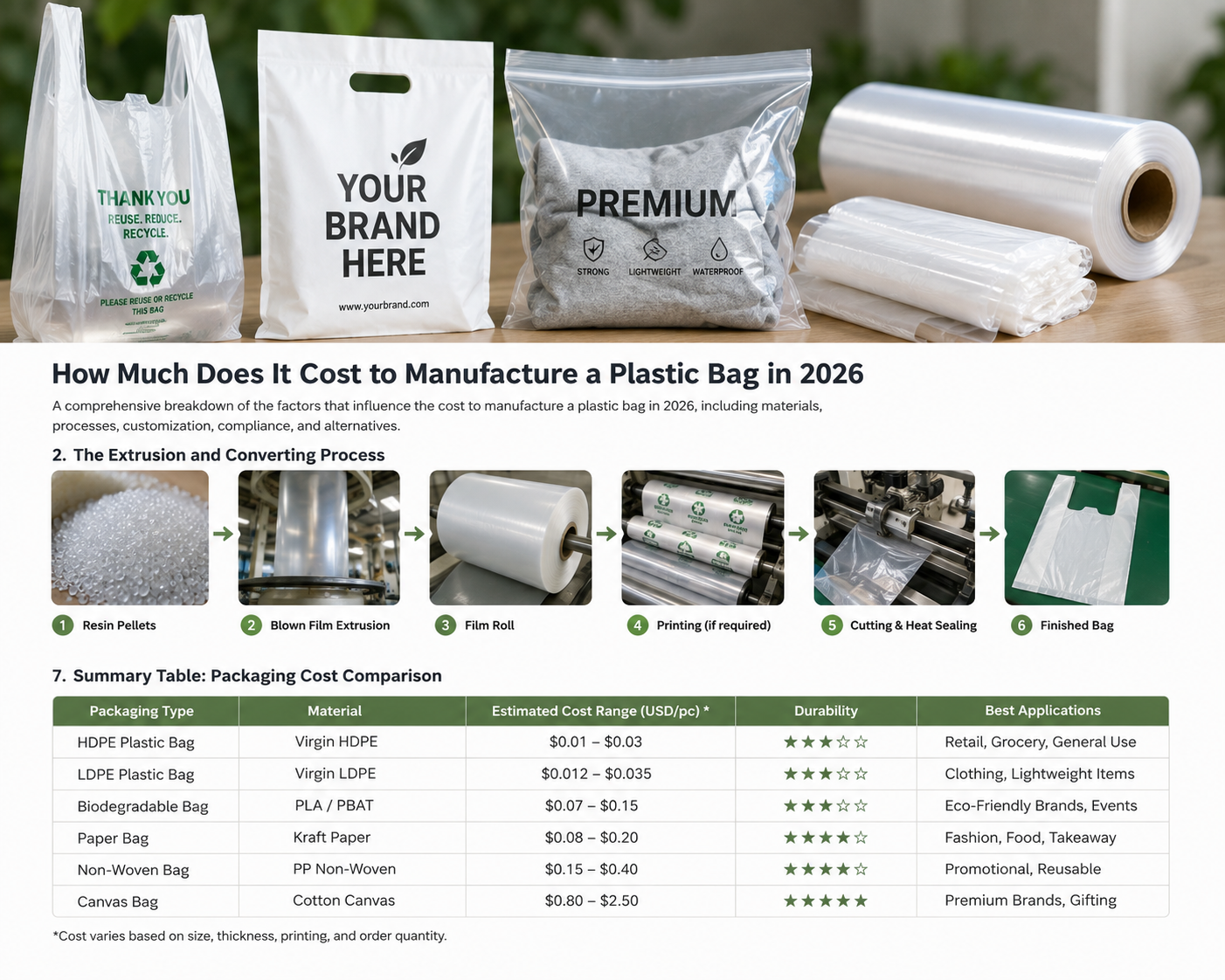
2. The Extrusion and Converting Process
Once the raw resin is procured, it undergoes the blown film extrusion process. The resin pellets are melted at temperatures exceeding 190 degrees Celsius, extruded through a circular die, and inflated into a continuous thin-walled tube. The energy consumption required to maintain these extreme thermal conditions is a significant factor in the cost to manufacture a plastic bag. Following extrusion, the film rolls are transferred to converting machines where they are cut, heat-sealed, and formed into the final bag structure. From our experience, the efficiency of these converting machines defines the labor and operational overhead. High-speed, automated lines reduce manual labor and decrease the per-unit cost. Because Ebifine is located in Guangzhou, China, with highly advanced infrastructure and convenient transportation access, we benefit from exceptional manufacturing efficiencies that allow us to keep production overheads aggressively competitive.
3. Customization and Printing Variables
A plain, unprinted film represents the baseline cost. However, in 2026, brands demand high-impact visual packaging to engage consumers. The addition of multi-color branding drastically alters the cost to manufacture a plastic bag. The industry standard utilizes flexographic or rotogravure printing techniques. Flexographic printing requires the creation of polymer printing plates for each individual color in the design. If your cosmetic packaging or food packaging requires a complex, six-color design, the initial setup cost for these plates will be substantial. Furthermore, the specialized, fast-drying inks formulated to adhere to low-surface-energy polymers add to the material expenses. We recommend consolidating your design to two or three high-contrast colors if you are looking to minimize the cost to manufacture a plastic bag without losing brand visibility.
4. The Impact of Volume and MOQ on the Cost to Manufacture a Plastic Bag
The manufacturing sector operates on the principles of economies of scale. Machine calibration, plate mounting, and resin color matching require significant setup time. If a production run is short, these setup costs are distributed across fewer units, resulting in a high per-bag price. Conversely, massive volume runs dilute these fixed overheads. When calculating the cost to manufacture a plastic bag, Minimum Order Quantity (MOQ) is the primary lever of negotiation. Ordering 10,000 bags will inherently cost more per unit than ordering 500,000 bags. From our experience in the packing and printing industry, we recommend that our clients forecast their inventory needs for a six-month to twelve-month period. By executing larger, consolidated purchase orders, businesses can lock in lower resin rates, optimize machine uptime, and significantly reduce the landed cost per unit.
5. International Quality Standards and Compliance
In 2026, simply producing a cheap bag is not enough; the product must be compliant with global trade regulations. All of our products comply with international quality standards and are highly appreciated in various markets worldwide. Quality control protocols, such as tensile testing, drop tests, and seal integrity verifications, require dedicated personnel and sophisticated testing equipment. While cutting corners on quality assurance might temporarily reduce the cost to manufacture a plastic bag, it inevitably leads to product failure, brand damage, and rejected shipments at international customs borders. Investing in a manufacturer that rigorously adheres to ISO standards and food-grade compliance ensures that your packaging performs flawlessly in the hands of the end consumer.
6. Exploring the Ebifine Packaging Ecosystem
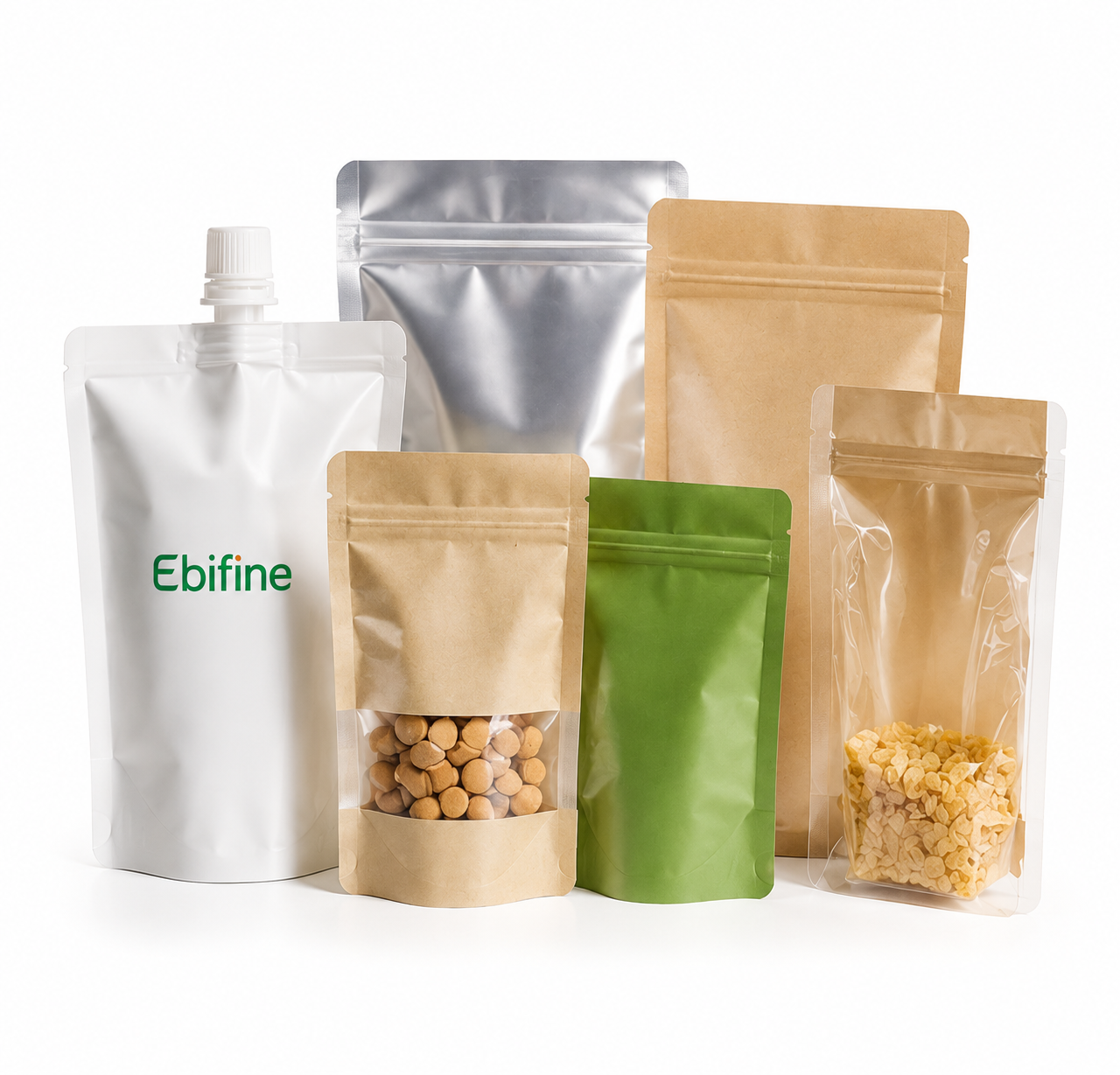
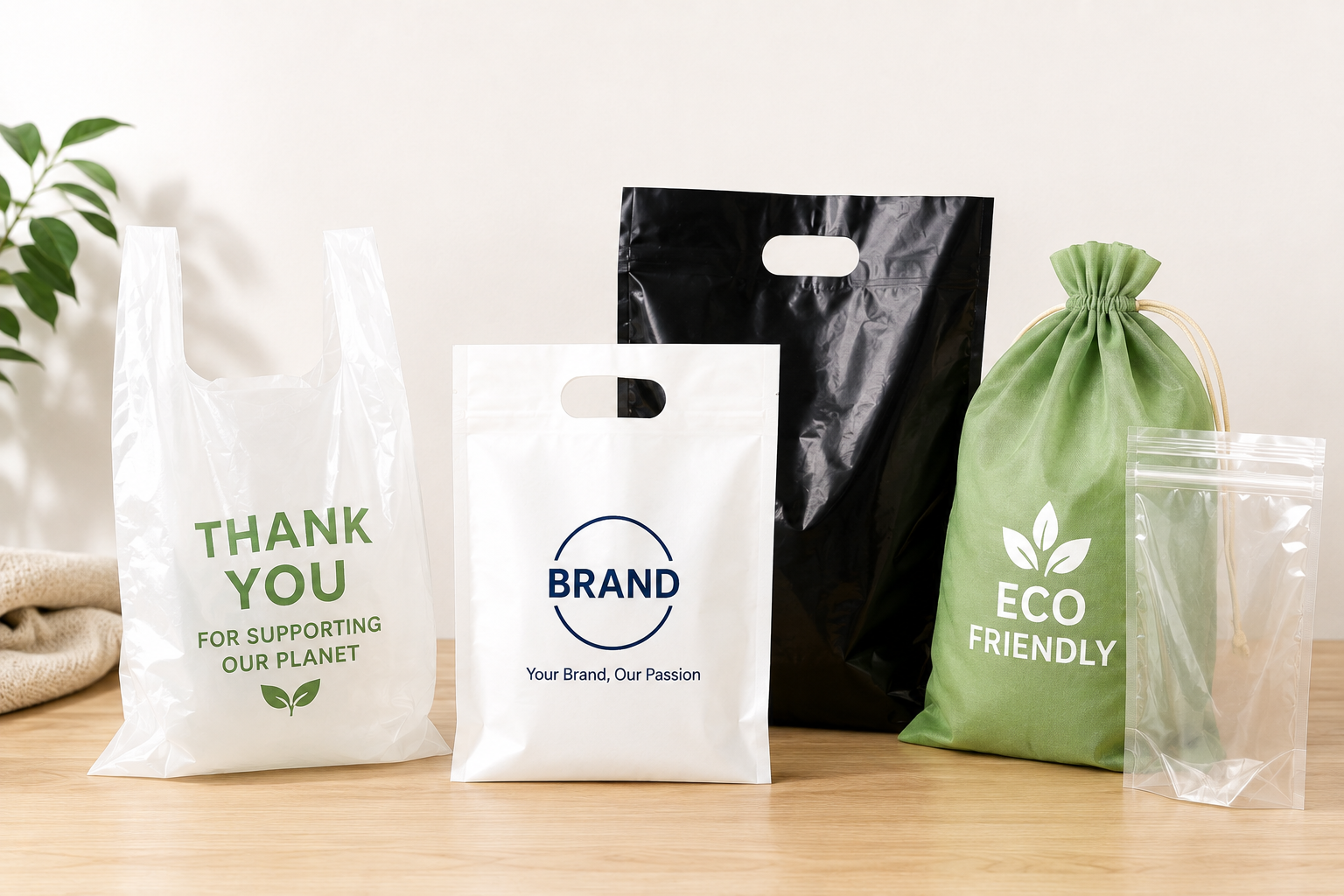 While the cost to manufacture a plastic bag remains highly competitive, modern consumer trends and localized legislative bans have driven a massive surge in alternative packaging solutions. At Ebifine Import And Export Company Limited, we specialize in a diverse array of products tailored to meet any branding or structural requirement.
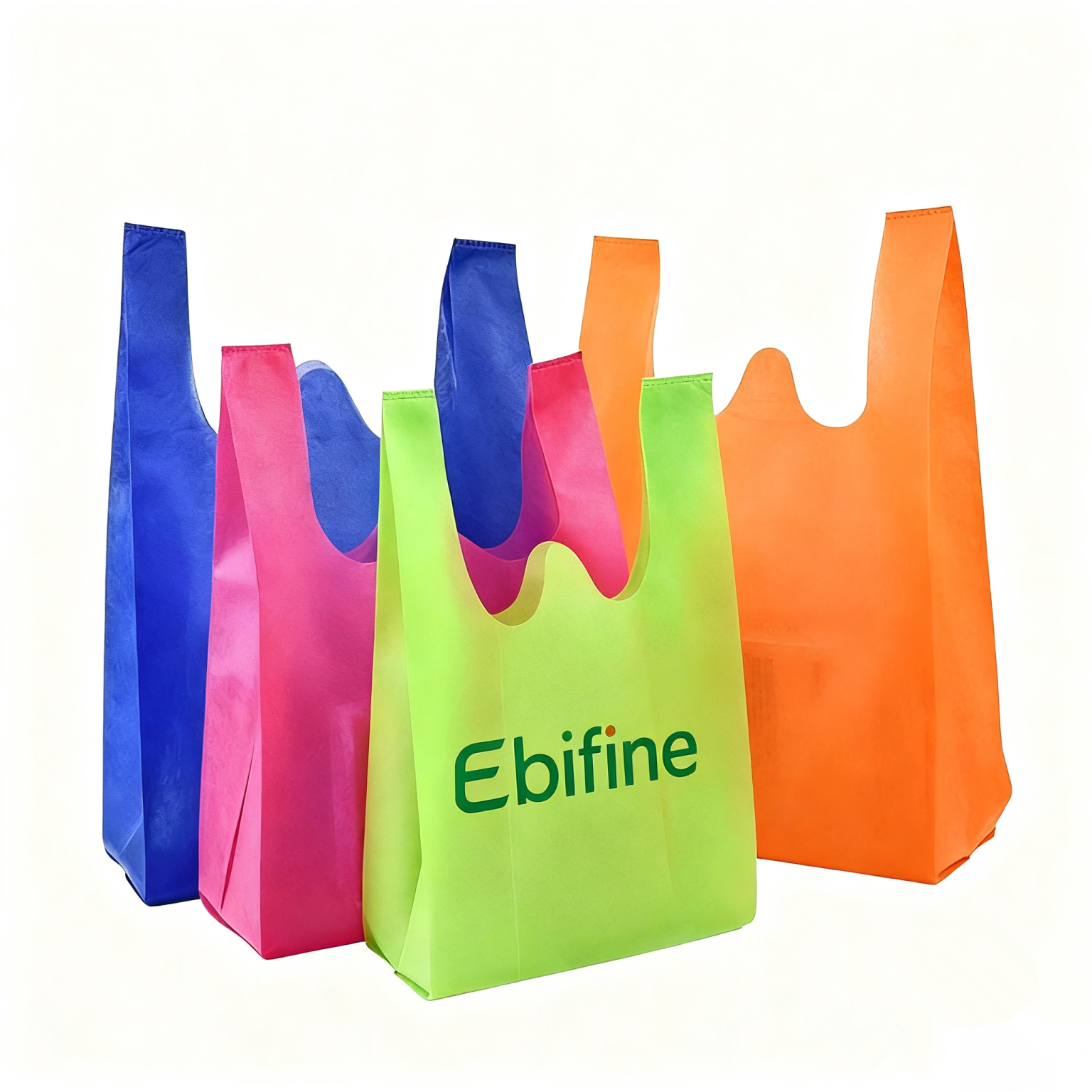
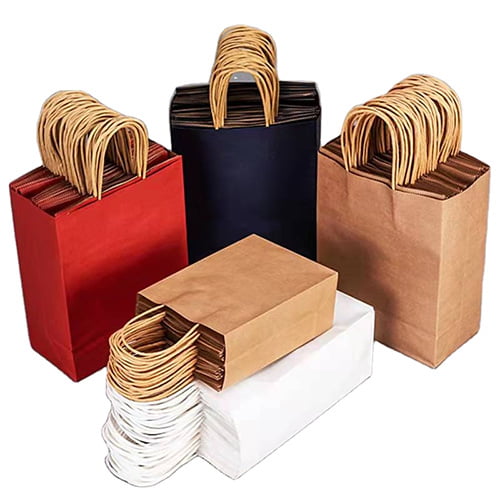
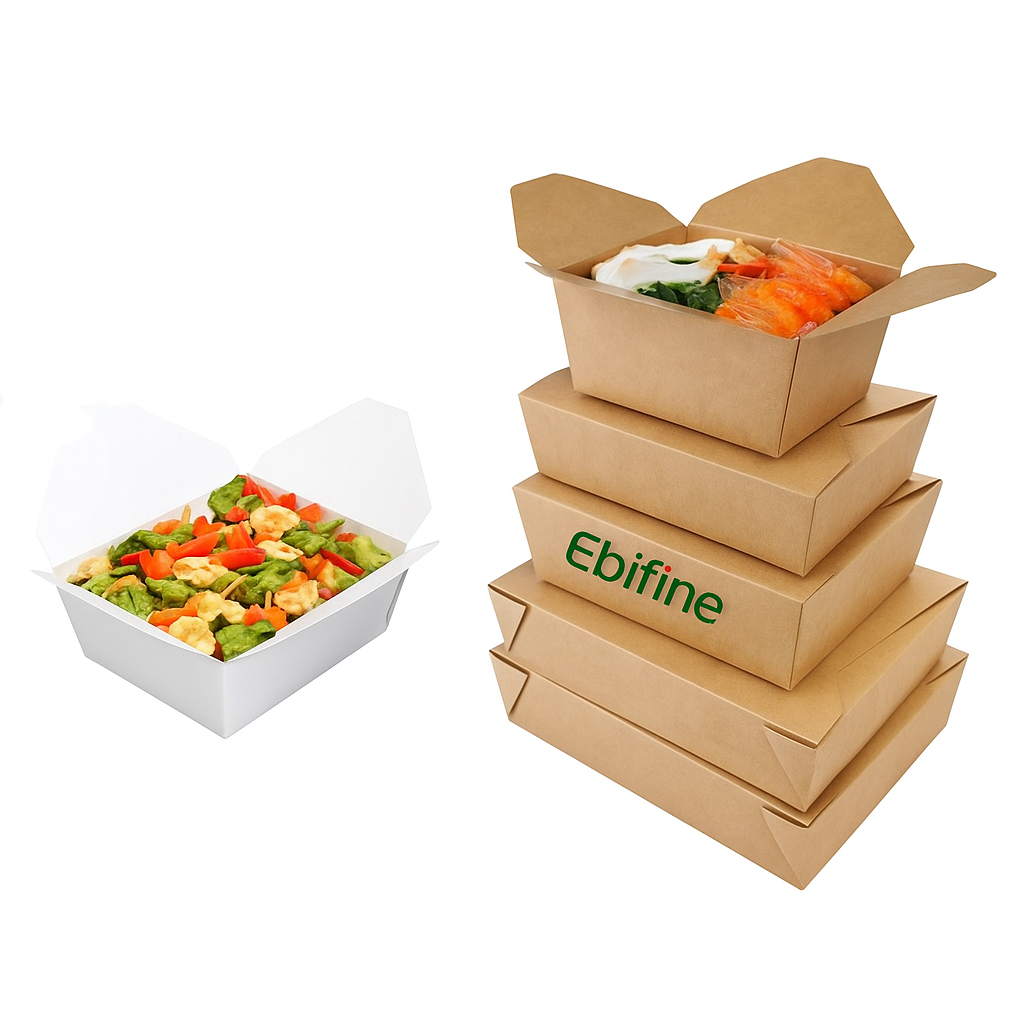
If your brand is pivoting toward premium, eco-conscious presentation, we highly recommend exploring our Paper Bag and Paper Box options. These materials offer exceptional structural rigidity and superior printability for luxury retail and high-end cosmetic packaging. For reusable, long-term branding, our Non Woven Bag and Canvas Bag lines provide excellent durability, turning your customers into walking billboards for your brand.
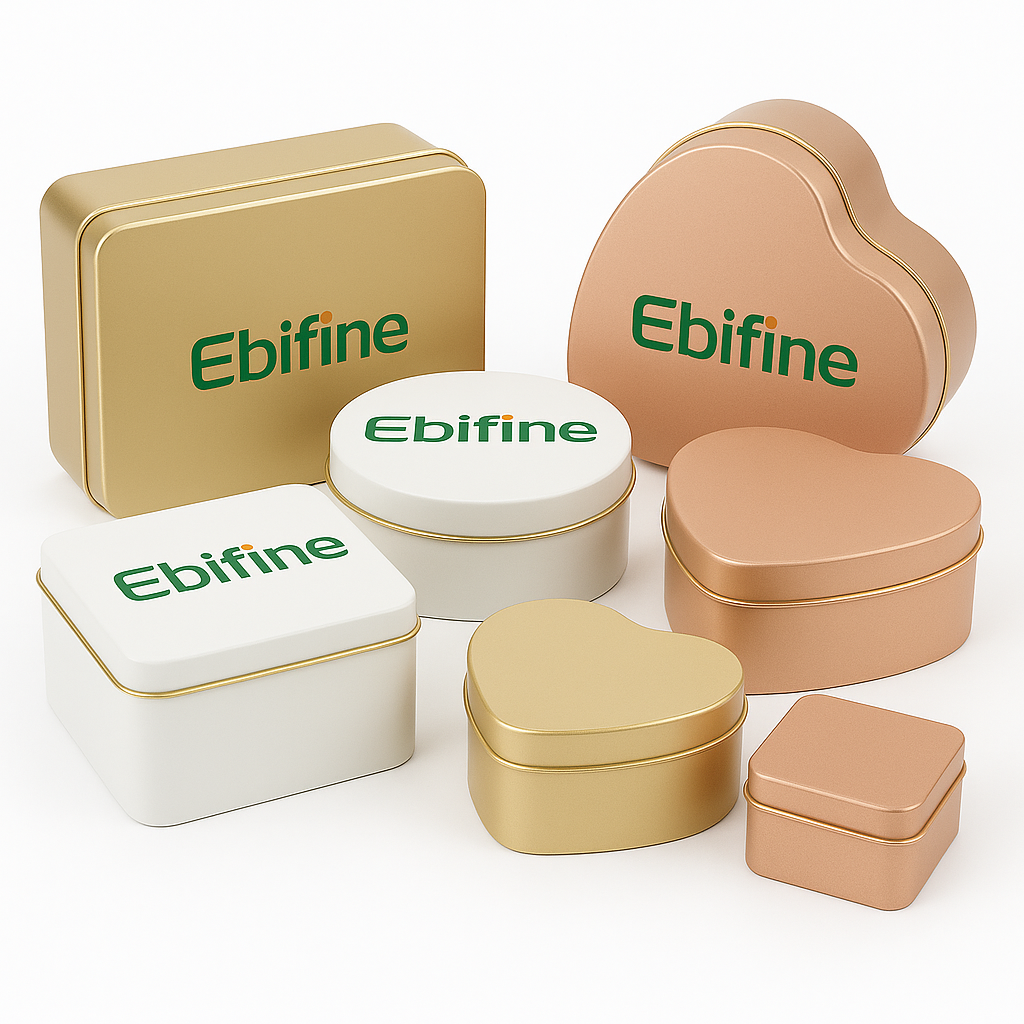
Additionally, we supply specialized Drawstring Bag Pouch solutions for jewelry and small accessories, robust Metal Box and metal jars for secure, airtight storage, and comprehensive Disposable Tableware for the evolving food service sector. By partnering with a comprehensive supplier like Ebifine, you gain the strategic advantage of consolidating your entire packaging procurement under one reliable roof.
While the cost to manufacture a plastic bag remains highly competitive, modern consumer trends and localized legislative bans have driven a massive surge in alternative packaging solutions. At Ebifine Import And Export Company Limited, we specialize in a diverse array of products tailored to meet any branding or structural requirement.
If your brand is pivoting toward premium, eco-conscious presentation, we highly recommend exploring our Paper Bag and Paper Box options. These materials offer exceptional structural rigidity and superior printability for luxury retail and high-end cosmetic packaging. For reusable, long-term branding, our Non Woven Bag and Canvas Bag lines provide excellent durability, turning your customers into walking billboards for your brand.
Additionally, we supply specialized Drawstring Bag Pouch solutions for jewelry and small accessories, robust Metal Box and metal jars for secure, airtight storage, and comprehensive Disposable Tableware for the evolving food service sector. By partnering with a comprehensive supplier like Ebifine, you gain the strategic advantage of consolidating your entire packaging procurement under one reliable roof.
7. Summary Table: Packaging Cost Comparison
To assist our clients in strategic planning, we have compiled a summary table comparing the relative manufacturing costs and ideal use cases of our core packaging solutions in 2026.
| Packaging Type | Relative Manufacturing Cost | Durability / Reusability | Ideal Industry Application |
|---|---|---|---|
| Plastic Bag | Very Low | Low to Moderate (Single to Multi-use) | Grocery, General Retail, Food Packaging |
| Paper Bag | Moderate | Low (Recyclable, Biodegradable) | Apparel, Boutique Retail, Food Delivery |
| Paper Box / Metal Box | High | High (Protective, Keepsake) | Cosmetic Packaging, Luxury Goods, Electronics |
| Non Woven Bag | Low to Moderate | High (Excellent for repetitive use) | Promotional Events, Grocery Totes, Exhibitions |
| Canvas Bag / Drawstring Bag Pouch | Moderate to High | Very High (Washable, Long-lasting) | Premium Retail, Jewelry, Lifestyle Brands |
8. Frequently Asked Questions (FAQs)
What factors most significantly increase the cost to manufacture a plastic bag?
From our experience, the two largest factors that increase the unit cost are complex, multi-color printing which requires expensive custom plates, and utilizing low-volume production runs. Upgrading to specialized heavy-gauge films or adding complex die-cut handles will also elevate the cost to manufacture a plastic bag.
Why should I source my packaging from Guangzhou, China?
Our company is located in Guangzhou, China, with convenient transportation access. This region possesses the world's most advanced and concentrated supply chain for the packing and printing industry. This massive scale of infrastructure allows manufacturers to source raw materials efficiently and ship globally at highly competitive freight rates, ultimately lowering your landed costs.
Can Ebifine handle diverse packaging needs beyond plastics?
Absolutely. We specialize in products such as the Paper Bag, Paper Box, metal jars, Non Woven Bag, Canvas Bag, cosmetic packaging, food packaging, and Disposable Tableware. We recommend utilizing our diverse portfolio to create a cohesive, multi-material packaging strategy for your brand. We look forward to forming successful business relationships with you around the world soon.