The question “how many PP bags are in 1 kg?” is one of the most frequently asked by packaging buyers, traders, and manufacturers.
The number of PP (polypropylene) bags in 1 kilogram depends on factors such as size, thickness, material density, and manufacturing type.
In this comprehensive guide, we will explain everything you need to know — from bag specifications to weight calculation formulas — while highlighting Ebifine Import And Export Company Limited, a leading supplier of premium packaging solutions from Guangzhou, China.
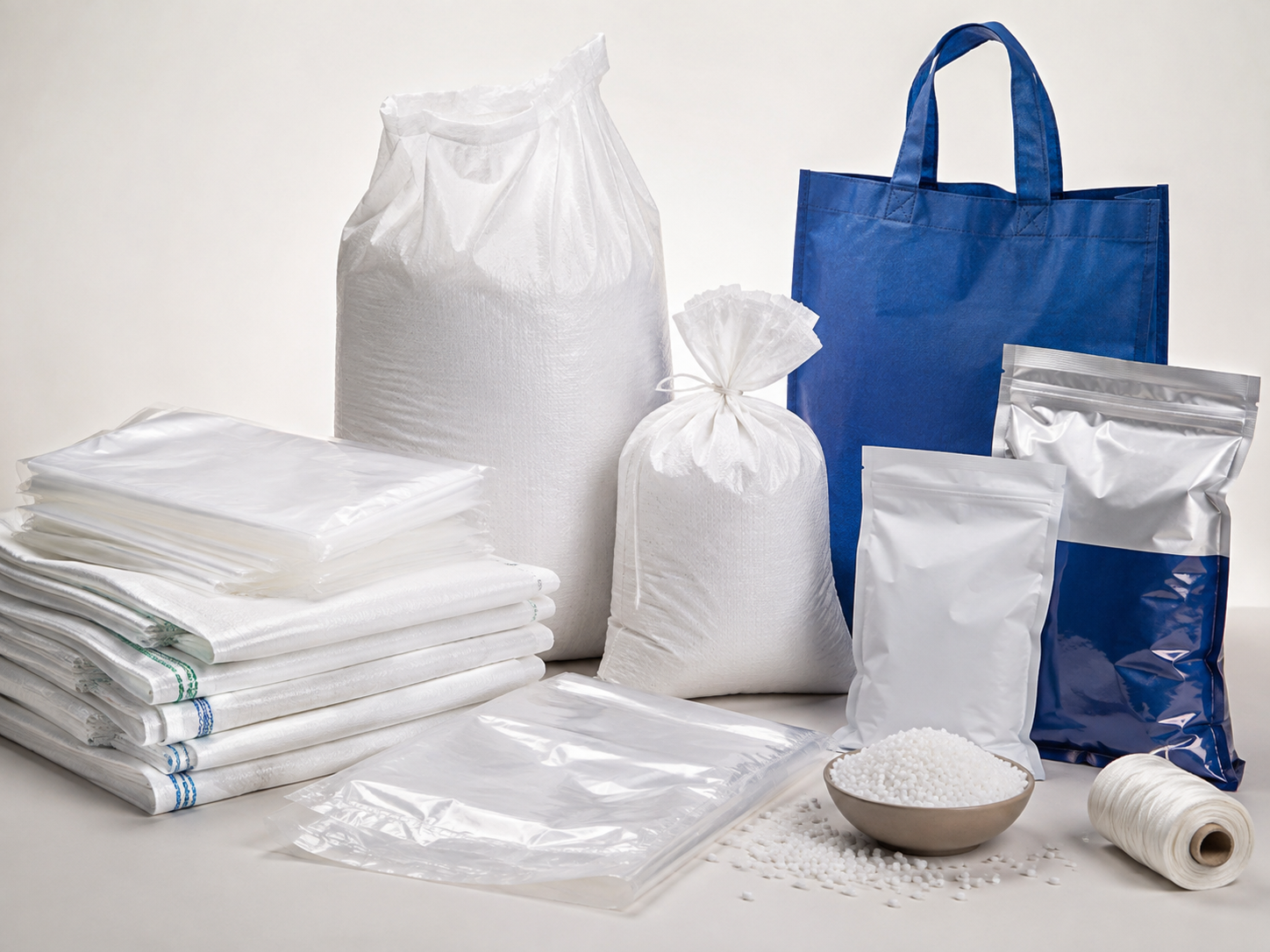
Understanding PP Bags and Their Composition
PP bags are made from polypropylene, a thermoplastic polymer known for its strength, flexibility, and chemical resistance.
These bags are widely used in packaging agricultural products, flour, rice, cement, and various industrial materials.
PP bags come in different constructions — woven, non-woven, laminated, or plain. The material’s density, weaving pattern, and finishing layer influence the overall weight and the count per kilogram.
Why Polypropylene?
- Lightweight yet durable.
- Resistant to moisture and chemicals.
- 100% recyclable and eco-friendly.
- Cost-effective for bulk packaging solutions.
Factors That Determine How Many PP Bags Are in 1 KG
The exact number of PP bags in 1 kg depends on multiple variables, including:
Size of the Bag
Larger bags (e.g., 50kg rice sacks) are heavier, meaning fewer pieces per kilogram. Smaller poly bags can number in the hundreds per kg.
Thickness or GSM (Grams per Square Meter)
Higher GSM results in thicker, stronger bags but fewer pieces per kilogram.
Lower GSM materials produce thinner bags, increasing count per kg.
Type of Bag Construction
- Woven PP bags: Heavier, stronger, suitable for bulk materials.
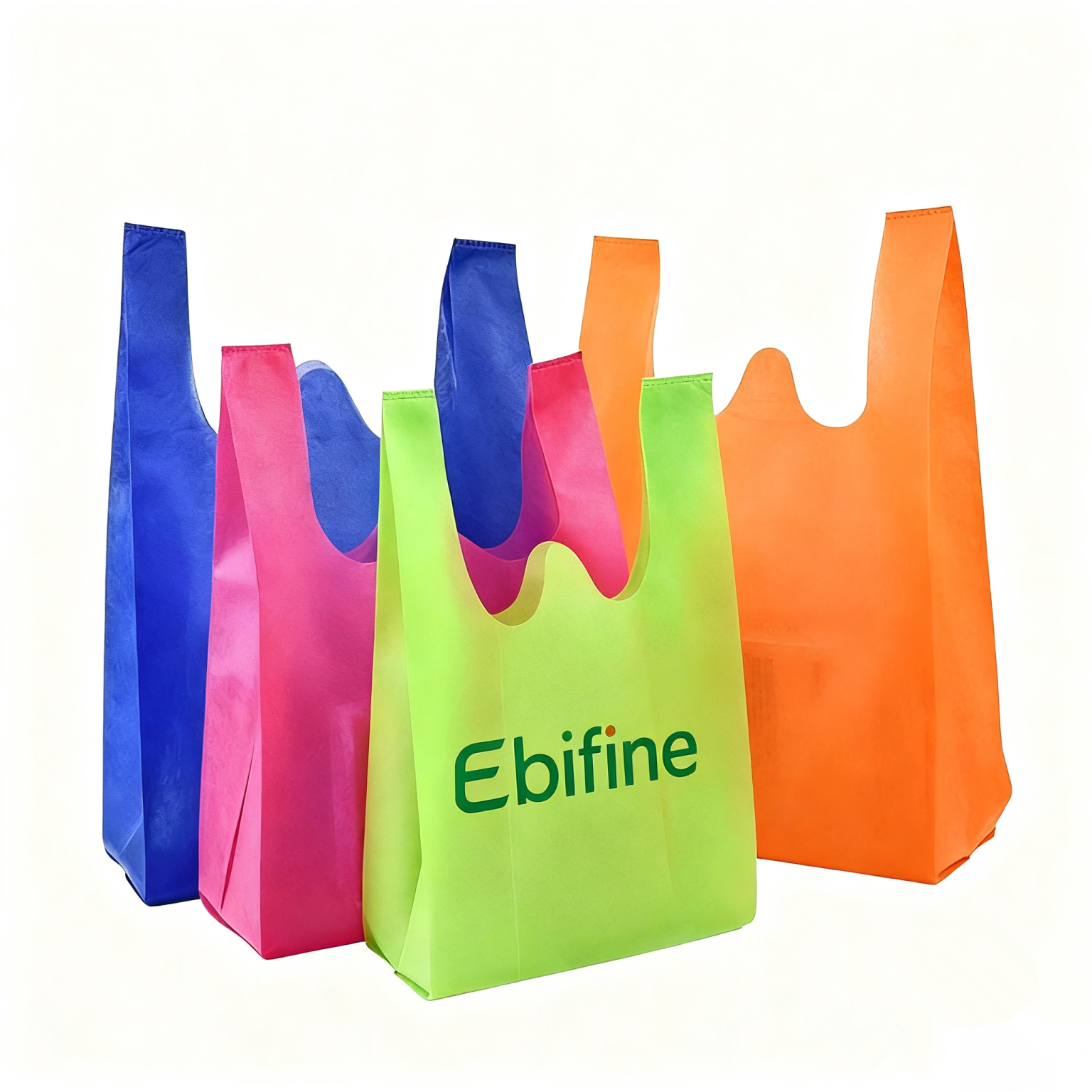
- Non-woven PP bags: Lightweight, reusable, and often used for shopping or promotion.
- Laminated PP bags: Added coating for water and print protection — slightly heavier.
Printing and Lamination
Printed and laminated bags have additional layers of ink and film, which increase the overall weight per piece, reducing the number of bags per kilogram.
Typical Weight Ranges and Count per KG
Depending on bag specifications, here are average estimates of how many PP bags are in 1 kg:
- Small PP retail bags (15×20 cm, thin) — 300–500 bags per kg.
- Medium PP bags (25×35 cm, moderate GSM) — 150–250 bags per kg.
- Large PP woven bags (50kg capacity) — 15–25 bags per kg.
- Heavy-duty laminated PP sacks — 10–15 bags per kg.
Practical Examples and Calculation Table
To calculate the number of PP bags in 1 kg, use this basic formula:
Number of Bags = 1000 ÷ Weight of One Bag in Grams
| Bag Size | Approx. Weight (g) | Bags per KG |
|---|---|---|
| 15×20 cm (thin) | 2g | 500 |
| 25×35 cm (medium) | 5g | 200 |
| 40×60 cm (woven) | 40g | 25 |
| 50×80 cm (laminated) | 70g | 14 |
| Custom printed PP bag | 10g | 100 |
Interpretation
The smaller and thinner the bag, the higher the number of pieces per kilogram.
Industrial packaging uses thicker material to handle heavy loads, while retail or non-woven PP bags prioritize lightness and branding.
Common Types of PP Bags in the Market
PP bags vary depending on usage and manufacturing type. Here are some of the most common kinds:
- Woven PP Bags: Heavy-duty sacks for rice, cement, fertilizer, etc.
- Non-Woven PP Bags: Reusable shopping bags often customized with logos.
- Laminated PP Bags: Glossy and waterproof, ideal for food or retail packaging.
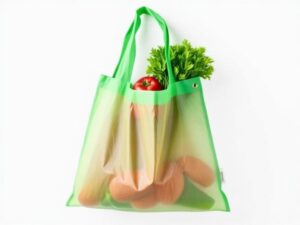
- Mesh PP Bags: Used for fruits, vegetables, and agricultural goods.
- Transparent Poly Bags: For clear visibility of contents, lightweight, and inexpensive.
Company Spotlight: Ebifine Import And Export Company Limited
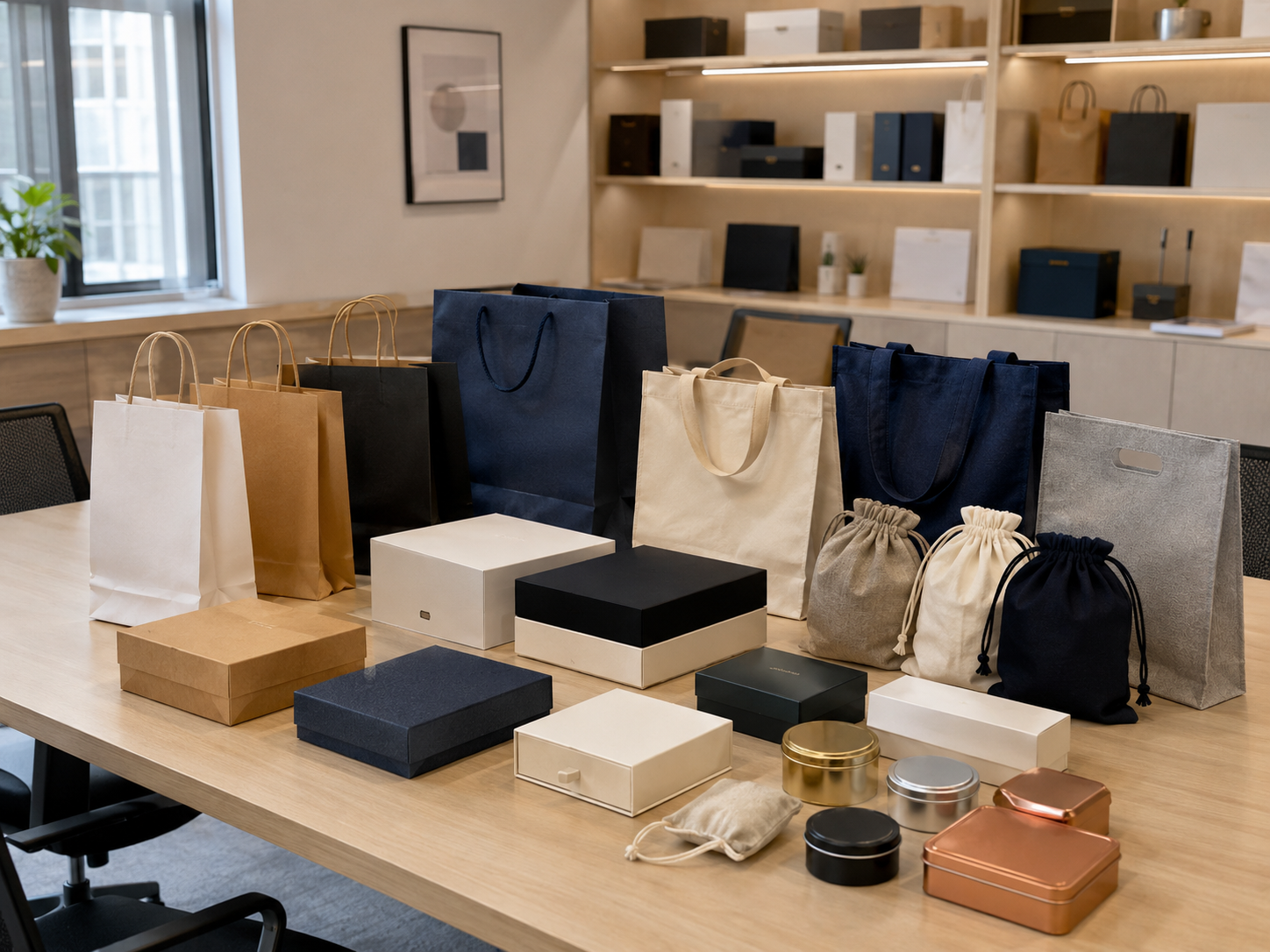
Ebifine Import And Export Company Limited, established in 2016, is a professional enterprise in the packing and printing industry.
Based in Guangzhou, China, Ebifine specializes in high-quality packaging solutions that comply with international standards. The company offers global export services and supports clients with full customization options.
Our Main Products Include
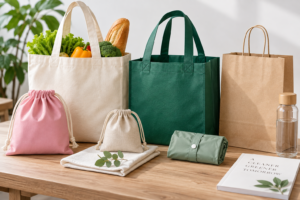
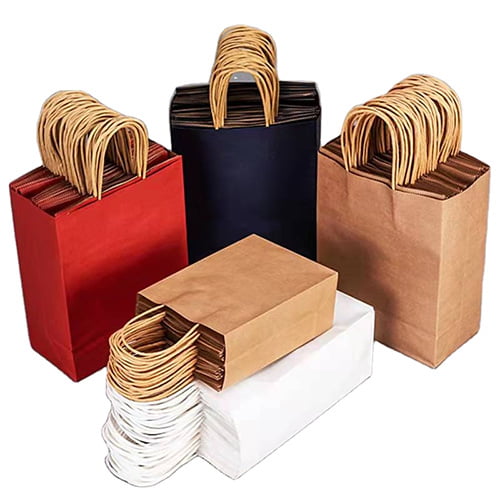
- Paper Bag – Ideal for retail, gift, and eco-friendly branding.
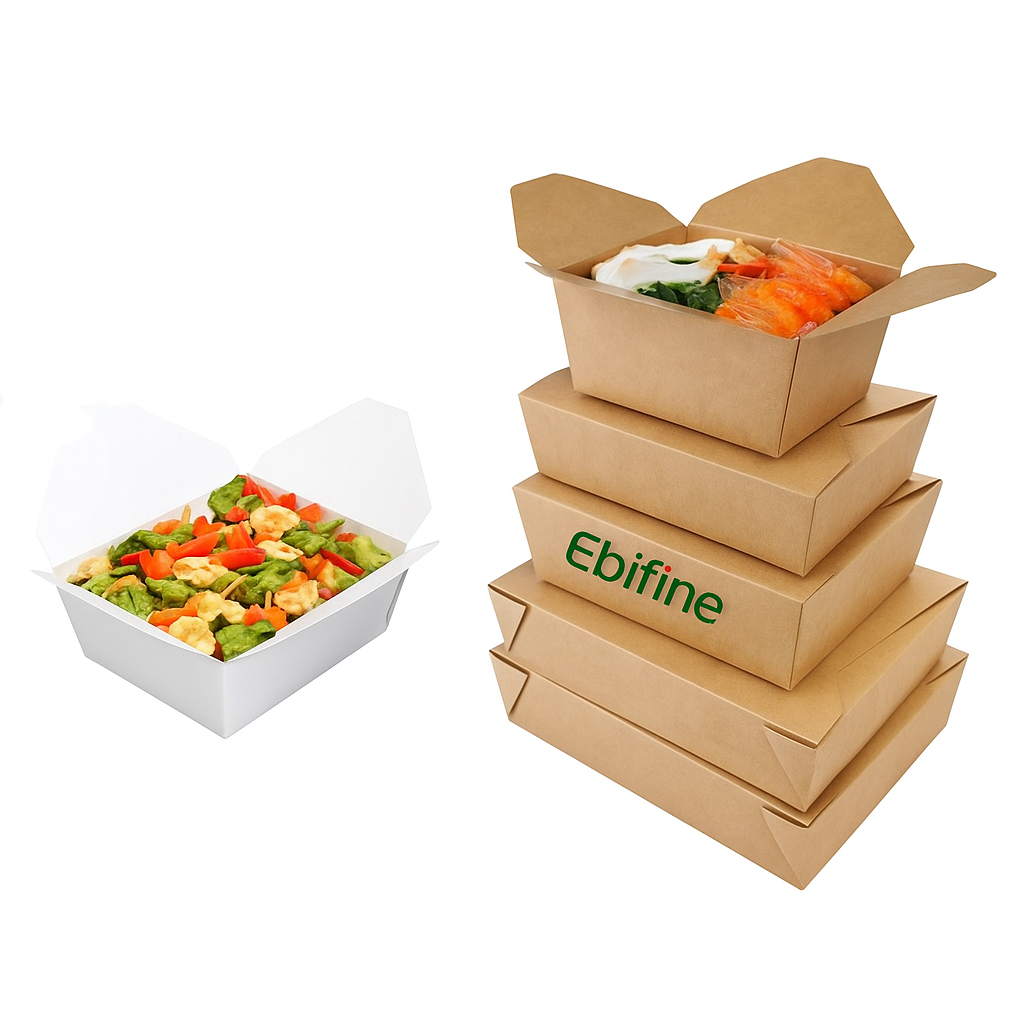
- Paper Box – Suitable for luxury goods, food items, and cosmetic packaging.
- Non-Woven Bag – Reusable, durable, and perfect for promotional use.
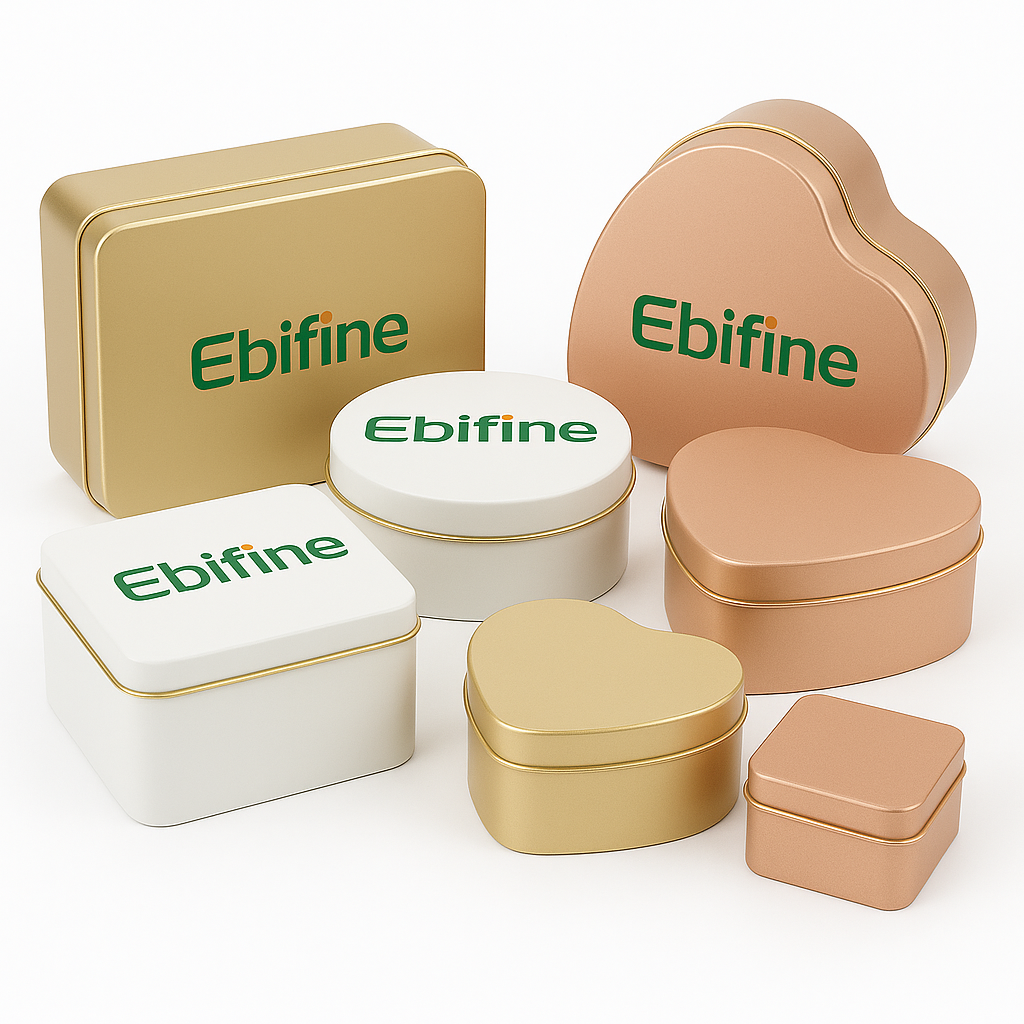
- Metal Box – Sturdy packaging for candles, cosmetics, and confectionery.
- Canvas Bag – Environmentally friendly and stylish option for shopping.
- Drawstring Bag Pouch – Convenient for jewelry, accessories, and small gifts.
- Disposable Tableware – Safe, biodegradable options for catering and events.
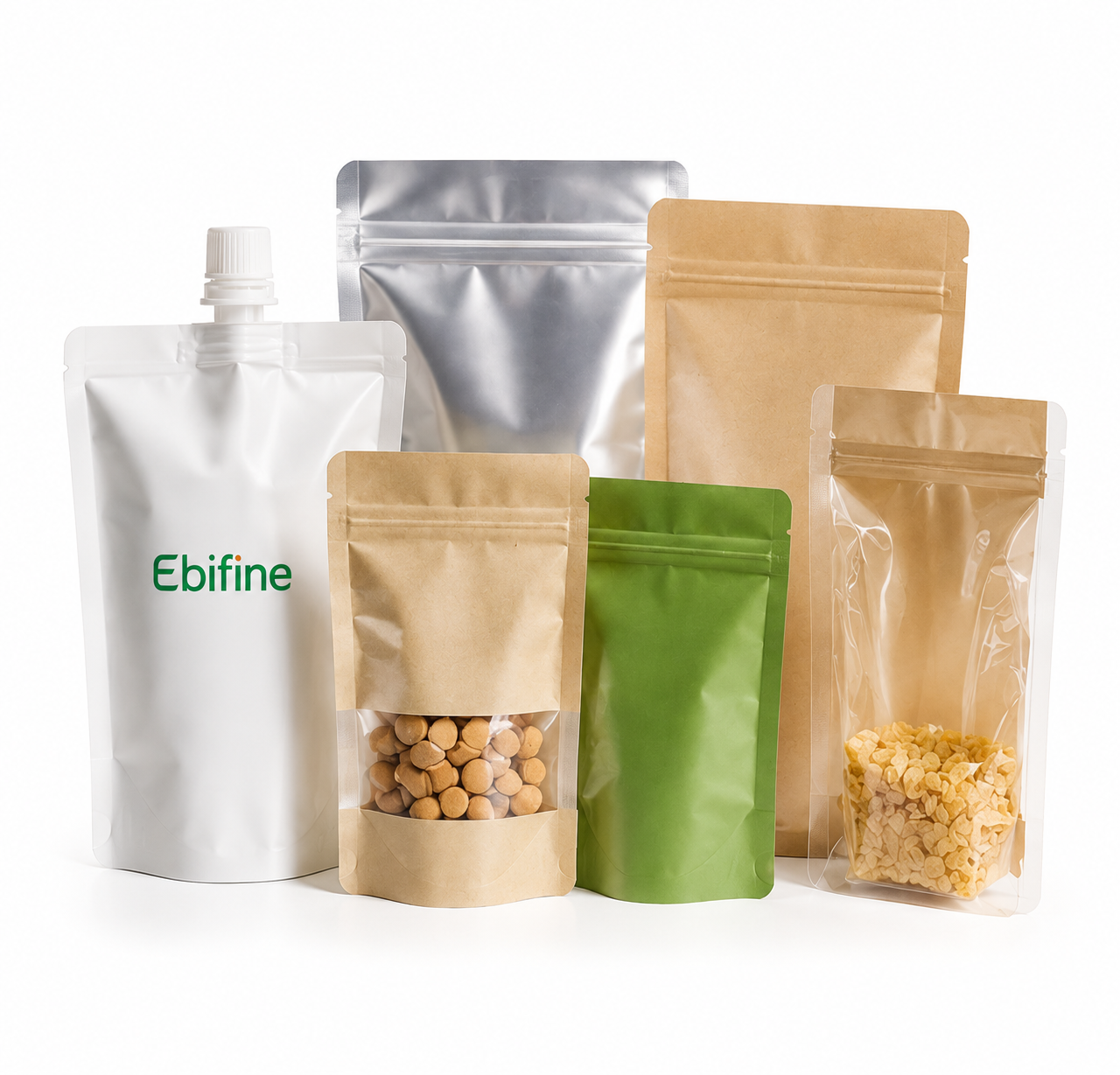
- Plastic Bag – Including Mesh Produce Bags for versatile packaging solutions.
With a focus on sustainability, design precision, and customer satisfaction, Ebifine continues to deliver innovative packaging solutions trusted by clients worldwide.
Summary Table: Bag Type vs Count per KG
| Bag Type | Average Weight | Approx. Bags per KG |
|---|---|---|
| Small Polypropylene Bags | 2g | 500 |
| Medium Non-Woven Bags | 5g | 200 |
| Large Woven Bags | 40g | 25 |
| Laminated PP Bags | 70g | 14 |
| Printed Promotional PP Bags | 10g | 100 |
FAQs About PP Bag Weight and Quantity
Q1: What is the weight of one standard PP woven bag?
A typical 50kg PP woven bag weighs around 40–80 grams depending on the GSM and lamination.
Q2: How can I estimate how many PP bags fit in 1 kg?
Divide 1000 by the weight (in grams) of one bag.
Example:
1000 ÷ 10 = 100 bags per kg.
Q3: Are non-woven PP bags lighter than woven bags?
Yes. Non-woven PP bags are much lighter and reusable, often giving 200–500 pieces per kg.
Q4: What are the most popular sizes of PP bags?
Common dimensions include 25×35 cm (medium), 40×60 cm (large), and 50×80 cm (industrial).
Q5: Can PP bags be recycled?
Yes. Polypropylene can be recycled in appropriate recycling systems, although acceptance and processing methods vary by location. The U.S. Environmental Protection Agency provides general guidance on plastic recycling and packaging waste.