

Are you tired of receiving shipments of dented tin boxes? This damage hurts your brand's image and cuts into your profits. We use a multi-layer strategy to protect your order.
The best way to avoid damage is with a comprehensive, multi-layered approach. This means using strong outer cartons, applying clear fragile labels, individually bagging each tin, and including a few extra units as a backup. This system minimizes risks during long-distance shipping and handling.
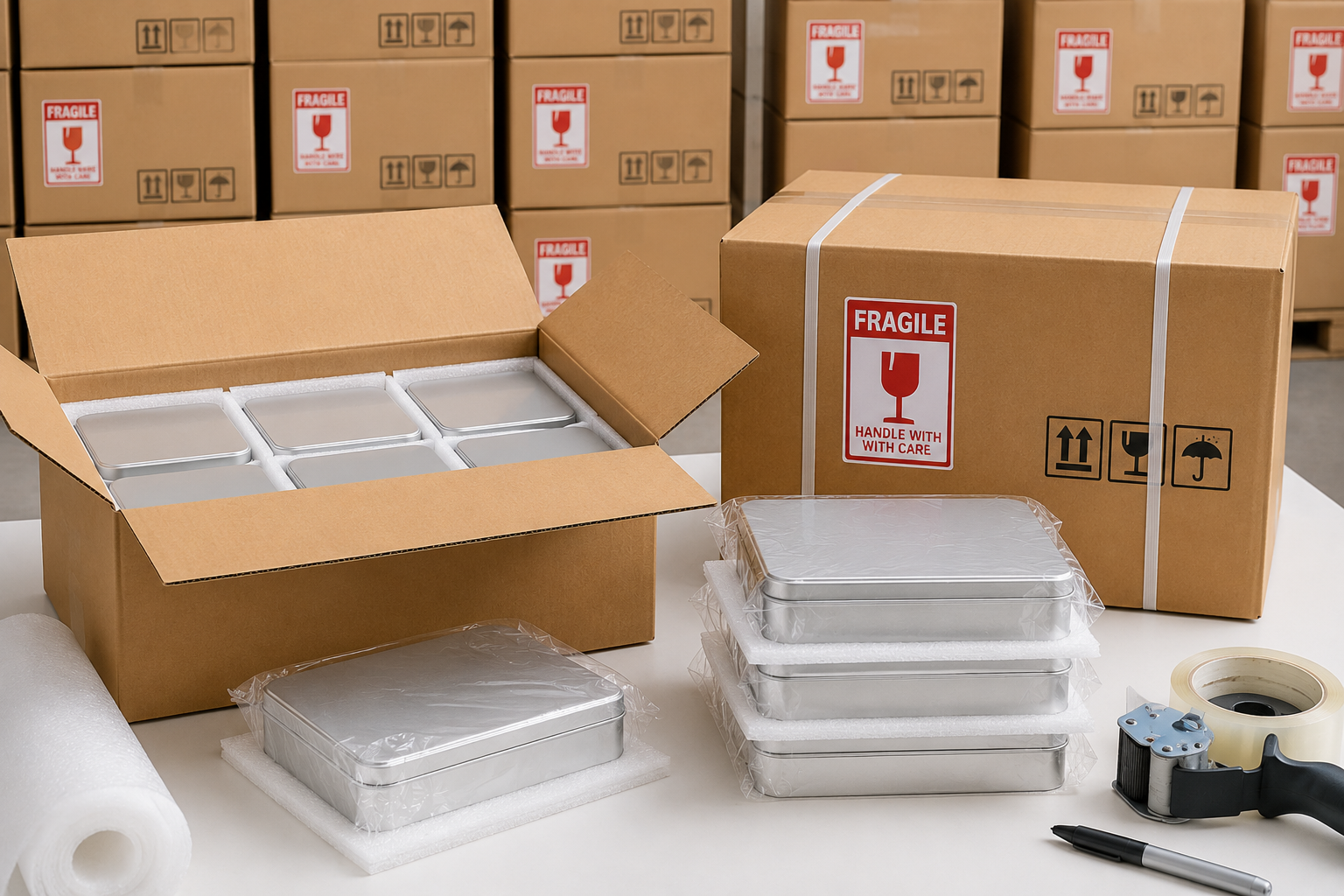
After 110 years in the export business, we've seen it all. We ship thousands of containers of tin boxes to Europe and the US every year. New clients often come to us with the same frustrating story: their previous shipments arrived with unacceptable levels of damage. Dented tins are unsellable, and dealing with claims is a headache. This experience taught us that hope is not a strategy. You can't just put tins in a box and hope they arrive safely. You need a system. Let's break down the exact methods we use to ensure your products arrive in perfect condition, every single time.
Why is a Strong Outer Carton Your First Line of Defense?
Worried that standard boxes will collapse during transit? A crushed carton means crushed tins inside, leading to lost inventory. The right carton is the foundation of product safety[^1].
Your first and most important defense is a high-quality, rigid shipping carton. Standard, flimsy boxes cannot withstand the pressure of stacking and international transit. A strong carton provides the structural frame that protects everything inside from being crushed, dropped, or mishandled.
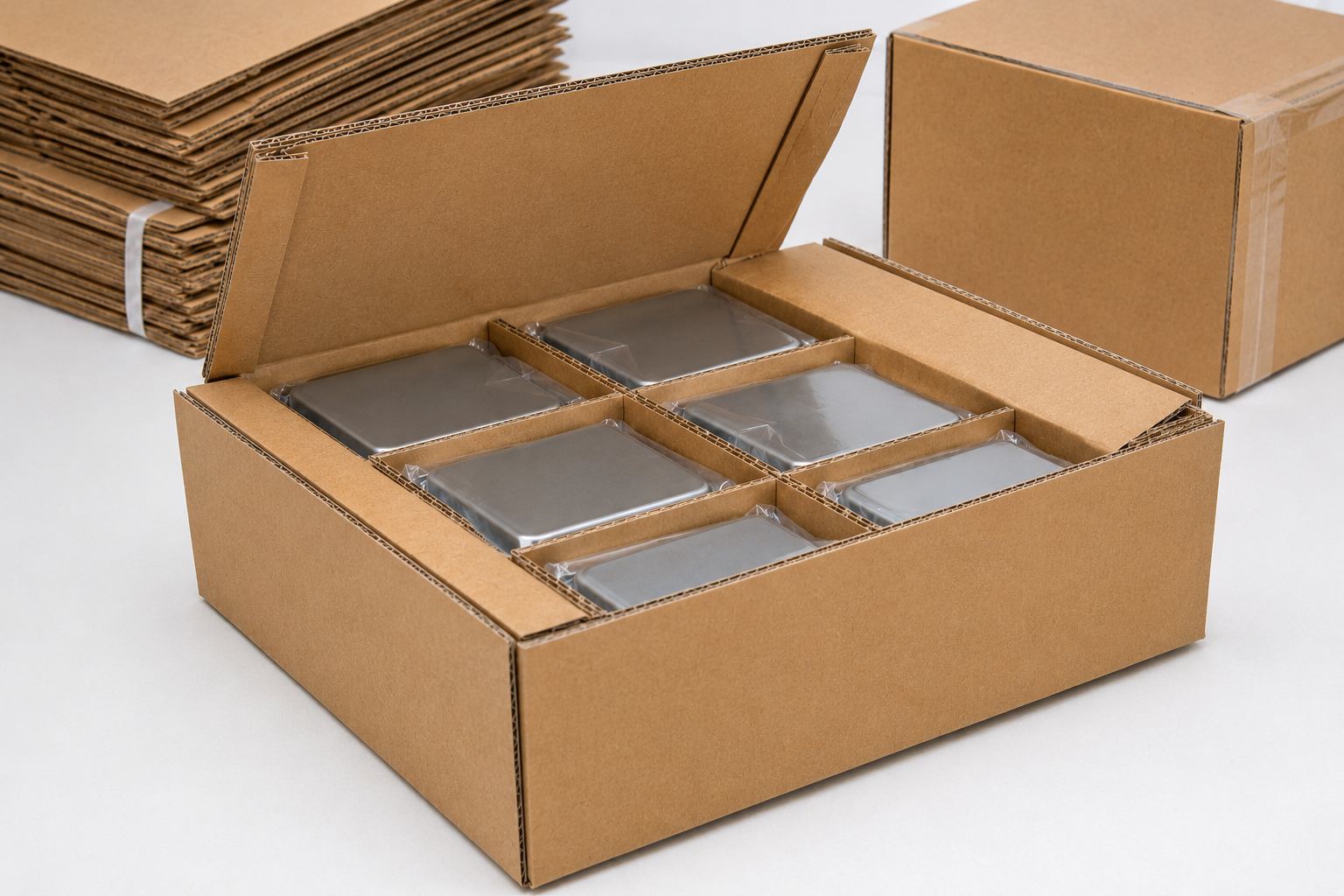
Many people underestimate the journey a box takes. It's not just a simple trip. It gets stacked in a warehouse, loaded onto a truck, packed tightly into a sea container, unloaded, and then stacked again. During this process, a single box at the bottom of a pallet can be under hundreds of pounds of pressure. A weak box will simply buckle. That's why we never use the cheapest, thinnest option. We select cartons based on their strength, specifically their Edge Crush Test (ECT) rating[^2]. This tells us how much force the carton can withstand before it collapses. For heavy and delicate tin boxes, a higher ECT rating is non-negotiable. It's the difference between a successful delivery and a costly failure. We've learned that investing a little more in the outer box saves our clients a fortune in the long run.
Carton Strength Breakdown
| Carton Feature | Standard/Weak Carton | Our Protective Carton |
|---|---|---|
| Wall Type | Single Wall | Double Wall or Higher |
| ECT Rating | Low (e.g., 23-29) | High (e.g., 32-44+) |
| Material | Lower grade, recycled fiber | High-quality, virgin kraft paper |
| Risk in Transit | High risk of crushing/collapse | Low risk of structural failure |
Does a 'Fragile' Label Actually Prevent Damage?
Do you feel like shipping labels are ignored? If handlers don't see or care about your warnings, your delicate products are at risk. A simple label is a powerful psychological tool[^3].
Yes, a well-placed fragile label significantly reduces the risk of damage. While not a physical barrier, it communicates a clear message to every handler in the logistics chain. It encourages more careful handling and can prevent your shipment from being treated like any other box.
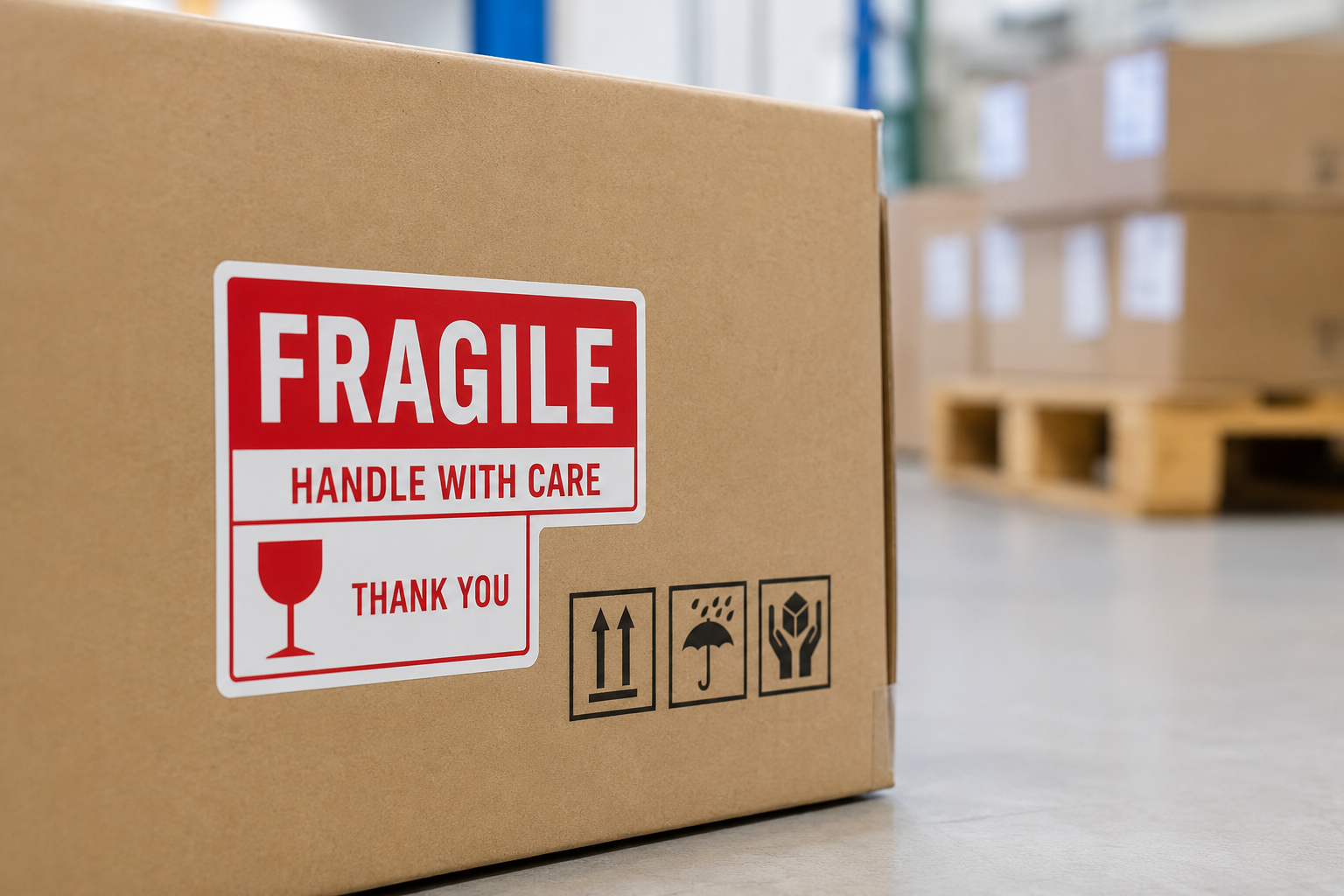
Think about the journey from our factory in Guangzhou to your warehouse in the US or Europe. Your package will be touched by dozens of different people. Most of them are working quickly to move thousands of boxes. A clear, universally understood symbol cuts through the noise. We use large, brightly colored "Fragile" labels and "Handle With Care" stickers. We also place them on multiple sides of the carton, not just the top. This ensures they are visible no matter how the box is oriented. Is it a 100% guarantee? No. But in our experience, it makes a huge difference. It's a simple, low-cost step that changes the mindset of the people moving your goods. It reminds them that the contents are valuable and require a gentler touch, preventing them from being thrown or having heavier items stacked on top.
Best Practices for Labeling
| Action | Why It's Important |
|---|---|
| Use Universal Symbols | Symbols like a broken glass are understood globally, overcoming language barriers. |
| Use Bright Colors | Red or orange labels stand out and grab attention quickly in a busy environment. |
| Label Multiple Sides | Ensures the warning is visible from any angle as the box is moved and stacked. |
| Keep It Simple | Too much text can be confusing. "FRAGILE" is direct and effective. |
Why Should Every Single Tin Box Be Individually Packaged?
Ever open a box to find tins have scratched and dented each other? When tins are packed loose, they grind together with every bump. This internal damage can ruin a whole batch.
Individually bagging each tin box is critical. This simple step prevents tins from rubbing against each other during transit. It stops the scratches, scuffs, and small dents that happen from internal movement, preserving the finish of each unit and providing a small layer of cushion.
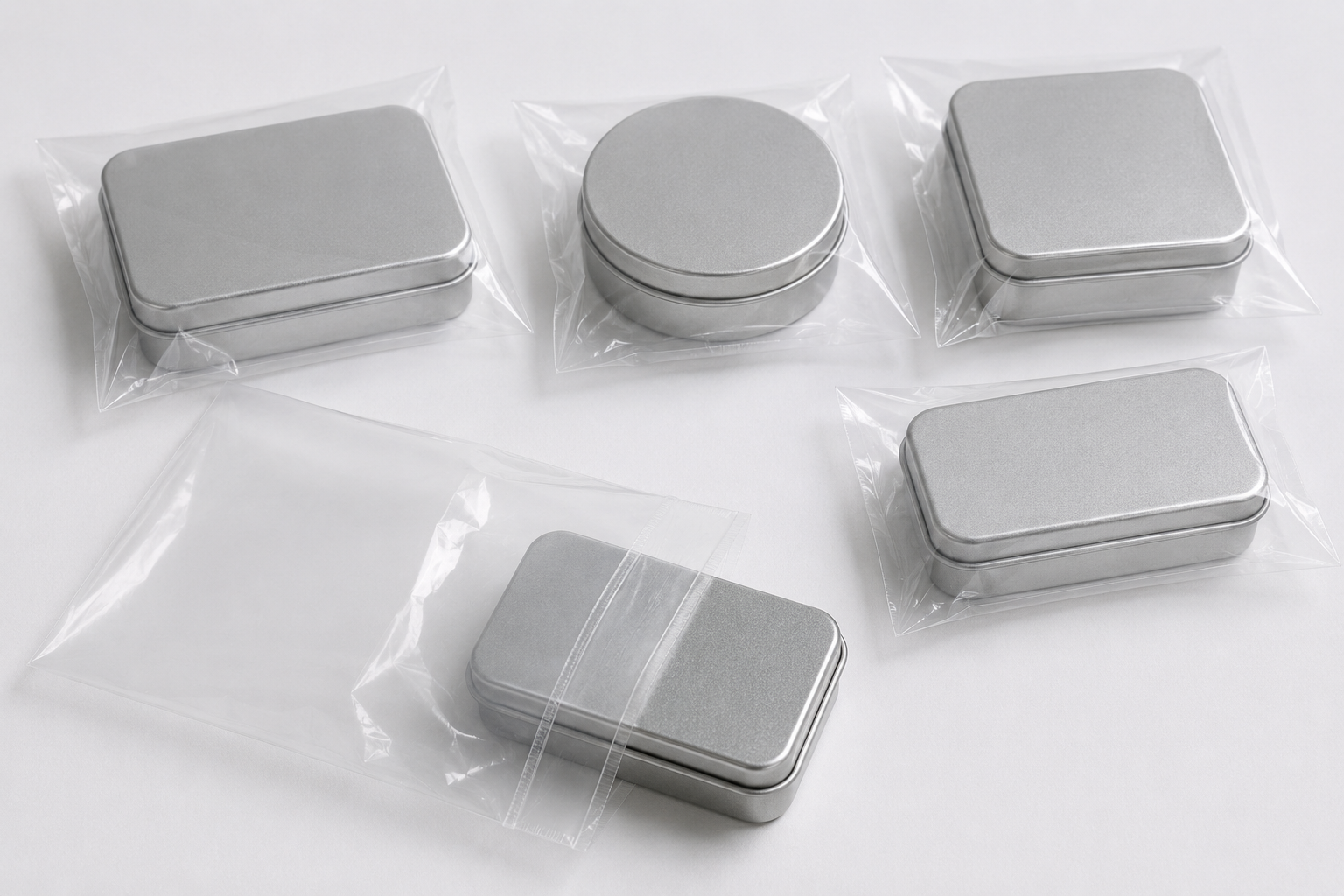
The biggest threat to your tin boxes isn't always from a major drop. Sometimes, the damage is slow and steady. Imagine your shipment on a container ship, vibrating and shifting for weeks at sea. If the tins are packed loose in the carton, they will constantly knock and rub against one another. The result is a container full of products covered in fine scratches and micro-dents. Your perfect, glossy finish is ruined before it even reaches the customer. This is why we insist on packing each tin in its own simple poly bag. This thin layer of plastic acts as a protective skin. It completely stops the metal-on-metal contact. It also provides a barrier against any potential humidity or condensation that might form inside the container. It’s a small detail, but it’s crucial for delivering a product that looks as good as when it left our factory.
Benefits of Individual Poly Bags
| Protection Type | Without Individual Bags | With Individual Bags |
|---|---|---|
| Surface Scratches | High risk from tins rubbing together. | Eliminated. The bag protects the finish. |
| Minor Dents | High risk from tins knocking into each other. | Reduced. The bag provides a slight cushion. |
| Moisture/Dust | Tins are exposed to the elements. | Protected. The bag acts as a sealed barrier. |
| Customer Perception | Product may look used or mishandled. | Product appears new, clean, and professionally packed. |
Is Sending Extra Tins a Sign of a Problem or a Smart Solution?
Are you worried about what happens if a few tins still arrive damaged? Filing a claim is slow, and waiting for replacements can delay your projects. What if there was an instant fix?
Sending a few extra tins is a smart, customer-focused solution. It is our final layer of insurance. It acknowledges that despite all precautions, severe accidents can happen. This provides you with immediate replacements, saving you time and eliminating the hassle of filing a claim.
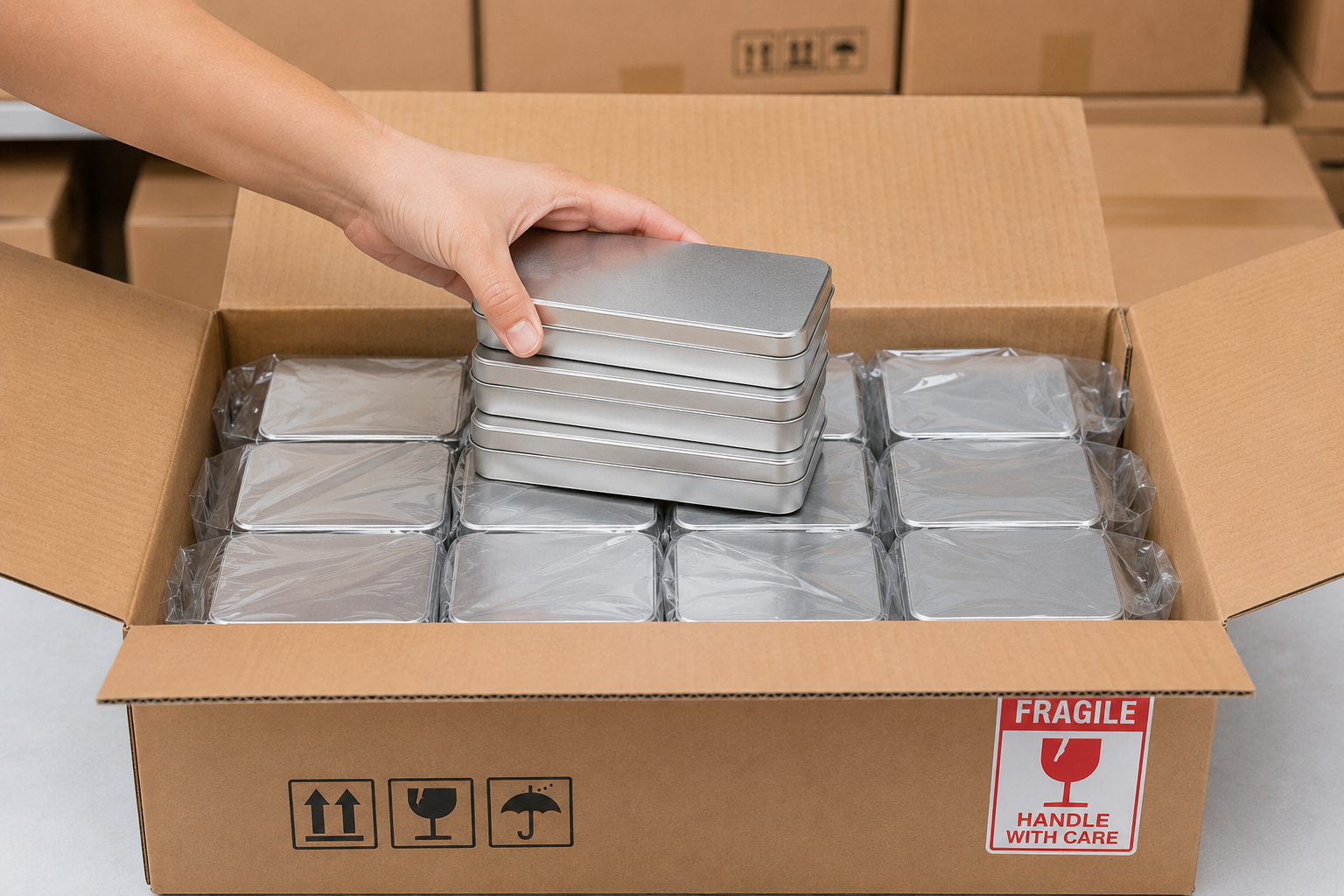
I remember a new client from Germany who was ready to give up on tin packaging. Their previous supplier sent a full container, and nearly 20% of the tins were dented on arrival. They were incredibly frustrated. We walked them through our four-layer protection process, including our final step: the backup plan[^4]. For their first order, we included a small number of extra tins in the shipment, free of charge. The shipment arrived with zero damage, but the client told us that just knowing the extras were there gave them immense peace of mind. This isn't a sign of failure; it's the ultimate sign of commitment. We do everything possible to prevent damage, but we also plan for the worst-case scenario. If a forklift driver has a bad day and spears a carton, you don't have to call us and wait weeks for a resolution. You already have the solution in your hands.
Proactive Replacement vs. Traditional Claims
| Process Step | Traditional Claim Process | Our Instant Replacement Method |
|---|---|---|
| Discover Damage | You find damaged units. | You find damaged units. |
| Immediate Action | Document damage, take photos, file a claim. | Immediately replace damaged units with the extras provided. |
| Wait Time | Weeks or months for claim processing and reshipment. | Zero. Your project continues without delay. |
| Outcome | Frustration, project delays, administrative work. | Problem solved instantly, business continues as usual. |
Conclusion
By using strong cartons, clear labels, individual bags, and including backup units, we ensure your tin boxes arrive safely. This multi-layered system is the key to protecting your investment.
[^1]: Discover effective strategies to ensure product safety throughout the shipping process. [^2]: Understand the significance of ECT ratings in selecting the right shipping cartons. [^3]: Learn how shipping labels influence handler behavior and protect your products. [^4]: Understand the value of a backup plan in ensuring smooth operations during shipping. v