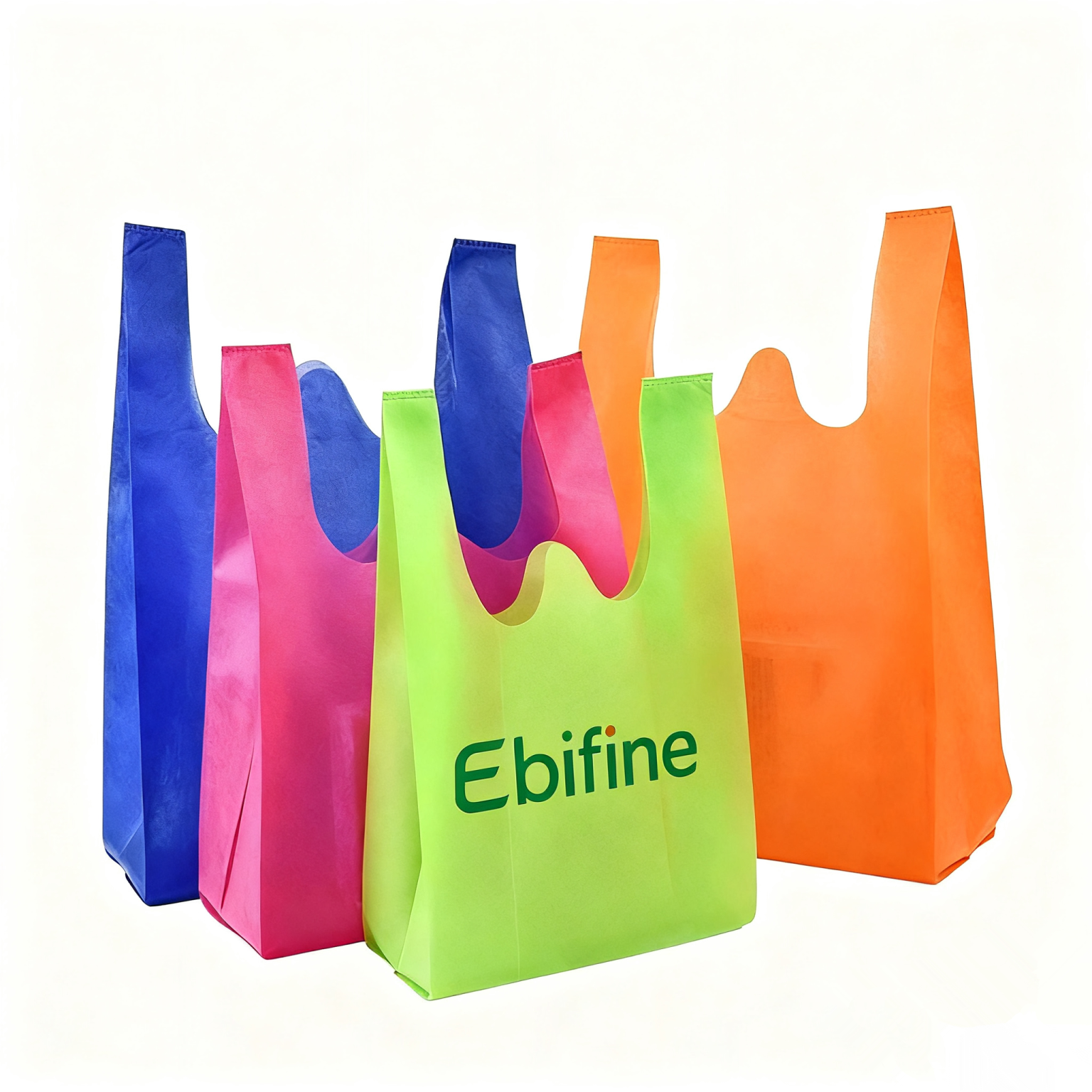
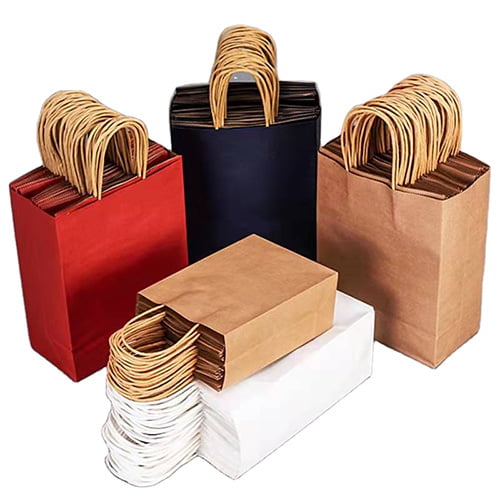
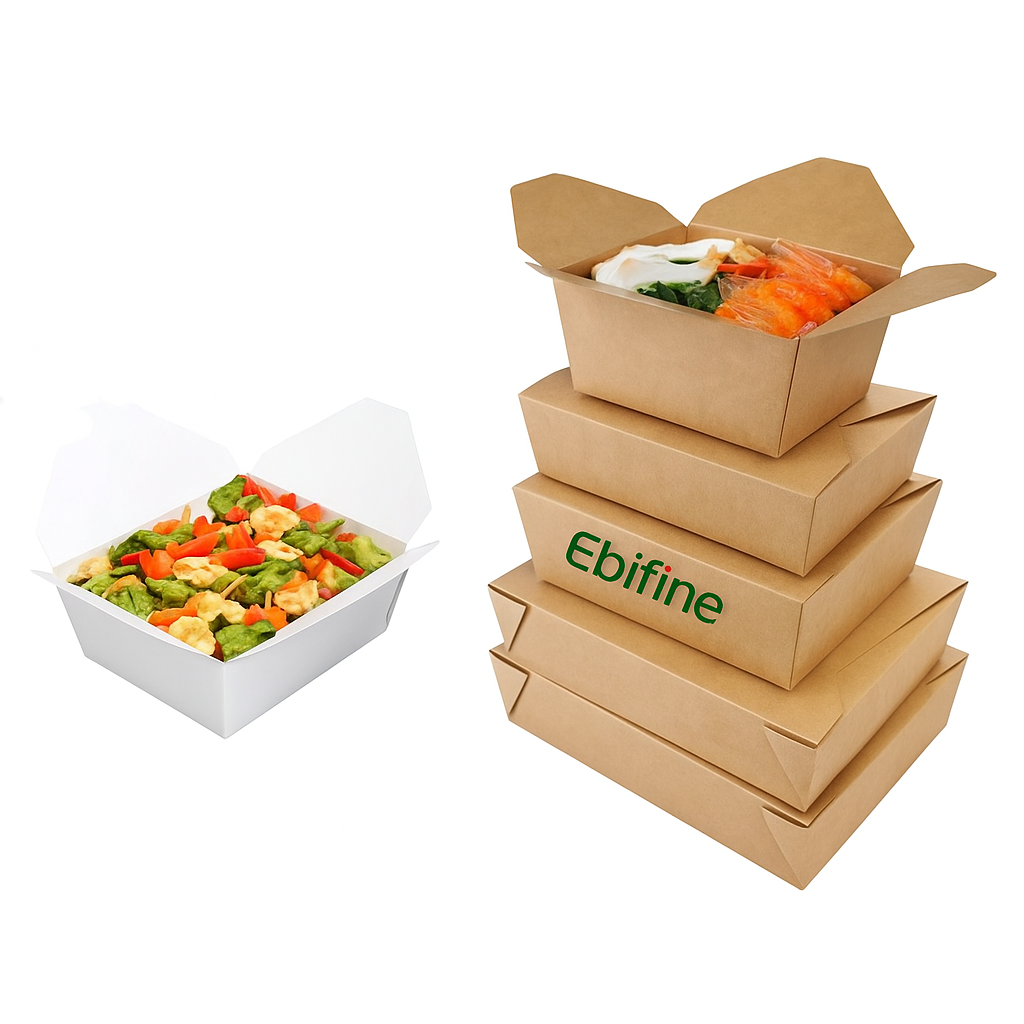
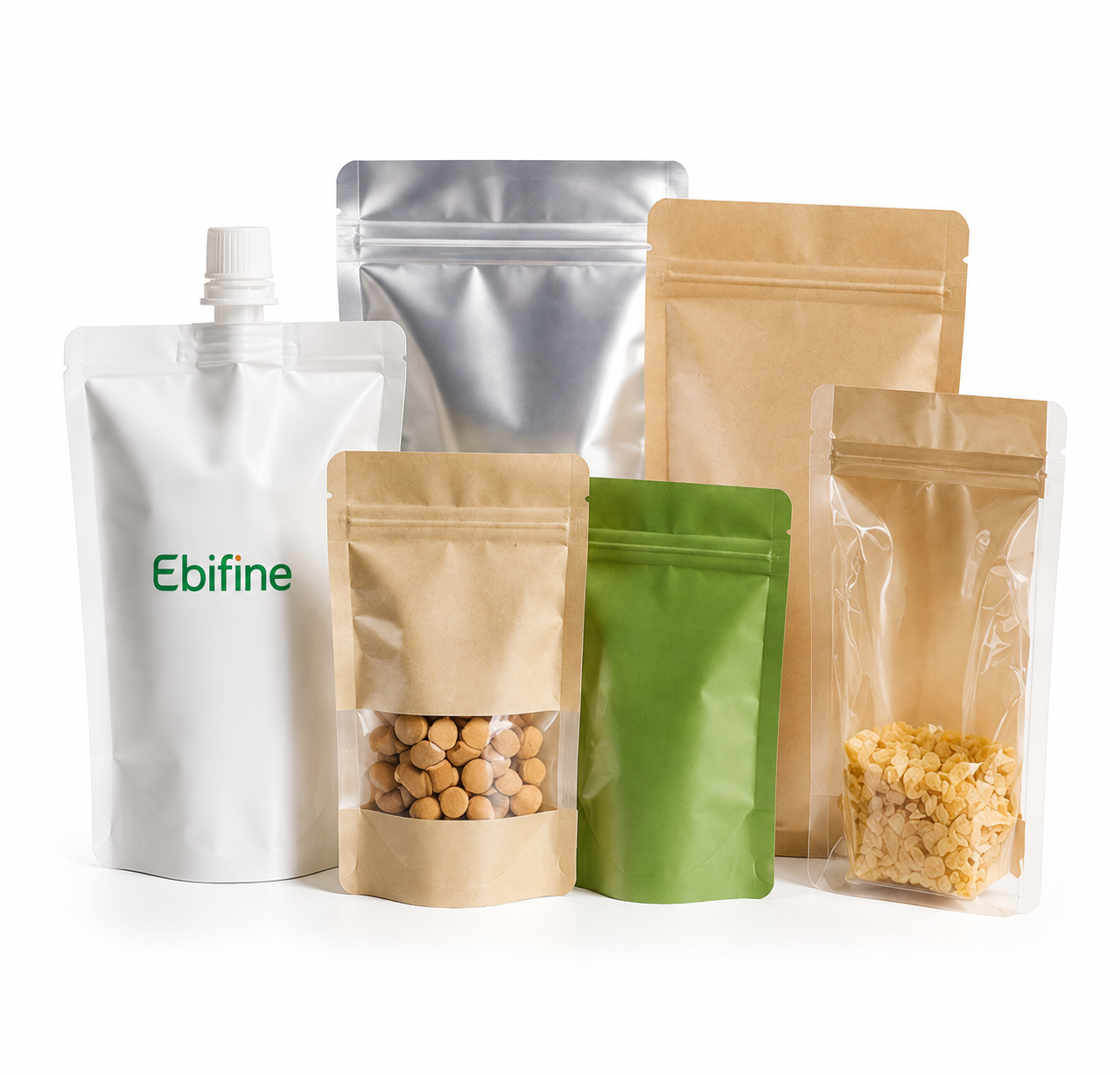
Retailers need packaging that protects the shopping experience without unnecessarily increasing operating costs. Reusable non woven grocery bags have become a practical option because they combine lightweight construction, convenient carrying, customizable branding, and repeated-use potential in one relatively simple product. For supermarkets, convenience stores, promotional campaigns, and independent retailers, the right bag can serve as both packaging and a mobile advertisement.
However, not every non woven bag delivers the same value. Material weight, handle construction, stitching, printing quality, bag dimensions, and the way customers reuse the product all affect its commercial performance. Retailers should evaluate these factors before choosing a supplier rather than purchasing solely on the lowest quoted unit price.
Quick Answer: Why are reusable non woven grocery bags popular?
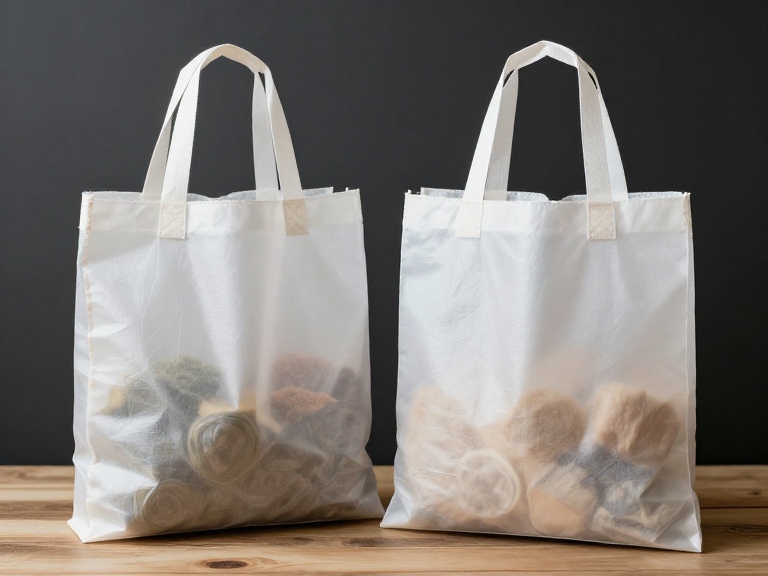
Reusable non woven grocery bags are popular with retailers because they are lightweight, easy to customize, convenient to distribute, suitable for repeated shopping trips when properly constructed, and effective for displaying a store logo. They can offer a useful balance between purchase cost, customer convenience, and brand visibility. Their value depends on durability, responsible reuse, accurate specifications, and the suitability of the material for the intended application.
Quick Summary Table
| Reason | Retailer Benefit | What to Check Before Buying |
|---|---|---|
| 1. Practical purchase cost | Can support high-volume distribution budgets | Compare equivalent specifications, not unit price alone |
| 2. Lightweight construction | Convenient to store, transport, and distribute | Fabric weight, thickness, and finished bag weight |
| 3. Repeated-use potential | Customers may reuse the bag for future shopping | Handle strength, seams, and intended load |
| 4. Brand visibility | Displays the retailer’s logo beyond the checkout | Print clarity, contrast, and artwork placement |
| 5. Flexible customization | Supports different campaigns and store formats | Size, color, handle, gusset, and print options |
| 6. Convenient storage | Helps simplify backroom inventory handling | Carton dimensions, packing quantity, and storage space |
| 7. Broad retail applications | Works for groceries, clothing, events, and more | Food-contact requirements and load suitability |
| 8. Promotional potential | Combines practical utility with advertising | Expected reuse and campaign cost per impression |
| 9. Procurement flexibility | Can be specified for different budgets and order volumes | Samples, quality controls, lead time, and MOQ |
What Are Reusable Non Woven Grocery Bags?
Reusable non woven grocery bags are shopping bags made from non woven fabric, commonly polypropylene (PP). Unlike woven fabric, which is formed by interlacing yarns, non woven material is produced by bonding fibers or filaments through processes such as heat, pressure, or mechanical methods. The resulting material can be cut, shaped, printed, and assembled into bags for retail use.
Many retail bags use spunbond polypropylene non woven fabric. Depending on its construction and specifications, this material can provide a useful combination of low weight, flexibility, and strength. Bags may feature stitched or heat-bonded seams, short or long handles, side gussets, bottom gussets, reinforced panels, and custom printing.
One important distinction: non woven does not automatically mean environmentally harmless, biodegradable, or suitable for unlimited reuse. A polypropylene bag is a plastic product. Its environmental performance depends on factors including material production, manufacturing, transport, actual reuse frequency, and end-of-life handling. Retailers should communicate its benefits accurately rather than making broad sustainability claims without supporting evidence.
How Do Reusable Non Woven Grocery Bags Work?
The bag carries products through a flexible body supported by seams, handles, and, in some designs, reinforced bottom panels. During shopping, its capacity and load distribution determine how conveniently it holds groceries or other merchandise. When the customer brings it back for another trip, the original purchase cost can deliver additional utility.
From a retailer’s perspective, the business case is straightforward: purchase a suitable bag, distribute it to customers, and give them a reason to reuse it. The bag may also display the retailer’s brand during subsequent trips. These benefits are strongest when the product is comfortable, durable enough for its intended loads, and attractive enough for customers to keep.
9 Reasons Reusable Non Woven Grocery Bags Are Popular With Retailers
1. They Can Offer a Practical Purchase Cost
Retailers often purchase shopping bags in large quantities. Reusable non woven bags can be configured for different order volumes, material weights, print requirements, and construction methods, allowing buyers to balance appearance and durability against budget.
The cheapest bag, however, is not necessarily the most economical. If a weak handle tears or the bottom seam fails during normal shopping, the retailer may face customer complaints, replacement costs, and damage to its reputation. A slightly higher unit price can be worthwhile when it buys measurably better construction.
We recommend comparing quotations at the same bag dimensions, material specification, printing coverage, handle style, and packing quantity. Ask whether the price includes printing plates or setup, individual packaging, freight, and any other charges. Without this information, two apparently similar quotations may describe very different products.
2. Their Lightweight Construction Simplifies Handling
Non woven grocery bags are generally light and flexible. This makes them convenient to handle at checkout, store in backrooms, and distribute at promotional events. When bags are packed efficiently, retailers can also organize stock by size, color, or campaign without handling a bulky rigid package.
For multi-store businesses, logistics matter. A bag that looks attractive but arrives in oversized cartons or requires excessive storage space can create avoidable operational friction. Buyers should request the carton dimensions, quantity per carton, gross weight, and pallet configuration when planning larger orders.
Lightweight construction should not be confused with unlimited carrying capacity. Fabric weight, bag dimensions, handle attachment, and seam design must be appropriate for the intended load. A bag designed for clothing or light grocery purchases may not be suitable for heavy bottles or large quantities of canned goods.
3. They Support Repeated Shopping Trips
The main commercial advantage of a reusable grocery bag is the possibility of using it more than once. A customer who keeps a bag in a vehicle, handbag, or near the front door may bring it back for future purchases. This can reduce the need to distribute a new carrier on every visit.
Repeated use depends on construction and customer behavior. Handles that stretch, seams that separate, or a body that deforms easily can shorten the useful life of the bag. Retailers should select the product according to the realistic weight and frequency of use rather than relying on the word “reusable” as a performance guarantee.
For everyday grocery shopping, prioritize comfortable handles, reinforced stress points, and a stable base where needed. If the bag will carry heavy items, test it with representative products and inspect it after repeated loading and unloading.
4. They Turn Packaging Into Brand Exposure
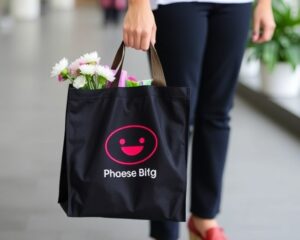
A shopping bag can continue to display a retailer’s name after the transaction is complete. Customers may carry it through parking lots, offices, public transport, markets, or other shops. Compared with packaging that is immediately discarded, a well-designed reusable bag has the potential to keep a brand visible for longer.
That exposure is not automatic. Customers are more likely to retain bags that are convenient, visually appealing, and appropriate for everyday use. Overly large logos, poor color contrast, thin handles, or a bag that looks disposable can weaken the promotional value.
Retailers should treat artwork as part of product design. Use readable typography, a clear logo, and colors that match the brand. For a simple design, a single-color print may be enough. More complex artwork should be evaluated against the supplier’s actual printing method and the material’s surface characteristics.
5. They Offer Flexible Customization
Reusable non woven bags can be customized for different retail identities and campaigns. Common options include bag size, fabric color, handle length, gusset depth, logo placement, print coverage, and packaging presentation.
A grocery chain may prefer a roomy bag with long handles that can be carried over the shoulder. A convenience store might choose a smaller format for packaged goods. A trade show organizer may need a lightweight promotional bag with a large printed panel. The best design depends on what the customer will carry and where the bag will be used.
Customization should solve a practical problem rather than add features for their own sake. A deeper gusset can improve usable capacity, but it may increase material consumption. More elaborate printing can strengthen brand presentation, but it may raise setup costs. Ask for a physical sample before approving a large production run.
6. They Can Simplify Retail Inventory Management
Standardized reusable bags can help stores maintain consistent packaging across checkout counters and promotional programs. Buyers can specify a core size for daily sales and separate customized designs for seasonal promotions, new store openings, or loyalty campaigns.
The advantage comes from planning, not from the material alone. Too many colors, dimensions, and print variations can create slow-moving inventory. If a retailer changes its logo or campaign message, unused printed stock may become difficult to use.
For commercial users, we recommend forecasting demand by store, season, and campaign before placing a large order. Where artwork changes frequently, a smaller initial batch may be more sensible than maximizing the order quantity for a lower unit price.
7. They Suit More Than Grocery Stores
Although the name emphasizes groceries, non woven shopping bags can also serve apparel stores, pharmacies, bookshops, gift retailers, exhibitions, and promotional events. A single supplier may be able to provide multiple sizes and printing configurations for different business units.
That flexibility is useful for businesses seeking consistent branding across customer touchpoints. However, bag selection must still match the product. Sharp-edged merchandise, liquids, unusually heavy items, and products requiring contamination control may call for a different packaging design or an additional protective layer.
Retailers managing multiple packaging categories can also evaluate promotional reusable bags alongside other packaging formats. For food-service operations, review the requirements for restaurant packaging separately rather than assuming a standard shopping bag is suitable for direct food contact.
8. They Can Combine Customer Utility With Promotions
A promotional item is more effective when recipients have a reason to keep using it. Reusable bags can support loyalty programs, store-opening campaigns, community events, seasonal offers, and corporate giveaways because they provide an everyday function instead of serving only as a display item.
Retailers should assess promotional success using measurable outcomes. Relevant measures may include distribution cost, redemption rates, repeat purchases, campaign participation, and customer feedback. Counting the number of bags distributed is not the same as proving that the campaign generated additional sales or meaningful brand exposure.
For a campaign with a limited budget, choose a useful size and durable construction before spending heavily on complex graphics. A bag customers keep is generally more valuable than a visually elaborate bag they quickly stop using.
9. They Allow Buyers to Specify Different Performance Levels
Retailers do not all need the same bag. A low-cost event giveaway, a daily supermarket carrier, and a premium branded shopping bag have different requirements. Non woven bag specifications can be adjusted to suit those differences, provided the supplier can consistently manufacture the selected construction.
For high-volume programs, define acceptance criteria before production. These can include dimensions, fabric weight, print position, color tolerance, handle attachment, seam quality, packaging quantity, and inspection procedures. Clear specifications reduce the risk of receiving a shipment that technically resembles the sample but does not meet the intended use.
When comparing suppliers, ask how they verify repeat orders and handle defects. A reliable manufacturing partner should be able to explain its sampling process, production controls, inspection scope, and corrective-action procedure—not simply promise “high quality.”
How Non Woven Grocery Bags Work in Retail Operations
Choosing a bag is only one part of the decision. Retailers should consider how the product moves through purchasing, receiving, storage, checkout, and customer reuse.
- Define the shopping scenario. Identify the typical products, approximate load, carrying method, and expected use frequency.
- Set the specification. Confirm dimensions, fabric material and weight, handle style, gussets, seams, printing, and packaging.
- Review a sample. Inspect the finished bag and test it with representative merchandise before approving production.
- Plan stock levels. Estimate demand and account for lead time, freight, seasonal peaks, and storage capacity.
- Inspect delivery. Compare the shipment against approved samples and agreed specifications.
- Monitor customer feedback. Track handle failures, seam complaints, print issues, and whether the bag suits real shopping needs.
For operations that use multiple packaging types, non woven bags should be part of a broader packaging plan. Retailers may still need ziplock packaging bags for appropriate product containment or custom packaging labels for identification and branding. Each format should have a defined job rather than being treated as an interchangeable substitute.
Comparison Table: Non Woven Bags vs. Other Retail Bag Options
Reusable non woven bags are a useful middle-ground option, but they are not the best solution for every purchase. Compare them with alternatives according to intended use, durability requirements, cost, and customer expectations.
| Bag Type | Main Strength | Key Limitation | Best-Fit Scenario |
|---|---|---|---|
| Reusable non woven PP bag | Lightweight, printable, and available in many configurations | Performance varies with fabric weight and construction; polypropylene is plastic | Retail shopping, promotions, and everyday merchandise |
| Woven polypropylene bag | Can provide a robust construction for suitable heavy-duty uses | May have a different texture, finish, and appearance from non woven bags | Selected bulk-carrying and utility applications |
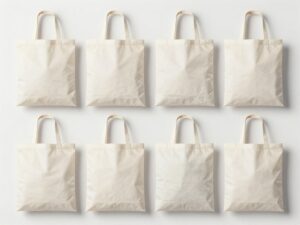
| Cotton or canvas bag | Fabric appearance and a familiar reusable format | Can cost more; environmental performance depends on production and reuse | Premium retail, lifestyle branding, and long-term reuse when maintained |
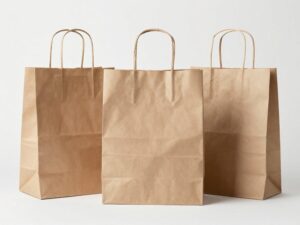
| Kraft paper bag | Paper appearance and convenient branding for suitable retail goods | Can lose strength when wet and may be less suitable for repeated heavy loads | Takeaway orders, gifts, and dry retail merchandise |
| Conventional plastic carrier | Lightweight and often economical for single-trip distribution | Reuse and environmental outcomes depend on design and actual behavior | Where permitted and appropriate for the specific checkout requirement |
| Insulated grocery bag | Designed to help reduce temperature changes during transport | Bulkier and typically more specialized than a standard carrier | Frozen products, chilled goods, and temperature-sensitive shopping |
The correct comparison is based on function, not labels. If the retailer needs an inexpensive carrier for a single purchase, a reusable non woven bag may be unnecessary. If the goal is to give customers a branded bag they can keep, it may be a better fit than packaging designed for one trip.
Paper and reusable bags should also be compared fairly. No material is automatically the most sustainable in every scenario. Actual impact depends on how the product is manufactured, transported, reused, and disposed of. Avoid environmental claims unless they are supported by evidence relevant to the exact bag and market.
Pros and Cons of Reusable Non Woven Grocery Bags
| Pros | Cons |
|---|---|
| Lightweight and convenient for distribution | Lightweight construction can be unsuitable for heavy loads if poorly specified |
| Can be customized with logos, colors, and dimensions | Custom printing may add setup costs and require artwork approval |
| Potential for repeated use | Actual reuse depends on construction quality and customer habits |
| Useful across many retail and promotional settings | One bag design will not suit every product or retail application |
| Can provide continuing brand exposure | Promotional value is difficult to quantify without a measurement plan |
| Available in a range of specifications and order quantities | Low-cost offers can hide differences in material, construction, and quality control |
| Can be compactly stored when packed appropriately | Printed inventory may become obsolete when branding or campaigns change |
Our recommendation is to prioritize suitability and construction quality over the reusable label alone. A bag that customers actually reuse is more valuable than one that is marketed as reusable but fails during ordinary shopping.
Who Should Use Reusable Non Woven Grocery Bags?
They Are a Strong Fit For
- Supermarkets and grocery chains: especially those that want standardized branded bags for recurring customer use.
- Independent retailers: businesses seeking a practical carrier with a customizable appearance.
- Promotional agencies: campaigns that require branded merchandise with an everyday function.
- Apparel and gift stores: retailers that want a lightweight bag with customized colors and artwork.
- Wholesalers and distributors: buyers who can specify a standard design and plan demand across multiple customers.
Who May Not Need Them?
- Businesses distributing only very small items: a smaller paper or other suitable package may be more efficient.
- Retailers handling very heavy products: they may need a stronger construction or a bag specifically designed for heavy loads.
- Businesses requiring temperature control: standard non woven bags are not substitutes for insulated packaging.
- Retailers with rapidly changing artwork: large runs of custom-printed bags can create obsolete stock.
- Businesses where local rules restrict certain bag materials: compliance must be confirmed before ordering.
For commercial users, the decision should follow the product’s carrying requirements, customer habits, applicable regulations, and total cost. Buying reusable bags simply because competitors use them is not a sound procurement strategy.
Buying Considerations for Retailers and Wholesalers
1. Confirm Material and Fabric Weight
Ask the supplier to specify the material and fabric weight, often expressed in grams per square meter (GSM). GSM helps buyers compare fabric specifications, but it does not independently establish finished-bag strength. Seam quality, handle construction, dimensions, and manufacturing consistency also matter.
Do not choose a fabric weight based only on a supplier’s generic recommendation. Match the specification to the intended load and expected frequency of use, then verify it with a finished sample.
2. Check Handles, Seams, and Load Distribution
Handles and their attachment points often experience concentrated stress. Inspect stitching, bonding, reinforcement, and the transition between handles and the bag body. If the bag has a bottom gusset, check whether the design remains stable when loaded.
Conduct practical tests with the types of products customers will actually carry. Where appropriate, establish an internal load test and acceptance criteria with the manufacturer. Do not treat an informal sample test as proof of compliance with a formal standard unless the relevant testing has been performed.
3. Choose the Right Dimensions and Gusset
Bag dimensions should reflect merchandise size and carrying comfort. A bag that is too small may be awkward to load; an unnecessarily large bag can consume extra material and storage space. Side and bottom gussets can increase usable capacity, but they should be specified according to the products rather than added by default.
Measure representative items before finalizing the dimensions. For grocery stores, test a realistic mix of cartons, packaged food, and bottles. For fashion retailers, test the largest common purchase and any protective packaging that must fit inside.
4. Evaluate Printing Quality
Review artwork size, logo placement, color contrast, and legibility on the actual fabric. A design that looks clear on a computer screen may appear different on a colored or textured material. Ask for a print proof or sample when brand color accuracy is important.
Keep the design aligned with the bag’s purpose. A simple, recognizable logo often works better for daily use than a crowded design containing too many messages. If the bag is part of a limited campaign, consider whether the artwork will remain relevant throughout the planned inventory period.
5. Compare MOQ, Lead Time, and Total Delivered Cost
Minimum order quantity (MOQ) affects how much inventory a buyer must commit to. A low unit price may be less attractive if it requires more stock than the business can reasonably use. Lead time matters just as much when bags are tied to holidays, new store openings, or promotional dates.
Request a written quotation covering the complete specification, sample cost if applicable, printing setup, packaging, production lead time, shipping terms, and inspection arrangements. Compare the total delivered cost rather than the ex-factory unit price alone.
6. Verify Quality Control and Supplier Communication
A capable manufacturer should be able to confirm the production specification, approve artwork, provide a representative sample, and explain how it checks finished goods. Ask how it controls dimensions, print placement, stitching, packing quantities, and defects.
For large or recurring orders, consider a documented inspection plan and agreed defect criteria. Depending on the scale and risk of the order, buyers may use pre-production sample approval, in-process checks, pre-shipment inspection, or independent testing. The inspection level should match the commercial risk rather than being chosen arbitrarily.
Common Mistakes When Purchasing Reusable Non Woven Bags
Choosing the Lowest Price Without Matching Specifications
Two quotes are not comparable if one uses a different fabric weight, smaller dimensions, simpler printing, or weaker handles. Create a specification sheet first and request quotations against the same requirements.
Assuming Every Reusable Bag Is Heavy-Duty
“Reusable” describes intended repeat use, not a universal load rating. Ask for a suitable construction and verify it through testing. Do not advertise a load capacity unless it is supported by the product specification and an appropriate test method.
Approving Artwork Without Checking a Sample
Printing color, logo size, and positioning can affect the finished result. Confirm these details before mass production, especially when the bag is a core part of the brand experience.
Ignoring Local Regulations
Rules governing shopping bags can differ by jurisdiction and may change. Retailers should check the current requirements in each market before ordering, including restrictions on particular materials, bag thicknesses, fees, labeling, and environmental claims.
Making Unverified Environmental Claims
Do not assume that reusable, recyclable, biodegradable, and compostable mean the same thing. A polypropylene non woven bag should not be described as biodegradable or compostable unless the exact product has appropriate evidence and meets the relevant requirements. Sustainability statements should be specific, substantiated, and appropriate for the market in which they appear.
Ordering Too Much Custom-Printed Inventory
Bulk orders can lower unit cost, but excess stock ties up cash and storage space. A retailer with uncertain demand or frequently changing promotions may be better served by a smaller initial order and a planned reorder process.
Cost-Benefit Analysis: When Are Reusable Non Woven Bags Worth It?
The most useful financial measure is not the unit price alone. Retailers should assess the total cost of providing the bag and the value it delivers over its useful life.
A simple model is:
Total bag program cost = purchase cost + printing and setup + freight and handling + storage costs + expected defect or replacement costs.
Cost per use = total relevant bag cost ÷ the number of actual uses.
For example, suppose a retailer purchases 5,000 custom bags for a campaign. The invoice price is only one part of the decision: freight, artwork setup, storage, and defective units can increase the actual cost. If customers reuse the bags several times, the effective cost per use may fall. If most bags are used only once, the expected benefit is smaller.
Do not insert an assumed reuse count into the calculation and treat it as a proven result. Use customer surveys, return observations, pilot programs, or reasonable scenario ranges. A useful procurement model can compare low, medium, and high reuse scenarios to show how sensitive the business case is to customer behavior.
For a promotional campaign, calculate cost per bag distributed and compare it with the campaign’s intended outcome. For a checkout program, evaluate purchasing cost alongside handling efficiency, customer satisfaction, and the number of replacement bags needed. These measures help determine whether a premium specification is justified.
When Is an Upgrade Worth Paying For?
- Upgrade the construction when ordinary use creates repeated handle, seam, or bottom failures.
- Upgrade the print when brand consistency is important and the current artwork is difficult to read or poorly reproduced.
- Upgrade the dimensions when customers regularly struggle to fit common purchases into the bag.
- Upgrade the supplier process when recurring orders vary noticeably from approved samples.
- Do not upgrade unnecessarily when the existing bag already meets its intended use and customers are satisfied.
Customization and Packaging Options
Retailers should decide which features directly improve customer use, brand presentation, or operational efficiency. Typical choices include:
- Size: small formats for limited purchases and larger formats for groceries or mixed merchandise.
- Handle design: short handles for hand carrying or longer handles where shoulder carrying is useful.
- Gussets: side or bottom expansion to suit the volume and shape of the merchandise.
- Printing: logo-only designs, campaign graphics, store information, or other approved artwork.
- Color: standard colors for routine stock or custom colors for coordinated brand programs.
- Packaging: carton quantities and packing arrangements selected for storage and distribution requirements.
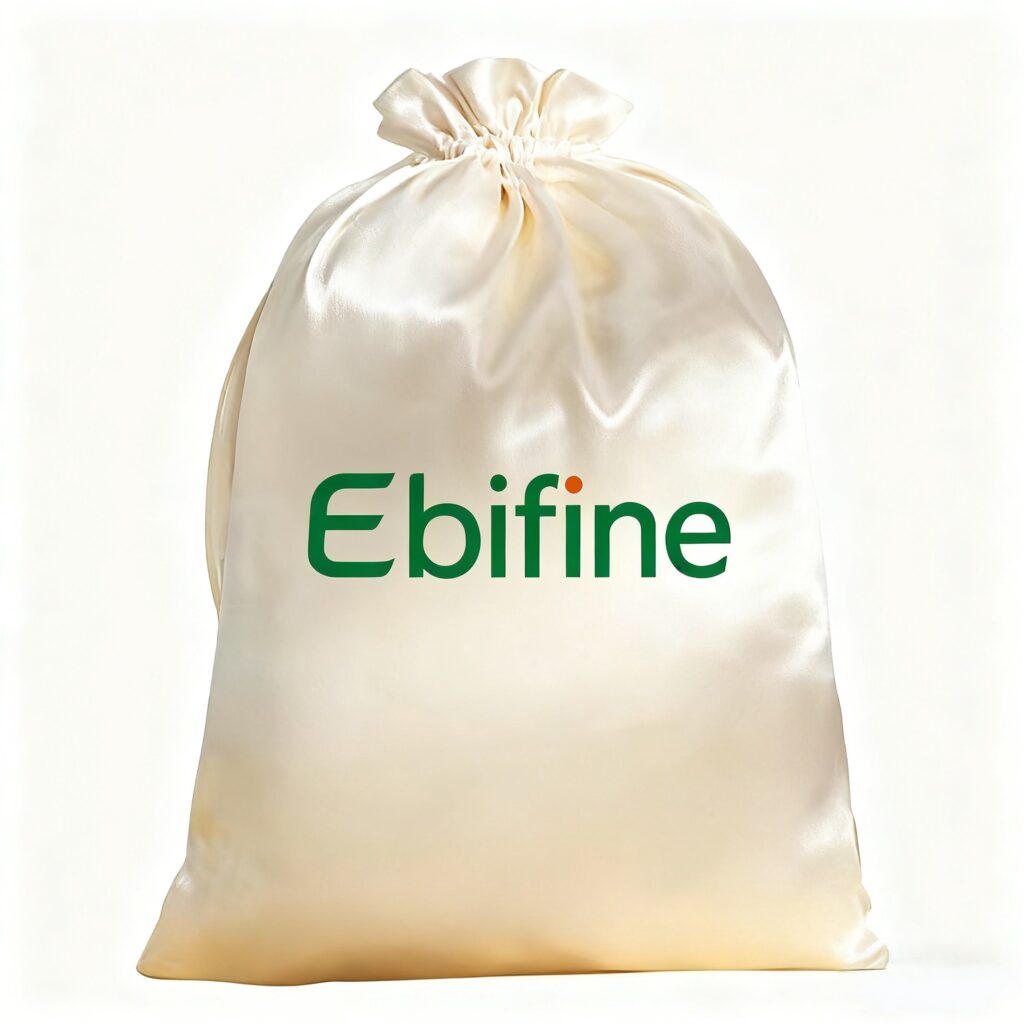
Retailers that sell premium gifts or accessories may also require a different presentation format for selected products. For example, custom satin drawstring bags can be considered for jewelry, cosmetics, gifts, shoes, and luxury product packaging. These pouches serve a different purpose from grocery carriers and should be selected according to the merchandise and presentation requirements.
Custom Satin Drawstring Bags for Premium Packaging
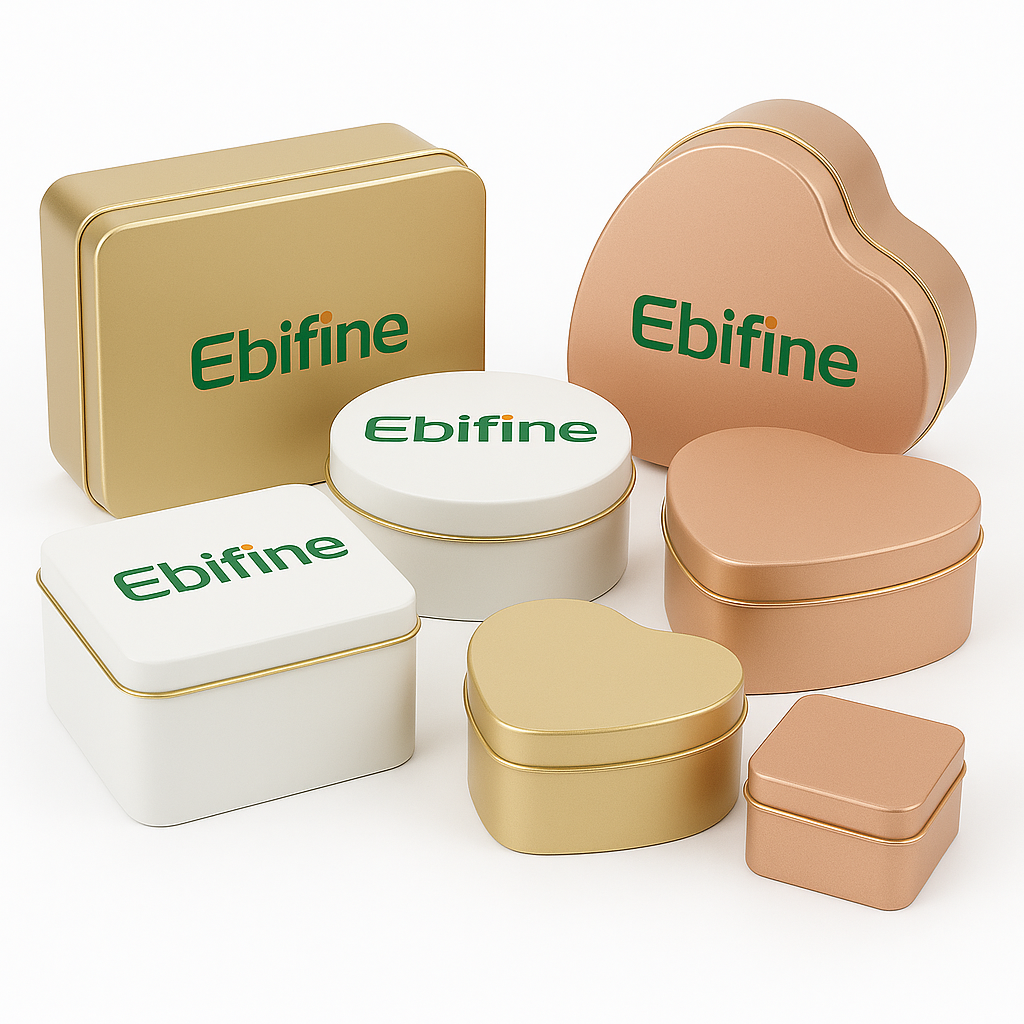
Ebifine offers customizable drawstring bag options for jewelry, handbags, cosmetics, gifts, shoes, and other products where a softer presentation is appropriate. Listed material options include canvas, cotton, and non woven fabric, with custom sizes, colors, logo printing, and drawstring options.
Listed MOQ: 100 pieces
Listed lead time: 15–20 days
These details should be reconfirmed for the selected material, design, and order before purchase.
For businesses managing a wider packaging portfolio, additional formats may be relevant for specific products. PP non woven bags can be evaluated for suitable retail applications, while kraft paper pouches may fit selected dry goods and product-presentation needs. These products should be compared on function, material specifications, and local compliance—not simply on appearance.
How Ebifine Fits Into Retail Packaging Procurement
For retailers and wholesalers sourcing customized packaging, Ebifine can be considered as a packaging supplier to evaluate against the project’s requirements. The right supplier relationship should begin with a clear brief covering the product, target cost, order quantity, delivery date, artwork, and quality expectations.
When requesting a quotation for reusable non woven grocery bags, provide:
- Finished bag width, height, and gusset dimensions.
- Material type and required fabric weight.
- Handle style, reinforcement, and intended carrying load.
- Logo files, print colors, print area, and artwork requirements.
- Required quantity, destination market, and delivery deadline.
- Packaging and carton specifications.
- Sample approval and inspection expectations.
Ebifine’s broader packaging range may also be relevant when a business needs coordinated formats for different product categories. However, buyers should verify the exact availability, specifications, pricing, and production schedule of the selected grocery bag before placing an order. A supplier’s general packaging capabilities should not replace product-specific approval.
Expert Recommendation: How Retailers Should Choose
Reusable non woven grocery bags are a sensible option when the business needs lightweight branded packaging with the potential for repeated use. They are particularly attractive for supermarkets, retail chains, promotional campaigns, and businesses that want a customizable bag without moving to a heavier or more specialized format.
Our recommendation is to choose the bag in this order: define the use case, set the required load and dimensions, specify the material and construction, approve the print, and compare total delivered cost. Then test a production-representative sample before committing to a large order.
For beginners, start with a practical standard design rather than paying for unnecessary customization. For commercial users, standardize specifications across recurring orders and establish clear quality checks. For heavy-duty applications, request a construction specifically designed and tested for the expected load instead of assuming a standard non woven grocery bag will be adequate.
Finally, measure the results after launch. Customer feedback, defect rates, repeat-use observations, and inventory turnover provide better evidence than a supplier’s broad marketing claims. Reusable non woven bags deliver the most value when their design matches real customer needs and their quality is consistent from one order to the next.
Frequently Asked Questions
1. Why are reusable non woven grocery bags popular with retailers?
They combine lightweight construction, customization options, practical storage, and potential repeated use. Retailers can also print their branding on the bag, allowing it to remain visible after the customer leaves the store. Their actual value depends on construction quality and whether customers reuse them.
2. What material is commonly used for non woven grocery bags?
Many are made from non woven polypropylene (PP). The exact material, fabric weight, and construction should be confirmed with the supplier. Buyers should not assume that all non woven bags have the same strength or environmental characteristics.
3. Are non woven grocery bags durable enough for heavy groceries?
Some designs may be suitable for substantial grocery loads, but performance varies by fabric weight, seams, handles, reinforcement, and dimensions. Ask for a representative sample and test it with the expected load. For heavy-duty applications, specify and verify the required performance before ordering.
4. Can retailers customize non woven grocery bags with a logo?
Yes. Common customization options include logo printing, color, dimensions, handle style, and gussets. Print methods and available options depend on the supplier and material. Approve an actual sample or production proof before mass production.
5. Are reusable non woven bags environmentally friendly?
Not automatically. Many are made from polypropylene, a plastic material. Their environmental impact depends on production, transport, how often they are reused, and how they are managed at the end of their life. Retailers should avoid unsupported claims that a bag is biodegradable, compostable, or inherently more sustainable than every alternative.
6. How should retailers compare non woven bags with paper bags?
Compare intended use, moisture exposure, carrying load, customer preference, cost, branding needs, and reuse behavior. Non woven bags may be useful for repeat shopping, while paper bags may suit certain dry goods, takeaway orders, and presentation needs. No single material is best for every situation.
7. What should buyers check before placing a bulk order?
Confirm material, fabric weight, finished dimensions, handle construction, seams, print quality, MOQ, production lead time, packing details, shipping terms, and inspection procedures. A written specification and approved sample help reduce discrepancies between the quotation and delivered goods.
8. Is a higher-priced reusable bag worth buying?
It can be worth paying more if the improved construction reduces failures, improves customer comfort, or supports a longer useful life. The decision should be based on total delivered cost, actual usage, and the consequences of defects rather than price alone.
9. How many reusable non woven bags should a retailer order?
Estimate demand from sales volume, campaign plans, seasonality, lead time, and current inventory. For a new design, a smaller pilot order may help validate customer response before a larger commitment. The best quantity balances unit cost against storage, cash flow, and the risk of obsolete printed stock.
10. Can one supplier provide different packaging formats?
Some packaging suppliers offer multiple formats, but buyers should confirm availability and specifications for each product. A single supplier can simplify communication and coordination when it meets the quality, price, and delivery requirements for the full range.
References
- ASTM International — Standards development organization. Consult relevant current standards when defining material, testing, or quality requirements for packaging products.
- U.S. Federal Trade Commission — Environmental Claims: Summary of the Green Guides — Guidance on substantiating environmental marketing claims and avoiding misleading statements.
- United Nations Environment Programme — Single-use Plastic Bags and Their Alternatives: Recommendations for Life Cycle Assessments — Background on comparing bags and alternatives using life-cycle considerations rather than material labels alone.