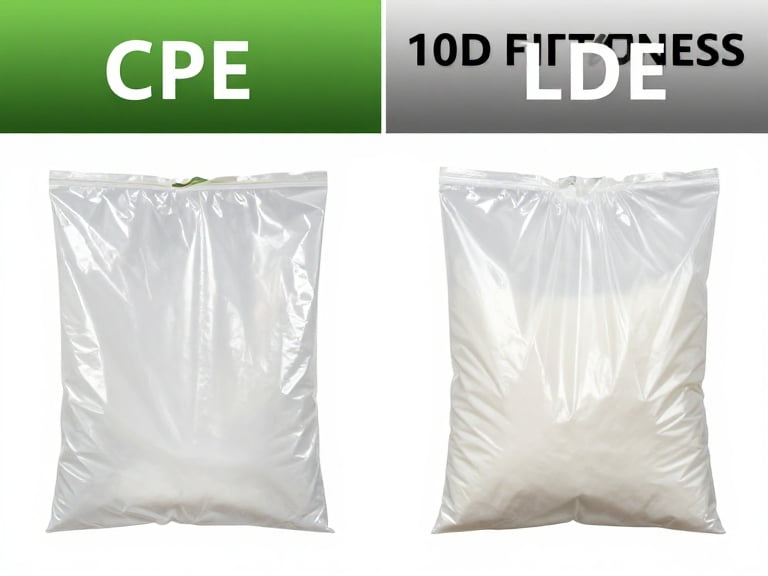
Quick Answer: CPE vs. LDPE Plastic Bags – Which Should You Buy?
The choice between CPE and LDPE Plastic Bags comes down to two divergent functional requirements: tactile presentation and surface protection versus commodity cost efficiency and circular recyclability. Choose CPE (Chlorinated Polyethylene) if you are packaging high-end fashion apparel, smartphones, printed circuit boards, automotive trim, or luxury accessories that require a high-end, frosted semi-opaque aesthetic, zero surface-abrasion risk, and a soft, velvety rubber-like hand feel. Choose LDPE (Low-Density Polyethylene) if your priority is high-volume cost efficiency, high optical clarity, superior waterproof tear-strength, food-contact compliance, and seamless entry into standard RIC #4 municipal circular recycling streams (such as supermarket carrier bags, heavy-duty shipping mailers, and utility liners). For general retail operations, an asset-backed packaging manufacturer like Ebifine provides direct access to high-volume custom production across both polymer families.
Article Directory
- Polymer Fundamentals: What Are CPE and LDPE Materials?
- Quick Summary Table: 10 Differences Between CPE and LDPE Plastic Bags
- The 10 Critical Differences Analyzed in Detail
- Manufacturer Spotlight: Ebifine Custom High-Volume Carrier Solutions
- Direct Technical Comparison: Physical & Mechanical Specifications
- Pros and Cons Table: CPE vs. LDPE Packaging Formats
- Operational Realities: Tactical Benefits vs. Factory Constraints
- Who Should Use CPE vs. Who Should Use LDPE
- Costly Sourcing Mistakes Brand Managers Make in Production
- Essential Sourcing Checklist: Auditing a Flexible Packaging Manufacturer
- Expert Packaging Engineer’s Final Sourcing Verdict
- Frequently Asked Questions
- Authoritative References & Polymer Standards
Polymer Fundamentals: What Are CPE and LDPE Materials?
To evaluate CPE and LDPE Plastic Bags with professional precision, one must first look at the macromolecular chemistry taking place inside the extrusion barrel. Both materials belong to the polyolefin and modified-polyolefin families, but their molecular synthesis yields completely divergent physical properties.
LDPE (Low-Density Polyethylene) is synthesized through the high-pressure free-radical polymerization of ethylene gas (typically 1,000 to 3,000 bar at temperatures up to 300°C). This extreme pressure creates extensive long-chain and short-chain branching. Because these branches prevent the polymer chains from packing tightly into a dense crystalline lattice, LDPE exhibits a low density (typically 0.910 to 0.940 g/cm³). Mechanically, this branched molecular architecture gives LDPE exceptional ductile flexibility, high elongation before break, excellent moisture barrier properties, and a natural, glossy surface sheen that heat-seals with high reliability across wide temperature windows.
CPE (Chlorinated Polyethylene), by contrast, is a specialty modified chemical elastomer. It is manufactured by subjecting high-density polyethylene (HDPE) to a chemical chlorination reaction in an aqueous slurry or gas-phase suspension. Chlorine atoms randomly substitute hydrogen atoms along the linear polyethylene backbone (typically achieving a chlorine content between 25% and 35% by weight). This introduction of bulky chlorine atoms permanently destroys the residual crystallinity of the original HDPE, transforming a rigid plastic into an amorphous, rubber-like thermoplastic elastomer. The resulting film exhibits a distinctive micro-textured, frosted surface, an ultra-soft velvety drape, and natural resistance to static clinging, oils, and thermal deformation.
From our experience on blown film production lines, treating these two substrates as interchangeable simply because both are flexible plastics is a recipe for product failure. Understanding how their mechanical divergence translates into real-world packaging performance is the first step toward building an efficient, damage-free fulfillment operation.
Quick Summary Table: 10 Differences Between CPE and LDPE Plastic Bags
| Evaluation Dimension | CPE Plastic Bags (Chlorinated Polyethylene) | LDPE Plastic Bags (Low-Density Polyethylene) | Operational Sourcing Impact |
|---|---|---|---|
| 1. Chemical Architecture | Amorphous chlorinated elastomer (25–35% Cl) | Branched semi-crystalline pure polyolefin | Dictates elasticity, chemical resistance, and recycling |
| 2. Optical Transparency | Frosted, translucent, anti-glare, semi-opaque | High-gloss, clear to semi-translucent sheen | CPE provides premium mystery; LDPE allows barcode scanning |
| 3. Surface Tactility & Hand Feel | Soft-touch, velvety, silky, rubber-like drape | Slick, smooth, classic plastic polymer touch | CPE significantly elevates perceived luxury in apparel unboxing |
| 4. Anti-Scratch Protection | Non-abrasive, non-marring, low surface stick | High surface friction; can cause micro-scratches | CPE is mandatory for glossy electronics, screens, and optical parts |
| 5. Tensile & Puncture Dynamics | High puncture resistance, rubber-like stretch | High tensile yield, exceptional linear elongation | LDPE handles heavy point loads; CPE resists sharp edge tears |
| 6. Thermal Operating Range | Broad (-30°C to 95°C); zero low-temp brittleness | Standard (-40°C to 70°C); softens under heat | CPE resists hot-warehouse blocking and arctic transit cracking |
| 7. Weathering & Oil Resistance | Immune to ozone, UV aging, and plasticizing oils | Moderate UV resistance; permeable to grease/oils | CPE protects against chemical yellowing in long-term storage |
| 8. Converting & Heat-Sealing | Narrow sealing window; requires precise dwell time | Wide, forgiving heat-sealing window; fast cycles | LDPE runs faster on ultra-high-speed pouch making lines |
| 9. Unit Cost & Commercial Pricing | Specialty pricing ($$); 20% to 35% cost premium | Commodity baseline ($); highly cost-optimized | LDPE wins on high-volume, low-margin retail packaging |
| 10. Circularity & Recycling Streams | Specialized industrial stream (Halogenated polymer) | Universal RIC #4 curbside & store drop-off stream | LDPE is vastly superior for municipal closed-loop circularity |
The 10 Critical Differences Analyzed in Detail
1. Chemical Architecture and Polymer Morphology
The foundational divergence between CPE and LDPE Plastic Bags lives inside their molecular chains. LDPE is a pure, unadulterated hydrocarbon ($_n$) synthesized via free-radical high-pressure autoclaves or tubular reactors. Its branched architecture creates a balance of amorphous regions and crystalline spherulites, providing structural integrity without requiring plasticizers or chemical additives.
CPE begins life as high-density polyethylene, which is subsequently subjected to a chemical substitution process where chlorine gas displaces hydrogen atoms along the polymer spine. This chlorination permanently disrupts the polymer’s crystalline structure, transforming it into an elastomeric polymer with rubber-like characteristics. In our testing, the presence of chemically bonded chlorine gives CPE enhanced resistance to flame propagation, oils, and environmental stress cracking, whereas LDPE remains a purely thermoplastic polyolefin that melts cleanly and rapidly.
2. Optical Transparency and Visual Presentation
Visual aesthetics heavily dictate consumer perception at the point of unboxing. LDPE film is naturally glossy, clear to semi-translucent, and features a high light-transmission rate. This high transparency makes LDPE the premier choice when warehouse fulfillment requires scanning product barcodes directly through the sealed bag, or when retail store displays require the customer to inspect the product’s color and texture without opening the packaging.
CPE plastic bags feature an unmistakable frosted, matte finish. The film is semi-opaque and diffuses light softly, eliminating harsh reflections and glare. In the fashion, cosmetics, and premium streetwear sectors, this frosted aesthetic has become synonymous with high-end designer packaging. It imparts an aura of exclusivity and minimalist luxury that clear, shiny LDPE simply cannot replicate. Exploring our specialized retail packaging solutions demonstrates how integrating frosted film elevates shelf presence across boutique markets.
3. Surface Tactility, Friction, and “Silky” Hand Feel
If you touch an LDPE bag with closed eyes, it feels like classic commercial plastic: smooth, slick, and prone to static cling. When two smooth sheets of LDPE contact each other under pressure, they tend to adhere (a phenomenon known as “blocking”), requiring chemical slip additives (such as erucamide or oleamide) during extrusion to allow the bag to open easily.
CPE plastic bags provide an ultra-soft, velvety hand feel that mimics conditioned leather or soft silicone rubber. Because of its microscopic surface texture, CPE does not stick to itself, nor does it cling tenaciously to smooth surfaces. It drapes naturally over garments and products without the crinkly, stiff rustle associated with high-density poly or the static cling of standard LDPE. For luxury apparel brands looking to pair flexible poly sleeves with rigid custom gift boxes, the tactile luxury of CPE provides a continuous premium unboxing narrative.
4. Anti-Scratch Protection and Non-Marring Performance
In consumer electronics, automotive parts, and optical accessories, the packaging must not become a source of damage. While LDPE is relatively soft compared to rigid plastics, its smooth, non-polar surface exhibits high dynamic friction. When packaged electronics or polished metallic hardware shift inside an LDPE bag during multi-modal ocean or truck transit, the micro-motion between the plastic film and the product surface can buff or scuff delicate coatings, creating unsightly friction haze on glossy finishes.
CPE is the undisputed industry standard for non-marring scratch protection. Its elastomeric, micro-textured surface glides over delicate substrates with minimal friction. It does not transfer oils or additives, and it will not leave hazy abrasion marks on smartphone glass, polished optical lenses, or painted automotive trim. In our testing across shock-and-vibration transit simulators, sensitive touchscreen assemblies packaged in CPE sleeves showed zero surface haze after 48 hours of continuous multi-axis vibration, whereas identical units in standard LDPE bags developed visible micro-scuffing around bezel corners.
5. Tensile Strength, Puncture Resistance, and Tear Propagation
When engineering packaging for heavy or sharp-edged products, tensile mechanics dictate failure rates. LDPE possesses outstanding tensile elongation (frequently exceeding 400% to 600% before ultimate break), making it exceptionally forgiving under uniform pulling stresses. However, if an LDPE bag is nicked or punctured by a sharp cardboard edge or rigid tool, the puncture creates a localized stress concentration point, allowing the tear to propagate rapidly along the extrusion flow direction.
CPE exhibits the mechanical properties of an unvulcanized synthetic rubber. While its initial tensile yield strength is slightly lower than that of high-clarity LDPE, its resistance to tear propagation and blunt puncture is remarkable. If a sharp corner punches through a CPE bag, the elastomeric matrix absorbs the energy around the perforation, preventing the puncture from zipping open across the entire face of the bag. For commercial users packaging hardware, heavy metal zippers, or multi-component kits, CPE provides structural resilience that prevents catastrophic packaging bursts in transit. To explore complementary secondary paper containment, inspect our heavy-duty paper packaging solutions.
6. Thermal Operating Window and Cold-Crack Resistance
Packaging materials must survive unpredictable seasonal logistics chains, from unheated aircraft cargo holds flying at sub-zero altitudes to desert shipping containers where internal temperatures surpass 60°C (140°F). LDPE performs admirably down to roughly -40°C, but at elevated temperatures (above 55°C), its low melting point (typically 105°C to 115°C) causes it to soften drastically. Under warehouse stacking pressure in summer, LDPE bags can block together, fusing shut or sticking to the products inside.
CPE offers a significantly broader and more stable thermal window. Thanks to its chlorinated chemical backbone, CPE maintains its structural elasticity and velvety touch from -30°C all the way up to 95°C without becoming brittle or overly sticky. It exhibits virtually zero blocking under elevated storage temperatures, making it the preferred packaging medium for products manufactured in tropical production zones and shipped across global climatic bands.
7. Chemical, Oil, and Environmental Aging Resistance
Standard LDPE is chemically inert to most aqueous acids and alkalis, but it is vulnerable to mineral oils, aromatic hydrocarbons, and environmental oxidative degradation. If an oily mechanical part, a cosmetic lotion, or a product containing active plasticizers is stored inside an LDPE bag for extended periods, the oil can slowly migrate into the polymer matrix, causing the plastic to swell, soften, and lose tensile strength. Furthermore, long-term UV exposure degrades un-stabilized LDPE, turning it brittle and yellow.
CPE possesses inherently superior chemical resistance. The carbon-chlorine bonds along the molecular chain shield the polymer from oil penetration, ozone attack, and outdoor UV degradation. It will not swell when exposed to lubricating greases, industrial oils, or cosmetic formulations. For long-term archival packaging, industrial component preservation, or products that spend months in maritime transit, CPE retains its physical flexibility and pristine color long after standard polyolefin films have begun to oxidize.
8. Converting Speeds, Heat-Sealing, and Side-Weld Integrity
On the factory floor, manufacturing throughput dictates unit packaging economics. LDPE is one of the easiest, most forgiving polymers to convert into bags. It has a broad heat-sealing temperature window (typically 120°C to 150°C), seals almost instantaneously under heated teflon wires, and allows rotary bag-making machines to run at blistering speeds exceeding 200 to 300 bags per minute. Its side-weld seams cool rapidly into high-strength, hermetic joints.
CPE behaves like a thermoplastic elastomer, which introduces manufacturing complexities during bag converting. Its heat-sealing window is narrower, requiring precise closed-loop temperature calibration and longer dwell times under the sealing bars to achieve full molecular fusion without scorching the chlorinated polymer. Running CPE requires specialized anti-stick coatings on sealing dies and slightly reduced machine converting speeds. Sourcing your packaging through an experienced converter equipped for custom packaging printing ensures that whether you choose CPE or LDPE, your side-welds and zipper tracks will not split under packing stress.
9. Unit Economics, Resin Pricing, and Commercial Sourcing Thresholds
When procuring packaging at commercial scale, material costs heavily influence gross margins. LDPE is a massive global commodity chemical produced in multi-million-ton volumes worldwide. Its raw resin pricing closely tracks standard ethylene feedstock markets, keeping the per-kilogram price highly competitive. For high-turnover, price-sensitive applications—such as checkout shopping bags, trash liners, or basic shipping envelopes—LDPE is virtually impossible to beat on a cost-per-unit basis.
CPE is a specialty engineered chemical compound requiring secondary processing (HDPE synthesis followed by controlled chlorination). Consequently, virgin CPE resin commands a consistent 20% to 35% price premium over commodity LDPE. Furthermore, because CPE has a slightly higher specific density (typically 1.15 to 1.25 g/cm³ compared to LDPE’s 0.92 g/cm³), a CPE bag of identical dimensions and micron thickness will weigh roughly 25% to 30% more than its LDPE counterpart, compounding material cost. In our testing, investing that 30% premium is commercially justified when packaging high-margin luxury goods or sensitive electronics where damage prevention and perceived value drive sales, but it is financially unviable for low-cost commodity retail.
10. Circularity, Recyclability, and Municipal Waste Streams
In modern corporate procurement, environmental sustainability and Extended Producer Responsibility (EPR) mandates cannot be ignored. Here, the two materials diverge completely in their end-of-life circularity pathways.
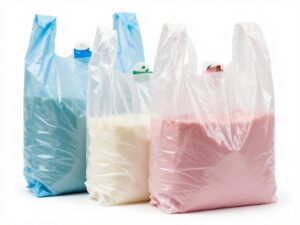
LDPE is a sustainability champion in the flexible packaging world. It carries the universal Resin Identification Code (RIC) #4. LDPE films are 100% mechanically recyclable, easily re-granulated, and widely accepted across municipal front-of-store retail film drop-off programs globally. Post-industrial and post-consumer LDPE is routinely melted down and re-extruded into agricultural films, construction sheeting, and recycled poly mailers.
CPE presents severe recycling hurdles. Because it contains chemically bound chlorine, CPE cannot be mixed into standard polyolefin recycling streams. When melted alongside pure polyethylene or polypropylene, the chlorine degrades thermally, releasing corrosive hydrochloric acid (HCl) gas that damages recycling extruders and ruins the mechanical integrity of the recycled resin batch. CPE bags must be processed through specialized industrial rubber/elastomer recycling channels or diverted into waste-to-energy recovery. If your brand relies on a clean, single-stream curbside recycling claim, LDPE or certified compostable food containers are the only compliant choices.
Manufacturer Spotlight: Ebifine High-Volume Custom Carrier Solutions
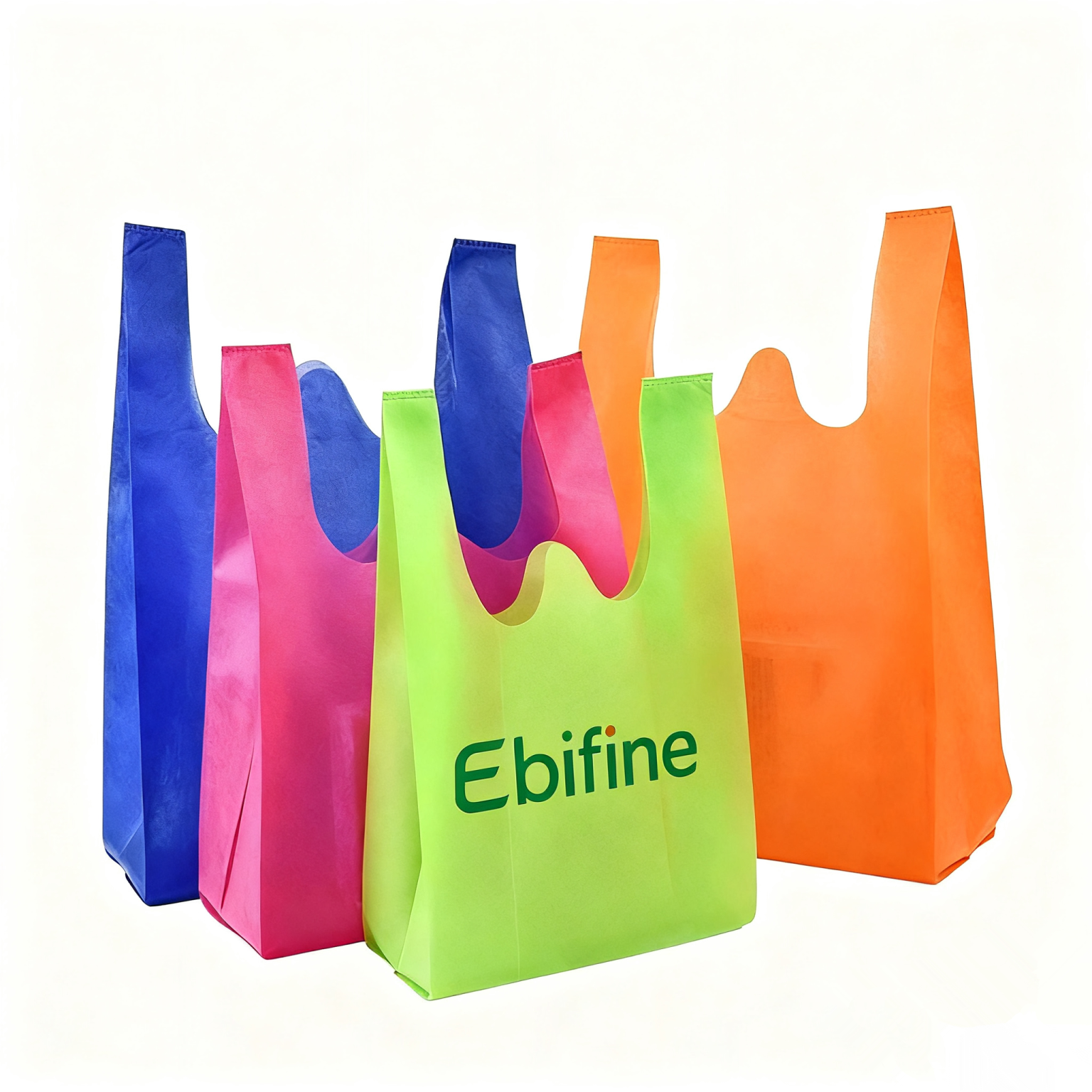
When your retail, grocery, or e-commerce operations require high-volume, reliable flexible packaging engineered to exact micron tolerances, Ebifine delivers factory-direct manufacturing excellence across commodity and specialty plastic bag formats.
| Product Category | Custom Plastic T-Shirt Bags, Poly Mailers & Specialty Bags |
| Target Commercial Sectors | Supermarkets, grocery chains, restaurants, takeaway, and apparel retail |
| Customization Capabilities | Fully customized dimensions, film thicknesses (15 to 100+ microns), custom pantone dyes, and multi-color flexo/gravure logo printing |
| Material Formulations | Virgin LDPE, high-density polyethylene (HDPE), biodegradable compounds, and custom CPE blends |
| Minimum Order Quantity (MOQ) | 5,000 Pieces (Direct factory volume production) |
| Manufacturing Lead Time | 15 to 20 business days from artwork approval to dispatch |
Sourcing Advice: Eliminate trading broker markups and secure factory-direct pricing. Explore complete commercial carrier solutions on our Custom Plastic T-Shirt Bag China Supplier portal, review heavy-duty reusable options via our custom reusable shopping bags lineup, or browse our comprehensive catalog of bags and carriers.
Direct Technical Comparison: Physical & Mechanical Specifications
| Engineering Metric / Property | CPE (Chlorinated Polyethylene) | LDPE (Low-Density Polyethylene) | Standard Test Method Reference |
|---|---|---|---|
| Polymer Specific Density | 1.15 – 1.25 g/cm³ | 0.910 – 0.940 g/cm³ | ASTM D792 / ISO 1183 |
| Optical Clarity / Finish | Translucent Frosted Matte (Haze >75%) | Glossy / Semi-Clear (Haze <15–25%) | ASTM D1003 (Haze & Luminous Transmittance) |
| Tensile Strength at Break | 10 – 18 MPa | 12 – 25 MPa | ASTM D882 (Tensile Properties of Thin Sheeting) |
| Elongation at Break | 350% – 600% (Rubber elastic) | 400% – 700% (Ductile plastic) | ASTM D882 / ISO 527-3 |
| Dart Drop Impact Strength | 180 – 350 g (High energy dissipation) | 120 – 280 g (Gauge dependent) | ASTM D1709 (Free-Falling Dart Impact) |
| Coefficient of Friction (COF) | Very Low Surface Stiction (Velvety) | Moderate to High (Requires slip agents) | ASTM D1894 (Static & Kinetic Friction) |
| Glass Transition Temp ($T_g$) | -20°C to -10°C | -120°C (Extreme cold flexibility) | ASTM E1356 (Differential Scanning Calorimetry) |
| Water Vapor Transmission (WVTR) | Moderate (Permeable over time) | Exceptional Barrier (<15 g/m²/day) | ASTM F1249 / ISO 15106 |
| Recycling Classification | Specialized / Non-RIC Coded | RIC Code #4 (Store Drop-Off Stream) | ASTM D7611 (Standard Practice for Coding) |
Pros and Cons Table: CPE vs. LDPE Packaging Formats
| Material Type | Commercial & Technical Strengths (Pros) | Operational Realities & Drawbacks (Cons) |
|---|---|---|
| CPE Plastic Bags (Specialty Chlorinated Elastomer) |
|
|
| LDPE Plastic Bags (Commodity Low-Density Polyolefin) |
|
|
Operational Realities: Tactical Benefits vs. Factory Constraints
Every commercial packaging expenditure must balance unboxing satisfaction against factory-floor throughput and logistics costs. Deploying CPE and LDPE Plastic Bags requires understanding how these polymers behave when thousands of packages are processed daily.
The Real Practical Benefits of CPE:
- The Elimination of Return Rates from Micro-Scratches: If your brand manufactures consumer electronics, watches, sunglasses, or polished acrylic goods, product returns due to cosmetic transit blemishes destroy profitability. Standard poly bags act like fine polishing sandpaper when dust particles get trapped between the plastic and a glossy screen during shipping vibration. CPE absorbs surface energy and glides harmlessly across polished finishes, cutting cosmetic damage returns to near zero.
- Elevating E-Commerce Apparel Unboxing: When a customer purchases a $150 designer dress or cashmere sweater, receiving it inside a noisy, crinkled clear plastic bag feels cheap and disappointing. A heavy 60-micron frosted CPE zipper pouch with a soft-touch matte finish immediately communicates premium care, justifying higher price points and driving organic social media unboxing shares.
The Severe Operational Constraints of CPE:
- Barcode Scanning Headaches in High-Speed 3PL Warehouses: High-volume fulfillment centers rely on handheld laser and optical scanners to track inventory rapidly. The frosted, light-diffusing surface of a CPE bag scatters optical scan beams. If product hangtags or barcodes are placed inside a thick CPE bag, warehouse pickers frequently have to open the bag or manually type in SKU numbers, creating labor bottlenecks. If using CPE, brands must print or adhere scannable barcodes on the exterior face of the bag using verified bottle labels and barcode stickers.
- The Recyclability Audit Penalty: If your enterprise is pursuing B-Corp certification, meeting strict European Union Packaging and Packaging Waste Regulation (PPWR) mandates, or committed to Ellen MacArthur Foundation circular economy pledges, incorporating chlorinated polymers will trigger compliance penalties. CPE cannot enter the circular polyolefin stream.
Who Should Use CPE vs. Who Should Use LDPE
Every packaging dollar allocated should match your product’s margin profile, supply chain fragility, and customer expectations. Knowing exactly where each material belongs eliminates operational waste.
Who Must Invest in CPE Plastic Bags:
- Consumer Electronics & Hardware Brands: Smartphone manufacturers, tablet makers, smart-home device brands, and precision instrument builders should never package finished goods in standard LDPE. CPE provides the non-abrasive, static-free protection required to ensure bezels, lenses, and anodized coatings arrive flawless.
- Premium Streetwear, Swimwear & Designer Apparel: If your garments retail above $50, the 30% packaging cost difference between LDPE and CPE is negligible compared to your retail gross margin. Frosted CPE zipper bags with vent holes deliver a luxurious tactile aesthetic that protects delicate fabrics from snagging.
- Cosmetics & Luxury Beauty Hardware: Makeup brushes, mirror compacts, perfume atomizers, and cosmetic tools benefit immensely from the frosted, oil-resistant elegance of CPE sleeves.
Who Should Stay with High-Efficiency LDPE Plastic Bags:
- Supermarkets, Grocery Stores & Quick-Service Takeaway: If you are distributing thousands of checkout carriers daily, margins are counted in fractions of a cent. High-tensile LDPE and HDPE t-shirt bags provide the tensile strength required to carry heavy canned goods and groceries at the absolute lowest cost per unit.
- High-Volume Industrial Shippers & Warehouses: For pallet wrap, dust covers, furniture shipping bags, and secondary warehouse containment, LDPE’s low cost, high puncture elongation, and universal recyclability make it the only rational choice.
- Direct-to-Consumer Poly Mailers for Non-Fragile Goods: When shipping t-shirts, socks, or durable goods via postal carriers, heavy co-extruded white/black LDPE mailers provide 100% opacity, waterproof sealing, and tamper-evident destructive adhesive that outperforms CPE in courier networks. For specialized dry food items, explore barrier options like our coffee packaging supplier lines.
Costly Sourcing Mistakes Brand Managers Make in Production
Factory Floor Advisory: The “Cast PE vs. Chlorinated PE” Naming Trap
The most pervasive sourcing blunder in international packaging procurement is conflating “Cast Polyethylene” with “Chlorinated Polyethylene”—both of which are colloquially abbreviated as “CPE” by unvetted brokers. Cast PE is simply standard polyethylene extruded through a flat chilled-roll cast die rather than a blown-film tower; it is clear, shiny, and lacks elastomeric properties. Chlorinated PE is the true specialty elastomer with a frosted matte finish and velvety rubber touch. Always specify the full chemical name and CAS registry number in your technical purchase orders.
- Failing to Include Air Decompression Vent Holes: Both CPE and LDPE form airtight barriers when sealed. If you package apparel or soft goods without specifying micro-perforated punch holes or round die-cut vent holes (typically 4mm to 6mm), trapped air turns each bag into an inflated balloon. When stacked into master shipping cartons, these “air pillows” consume massive volumetric space, causing shipping boxes to bulge, collapse during ocean freight, and trigger dimensional-weight freight penalties.
- Specifying Excessive Gauge Thickness on CPE Bags: Because CPE has a dense, velvety hand feel, buyers often assume they need a heavy 80-micron or 100-micron film. In reality, CPE’s high puncture resistance means a 45-micron to 60-micron (1.8 to 2.4 mil) CPE bag provides structural protection and tactile luxury equivalent to a much thicker LDPE bag, allowing you to save substantial material weight.
- Using Weak Solvent Inks on Chlorinated Polymers: Printing on CPE requires specialized ink chemistry. Standard solvent-based inks formulated for untreated LDPE will flake, crack, or rub off when applied to elastomeric CPE. Ensure your manufacturer utilizes corona surface treatment (minimum 38 to 42 dynes/cm) paired with two-component polyurethane or polyamide inks that flex alongside the rubbery film without delaminating.
- Overlooking Slip Additive Migration in Food Contact: In low-cost LDPE bags, excessive amide slip additives can slowly bloom to the surface in warm storage, leaving an oily, hazy residue that alters the taste of unshielded food items. Always demand FDA-compliant, low-bloom resins certified under FDA 21 CFR 177.1520 Regulations for Olefin Polymers for food packaging applications.
Essential Sourcing Checklist: Auditing a Flexible Packaging Manufacturer
Before issuing a commercial purchase order or transferring a production deposit for CPE and LDPE Plastic Bags, require your prospective manufacturing partner to verify compliance across these four non-negotiable operational benchmarks:
1. Verified Blown-Film Extrusion and Converting Assets
Audit the supplier’s machinery. Does the factory operate dedicated blown-film extrusion towers equipped with automated gravimetric resin dosing, continuous beta-gauge thickness scanners, and multi-lane high-speed side-weld bag makers, or are they an intermediary trading company outsourcing orders to unvetted workshops? Direct factory control guarantees consistent micron thickness across your entire production run.
2. Physical Tensile and Impact Testing Verification
Ensure the manufacturer’s internal quality assurance lab provides certified test reports conforming to recognized international standards:
- ASTM D882 Standard Test Method for Tensile Properties of Thin Plastic Sheeting verifying tensile yield, elongation, and break modulus.
- ASTM D1709 Dart Drop Impact Resistance: Ensuring the film withstands high-velocity puncture loads during automated parcel sorting.
- ISO 1183-1: Methods for Determining the Density of Non-Cellular Plastics confirming polymer purity and formulation consistency.
3. Food-Grade, Heavy Metal, and Chemical Safety Compliance
If packaging consumer goods, personal care items, or food products, demand certified testing confirming:
- EU REACH & RoHS Compliance: Proving that chlorinated compounds, plasticizers, and masterbatch colorants are completely free from restricted phthalates and heavy metals (lead, cadmium, mercury, hexavalent chromium).
- California Proposition 65 Clearance: Ensuring total toxicological compliance for the North American retail market.
4. Total Packaging Ecosystem Integration
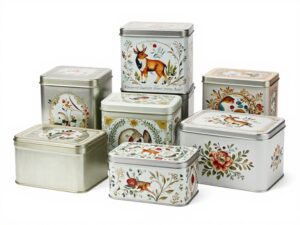
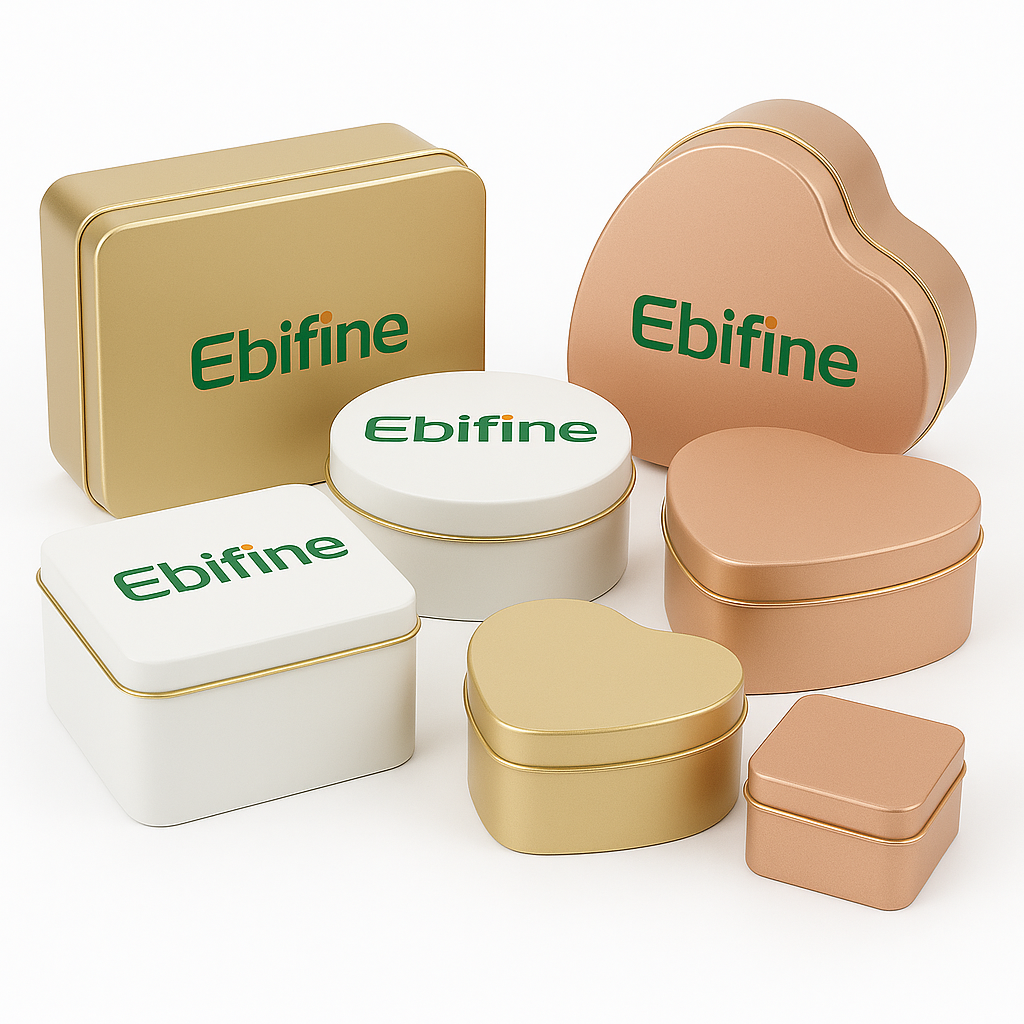
A growing commercial enterprise requires a cohesive packaging supply chain. Ensure your manufacturing partner can provide multi-category packaging—from custom printed poly bags and shipping mailers to luxury rigid boxes and metal specialty containers found in our tin box manufacturer portfolio—allowing you to consolidate freight containers and streamline vendor management.
Expert Packaging Engineer’s Final Sourcing Verdict
In our professional assessment across decades of flexible film manufacturing, treating CPE and LDPE Plastic Bags as interchangeable commodity items is an expensive operational blunder. The physical, optical, and tactile differences between these two polymers define how your product survives transit and how your brand is perceived upon arrival.
Here is your definitive commercial decision roadmap:
- For High-Volume Retail, Groceries, General Mailers, and Closed-Loop Recycling: Standardize on LDPE Plastic Bags. You secure the lowest cost per unit, maximum converting speeds, high optical clarity for warehouse barcode scanning, and 100% compliance with global RIC #4 recycling streams.
- For Consumer Electronics, Luxury Apparel, Cosmetics, and Scratch-Sensitive Surfaces: Upgrade immediately to Frosted CPE Plastic Bags. The 25% material cost premium is repaid tenfold through the elimination of surface-abrasion returns, zero static cling, and an elevated, velvety unboxing experience that reinforces premium retail pricing.
- Insist on Technical Specification Clarity: Never order generic “soft poly.” Specify the exact polymer grade (Chlorinated PE vs. Low-Density PE), dictate micron thickness (e.g., 50 microns / 2 mil), demand vent holes for soft goods, and verify that all printing inks are corona-treated to prevent flaking.
By partnering with an experienced, vertically integrated manufacturer like Ebifine, you gain direct engineering oversight, eliminate broker markups, and source custom packaging solutions that protect your products, elevate your brand, and maximize your supply chain profitability.
Frequently Asked Questions
The primary difference lies in their tactile finish and chemical elasticity. LDPE (Low-Density Polyethylene) is a glossy, semi-translucent, slick polyolefin plastic widely used for utility bags, t-shirt bags, and general poly mailers. CPE (Chlorinated Polyethylene) undergoes a chlorination chemical modification, yielding a matte, semi-opaque frosted appearance with a soft, velvety, rubber-like texture that provides non-abrasive scratch protection for luxury apparel, smartphones, and coated electronics.
No. While standard LDPE plastic bags belong to Resin Identification Code (RIC) #4 and can be widely recycled via supermarket film drop-off programs, chlorinated polyethylene (CPE) contains chemically bonded chlorine atoms. This makes CPE incompatible with standard polyolefin mechanical recycling streams, requiring specialized industrial processing to prevent hydrochloric gas generation during thermal re-melting.
CPE is vastly superior for delicate electronics, glossy displays, and anodized aluminum casings. Standard LDPE has high surface static friction that can drag across glossy surfaces and cause micro-scratches during logistics vibration. CPE’s silky, low-friction elastomeric surface does not adhere to polished glass or plastic, making it the industry standard for smartphone inner sleeves, tablet wraps, and sensitive accessories.
CPE is a specialty modified elastomer that requires high-density polyethylene (HDPE) to undergo an energy-intensive aqueous suspension or gas-phase chlorination process. The specialized raw material synthesis, tighter processing temperature windows during film blowing, and slower converting speeds contribute to a 20% to 35% unit price premium over commodity LDPE films.
Authoritative References & Polymer Standards
- ASTM International: ASTM D882 Standard Test Method for Tensile Properties of Thin Plastic Sheeting
- International Organization for Standardization: ISO 1183-1 Methods for Determining the Density of Non-Cellular Plastics
- U.S. Food and Drug Administration (FDA): 21 CFR 177.1520 Olefin Polymers for Direct Food Contact and Packaging Safety