Buying LDPE plastic bags in bulk can lower your packaging cost per unit, but only when the bag specification matches the product, handling conditions and customer expectations. A low quotation is not a good deal if the bags split at the seams, arrive with inconsistent dimensions, fail to protect the contents or require costly reordering.
Quick Answer: What Should You Check Before Buying LDPE Plastic Bags in Bulk?
Before buying LDPE plastic bags in bulk, confirm the exact bag application, material quality, thickness, size, load capacity, sealing method, print requirements, applicable regulations and supplier reliability. Request a production sample or pre-production approval sample before authorizing a large order.
- What they are: Bags made from low-density polyethylene, a flexible thermoplastic commonly used for retail, garment, product and general packaging.
- How they work: LDPE film is formed into bags using processes such as film extrusion, cutting and heat sealing, with handles or printing added when specified.
- Benefits: Flexibility, moisture resistance, lightweight handling and economical high-volume production.
- Limitations: Performance depends on film thickness, resin quality, design and load; LDPE is not automatically suitable for every food, chemical or heavy-duty application.
- Who should buy in bulk: Retailers, distributors, brands and businesses with repeatable packaging demand.
- Who may not need bulk quantities: New businesses testing demand or buyers whose storage space and cash flow cannot support a large order.
- Common mistakes: Comparing prices without checking thickness, ignoring handle strength, skipping samples and overlooking local plastic-bag regulations.
- Best buying strategy: Standardize the specification, evaluate samples, compare landed cost and agree on measurable quality requirements before production.
Quick Summary Table: LDPE Plastic Bag Bulk Buying Checklist
| Check | What to Verify | Why It Matters |
|---|---|---|
| 1. Application | Retail, garment, e-commerce, promotional or industrial use | Determines the right bag design and performance requirements. |
| 2. Material quality | LDPE specification, film consistency and intended use | Helps avoid brittle film, contamination and inconsistent performance. |
| 3. Thickness and size | Gauge or micron specification, width, length and gusset | Controls fit, durability and material consumption. |
| 4. Load and construction | Handle type, bottom seal, seams and expected load | Reduces tearing, leakage and bag failure during handling. |
| 5. Printing and branding | Artwork, colors, print position and proof approval | Protects brand consistency and avoids expensive reprints. |
| 6. Compliance | Destination-market rules, labeling and food-contact requirements if applicable | Helps prevent regulatory or import problems. |
| 7. Supplier reliability | Samples, specifications, quality checks and defect policy | Reduces the risk of inconsistent repeat orders. |
| 8. Total cost and delivery | MOQ, tooling, freight, lead time, packaging and payment terms | Reveals the true cost of the order, not just the quoted unit price. |
1. Identify the Right Application Before Buying LDPE Plastic Bags in Bulk
The first buying decision is not the bag price. It is what the bag must do. A lightweight bag used for folded garments has different requirements from a retail bag carrying boxed cosmetics, a promotional bag handed out at an event or a liner used to contain industrial components.
Start by documenting the product’s dimensions, weight, surface characteristics, packing method and expected handling conditions. Consider whether the bag will be carried by a handle, placed inside a shipping carton, displayed in a store or used to protect a product from dust and moisture. The right design should solve the actual packaging problem without paying for features you do not need.
Match the bag to the use case
- Retail and fashion: Consider appearance, handle comfort, print quality and the weight of typical purchases.
- Cosmetics and personal care: Check for scuffing, leakage risk from the packaged product, appearance and compatibility with the primary package. A bag is not a substitute for suitable primary packaging.
- E-commerce and shipping: Evaluate puncture risks, closure method and whether the bag is an outer mailer or merely an inner protective layer.
- Promotional campaigns: Prioritize logo reproduction, consistent colors, delivery timing and the quantity required for the event.
- Industrial use: Specify the component shape, edge sharpness, load, exposure conditions and whether antistatic or other special properties are required.
If your business is still comparing packaging formats, evaluate LDPE bags alongside other options instead of assuming plastic film is always the best answer. For some shopping applications, reusable shopping bags may fit the brand’s reuse goals better. For retail merchandise that needs a different presentation, custom paper bags with logo may be worth comparing.
Our recommendation: Write a one-sentence use-case brief before requesting quotations. For example: “A printed retail carry bag for boxed cosmetics, carrying a typical combined load of 3 kg, with a comfortable handle and a defined size.” A clear brief makes supplier proposals easier to compare and reduces guesswork.
2. Check LDPE Material Quality, Not Just the Supplier’s Material Label
LDPE stands for low-density polyethylene. It is a flexible thermoplastic commonly used in film and bag manufacturing. LDPE film can provide useful flexibility, moisture resistance and a smooth surface, but its performance depends on the resin, film formulation, manufacturing process, thickness and finished-bag construction.
Two bags described as “LDPE bags” can perform differently. A material name alone does not establish the bag’s load capacity, puncture resistance, tear resistance or suitability for a regulated application. Buyers should ask for the material specification and a sample that represents the actual production order.
Questions to ask about material quality
- Is the bag made from LDPE, a blend or another polyethylene grade?
- Is the proposed material suitable for the intended contents and service conditions?
- Will the supplier provide consistent material and thickness across repeat orders?
- Are there restrictions on recycled content, colorants or additives for the intended application?
- Can the supplier provide relevant technical or compliance documentation when required?
For applications involving food, cosmetics, medical products or chemicals, do not assume that ordinary packaging film is automatically approved for direct contact. The relevant requirements depend on the contents, contact conditions and destination market. Food packaging in particular may need documented material suitability and migration compliance, not merely a general statement that the bag is made from plastic.
Where food-contact packaging is required, start with a defined compliance brief and review the supplier’s documentation. Ebifine also provides a related overview of food grade packaging, which can help buyers frame their application requirements before requesting a quotation.
What about recycled material?
Recycled content can be relevant to cost and environmental targets, but it should not be treated as a universal upgrade. Material consistency, contamination controls, appearance and end-use regulations all matter. If you are considering recycled-content bags, specify the permitted content and the quality criteria in writing. For regulated or direct-contact applications, verify the applicable rules before approving any recycled material.
3. Confirm Bag Thickness, Dimensions and Load Capacity
Thickness is one of the most important specifications when buying LDPE plastic bags in bulk, but it is also one of the easiest to misunderstand. A quotation may list microns, millimeters or gauge. These units should be clearly defined and converted consistently before comparing suppliers. Do not accept vague terms such as “heavy duty” without an agreed measurable specification.
Bag dimensions are equally important. Confirm width, length, bottom gusset, side gusset, handle dimensions and any lip or flap needed for the design. A bag that is too narrow can stress the seams, while an oversized bag consumes more material and takes up more storage space than necessary.
How to specify thickness correctly
Ask the supplier to state the target film thickness and its permitted tolerance. Confirm whether the stated value refers to one film wall or a combined measurement. For bags made from folded film, confusing a single-wall thickness with a total measurement can lead to a substantial specification mismatch.
Where possible, ask for a sample measured with an appropriate thickness gauge and agree on the sampling method. Thickness measurements can vary depending on instrument pressure, film surface and measurement location. A documented method makes quality checks more repeatable.
Do not choose thickness by weight alone
A heavier bag is not automatically a better bag for every application. Film formulation, bag geometry, seal strength, handle design and the way the load is distributed all affect performance. Conversely, choosing the thinnest possible film simply to reduce material cost may increase failure rates and damage customer confidence.
For a retail bag, test the expected load under realistic handling conditions. For products with sharp corners, evaluate puncture and tear behavior. For shipping applications, test the complete packing system rather than the bag in isolation.
Practical specification checklist
- Finished width and length, with a defined tolerance.
- Film thickness in microns or another clearly identified unit.
- Gusset depth and bottom construction where applicable.
- Handle style and handle opening dimensions.
- Typical and maximum intended load.
- Any required resistance to puncture, tearing, moisture or product contact.
Buying advice: Ask for the supplier’s recommended specification based on your actual use case, then verify it through sampling. Do not copy a competitor’s bag dimensions or thickness without understanding the load and product differences.
4. Inspect Handles, Seals and Overall Bag Construction
Material and thickness are only part of the performance equation. A bag can use acceptable film and still fail because of a weak bottom seal, poorly formed handle, uneven cut or stress concentration around the handle opening.
When checking samples, inspect the bag as a complete product. Look at the seal line, corners, handle attachment area, edges and any folds or gussets. Fill the bag with a representative load, lift it normally and check for deformation, tearing or separation. Repeat the test with the kind of movement the bag will experience in everyday use.
Handle type matters
Loop-handle bags are commonly used for retail, fashion, gifts, cosmetics and promotional packaging. Die-cut handles can create a cleaner profile but may concentrate stress around the opening. Handle design should match the load, film thickness, bag dimensions and how customers will carry the product.
If comfort and retail presentation are priorities, consider a purpose-designed custom plastic loop handle bag. For garment or promotional products, drawstring designs may be a better fit than a conventional shopping bag. Compare the appropriate construction before committing to a large production run.
Test for realistic failure points
- Bottom seal: Check for weak bonding, gaps, burn marks or inconsistent seal width.
- Handles: Check whether the handle area stretches, tears or separates under the intended load.
- Corners and gussets: Inspect areas where folds or sharp product edges can concentrate stress.
- Cutting quality: Look for rough edges, uneven dimensions or blocked openings.
- Odor and appearance: Check for unexpected odor, contamination, uneven color or visible defects.
For a bulk order, approve the sample using written criteria rather than a casual visual review. Keep a reference sample and specify the acceptance process in the purchase order. This gives both buyer and supplier a practical basis for resolving quality disagreements.
5. Review Printing, Customization and Branding Requirements
Custom printing can turn a plain LDPE bag into a useful brand touchpoint, but artwork decisions need to be finalized before production. A logo that looks good on a computer screen may reproduce differently on flexible film, especially when fine lines, small text, gradients or multiple colors are involved.
Confirm the printing method, number of colors, print area, placement, color references and any restrictions caused by the bag material. Ask for a digital proof and, for demanding brand work, a physical sample or approved print reference. The approval should cover the final artwork and the bag construction—not just a logo file.
Artwork and print checks
- Supply vector artwork where possible, with fonts outlined or otherwise prepared according to the printer’s requirements.
- Confirm logo dimensions, clear space, placement and orientation on both sides if applicable.
- Agree on color references and realistic color tolerance for the chosen film and printing process.
- Check whether the design requires a printing plate, cylinder or other setup charge.
- Ask how the supplier controls print registration, smearing, fading and repeat-order consistency.
For businesses that need packaging across several product categories, it is worth standardizing artwork files and approval procedures. A related option is cosmetic packaging labels, which may complement a branded bag where the product packaging itself needs identification or retail information.
When customization is worth the extra cost
Custom printing is usually worth considering when bags are part of the customer’s shopping experience, support brand recognition or are used repeatedly in a retail environment. For a temporary internal packing task, plain bags may be more economical. The decision should depend on the expected brand value, order quantity and setup cost—not on the assumption that every package needs a logo.
For branded bags, the most expensive mistake is approving a large run before checking the actual print result. A small sample cost is usually easier to justify than scrapping thousands of bags with incorrect colors or placement.
6. Check Local Plastic Bag Regulations and Sustainability Requirements
Plastic-bag rules vary by country, state, city and application. Some jurisdictions restrict certain single-use plastic bags, impose minimum thickness or labeling requirements, charge fees, or require specific recycled-content levels. Other rules distinguish between retail carry bags, produce bags, packaging used for shipping and bags used in regulated sectors.
Before placing a bulk order, identify the destination market and the exact type of bag. Ask your supplier for relevant technical information, but do not rely on the supplier alone to determine whether the product is legally permitted where you operate. The buyer or importer should verify applicable rules with official government sources or qualified compliance advisers.
Environmental claims need evidence
Terms such as recyclable, reusable, biodegradable and compostable are not interchangeable. A bag may be technically recyclable but not accepted by the collection systems available to your customers. A compostability claim may require certification and specific disposal conditions. Reusability depends on the bag’s durability and how it is actually used.
Do not print environmental claims on bags unless you can substantiate them and comply with the rules in the markets where the bags will be sold or distributed. If the business objective is to encourage repeated use, compare LDPE bags with purpose-designed non-woven shopping bags or other reusable formats. The best choice depends on the bag’s intended lifetime, product weight, customer behavior and local infrastructure.
Food-contact and product-safety considerations
For bags that directly contact food or other regulated products, confirm the material’s suitability for the intended contact conditions, including the type of food or product, temperature and duration. Request relevant declarations or test documentation when required. A general-purpose LDPE bag should not be assumed to meet food-contact requirements merely because it is clean or transparent.
7. Evaluate the Supplier Before You Place a Bulk Order
A reliable supplier should be able to explain the specification, identify realistic production limits and provide a clear quality-control process. A professional quotation should state the material, dimensions, thickness, construction, printing, packaging, quantity, lead time and payment terms. If these details are missing, the prices may not be comparable.
What to request from a potential supplier
- Product sample: A representative sample made with the proposed material and construction.
- Written specification: Dimensions, thickness, tolerances, handle style, sealing and printing details.
- Production capacity: Confirmation that the supplier can handle the required quantity and repeat orders.
- Quality-control procedure: How dimensions, thickness, seal quality, print and defects are checked.
- Documentation: Relevant material or compliance documentation for the intended market and application.
- Defect handling: Agreed inspection criteria, claim deadlines and remedies for nonconforming goods.
- Delivery plan: Production lead time, packaging method, shipment terms and responsibilities for freight.
Compare manufacturers, not just trading prices
In most professional situations, the best supplier is not automatically the one with the lowest quote. A supplier that provides stable quality, responsive communication and consistent specifications may reduce hidden costs associated with inspection, returns, delays and repeat-order variation.
Ask each supplier to quote the same specification and delivery terms. Check whether sample fees, printing setup, packaging, shipping and taxes are included. If one quotation is substantially lower, ask which specification or service differs rather than assuming it is a bargain.
For businesses sourcing multiple packaging types, a supplier with a broader range can simplify purchasing and artwork coordination. However, product range alone is not proof of quality. Each item still needs a clear specification and approval process.
8. Compare Total Cost, MOQ and Lead Time Before Buying LDPE Plastic Bags Bulk
Bulk purchasing can reduce unit price, but it also ties up cash, requires storage space and increases the risk of holding the wrong specification. The correct order quantity is the one that balances unit cost with demand, inventory risk and delivery reliability.
Understand the minimum order quantity
MOQ may depend on bag dimensions, film specification, printing colors, setup costs and production scheduling. A plain stock bag may have different minimums from a custom-printed bag. Ask whether the MOQ applies per design, size, color or total order and whether multiple designs can be combined.
Do not order more than your business can reasonably use just to achieve a lower quoted unit price. If your design or packaging specification is likely to change, a smaller first run can be the safer commercial decision. Once demand and product quality are proven, larger repeat orders may make sense.
Calculate landed cost, not just unit price
For imported bulk bags, the true cost can include the product price, artwork or tooling charges, sample fees, packaging, freight, customs duties, import taxes, inspection and warehousing. Divide the total relevant cost by the number of accepted bags to estimate the real cost per usable unit.
Cost per accepted bag = Total order and landed costs ÷ Number of accepted bags.
Use the same assumptions when comparing quotations. If one supplier includes print setup and delivery while another excludes them, the apparent unit-price difference can be misleading.
Check lead time and reorder planning
Ask when the production lead time begins. It may start only after the artwork, sample, deposit and final specification have been approved. Confirm whether the quoted time is for manufacturing alone or includes shipping. If the bags are needed for a seasonal campaign, work backward from the delivery date and allow time for sampling, corrections and transport delays.
For a new supplier, avoid planning inventory around an optimistic delivery estimate. A first order often needs more coordination than a repeat order. Once the product is approved, keep the specification and reference sample so future orders can be compared against the same standard.
LDPE Plastic Bags vs Other Packaging Bag Options: Comparison Table
LDPE is a strong option for many flexible packaging uses, but it is not the best format for every business. Compare the material and construction against the actual purpose of the bag.
| Bag Type | Typical Strengths | Potential Drawbacks | Best Fit |
|---|---|---|---|
| LDPE plastic bags | Flexible, lightweight, moisture-resistant and adaptable to several bag designs | Performance depends on thickness and construction; local single-use restrictions may apply | General retail, product packaging and selected carry-bag applications where permitted |
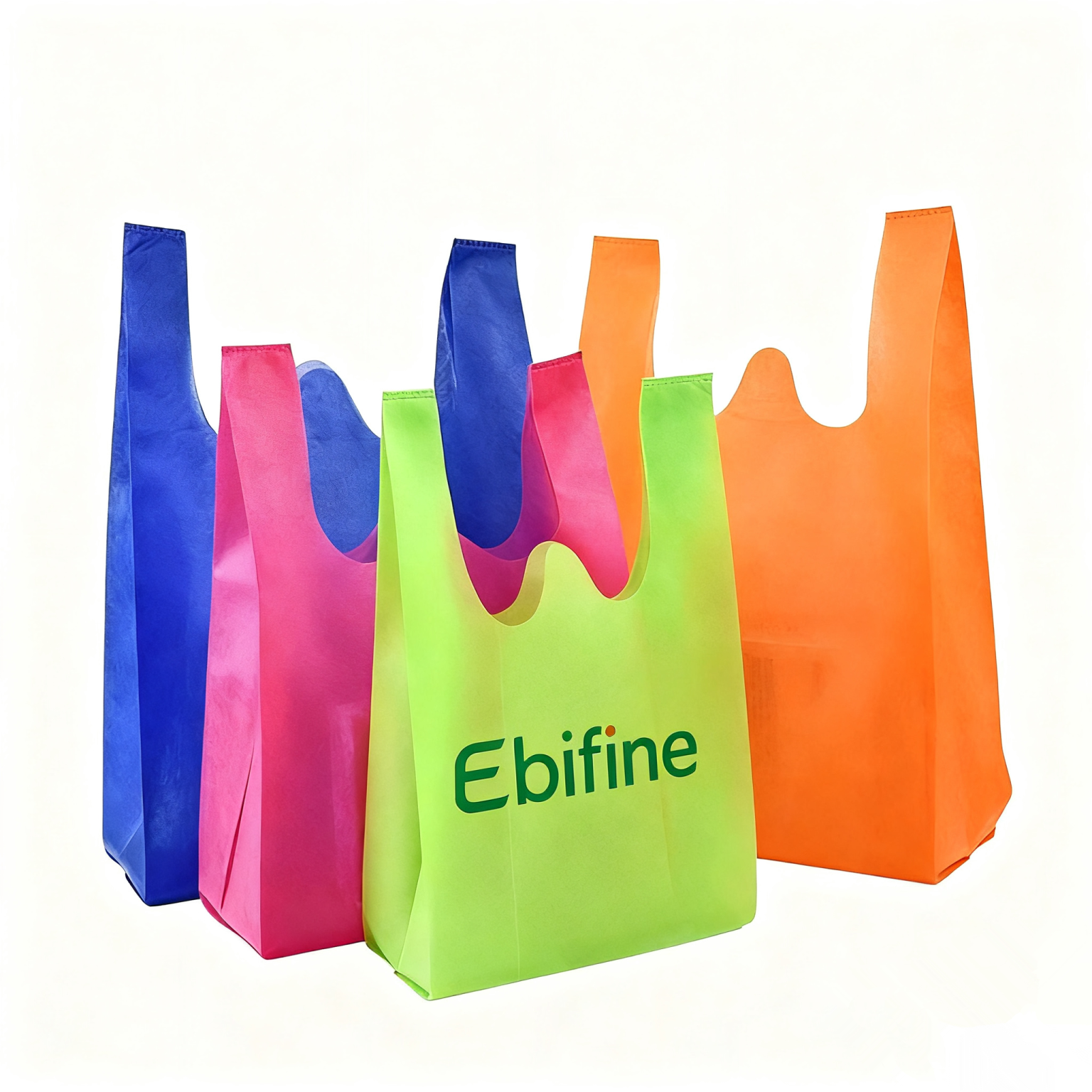
| Reusable non-woven bags | Can be designed for repeated use and larger retail presentation | Bulkier storage and different unit economics; actual reuse varies | Retail promotions, shopping and reusable carry applications |
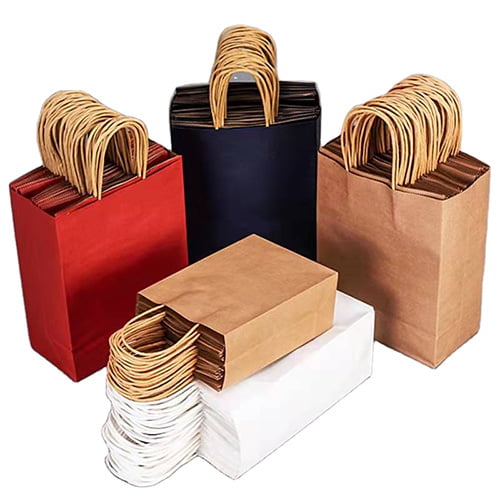
| Paper bags | Familiar retail appearance and easy branding options | May be less tolerant of moisture and can require more storage volume | Retail gifting, boutique shopping and brand presentation |
| Drawstring bags | Convenient closure and useful for certain promotional or product-kit applications | Not always suited to carrying heavy or rigid products | Promotional kits, accessories, garments and selected gift packaging |
| Protective shipping mailers | Can be designed for shipment closure and parcel handling | Need a construction suited to puncture, tampering and transit conditions | E-commerce shipments where a suitable mailer is required |
If your priority is reusable retail presentation, consider custom reusable shopping bags. For products needing a drawstring closure, compare custom drawstring bags. If the main objective is a branded paper retail experience, review the specifications for custom paper bags with logo.
The correct comparison should include performance, local compliance, storage, print requirements and total cost per use—not just the initial price per bag.
Pros and Cons of Buying LDPE Plastic Bags in Bulk
| Pros | Cons |
|---|---|
| Bulk quantities can reduce the unit cost for repeatable packaging needs. | Large orders tie up cash and may leave excess stock if demand changes. |
| LDPE offers flexibility and useful moisture resistance for suitable applications. | It is not automatically suitable for heavy loads, sharp products or regulated contact applications. |
| Custom sizes, handle styles and printing can support retail presentation. | Custom tooling or printing setup may raise the cost of small orders. |
| Standardized specifications can make repeat orders more consistent. | Without written tolerances and sample approval, repeat-order variation can be difficult to resolve. |
| Lightweight bags can be practical to store and distribute in appropriate formats. | Storage, freight, plastic-bag regulations and end-of-life considerations still need attention. |
Our recommendation: Buying LDPE plastic bags in bulk is worthwhile when your packaging needs are stable, the design has been tested and the order quantity matches realistic demand. It is less attractive when the product specification is still changing or the business is uncertain about future volume. Approve a sample first, then scale the order once quality and usage are proven.
Custom Plastic Bags from Ebifine: When a Branded Loop-Handle Bag Makes Sense
Ebifine offers custom packaging options for businesses that need retail bags designed around product presentation, branding and practical handling. A custom plastic loop-handle bag may be appropriate for fashion retailers, gift stores, cosmetics businesses, retail shops and promotional campaigns where a carry bag is part of the customer experience.
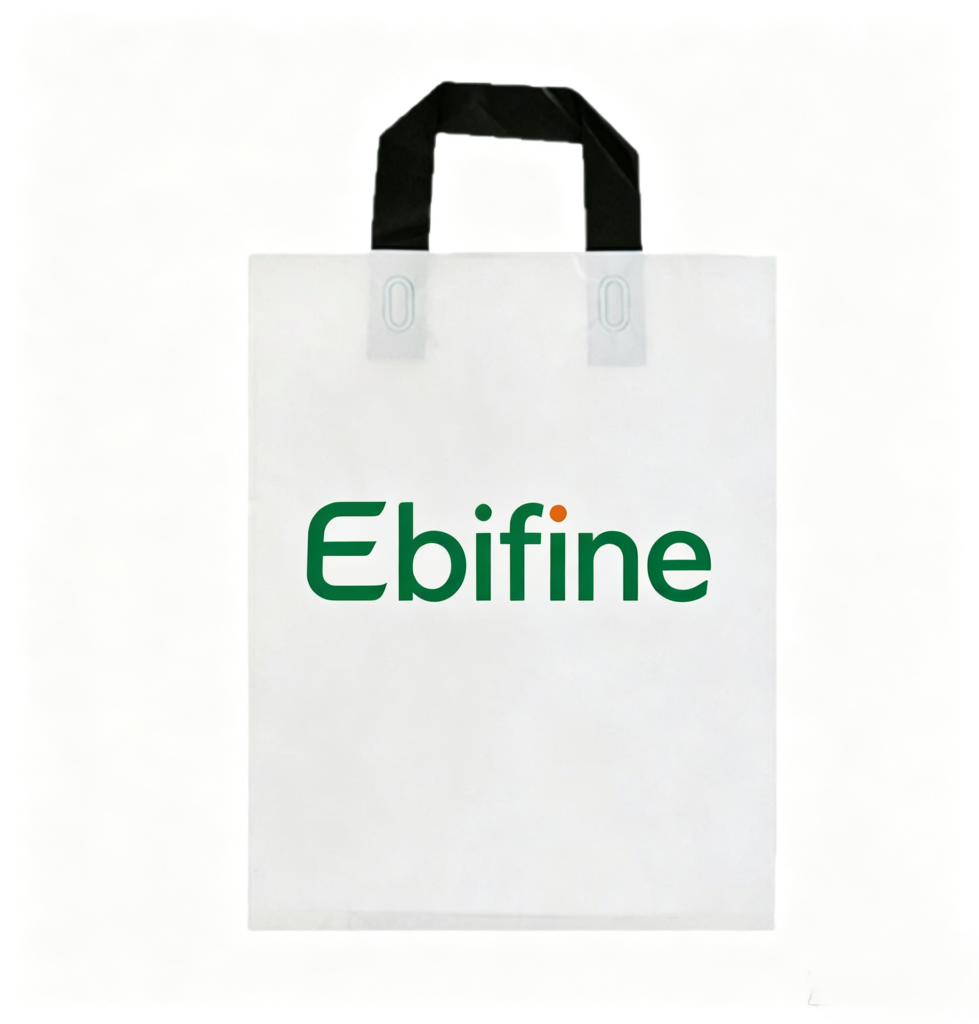
Custom Plastic Loop Handle Bag China Supplier
These bags are intended for retail, fashion, gift, cosmetic and promotional packaging. Customization can support brand presentation while the loop handle provides a familiar carry format for suitable retail products.
- Material: Plastic; confirm the exact resin and specification for your application.
- MOQ: 5,000 pieces.
- Lead time: 15–20 days, subject to final specification and order confirmation.
- Customization: Confirm available sizes, printing, colors and handle details with the supplier.
Before ordering, share the expected load, bag dimensions, preferred thickness, logo artwork and destination market. Ask for a representative sample and confirm whether the lead time refers to production only or includes delivery.
View Ebifine’s custom plastic loop-handle bag for product details and quotation discussions.
When to choose custom bags—and when not to
Custom bags are a good investment when packaging supports brand recognition, creates a more consistent retail experience or helps standardize multiple locations. For short-term internal use where branding is irrelevant, a standard bag may offer better value. For a new product, confirm the design and test the bag before committing to the minimum order.
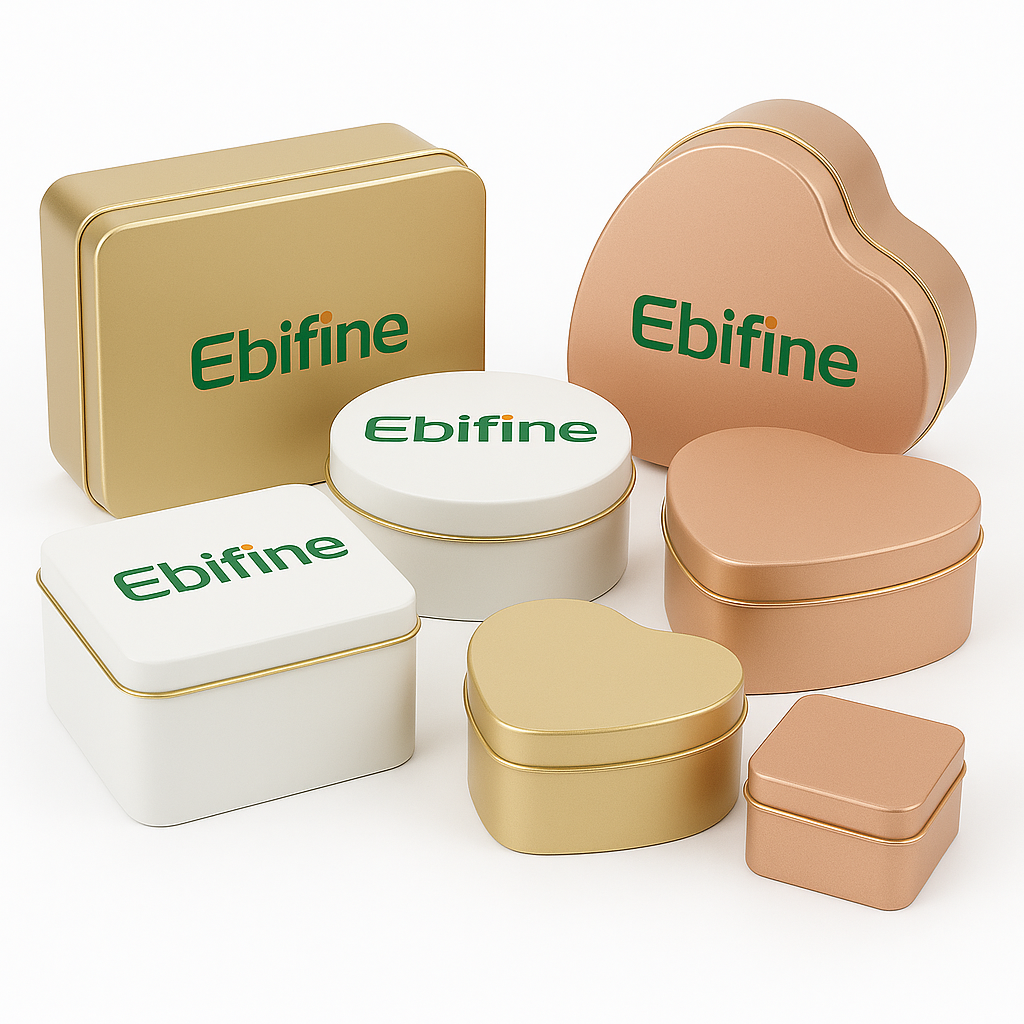
For buyers planning a broader packaging range, it can also be useful to compare bag requirements with other packaging formats such as metal tin packaging or custom aluminum packaging when the product itself needs a rigid primary or secondary package. These products serve different functions, so the selection should follow the protection and presentation requirements rather than a preference for one material.
Common Mistakes When Buying LDPE Plastic Bags in Bulk
Comparing price without comparing specifications
One quotation may use thinner film, a smaller bag or a different handle construction. Unless all suppliers quote the same specification, the prices do not represent an equal comparison.
Skipping sample approval
Photos cannot reliably demonstrate thickness, seal quality, handle strength or print consistency. Approve a physical sample before production and retain it as the reference standard for the order.
Ordering more than demand supports
A lower unit price can be outweighed by storage costs, damaged stock or obsolete branding. Forecast actual usage and account for seasonal changes before choosing the quantity.
Ignoring local restrictions
A bag that is acceptable in one market may be restricted in another. Verify local rules for bag type, thickness, labeling, fees and permitted use before the order is manufactured.
Leaving quality tolerances undefined
Terms such as “good quality” and “heavy duty” are not objective acceptance criteria. Specify dimensions, thickness, printing requirements and acceptable defects in the purchase order.
Failing to clarify the delivery schedule
Production lead time may not include artwork approval, sample revisions, freight or customs clearance. Confirm the full timeline and identify the date from which the supplier calculates production.
Frequently Asked Questions About Buying LDPE Plastic Bags in Bulk
What are LDPE plastic bags used for?
LDPE plastic bags are used in suitable retail, garment, product packaging, promotional and general-purpose applications. The right bag depends on the product’s weight, dimensions, handling conditions, material requirements and local regulations.
What should I check before buying LDPE plastic bags in bulk?
Check the application, resin specification, film thickness, dimensions, load capacity, handles, seals, printing, compliance, supplier quality controls, MOQ, lead time and total landed cost. Approve a representative sample before confirming a large order.
How do I choose the right thickness for an LDPE bag?
Start with the product weight, dimensions, edges and handling conditions. Ask the supplier to recommend a measurable thickness specification, define the unit and tolerance, and test the bag with a representative load. Thickness alone does not determine performance.
What is a typical MOQ for custom plastic bags?
MOQ varies with bag size, material, printing, setup costs and supplier production requirements. Ebifine lists an MOQ of 5,000 pieces for its custom plastic loop-handle bag. Confirm the MOQ for your exact design and whether it applies per size or artwork.
How long does it take to produce custom LDPE plastic bags?
Lead time depends on the design, quantity, material availability, artwork approval and production schedule. Ebifine lists a 15–20 day lead time for its custom plastic loop-handle bag. Confirm whether this covers manufacturing only or also includes shipping and delivery.
Are LDPE plastic bags waterproof?
LDPE film generally resists moisture, but the finished bag’s protection depends on the film, seams, closure and construction. A bag should not be assumed to be fully leakproof or suitable for liquid containment unless it has been designed and tested for that use.
Can LDPE bags be custom printed with a logo?
Many LDPE bag designs can be customized with printing. Confirm the available printing method, colors, print area, artwork requirements and setup charges. Approve a proof or physical sample before mass production to reduce the risk of incorrect branding.
Are LDPE plastic bags suitable for food packaging?
Only when the specific material and finished bag meet the requirements for the intended food-contact conditions and destination market. Request the relevant documentation and verify applicable regulations rather than relying on a generic claim that the material is food grade.
Is buying LDPE plastic bags in bulk cheaper?
Bulk orders can lower the unit price, especially for stable, repeatable designs. However, the full calculation should include printing setup, freight, duties, inspection, storage and the risk of unused stock. Compare cost per accepted bag rather than the factory unit price alone.
Should I choose LDPE bags or reusable shopping bags?
Choose based on the intended use, required lifetime, customer expectations, local regulations and total cost. LDPE bags may suit certain lightweight packaging needs, while purpose-designed reusable bags can be more appropriate for repeated shopping use. Avoid making environmental claims without evidence for the product and local disposal or reuse conditions.
References
- U.S. Food and Drug Administration — Packaging and Food Contact Substances. Official guidance and resources for evaluating substances used in food-contact applications in the United States.
- U.S. Federal Trade Commission — Guides for the Use of Environmental Marketing Claims. Guidance on substantiating environmental marketing claims, including claims related to recyclability and other environmental attributes.
- United Nations Environment Programme — Plastic Pollution. Background on plastic pollution and the wider policy and environmental context for decisions about plastic products and packaging.