The global tea market relies heavily on the structural integrity and barrier properties of its packaging. Loose-leaf teas, matcha powders, and delicate herbal blends are incredibly sensitive to environmental degradation. Exposure to ultraviolet light, oxygen, ambient moisture, and external odors can destroy the volatile aromatic compounds within tea leaves in a matter of days. For brand owners and procurement managers, selecting the best material for tea packaging is not merely an aesthetic choice; it is a fundamental requirement for product preservation and brand reputation.
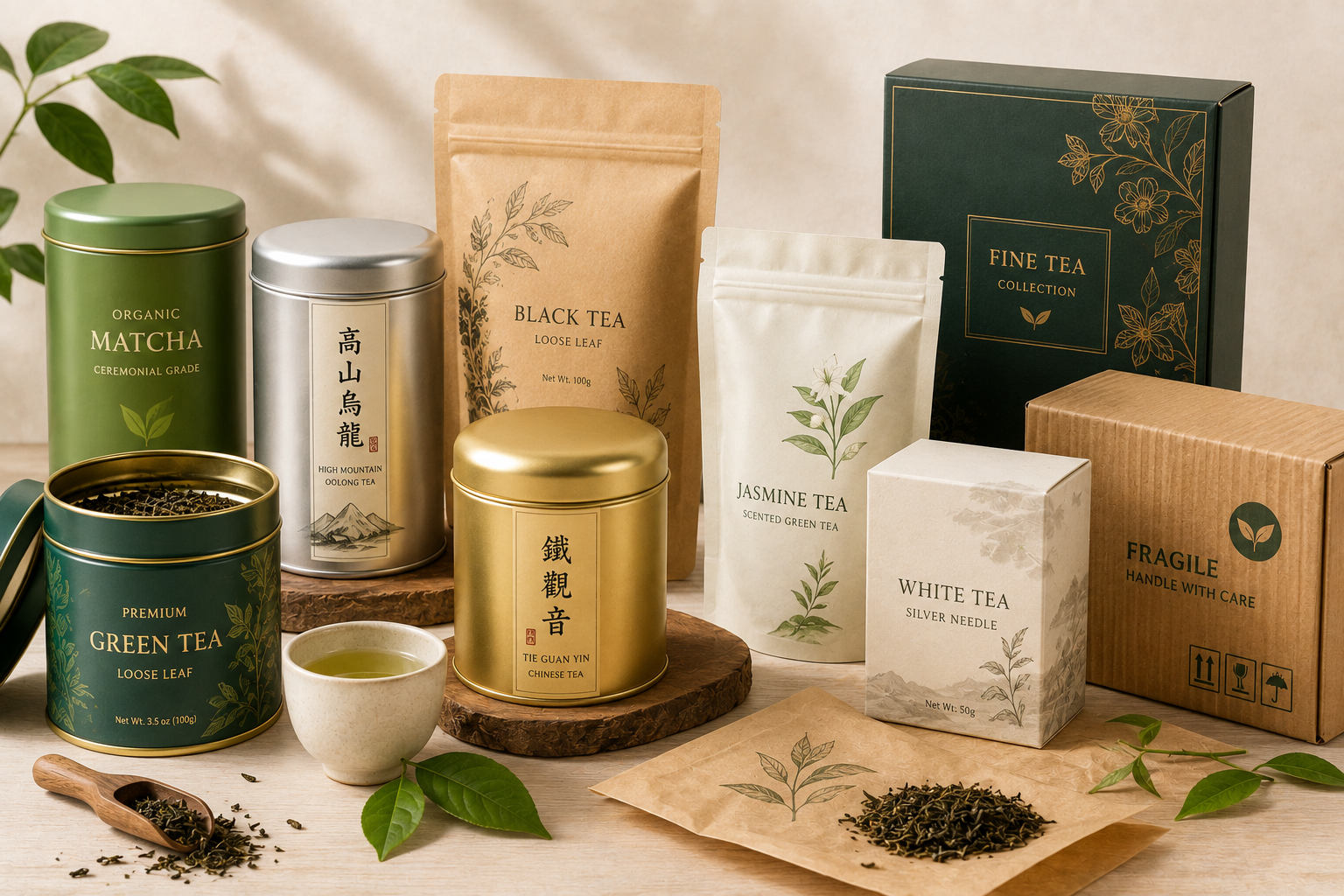 From our experience at Ebifine, formulating the ideal packaging strategy requires balancing protective barriers with visual merchandising appeal and supply chain logistics. Whether you are launching a premium organic oolong or a mass-market black tea, the substrate you choose dictates the shelf life and the consumer unboxing experience. We routinely consult with global beverage brands to engineer packaging solutions that prevent oxidation and flavor contamination while remaining cost-effective.
In this authoritative guide, we will analyze the technical properties, manufacturing benefits, and commercial applications of the 8 best material for tea packaging. We will detail the specific advantages of metals and specialized papers, empowering you to make data-driven decisions for your next production run.
From our experience at Ebifine, formulating the ideal packaging strategy requires balancing protective barriers with visual merchandising appeal and supply chain logistics. Whether you are launching a premium organic oolong or a mass-market black tea, the substrate you choose dictates the shelf life and the consumer unboxing experience. We routinely consult with global beverage brands to engineer packaging solutions that prevent oxidation and flavor contamination while remaining cost-effective.
In this authoritative guide, we will analyze the technical properties, manufacturing benefits, and commercial applications of the 8 best material for tea packaging. We will detail the specific advantages of metals and specialized papers, empowering you to make data-driven decisions for your next production run.
Summary Table: Comparing the Best Material for Tea Packaging
To assist in your procurement planning, we have compiled a technical comparison of the best material for tea packaging. This matrix evaluates each substrate based on its primary barrier properties and typical retail application.
| Packaging Material | Moisture/Oxygen Barrier | Light Barrier (UV) | Primary Retail Application |
|---|---|---|---|
| Tinplate / Tin | Excellent | 100% Block | Premium Loose-Leaf Tins, Matcha Containers |
| Aluminum | Excellent | 100% Block | Lightweight Travel Tins, Inner Foil Liners |
| Stainless Steel / Iron | Excellent | 100% Block | Luxury Reusable Canisters, High-End Gifting |
| Kraft Paper | Low (Requires Liner) | High | Organic, Eco-Friendly Stand-Up Pouches, Outer Boxes |
| Cardboard / Paperboard | Moderate | High | Rigid Magnetic Boxes, Structural Retail Packaging |
| Art Paper / Coated Paper | Moderate | High | Vibrant Branded Outer Sleeves, Folding Cartons |
| Wax Coated Paper | High | High | Traditional Wrapping, Internal Moisture Protection |
| Corrugated Board | Low | High | Bulk Shipping Cartons, Master Cases |
The Science of Tea Preservation
Before evaluating specific substrates, one must understand the biological vulnerabilities of Camellia sinensis. Tea leaves are hygroscopic, meaning they actively absorb moisture from the surrounding air. If the internal humidity of a tea package exceeds 6%, the leaves are susceptible to mold growth and rapid flavor degradation. Furthermore, lipid oxidation caused by oxygen exposure strips the tea of its vibrant colors and delicate tasting notes. Therefore, the best material for tea packaging must possess a negligible Moisture Vapor Transmission Rate (MVTR) and Oxygen Transmission Rate (OTR). We recommend a multi-layered approach for optimal freshness. Often, the most successful brands utilize a robust outer structural material—such as a rigid metal tin or a thick paperboard box—paired with an airtight inner seal. This dual-layer strategy ensures structural protection during global transit while isolating the product from atmospheric threats.
Tinplate and Tin
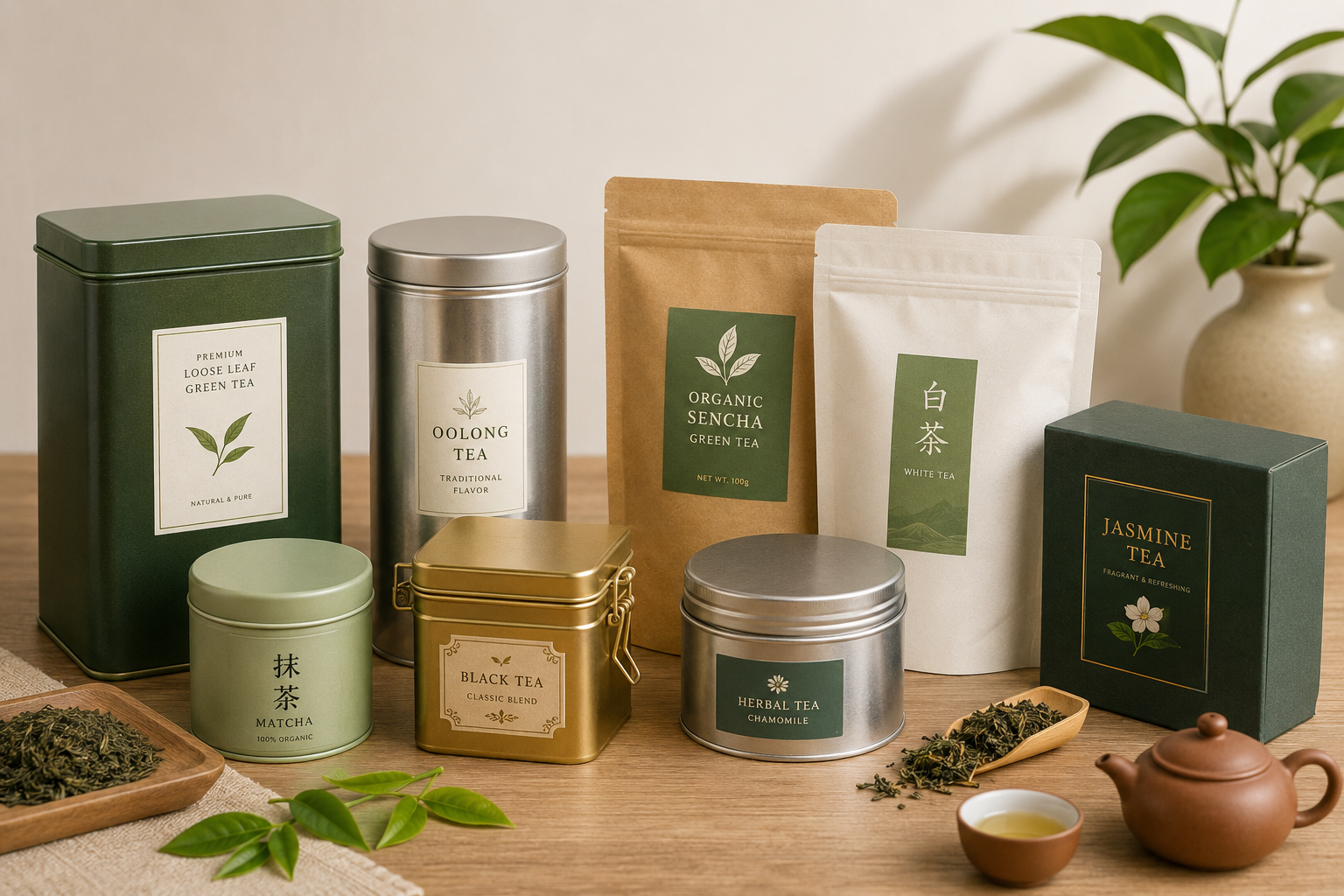 When assessing the absolute best material for tea packaging, tinplate consistently ranks at the top for premium loose-leaf products. Tinplate is composed of cold-rolled steel coated with a microscopic layer of tin, providing exceptional structural rigidity alongside formidable rust resistance. It offers a complete, 100% barrier against ultraviolet light, oxygen, and ambient moisture.
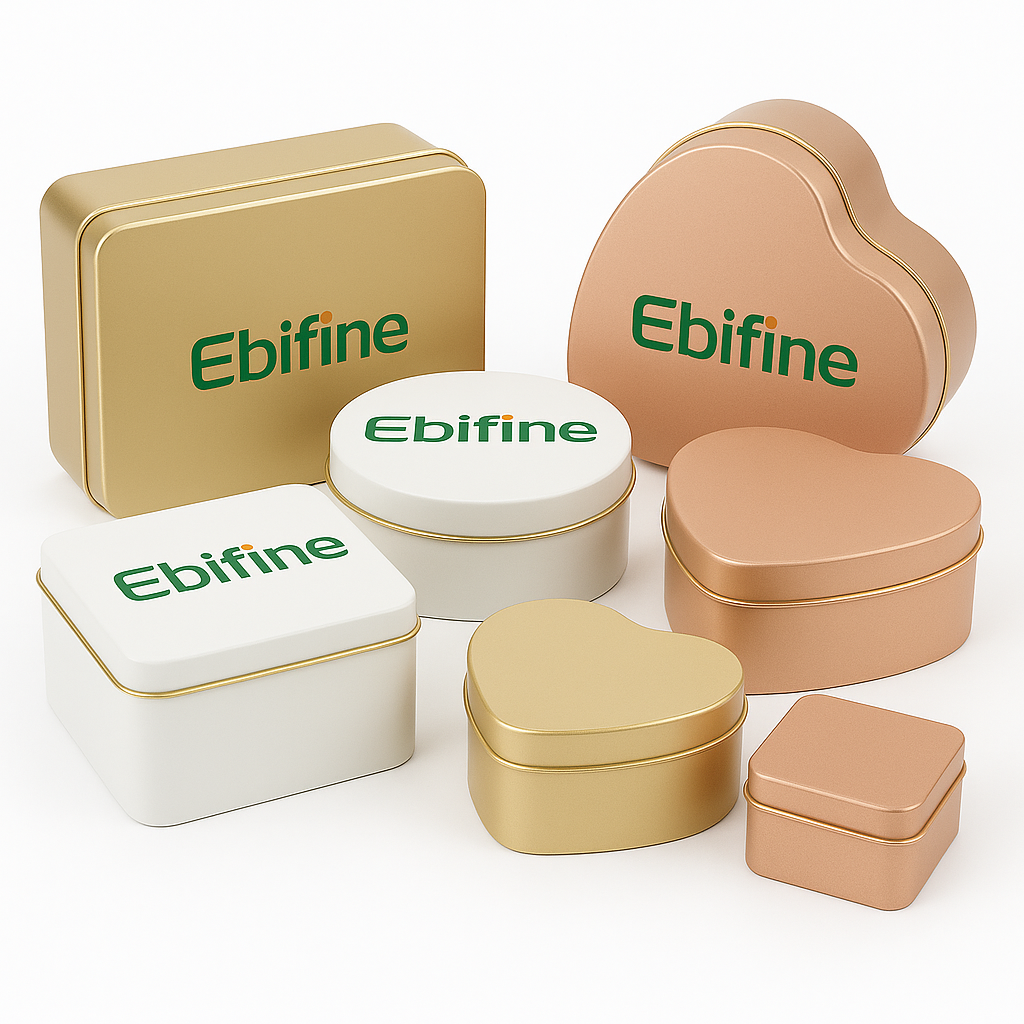
From our experience engineering metal containers, tinplate accepts lithographic offset printing beautifully, allowing for high-definition branding and embossed textures that signal luxury to the consumer. For brands looking to scale, we provide the Ebifine Metal Box China Wholesale for tea packaging. We maintain a variety of stock sizes ready for customization, boasting a highly accessible Minimum Order Quantity (MOQ) of just 100 pieces for stock sizes with a printed logo. This allows emerging brands to utilize professional-grade tinplate without massive upfront capital expenditure.
When assessing the absolute best material for tea packaging, tinplate consistently ranks at the top for premium loose-leaf products. Tinplate is composed of cold-rolled steel coated with a microscopic layer of tin, providing exceptional structural rigidity alongside formidable rust resistance. It offers a complete, 100% barrier against ultraviolet light, oxygen, and ambient moisture.
From our experience engineering metal containers, tinplate accepts lithographic offset printing beautifully, allowing for high-definition branding and embossed textures that signal luxury to the consumer. For brands looking to scale, we provide the Ebifine Metal Box China Wholesale for tea packaging. We maintain a variety of stock sizes ready for customization, boasting a highly accessible Minimum Order Quantity (MOQ) of just 100 pieces for stock sizes with a printed logo. This allows emerging brands to utilize professional-grade tinplate without massive upfront capital expenditure.
Aluminum
Aluminum shares many of the protective qualities of tinplate but offers a significantly lower specific weight. This makes it an ideal best material for tea packaging when shipping logistics and freight weight are primary concerns. Aluminum is naturally corrosion-resistant, meaning it will not rust even in highly humid climates or maritime shipping routes. We frequently recommend aluminum for seamlessly drawn tins or as the primary barrier layer in multi-layer flexible pouches. Because it is highly malleable, it can be formed into intricate shapes. Within our metal manufacturing facilities, we process aluminum into sleek, airtight canisters that provide a modern, minimalist aesthetic for specialty tea brands.
Stainless Steel and Iron
For ultra-luxury segments and limited-edition holiday releases, heavy-duty metals like stainless steel and iron represent the pinnacle of durable packaging. While heavier and more costly than tinplate, these materials offer an unmatched tactile experience. When a consumer picks up a thick-walled stainless steel canister, the weight immediately communicates high intrinsic value. We recommend these materials for brands emphasizing sustainability through reusability. A finely crafted iron or stainless steel tea caddy is rarely discarded; it becomes a permanent fixture in the consumer's kitchen, serving as a long-term billboard for your brand. Our customized metal box production lines are fully equipped to manipulate these rigid metals into bespoke tea packaging solutions.
Kraft Paper
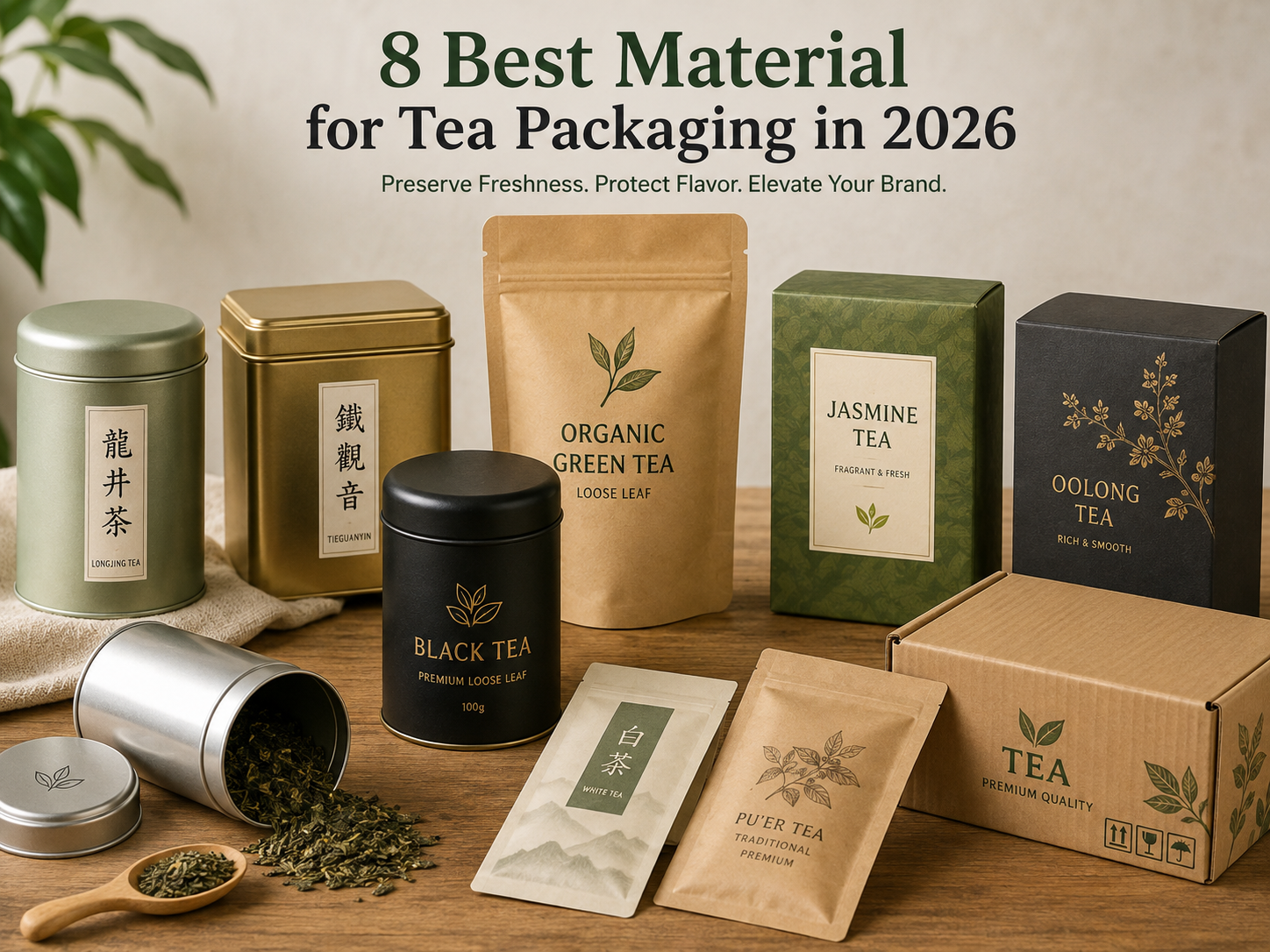 In the contemporary retail landscape, consumer demand for sustainable and eco-friendly aesthetics is paramount. Kraft paper is widely considered the best material for tea packaging for brands targeting the organic, natural, or artisanal demographics. Its unbleached, textured surface provides a rustic visual appeal that resonates heavily with health-conscious buyers.
However, raw kraft paper is highly porous. To make it viable for tea, it must be laminated with an internal food-grade barrier (such as a thin foil or bioplastic liner) to protect the leaves from oxygen and moisture. At Ebifine, we expertly integrate Kraft paper into our Ebifine Paper Box China Wholesale for tea packaging line, ensuring you receive the rustic aesthetic without compromising the freshness of your product.
In the contemporary retail landscape, consumer demand for sustainable and eco-friendly aesthetics is paramount. Kraft paper is widely considered the best material for tea packaging for brands targeting the organic, natural, or artisanal demographics. Its unbleached, textured surface provides a rustic visual appeal that resonates heavily with health-conscious buyers.
However, raw kraft paper is highly porous. To make it viable for tea, it must be laminated with an internal food-grade barrier (such as a thin foil or bioplastic liner) to protect the leaves from oxygen and moisture. At Ebifine, we expertly integrate Kraft paper into our Ebifine Paper Box China Wholesale for tea packaging line, ensuring you receive the rustic aesthetic without compromising the freshness of your product.
Cardboard and Paperboard
When structural integrity and highly structured unboxing experiences are required, cardboard and paperboard are indispensable. These materials are the foundation of premium folding cartons and luxury presentation boxes. Paperboard provides a smooth, rigid surface that protects delicate tea bags or vacuum-sealed pouches from crushing during transit. We recommend utilizing heavy-duty cardboard to construct rigid magnetic closure boxes. A magnetic box elevates the perceived value of the tea, transforming a simple purchase into a premium gifting experience. Our wholesale paper box capabilities allow you to customize your own logo, color, and size, with a minimum order of just 50 pieces for stock sizes and 100 pieces for fully customized dimensions.
Art Paper and Coated Paper
For brands that rely on vivid imagery, complex illustrations, or metallic foil stamping, art paper and coated paper are the definitive choices. These materials are treated with a clay or polymer coating that prevents ink from absorbing deeply into the paper fibers. The result is razor-sharp print clarity and vibrant color saturation. As the best material for tea packaging when visual merchandising is the top priority, coated papers are typically wrapped around a rigid cardboard core to create a luxurious outer shell. Whether you require a high-gloss finish to catch retail lighting or a soft-touch matte lamination for a sophisticated feel, our facility processes these materials with exacting precision.
Wax Coated Paper
Wax coated paper represents a traditional, highly effective method for moisture control. By treating standard paper with a micro-layer of food-grade wax, the substrate becomes highly resistant to water vapor and grease. Historically, this was the standard method for wrapping compressed tea bricks and premium loose-leaf batches. Today, we recommend wax coated paper for internal wrapping or for brands seeking a vintage, apothecary-style aesthetic. It provides an excellent secondary barrier inside a larger metal tin or paperboard box, ensuring the tea leaves remain shielded from humidity even after the primary seal is broken by the consumer.
Corrugated Board
While rarely used for direct food contact, corrugated board is an absolute necessity in the tea packaging ecosystem. It is the best material for tea packaging when calculating the logistics of master cartons and direct-to-consumer shipping boxes. The fluted internal layer of corrugated board acts as a shock absorber, preventing dented tins or crushed paperboard boxes during harsh freight handling. We recommend customizing your corrugated shipping boxes to extend your brand identity from the warehouse to the customer's doorstep. Incorporating corrugated board into your procurement strategy ensures that the delicate, high-barrier inner packaging arrives at the retail shelf in pristine condition.
Ebifine Wholesale Manufacturing Solutions
Selecting the best material for tea packaging is only the first step; executing the manufacturing flawlessly requires a trusted industrial partner. At Ebifine, we eliminate the friction from global supply chains by providing comprehensive wholesale solutions for both metal and paper substrates. For metallic requirements, our Ebifine Metal Box capabilities cover Tinplate, Stainless Steel, Iron, Tin, and Aluminum. We allow complete customization of size and color, ensuring your tin perfectly houses your specific tea volume. For paper-based needs, the Ebifine Paper Box division handles Coated Paper, Paperboard, Wax Coated Paper, Cardboard, Corrugated Board, Kraft Paper, and Art Paper. Whether you require a standard folding carton or a luxury magnetic closure box, our low MOQs (50 pieces for stock, 100 for custom) empower brands of all sizes to access world-class packaging infrastructure.
Frequently Asked Questions (FAQs)
Why is tinplate considered the best material for tea packaging over standard plastics?
Tinplate provides a 100% absolute barrier against oxygen, moisture, and UV light, whereas many standard plastics are semi-permeable over time. Additionally, tinplate is infinitely recyclable and provides a premium, rigid structure that protects delicate tea leaves from physical crushing during transit.
Can I print my custom artwork directly onto Ebifine's metal and paper boxes?
Yes. From our experience, custom branding is critical for retail success. We offer advanced lithographic printing on all our metal boxes and vibrant offset printing on our paperboard, art paper, and kraft paper options. You can fully customize your logo, color, and size.
Is kraft paper safe for direct contact with loose-leaf tea?
Raw kraft paper is too porous to maintain tea freshness on its own. We recommend utilizing our kraft paper boxes constructed with an internal food-grade barrier liner (such as foil or wax coating) to ensure the tea remains protected from atmospheric moisture and oxygen.
What is a magnetic box, and why should a tea brand use it?
A magnetic box is a rigid paperboard structure featuring concealed magnets in the flap for a satisfying, secure closure. We highly recommend this format for premium tea collections and gift sets, as it elevates the unboxing experience and encourages consumers to keep and reuse the packaging.
Industry References
- Global Packaging Institute. "Barrier Properties of Metal and Cellulose Substrates in Dry Food Preservation." Annual Packaging Review, 2025.
- International Tea Board. "Guidelines on Moisture Vapor Transmission Rates (MVTR) for Camellia Sinensis Longevity." 2024.
- Ebifine Manufacturing Archives. "Optimizing Production Runs: Material Selection and Minimum Order Quantities for Boutique Beverage Brands." Internal Engineering Report, 2026.