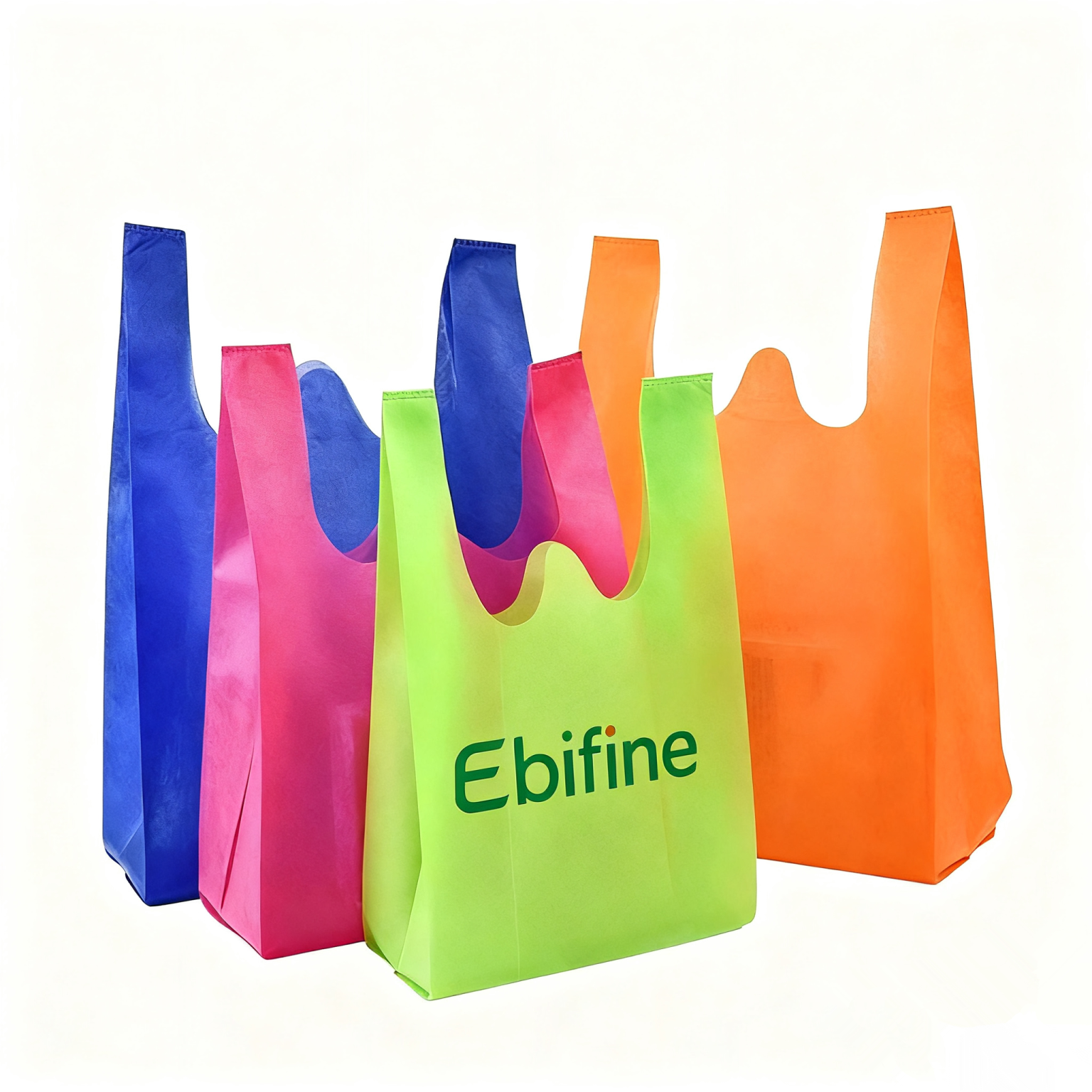
However, not every laminated non woven bag is worth buying. Fabric weight, lamination quality, handle construction, print coverage, bag dimensions, and the intended load all affect performance. A low-cost bag that tears at the handle or delaminates after repeated use can damage the brand impression it was meant to create.
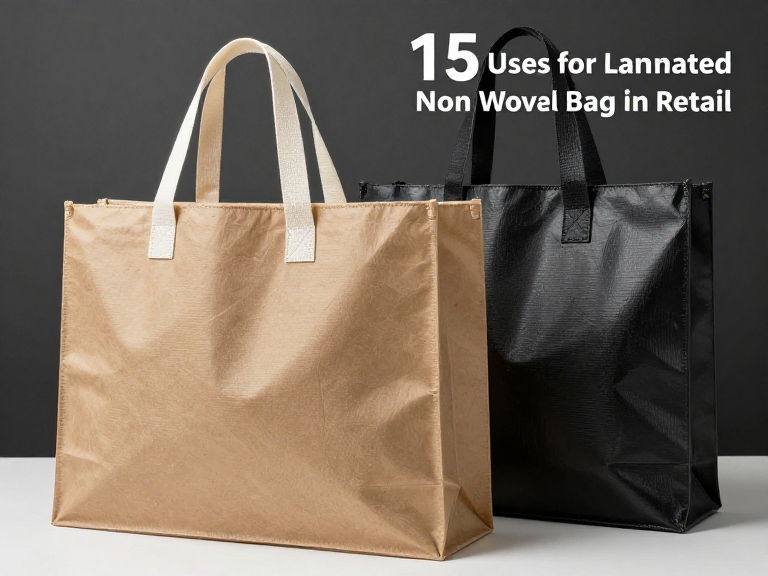
Quick Answer: What Are the Best Uses for Laminated Non Woven Bags?
The best uses for laminated non woven bags include retail shopping, grocery shopping, promotional giveaways, trade shows, product launches, apparel packaging, gift packaging, cosmetics, bookstore purchases, farmers’ markets, corporate events, subscription kits, restaurant takeaway accessories, seasonal campaigns, and reusable branded merchandise.
They are especially worthwhile when a business needs a reusable bag with a large printable area and a more finished look than a basic non woven tote. Choose the bag according to its actual load, moisture exposure, expected reuse, and printing requirements. Lamination can improve surface performance, but it does not automatically make a bag waterproof, recyclable in every local system, or suitable for heavy loads.
| Use Case | Best Bag Feature | Business Benefit | Key Buying Check |
|---|---|---|---|
| 1. Retail shopping | Full-color printed laminated surface | Extends brand visibility after purchase | Handle strength and bag dimensions |
| 2. Grocery shopping | Reinforced handles and suitable capacity | Supports repeat shopping trips | Realistic load and seam testing |
| 3. Promotional giveaways | Large printable area | Turns event merchandise into a useful item | Cost per usable bag |
| 4. Trade shows | Lightweight construction | Helps attendees carry brochures and samples | Handle comfort and gusset size |
| 5. Product launches | Custom graphics and brand colors | Creates a coordinated launch package | Color consistency and print proof |
| 6. Apparel retail | Wide base and clean print finish | Packages clothing attractively | Fit for folded garments |
| 7. Gift packaging | Glossy or matte laminated finish | Improves perceived presentation | Handle style and decoration quality |
| 8. Cosmetics and beauty | Compact size and detailed graphics | Supports premium-looking product bundles | Product protection and cleanability |
| 9. Bookstores | Reinforced bottom and practical width | Offers repeat-use carrying capacity | Weight of multiple books |
| 10. Farmers’ markets | Wipeable laminated exterior | Convenient for dry packaged goods | Food-contact suitability where relevant |
| 11. Corporate events | Logo printing and consistent color | Creates unified event merchandise | Artwork approval and delivery timing |
| 12. Subscription kits | Custom size and gusset | Combines packaging and promotional value | Product fit and packing efficiency |
| 13. Restaurant promotions | Easy-to-clean exterior | Supports campaigns and merchandise | Separation from direct food-contact use |
| 14. Seasonal campaigns | Flexible seasonal artwork | Creates limited-edition branded merchandise | Order quantities and remaining inventory |
| 15. Reusable branded merchandise | Durable construction and recognizable logo | Keeps the brand visible beyond the campaign | Expected reuse and product lifespan |
What Are Laminated Non Woven Bags and How Do They Work?
A laminated non woven bag is commonly made from non woven polypropylene fabric that has a thin plastic film laminated to one or both sides. The fabric provides the bag’s body, while the laminated surface creates a smoother finish suitable for printed graphics and can improve resistance to surface moisture and dirt, depending on the construction.
Non woven fabric is formed by bonding fibers rather than weaving conventional yarns together. In shopping bags, polypropylene is widely used because it can be produced in different weights and colors. Lamination adds another material layer, which can help produce sharper-looking printed designs and a more structured appearance than some unlaminated alternatives.
Construction still matters. The bag’s performance depends on the fabric weight, film type and thickness, lamination adhesion, stitching or heat sealing, handle attachment, and reinforcement. Two bags that look similar in a product photograph can behave very differently when filled with groceries or repeatedly carried by customers.
What lamination does—and does not—provide
- Print presentation: A smoother surface can support prominent logos, photographs, gradients, and detailed campaign artwork, subject to the chosen printing process.
- Surface protection: The film may make the bag easier to wipe clean and more resistant to light splashes.
- Structure: Lamination can make the bag feel firmer and help it hold its shape.
- Limitations: Lamination does not guarantee waterproof seams, tear resistance, food-contact compliance, UV resistance, or recyclability in a specific municipal system.
For commercial buyers, the correct question is not whether lamination is inherently better. It is whether the extra surface finish and presentation value justify the material cost for the intended application.
Uses 1–3: Retail Shopping, Grocery Shopping, and Promotional Giveaways
1. Retail shopping bags for stores and boutiques
Retail shopping is one of the clearest applications for laminated non woven bags. Fashion boutiques, gift stores, homeware retailers, and lifestyle brands can use them to carry purchases while keeping the brand visible after customers leave the store.
The main commercial advantage is the combination of carrying function and branded presentation. A large print area can accommodate a logo, campaign message, website, or distinctive artwork. Customers may continue to use the bag for shopping or everyday carrying, giving the brand additional exposure.
For boutiques, we recommend choosing dimensions around the products customers actually buy. A narrow bag may suit clothing or accessories, while a wide gusset is more practical for boxed products. Check handle length as well: shoulder-length handles may be convenient for some purchases, while short handles can be easier to control at a counter.
2. Grocery shopping and reusable shopping programs
Laminated non woven bags can work for routine grocery shopping when their size, seams, and handles are designed for the expected load. The laminated exterior can be convenient for wiping away minor surface dirt, but it does not make the bag a substitute for hygienic food packaging.
For supermarkets and grocery brands, load testing is more important than simply specifying a large bag. Bottles, cans, and packaged foods create concentrated loads that may stress the handle attachments and bottom seams. Ask the supplier to test representative bags with realistic products and handling conditions.
If the program emphasizes repeated use, compare laminated bags with unlaminated reusable bags. Lamination can improve appearance and surface cleanability, but it may complicate recycling and does not automatically improve the useful lifespan. A practical reusable bag must be easy to carry, robust enough for its intended load, and likely to be reused.
Retailers comparing styles can also consider reusable non woven grocery bags for applications where a simpler bag structure may be more economical.
3. Promotional giveaways and customer acquisition campaigns
A branded bag can be a more useful promotional item than a disposable flyer because it has a practical purpose after an event or purchase. Laminated non woven bags are particularly suitable when the campaign depends on colorful artwork, a strong logo, or a polished appearance.
However, promotional value depends on whether recipients actually keep and reuse the bag. An oversized design that is inconvenient to carry, a weak handle, or an advertisement that feels excessive can reduce its usefulness. Choose a design customers would willingly carry in public.
For a large giveaway, calculate the cost per usable bag rather than the lowest unit price. A modest increase in material quality may be worthwhile if it reduces handle failures and improves the likelihood of repeat use.
Uses 4–6: Trade Shows, Product Launches, and Apparel Packaging
4. Trade show and exhibition bags
Trade shows are a natural fit for laminated non woven bags because attendees often need to carry brochures, product samples, catalogs, and small promotional items. A lightweight bag with a broad base can accommodate several materials without adding unnecessary bulk.
For exhibitors, the bag should be designed around the contents, not the other way around. Estimate the combined weight of printed materials and samples, check the gusset depth, and confirm that the handles are comfortable when the bag is full. If the bag will carry rigid product samples, reinforce the bottom or choose a construction suited to that load.
Artwork should remain readable at a distance. Use a clear logo and concise message instead of filling every available area with text. For trade show orders, allow time for sample approval, production, quality inspection, and shipment before the event date.
5. Product launches and branded campaign kits
For a new product launch, packaging is part of the first impression. A laminated non woven bag can coordinate the visual identity across a product sample, printed insert, gift item, and event display. It is particularly useful when the campaign calls for custom colors or full-surface graphics.
Ask the manufacturer for a print proof or production sample before approving a large order. Brand colors can look different depending on the printing process, surface finish, lighting, and material. Check logo placement, color consistency, edge alignment, and the appearance of the final laminated surface.
For campaigns that combine different packaging types, coordinate the bag with matching printing and finishing services. Consistent artwork across packaging materials creates a more cohesive brand experience than treating every component as a separate purchase.
6. Apparel and fashion retail packaging
Clothing stores can use laminated non woven bags for folded shirts, knitwear, accessories, and other retail purchases. The structured shape can support a neat presentation, while the printed exterior helps carry the store’s visual identity beyond the checkout.
Choose dimensions according to the folded garments and their packaging. A bag that is too shallow may bulge, while a bag that is unnecessarily large wastes material and can make the purchase awkward to carry. For premium clothing, the finish and handle construction should be consistent with the price point of the product.
Laminated non woven bags are not necessarily the best choice for every apparel shipment. For protective, transparent, or moisture-conscious inner packaging, a separate bag may be more appropriate. Ebifine’s frosted drawstring bags may be worth evaluating for apparel presentation or organizing items inside a larger retail package, depending on the required material and closure.
Uses 7–9: Gift Packaging, Cosmetics, and Bookstores
7. Gift bags for holidays and special occasions
Laminated non woven bags can replace some conventional gift bags when buyers want a reusable format with a more durable feel. They can be customized for holiday promotions, anniversary events, store openings, and corporate gifting.
The finish should match the gift. A restrained design and coordinated color palette may work better for a premium gift than an oversized logo. For heavier gift boxes, focus on the bag’s dimensions, base reinforcement, and handle attachment. Attractive printing cannot compensate for a bag that distorts under load.
For limited-edition campaigns, confirm minimum order quantities and production lead times before committing to seasonal artwork. Bags left over after the event may become obsolete, so forecast demand carefully.
8. Cosmetics, beauty retail, and personal-care gift sets
Beauty brands often need packaging that looks clean, photographs well, and can carry coordinated campaign graphics. Laminated non woven bags can serve as checkout bags, launch-event packaging, or outer carriers for skincare and cosmetic gift sets.
Choose the size according to the shape of the boxes and bottles inside. Sharp corners and heavy glass containers can create concentrated stress, so test the bottom and handles with a realistic gift set. If the bag will be reused, customers should be able to wipe the exterior without damaging the print under normal care conditions.
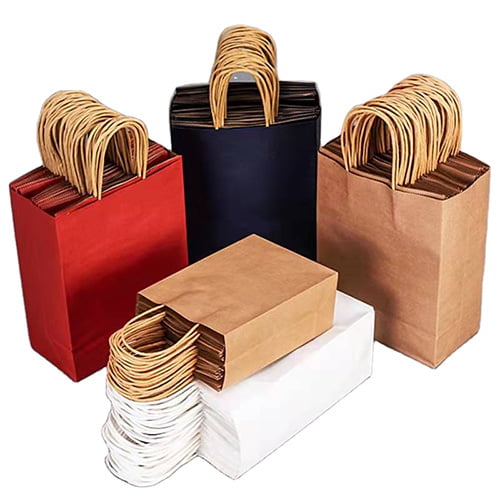
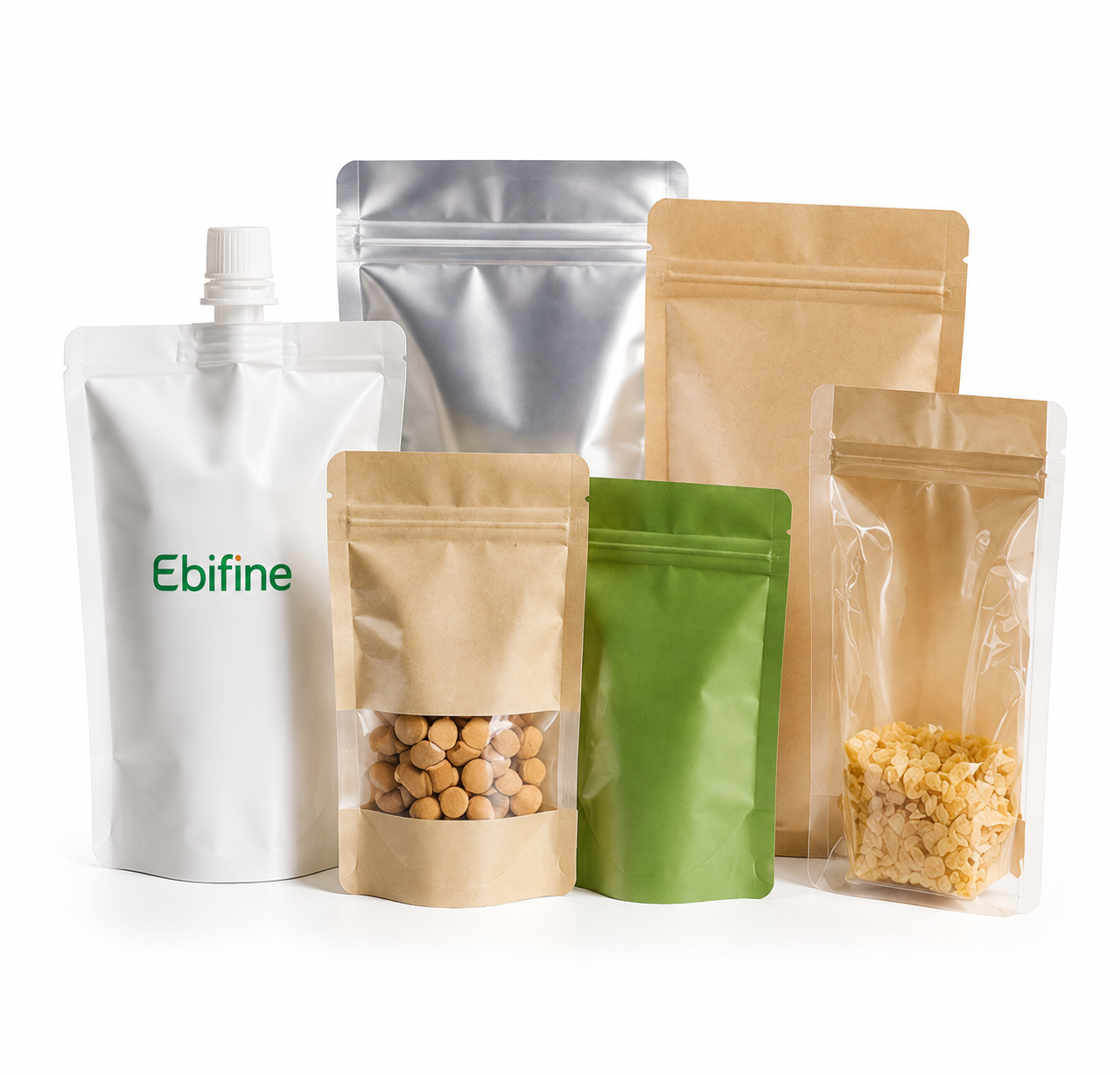
For smaller products that require a secure closure or a more compact retail presentation, a bag is not always the right primary package. Consider a suitable kraft paper packaging option or a custom stand-up pouch where the product format and protection requirements support that choice.
9. Bookstores, stationery shops, and educational retail
Books and stationery make good use cases for reusable bags because purchases can vary widely in size and weight. A laminated bag can carry a bookstore’s identity while helping customers transport several books or notebooks.
Do not size the bag only around a single paperback. Consider heavier hardcovers, multiple notebooks, and the possibility that customers will carry the bag for several blocks. Reinforced handles and a base designed for the load are more important than decorative finish alone.
For bookstores running membership promotions or reading campaigns, a simple, memorable graphic can make the bag feel like merchandise rather than packaging that customers are expected to discard.
Uses 10–12: Farmers’ Markets, Corporate Events, and Subscription Kits
10. Farmers’ markets and specialty food retail
Market stalls selling packaged tea, dry snacks, jars, crafts, or other retail goods can use laminated non woven bags as branded carriers. The surface may be easier to wipe than untreated fabric, which can be helpful when bags are handled throughout a busy market day.
There is an important distinction between carrying food and packaging food directly. A shopping bag should not be assumed suitable for direct food contact simply because it is used by a food business. If food will touch the bag, verify the applicable material and compliance requirements for that use. Keep ready-to-eat food protected in suitable primary packaging.
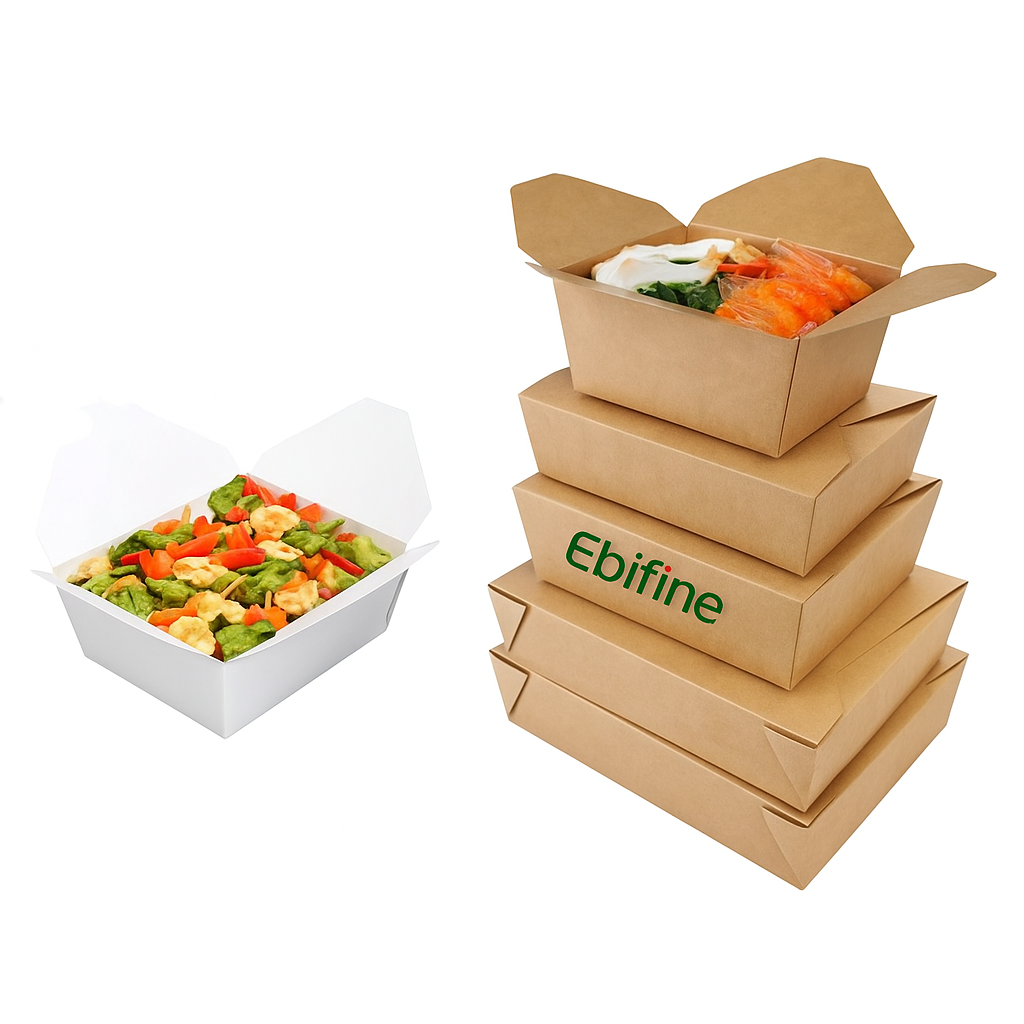
For brands with a broader product range, coordinate the bag with appropriate food packaging solutions. The carrier bag and the packaging that directly protects the food perform different jobs and should be specified separately.
11. Corporate events, conferences, and employee welcome kits
Companies can use laminated non woven bags for conferences, training events, onboarding kits, and customer appreciation programs. The bag can carry notebooks, event schedules, gifts, and branded merchandise, keeping the kit organized while displaying the company identity.
For business-to-business orders, consistency and delivery timing are often more important than adding elaborate design features. Confirm artwork approval dates, bag dimensions, print placement, quantity tolerances, packaging method, and delivery deadlines in writing.
When the kit includes small products with labels or different variants, coordinated roll labels can help identify contents and keep the overall presentation consistent.
12. Subscription boxes, promotional kits, and product bundles
A laminated non woven bag can serve as an additional reusable component in a subscription or promotional kit. It may hold several products together for in-person distribution, membership campaigns, or retail bundles.
For fulfillment operations, check whether the bag fits the shipping carton efficiently and whether its shape protects the contents. The bag itself is not a replacement for protective packaging when products are fragile, leak-prone, or vulnerable to impact. Use appropriate inner protection and secure the contents during transport.
To improve packing efficiency, standardize a small range of bag sizes rather than custom-developing a new size for every campaign. Fewer size variations can simplify inventory, storage, and staff training, provided the selected sizes still fit the actual product bundles.
Uses 13–15: Restaurant Promotions, Seasonal Campaigns, and Reusable Merchandise
13. Restaurant, café, and takeaway promotions
Restaurants and cafés can use laminated non woven bags for branded merchandise, loyalty gifts, packaged retail products, or special promotional bundles. A café selling mugs, coffee accessories, or packaged beans may use a bag that customers can reuse after the purchase.
For takeaway orders, the bag must be appropriate for the actual contents and transport conditions. Hot containers, condensation, grease, and spills can create requirements that a standard laminated bag may not meet. Keep food in suitable primary packaging and evaluate the carrier separately. A laminated surface is not a substitute for a certified food-contact material where such compliance is required.
Restaurant operators should also consider how the bag fits into the brand’s broader packaging system. Matching bags with suitable eco friendly packaging options may create a more consistent presentation, but environmental claims should be supported by material specifications and realistic end-of-life information.
14. Seasonal promotions and limited-edition collections
Seasonal designs can make reusable bags relevant to a specific campaign: holiday shopping, summer events, back-to-school promotions, or a store anniversary. Lamination supports vivid graphics and a finished appearance that can help a limited-edition bag stand out.
The main risk is overordering. Seasonal artwork has a shorter selling window than a permanent logo design, and leftover bags can tie up cash and warehouse space. Forecast demand from past sales, event attendance, and confirmed distribution quantities before placing the order.
For businesses that run frequent campaigns, a practical approach is to keep the main bag design evergreen and reserve a smaller printed area or insert for seasonal messaging. That can reduce obsolete inventory while still allowing the promotion to feel current.
15. Reusable branded merchandise for long-term visibility
Branded merchandise is most effective when customers have a reason to use it repeatedly. A well-proportioned laminated non woven bag can become a shopping carrier, organizer, or everyday tote, depending on its size and construction. That continued use is what gives the bag promotional value beyond the original transaction.
We recommend designing for usefulness first: comfortable handles, an appropriate capacity, a practical shape, and graphics that remain attractive after the campaign. A bag covered entirely in promotional copy may be less likely to be reused than one with a clean, recognizable brand mark.
Do not claim a bag is environmentally superior solely because it is reusable. Its actual impact depends on materials, manufacturing, transport, service life, reuse frequency, and end-of-life options. If sustainability is central to the campaign, define the claim precisely and substantiate it with relevant evidence.
Laminated Non Woven Bags vs. Other Packaging Options
There is no single bag material that is best for every retail application. Laminated non woven bags are strongest when printed presentation and reuse are important, but simpler alternatives can be better for short-term use, lower budgets, or specific product-protection needs.
| Packaging Type | Best For | Advantages | Limitations | Buying Recommendation |
|---|---|---|---|---|
| Laminated non woven bag | Retail, promotions, event merchandise | Large print area, structured feel, reusable potential | Material layers can complicate recycling; quality varies | Choose when presentation and repeated use justify the cost |
| Unlaminated non woven bag | Simple giveaways and everyday shopping | Flexible, lightweight, often a simpler construction | Surface may be less smooth and less wipeable | Choose when budget and basic function are priorities |
| Plastic shopping bag | Low-cost checkout applications where permitted | Lightweight and compact | May be restricted by local regulations; reuse varies | Check local rules and the actual reuse plan |
| Kraft paper bag | Boutiques, food retail, gifts | Paper-based appearance and easy print coordination | Can be vulnerable to moisture and heavy loads | Choose for suitable dry goods and a paper-led brand aesthetic |
| Woven PP bag | Heavy or bulky shopping loads | Woven structure can provide robust load-bearing performance | May look less refined without additional finishing | Consider for heavy-duty applications after load testing |
| PE zipper bag | Apparel, cosmetics, product organization | Resealable closure and product visibility options | Different use case from an open-top shopping carrier | Choose when closure and product containment matter |
For a standard retail checkout, an unlaminated bag may offer better value if the customer mainly needs a simple carrier. For a product launch or branded event where the bag is part of the presentation, lamination can be worth the additional cost. For heavy goods, select by tested carrying performance rather than assuming that a laminated finish indicates greater strength.
Pros and Cons of Laminated Non Woven Bags
| Pros | Cons | Practical Impact |
|---|---|---|
| Large surface for logos and detailed graphics | Printing and lamination can increase unit cost | Most valuable when visual presentation influences sales or brand recognition |
| Structured appearance compared with some basic bags | May be less flexible to fold or store | Check storage and shipping volume before ordering large quantities |
| Surface can be easier to wipe clean | Seams and openings may still allow moisture in | Do not treat the finished bag as fully waterproof |
| Can be reused for shopping and everyday carrying | Actual reuse depends on durability and customer behavior | Design for practical use rather than relying on sustainability messaging |
| Supports custom sizes, colors, and promotional artwork | Color consistency and print quality need control | Approve a production-representative sample |
| Suitable for many retail and event applications | Material layers can complicate recycling options | Verify local collection and processing rules before making recycling claims |
How to Choose a Laminated Non Woven Bag Manufacturer
For business buyers, the manufacturer determines whether the bag that arrives matches the sample, the approved artwork, and the load requirements. A low quotation is not a good deal if the finished product has uneven lamination, weak handles, inconsistent dimensions, or delayed delivery.
1. Confirm material and construction specifications
Ask the supplier to state the non woven fabric weight, lamination material, bag dimensions, gusset, handle length, reinforcement method, and printing process. Specify which dimensions are critical and how tolerances will be managed. Avoid vague descriptions such as “thick material” or “high quality” without measurable specifications.
2. Request a sample and test the actual use case
Evaluate the sample with the products the bag is expected to carry. Check handle attachment, bottom seams, print alignment, surface finish, and the way the bag behaves when loaded. For reusable programs, include repeated handling and ordinary cleaning in the trial. A photograph cannot show whether a handle twists uncomfortably or whether a loaded bag holds its shape.
3. Check printing capabilities and artwork control
Ask how the supplier handles color matching, file preparation, print proofs, and approval before mass production. Detailed graphics, large solid colors, and repeated campaign orders require clear expectations about acceptable variation. Confirm the final artwork dimensions and placement rather than approving a design only on a screen.
4. Compare MOQ, lead time, and repeat-order consistency
Minimum order quantities can affect unit cost, but buying more than the business can use creates storage and obsolescence risks. Ask for pricing at several quantities and clarify whether setup charges, sampling, packaging, and freight are included. For a time-sensitive campaign, confirm the production schedule and shipping method before committing to an event date.
5. Review quality control and defect handling
Ask how the manufacturer checks dimensions, printing, lamination adhesion, handle strength, and packing quantities. Agree on an inspection method and how defects will be handled before production starts. For repeat orders, keep an approved reference sample and a written specification so that later batches do not drift in color or construction.
Cost-Benefit Analysis: When Is Lamination Worth Paying For?
The business case depends on what the bag needs to achieve. If the bag is distributed once and rarely reused, paying extra for a premium laminated finish may deliver limited return. If the bag is part of a retail presentation, a launch kit, or a recurring promotional program, the improved graphics and perceived quality may justify the higher unit price.
Compare total campaign cost, not just bag price. Include tooling or setup charges, printing, sampling, packaging, freight, storage, expected defect rates, and the risk of unused inventory.
Estimate cost per actual use: total acquisition and operating cost divided by the realistic number of uses. A reusable bag only delivers repeat-use value if its construction lasts and customers actually use it again.
For example, a boutique might justify a laminated bag because customers carry it after purchasing clothing and gifts. A high-volume grocery program focused on minimum cost may prefer a simpler construction, provided it meets the required carrying performance. An exhibition organizer may prioritize print quality and delivery reliability over long-term reuse because the bags must be ready for a fixed event date.
We recommend ordering samples before negotiating only on unit price. A clear sample specification gives the buyer a basis for comparing quotes fairly and reduces the risk of accepting a cheaper product that uses less material or weaker construction than expected.
Common Mistakes When Ordering Laminated Non Woven Bags
- Choosing by appearance alone: A glossy surface does not prove that the handles, seams, or base can carry the intended load.
- Ignoring bag dimensions: A bag may look large but lack the gusset or opening needed for the product.
- Overordering promotional stock: Excess seasonal or event-specific bags can become obsolete and occupy valuable warehouse space.
- Approving artwork without a representative sample: Screen colors and finished print colors can differ. Confirm the actual production method and finish.
- Assuming the bag is waterproof: Lamination may improve surface moisture resistance, but seams, handles, and openings remain potential entry points.
- Making unsupported environmental claims: Reusable does not automatically mean recyclable, biodegradable, or environmentally preferable. Claims should match verifiable material and lifecycle information.
- Overlooking shipping costs: Large bags can take up substantial carton volume. Ask for packed dimensions and shipping estimates alongside unit pricing.
- Failing to agree on quality standards: Define the material, dimensions, print placement, acceptable defects, and inspection procedure before mass production.
Complementary Packaging Options from Ebifine
Ebifine offers packaging options that can be evaluated alongside reusable retail bags. The correct choice depends on whether the business needs an outer carrier, a resealable product bag, or packaging intended to protect the product itself. These formats should not be treated as interchangeable.

Custom Frosted Zipper Bags
Ebifine’s custom frosted zipper bag is designed for apparel, cosmetics, retail, and gift packaging. The listed construction uses PE plastic with a ziplock closure, and the product information specifies a minimum order quantity of 100 pieces and a lead time of 15–20 days. Confirm the final specification, production schedule, and shipping arrangements with the supplier before ordering.
This bag is a useful alternative when a product needs a resealable enclosure or a more contained presentation than an open-top shopping bag. It can also complement a reusable shopping bag as inner packaging, where appropriate for the product.
For a packaging program, consider the complete customer journey. A laminated non woven bag can act as the reusable outer carrier, while a zipper bag, pouch, label, or suitable product-specific package performs a separate function. Matching artwork and specifications across formats can help maintain brand consistency without forcing one material to meet every requirement.
Expert Recommendation: Choose the Bag Around Its Real Job
From our experience, laminated non woven bags deliver the strongest value when a brand needs a printed, reusable carrier that also contributes to the presentation of a purchase or promotion. Retail shopping, trade shows, product launches, gift sets, and corporate events are particularly suitable applications because the bag can serve both a practical purpose and a branding role.
For heavy-duty applications, do not rely on lamination or fabric appearance as a proxy for strength. Specify the load, test the handles and bottom seams, and choose a construction designed for the actual products. For campaigns focused mainly on minimizing cost, compare unlaminated non woven bags and other packaging materials before paying for a finish the customer may not value.
For commercial users, our recommended process is to define the application, set measurable specifications, approve a representative sample, compare fully landed costs, and confirm production quality controls. If the bag is intended to be reused, design it to be genuinely useful and make environmental claims only when they can be supported.
The best laminated non woven bag is not necessarily the thickest or most expensive. It is the one that carries the intended load, presents the brand well, arrives on time, and earns its place in the customer’s everyday use.
Frequently Asked Questions About Uses for Laminated Non Woven Bags
What are laminated non woven bags mainly used for?
They are commonly used for retail shopping, grocery carrying, promotional giveaways, trade shows, apparel packaging, gift sets, corporate events, and reusable branded merchandise. Their large printable surface makes them particularly useful when presentation and brand visibility matter.
Are laminated non woven bags waterproof?
Not necessarily. Lamination can improve resistance to surface moisture, but water may still enter through seams, openings, handle attachments, or other construction details. Verify the specific bag’s performance and do not describe it as waterproof unless that claim is substantiated.
Are laminated non woven bags reusable?
They can be reused if their handles, seams, and material withstand the intended use and customers actually use them again. Reuse depends on product durability and behavior, so choose a practical size and test the bag with realistic loads.
Are laminated non woven bags environmentally friendly?
The environmental impact depends on the materials, production, transportation, service life, reuse frequency, and available end-of-life systems. Lamination can make material separation or recycling more complicated in some systems. Avoid broad environmental claims without supporting evidence.
What is the difference between laminated and unlaminated non woven bags?
Laminated bags have an added film layer that can provide a smoother printed surface, a more structured feel, and improved resistance to surface dirt or moisture. Unlaminated bags are often more flexible and may cost less. The best choice depends on the required appearance, use, and budget.
How do I choose the right size for a laminated non woven bag?
Measure the products the bag will carry, including their width, height, depth, and combined weight. Allow enough space for easy loading and removal, and test the bag with representative products to confirm that the handles and base perform adequately.
What should I ask a manufacturer before placing a bulk order?
Confirm fabric weight, lamination material, dimensions, handle construction, printing process, MOQ, lead time, sample approval, quality inspection, packaging, shipping cost, and defect handling. For repeat orders, retain an approved sample and written specification.
Can laminated non woven bags be customized with a logo?
Yes. They can often be customized with brand logos, campaign graphics, colors, and different sizes, subject to the manufacturer’s available printing methods and material specifications. Request a print proof or representative sample before mass production.
References
These authoritative resources provide background for evaluating plastic packaging, environmental claims, and material lifecycle considerations. Requirements and recycling options vary by market, so verify local guidance before making claims on packaging.
- ASTM International — standards development resources relevant to material testing and packaging performance. Ask the manufacturer which test methods, if any, apply to the proposed bag specification.
- U.S. Federal Trade Commission: Environmental Claims and the Green Guides — guidance on substantiating environmental marketing claims and avoiding misleading descriptions.
- U.S. Environmental Protection Agency: Recycling — consumer and business information about recycling and the importance of local collection and processing systems.