Plastic bags do far more than carry purchases out of a store. The right bag can protect apparel from dust and moisture, keep components organized during manufacturing, simplify e-commerce fulfillment, and improve how customers perceive a brand. The wrong specification, however, can create unnecessary packaging costs, weak seals, damaged products, and avoidable waste.
For businesses evaluating plastic bag applications for retail, the practical priority is to match the bag’s material, dimensions, closure, load capacity, and printing requirements to the job. Ebifine offers packaging options for different business needs, including frosted self-adhesive bags for apparel, cosmetics, retail products, and online orders. Below are 15 applications, with guidance on when plastic bags are worth using, which alternatives deserve consideration, and what to confirm before placing a bulk order.
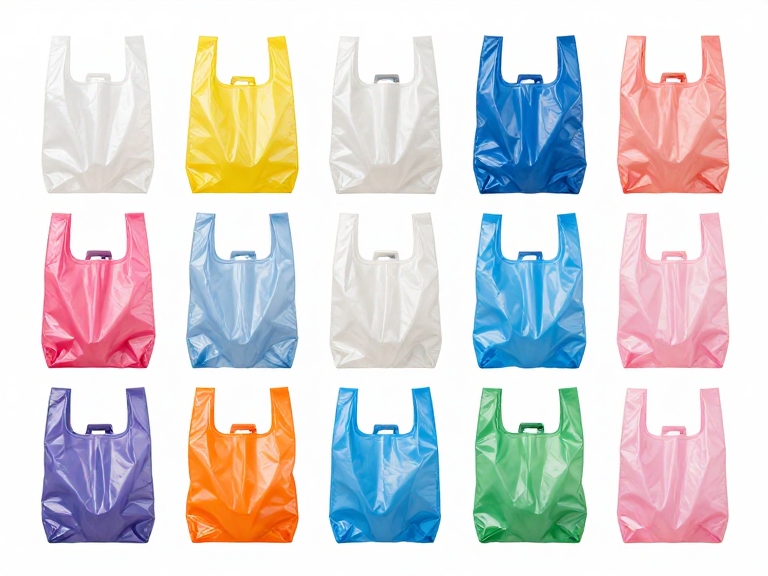
Our recommendation: Choose a standard polyethylene bag for straightforward protection and cost control, a frosted self-adhesive bag when presentation and convenient resealing matter, and a reusable or paper alternative when customer reuse, local rules, or brand positioning justify it. Validate the actual bag specification with samples before committing to production quantities.
Table of Contents
- Quick Summary Table
- What Plastic Bags Are and How They Work
- 15 Plastic Bag Applications
- Plastic Bag Types: Comparison Table
- Pros and Cons of Plastic Bags
- How to Choose the Right Plastic Bag
- Common Buying Mistakes
- Cost-Benefit Analysis and Upgrade Advice
- A Packaging Option from Ebifine
- Expert Recommendation
- Frequently Asked Questions
- References
Quick Summary: Plastic Bag Applications at a Glance
Use this table to narrow your options before comparing samples or requesting a quotation. These are practical starting points rather than universal specifications; the final choice should reflect the actual product and operating environment.
| Application | Recommended Bag Type | Main Benefit | Key Buying Consideration |
|---|---|---|---|
| Retail checkout | Handle carrier bag | Convenient carrying | Load capacity and local restrictions |
| Apparel and accessories | Frosted or clear self-adhesive bag | Clean presentation and dust protection | Garment dimensions and closure quality |
| E-commerce orders | Self-adhesive or mailing bag | Faster packing and product containment | Transit protection and sealing strength |
| Manufacturing components | Specified polyethylene bag | Organization and separation | Material compatibility and part protection |
| Cosmetics and accessories | Frosted printed bag | Branded presentation | Print quality and product compatibility |
| Food-related packaging | Food-contact-suitable bag | Containment and hygiene | Verified food-contact compliance |
| Heavy products | Reinforced carrier or purpose-designed bag | Improved handling reliability | Tested load and seam strength |
| Reusable shopping | Durable reusable carrier | Repeated use | Actual reuse rate and lifecycle impacts |
What Are Plastic Bags and How Do They Work?
Plastic bags are flexible packaging products made from polymer films. Common materials include polyethylene (PE), such as low-density polyethylene (LDPE) and high-density polyethylene (HDPE), as well as polypropylene (PP) for certain packaging formats. Each material has different characteristics, so the term “plastic bag” does not describe one uniform level of strength, clarity, flexibility, or barrier performance.
How plastic bags protect products
A bag creates a physical layer between the product and its surroundings. Depending on the material and construction, it can help reduce exposure to dust, handling marks, splashes, and some forms of contamination. Closures such as adhesive strips, zippers, or heat seals help keep the contents contained. Printed surfaces can also carry brand information, handling instructions, or product identification.
There is an important limitation: a standard plastic bag is not automatically waterproof under every condition, airtight, sterile, puncture-proof, or suitable for direct food contact. Film thickness, seams, closure design, and intended use all matter. If a product needs a verified moisture barrier, chemical compatibility, antistatic protection, or a regulated food-contact material, specify that requirement explicitly rather than assuming a general-purpose bag will meet it.
Why the application should determine the specification
For a lightweight T-shirt, presentation and efficient packing may be the priorities. For machined components, abrasion, sharp edges, oil exposure, or static sensitivity may be more important. For an online order, the bag must work with the outer shipping package and fulfillment workflow. Buying one bag type for all three applications can create unnecessary cost or performance problems.
15 Plastic Bag Applications for Retail, Manufacturing and E-Commerce
1. Retail checkout and shopping carriers
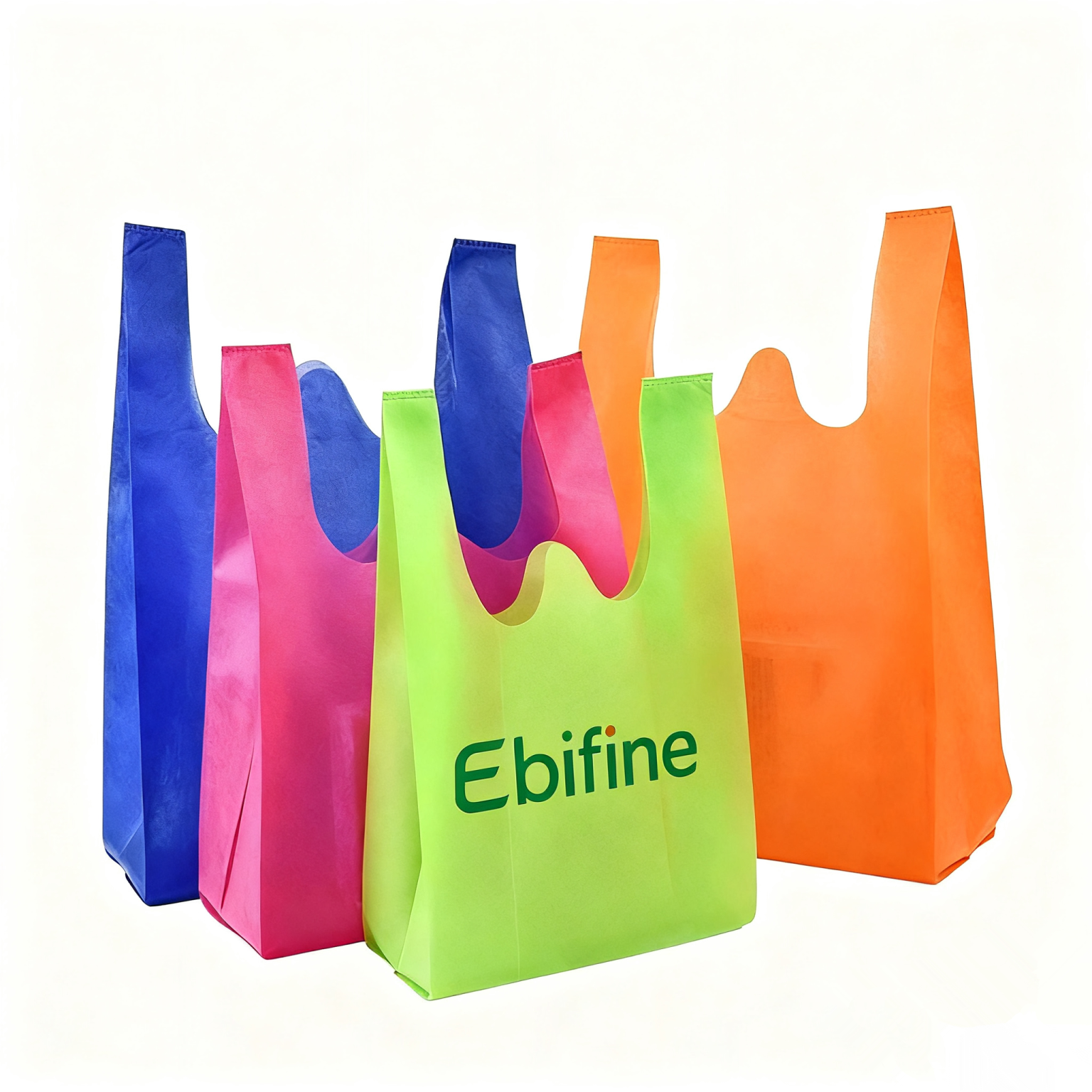
Retail carriers hold purchases during the journey from store to home. Grocery shops, pharmacies, convenience stores, and general merchandise retailers may use bags with handles to make small or medium purchases easier to carry.
For commercial users, the main decision is whether a disposable carrier is appropriate under local regulations and customer expectations. If the business operates in an area restricting certain single-use bags, review the applicable requirements before ordering. For a longer-term branded option, compare custom reusable shopping bags based on durability, practical reuse, and total cost per use.
2. Apparel and garment packaging
Clothing retailers, fashion brands, and apparel distributors use bags to keep garments clean and organized during storage, picking, and delivery. Clear film makes product identification straightforward, while frosted film offers a softer appearance and partial visual concealment.
For shirts, knitwear, scarves, and other lightweight garments, a self-adhesive closure can simplify packing without requiring additional tape. Confirm that the bag dimensions accommodate folded garments without excessive compression, and consider ventilation requirements for products that must not be sealed while damp.
3. E-commerce order preparation
Online sellers need packaging that supports fast fulfillment and consistent presentation. Self-adhesive bags can hold an item securely before it is placed in a shipping mailer or carton. A defined closure also helps packing teams avoid improvised folding and taping.
For most professional situations, distinguish between an inner product bag and an outer shipping mailer. A frosted apparel bag may be suitable for presentation, but it should not be treated as the sole shipping protection for a fragile product or an order exposed to rough transit handling. Explore bags and carriers to compare formats according to the packaging task.
4. Cosmetics and personal-care products
Cosmetics retailers may use plastic bags for makeup accessories, skincare sets, beauty tools, samples, and promotional kits. A frosted finish can give the package a restrained premium appearance, particularly when combined with a carefully positioned logo.
Before choosing a bag, consider whether the contents include liquids, oils, powders, or products that could leak or react with packaging materials. The bag itself is not a substitute for primary packaging designed to contain the cosmetic formulation. Where liquids are involved, test the complete package and use appropriate leak-resistant containers.
5. Small accessories and jewelry
Retailers selling hair accessories, costume jewelry, cables, small fashion items, and craft supplies can use small plastic bags to separate product variants and reduce loose-item handling. Clear bags are practical when staff need to identify the contents quickly; frosted bags are useful when a more consistent branded presentation is preferred.
For delicate finishes, prevent the product from rubbing directly against unsuitable film or other items inside the same bag. Jewelry with sharp points may puncture thin film, so sample testing and a suitable thickness are more useful than choosing a bag solely by its appearance.
6. Electronics accessories and cable kits
Charging cables, adapters, small peripherals, and installation accessories are often grouped in bags before being placed into a retail carton or shipping package. Individual bags help separate items, simplify counting, and reduce tangling.
Standard polyethylene film should not be assumed to provide electrostatic discharge protection. For static-sensitive electronic components, use packaging specified for the required ESD control level and verify it against the product and handling process. A visually similar general-purpose bag is not an equivalent substitute.
7. Manufacturing parts and component kitting
Manufacturers use bags to organize fasteners, molded parts, fittings, replacement components, and assembly kits. A correctly sized bag keeps a defined quantity together and makes parts easier to count, store, and transfer between workstations.
For production teams, standardization is often more valuable than decorative printing. Define bag sizes by component family, set clear labeling requirements, and check whether the parts have burrs, sharp corners, oils, or chemical residues that affect film performance. Where traceability matters, print or apply batch identification and keep it legible throughout handling.
8. Automotive and industrial spare parts
Service centers and parts distributors use bags to separate clips, brackets, fittings, seals, and other small replacement items. Bagging can prevent loose parts from mixing during picking and reduce the risk of losing small pieces inside a larger package.
Do not assume a standard bag will withstand petroleum products, solvents, high temperatures, or prolonged outdoor exposure. Confirm chemical compatibility with the actual substance and temperature range. For heavy, sharp, or greasy components, a thicker film or a different packaging construction may be justified after testing.
9. Warehouse picking and inventory control
Warehouses and fulfillment centers often group small items in bags to improve location management, reduce handling errors, and make cycle counts more efficient. Standard dimensions also help staff select packaging quickly and keep storage areas organized.
The most useful improvements are often operational: label bags consistently, avoid oversized packaging that wastes shelf space, and define a minimum strength for each product category. If the bag is only an internal organizer, expensive retail printing may add little value.
10. Hardware, fasteners, and DIY kits
Screws, nuts, washers, anchors, and small fittings are natural candidates for bag packaging. A bag can hold a specific count of parts and keep a kit together until the customer opens it.
For heavier or sharp-edged hardware, test seam integrity and puncture resistance using representative contents. If the kit contains several component types, consider separate bags with printed or applied labels rather than one mixed bag that requires manual sorting.
11. Food-service takeaway and ingredient handling
Plastic bags can be used in food-related operations for carrying packaged goods, separating approved ingredients, or organizing takeaway orders. The appropriate format depends on whether the bag contacts food directly, holds only a sealed food container, or serves as an outer carrier.
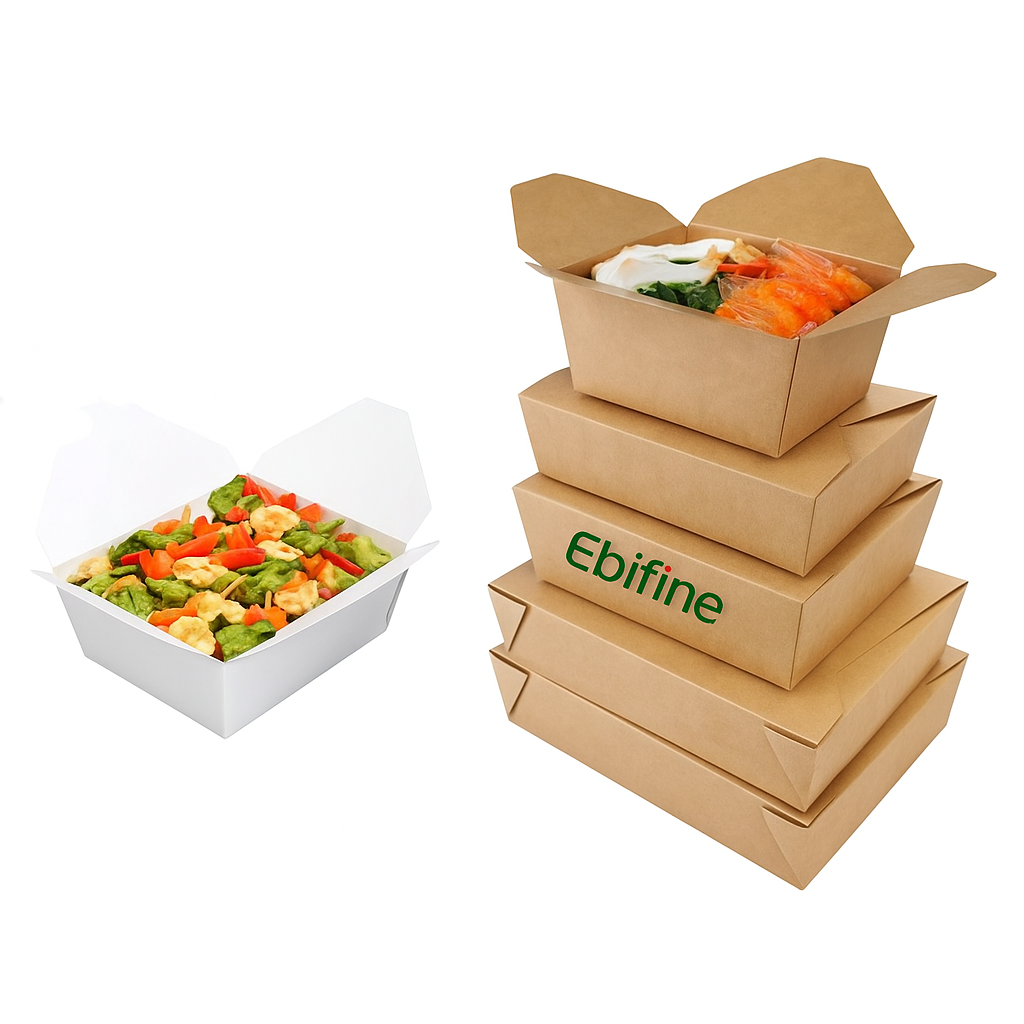
For direct food contact, verify the material, intended conditions of use, and relevant local regulatory requirements. A bag suitable for carrying sealed takeaway containers is not necessarily suitable for hot, fatty, acidic, or long-term food storage. Businesses looking for alternatives for takeaway service can also compare compostable food containers, while confirming their actual certifications and disposal requirements.
12. Promotional kits and event merchandise
Trade shows, conferences, product launches, and brand activations often require packaging for samples, printed materials, accessories, or giveaways. Plastic bags can be lightweight and easy to distribute in large quantities.
The buying decision should reflect the campaign’s purpose. A simple clear bag may work for low-cost sample distribution, while a frosted or printed option may better support a coordinated brand experience. If the event is positioned around waste reduction, reusable carriers or paper packaging may be more consistent with the message.
13. Subscription boxes and multipack products
Subscription businesses and retailers selling sets can use bags to keep related products together before inserting them into a carton. The approach works for accessory bundles, garment sets, promotional combinations, and some refill packs.
Use the bag to support the overall pack design rather than adding an unnecessary layer. If the outer box already provides adequate containment and product protection, an inner bag is worthwhile only when it improves hygiene, organization, presentation, or handling efficiency.
14. Medical, laboratory, and sample organization
General-purpose plastic bags may help organize non-hazardous supplies, paperwork, or components in some healthcare and laboratory workflows. However, this application requires careful boundaries: ordinary packaging is not automatically sterile, biohazard-compliant, specimen-approved, or suitable for regulated medical use.
For specimens, diagnostic materials, clinical devices, or hazardous substances, follow the facility’s procedures and applicable packaging requirements. Select a product specifically validated for the intended use rather than repurposing a retail bag. Where contamination control or validated barrier performance is essential, the packaging specification must be documented.
15. Returnable products and customer exchanges
Retailers and online brands may use resealable bags to keep apparel or accessories organized during returns, exchanges, or quality inspections. A resealable format can help staff identify returned items and maintain a cleaner handling process.
A self-adhesive strip is convenient, but not every closure is designed for repeated opening and closing. If customers are expected to reuse the same bag, confirm whether the adhesive can be resealed reliably or select a closure designed for repeated use. Make the return process clear so the packaging supports the customer experience rather than creating extra work.
Plastic Bag Types: Comparison Table
There is no universally best plastic bag. Choose according to the actual application, then compare supplier samples under realistic conditions. The table below summarizes common formats and their trade-offs.
| Bag Type | Best Use Cases | Advantages | Limitations | What to Verify |
|---|---|---|---|---|
| Clear polyethylene bag | Components, basic product packaging, storage | Easy content identification; versatile | Basic appearance; limited specialized protection | Film thickness, dimensions, seal quality |
| Frosted self-adhesive bag | Apparel, accessories, cosmetics, e-commerce presentation | Neat appearance; convenient closure | Adhesive may not suit repeated resealing or every surface | Adhesion, opening method, print durability |
| Plastic shopping carrier | Retail checkout and product carrying | Convenient and lightweight | Regulatory restrictions may apply; handle failure risk | Load test, handle design, local rules |
| Plastic mailing bag | Shipping suitable soft goods | Can combine containment and shipping closure | Not suitable for every fragile or sharp product | Seam strength, puncture resistance, transit needs |
| Resealable zipper bag | Repeated access, small parts, organized kits | Convenient repeated opening | May cost more than simple open-top bags | Closure cycle performance and fit |
| ESD protective bag | Specified static-sensitive electronics | Designed for defined electrostatic-control requirements | Not interchangeable with ordinary plastic bags | ESD specification and handling protocol |
| Reusable carrier | Repeated shopping and long-term customer use | Can reduce single-use bag demand when reused enough | Higher initial cost; benefits depend on reuse and end of life | Durability, reuse frequency, cleaning, local requirements |
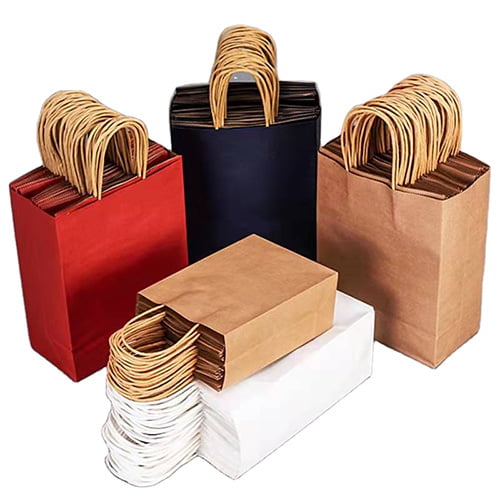
| Paper bag | Retail presentation and selected takeaway uses | Printable surface and different end-of-life options | May perform poorly when wet; can require more material | Load, moisture exposure, sourcing, disposal infrastructure |
For retailers, the practical comparison is often between a standard clear bag and a branded frosted bag. For manufacturers, the more important comparison may be between standard film and a bag engineered for a specific requirement, such as antistatic performance or chemical compatibility. For sustainability-led projects, compare the complete packaging system instead of relying on a material label alone.
Pros and Cons of Plastic Bags
| Pros | Cons |
|---|---|
| Lightweight and often space-efficient to store before use | Improper disposal can contribute to litter and environmental pollution |
| Available in different sizes, thicknesses, closures, and finishes | Specialized barrier, safety, or industrial requirements may need a higher-cost specification |
| Can protect products from dust, handling marks, and some moisture exposure | Standard bags do not automatically provide sterile, airtight, ESD, or chemical protection |
| Can support fast packing and consistent product organization | Weak film, seams, or handles can cause product loss and returns |
| Printing can support product identification and brand presentation | Custom printing and unusual sizes can increase setup costs and lead times |
| Some formats can be reused for additional storage or carrying | Actual reuse and recycling depend on bag design, condition, collection systems, and local facilities |
Are plastic bags always the cheapest option?
No. The unit price may be low, but the full cost includes packing labor, damage rates, shipping volume, storage, printing setup, disposal, and customer experience. A slightly more expensive bag can be the better purchase if it reduces packing time or prevents product damage. Conversely, a premium finish may be unnecessary for a component that stays inside an industrial enclosure and is never seen by the customer.
Are paper or reusable bags always more sustainable?
Not automatically. Environmental performance depends on material production, weight, manufacturing, transport, how often a reusable bag is used, and the available collection or disposal system. Avoid assuming that a label such as “reusable,” “recyclable,” or “compostable” guarantees a better outcome in every location. Evaluate the intended use and the real end-of-life route.
How to Choose the Right Plastic Bag for Your Business
1. Define the product and the risk
Start with what the bag must protect. Is the item lightweight apparel, a sharp metal component, a cosmetic accessory, a food container, or a static-sensitive electronic part? Identify the main risks: dust, abrasion, moisture, puncture, leakage, mixing, or electrostatic discharge. This prevents overbuying a specialized bag for a simple job or choosing an inadequate one for a demanding application.
2. Confirm dimensions and usable capacity
Measure the product in its intended packing position, including folds, accessories, inserts, or other items that will share the bag. Allow sufficient clearance for loading and closure without leaving so much excess film that the package looks untidy or consumes unnecessary space.
For bags with adhesive flaps, measure the usable body separately from the flap. Ask the supplier to confirm finished dimensions, tolerance, and the method used to measure them. A nominal width alone may not tell you how much usable room remains after sealing.
3. Specify material and thickness based on testing
Film thickness affects handling and can influence puncture resistance, flexibility, and perceived quality, but thickness alone does not determine overall performance. Resin type, film construction, seams, bag geometry, and the product’s edges also matter.
For heavy-duty applications, ask for samples and test them with representative contents. Check whether the bag tears during loading, whether corners puncture the film, and whether the seams remain intact during normal handling. Do not select an unusually thick film simply because it sounds safer; select the lightest specification that reliably meets the job’s requirements.
4. Choose the closure that fits the workflow
An open-top bag may be sufficient for internal storage or for products that will immediately enter an outer carton. A self-adhesive closure can speed up packing and create a neat presentation for apparel and e-commerce goods. Zipper closures are more suitable when repeated access is important.
Test the closure on the actual product and under normal packing conditions. Confirm that the adhesive strip sticks as intended, that the flap does not cover important product information, and that the bag can be opened without damaging the contents. If repeated resealing is a requirement, state it clearly in the specification.
5. Decide whether custom printing is worth the cost
Custom printing is most valuable when the bag is visible to customers, reinforces product identity, or carries useful information. It is less valuable when the bag serves only as an internal component organizer and will be discarded before the customer sees it.
For a branded retail program, confirm the logo artwork, print colors, position, legibility, and durability. Ask for a production sample or a clear proof before authorizing the order. Ebifine’s custom packaging printing service is relevant when the packaging needs to support a consistent brand presentation across product lines.
6. Check compliance and sustainability claims
Requirements vary by product and market. Food-contact packaging, medical applications, hazardous materials, and electronic components can have specific requirements that a general-purpose bag does not meet. Confirm the intended use, applicable standards, documentation, and any restrictions on single-use bags in the destination market.
If sustainability is a buying priority, ask what the material actually contains, whether a claim is supported by documentation, and whether local collection facilities accept the product. A technically recyclable bag provides little practical recycling benefit if it is not collected and processed in the market where it is sold.
7. Evaluate the supplier, not just the quotation
When choosing a manufacturer, compare the clarity of the specification, sample quality, quality-control process, production lead time, minimum order quantity, printing capabilities, and responsiveness when a problem occurs. A low quotation is not useful if dimensions vary, the adhesive performs inconsistently, or the delivery date puts your launch at risk.
Request confirmation of the material, finished size, thickness tolerance, closure type, printing method, packing quantity, and agreed inspection criteria. For repeat orders, keep an approved sample and a written specification so the next production run can be checked against the same baseline.
Common Mistakes When Buying Plastic Bags
- Choosing by unit price alone. Compare total cost, including labor, waste, product damage, shipping, and storage.
- Using one size for unrelated products. Oversized bags waste material and shelf space, while undersized bags slow packing and may damage products.
- Assuming thicker always means better. The correct specification depends on film properties, construction, contents, and handling conditions.
- Using a standard bag for specialized protection. ESD-sensitive electronics, food-contact products, chemicals, and regulated medical materials need application-specific validation.
- Ignoring the closure. A bag with good film can still fail if the adhesive, zipper, seam, or handle is unsuitable.
- Approving artwork without a sample. Confirm the finished print, logo position, colors, and legibility before mass production.
- Ordering custom packaging without a forecast. Large quantities may lower unit costs but create excess inventory when product dimensions or branding change.
- Accepting unsupported environmental claims. Ask for evidence and check whether the claimed disposal or recycling route exists in your market.
Cost-Benefit Analysis: When Is a Better Plastic Bag Worth Buying?
The right upgrade is the one that solves a measurable problem. If a basic bag already protects the product and fits the workflow, upgrading to premium printing or a more complex closure may not provide a worthwhile return. If packing teams struggle with adhesive tape, products arrive scuffed, or bags split during handling, a revised specification can reduce operating costs.
Compare the total packaging cost
Use a simple model to compare two bag specifications:
Total cost per successfully packed order = bag cost + packing labor + expected damage and rework cost + storage and handling cost.
This is a decision framework rather than a universal accounting formula. Add other costs that matter to your operation, such as custom-print setup, inspection, freight, and waste disposal. Then compare the results under the same order volume and packing conditions.
| Business Situation | Potential Upgrade | Why It May Be Worthwhile | When Not to Upgrade |
|---|---|---|---|
| Apparel brand with inconsistent presentation | Frosted self-adhesive bag with approved branding | Can standardize presentation and simplify closure | If the bag is never customer-visible and basic protection is sufficient |
| Warehouse with frequent packing delays | Standardized bag sizes and suitable closures | Can reduce handling variation and unnecessary repacking | If the current packing process is already fast and reliable |
| Industrial parts with puncture problems | Validated film and seam specification | Can reduce spills, lost parts, and rework | If the actual problem is sharp edges that require a different protective design |
| Brand selling reusable products | Durable reusable carrier or alternative packaging | May align packaging with repeated use and brand goals | If customers are unlikely to reuse it or the upgrade adds unnecessary material |
| Electronics manufacturer with ESD risk | Specified ESD protective packaging | Addresses a defined handling requirement | Never substitute ordinary plastic based only on appearance or price |
How to decide whether to upgrade
Start with a small trial rather than changing the entire packaging program. Run the current bag and the proposed alternative through the same packing steps, with comparable product quantities and handling. Record packing time, failed closures, punctures, product condition, and customer-facing appearance. If the upgraded bag does not solve a meaningful problem or improve an important outcome, keep the simpler option.
A Packaging Option from Ebifine: Frosted Self-Adhesive Bags

Frosted Self Adhesive Bag China Supplier
Ebifine’s frosted self-adhesive packaging bags are intended for apparel, retail, cosmetics, and e-commerce packaging. The format combines a frosted appearance with an adhesive closure and supports custom logo printing.
- Material: Plastic
- Minimum order quantity: 100 pieces
- Indicative lead time: 15–20 days
- Typical applications: Apparel, accessories, cosmetics, and online order presentation
These specifications are a starting point for quotation, not a guarantee that every size, material variant, or printing configuration is available under the same terms. Confirm the finished dimensions, material details, adhesive performance, printing options, shipping schedule, and final MOQ with Ebifine before ordering.
When this bag is a good fit
We recommend considering a frosted self-adhesive bag when a business needs a tidy inner package for lightweight products and wants to close the bag without applying separate tape. It can be a practical choice for apparel brands, accessory sellers, and e-commerce operators who want a consistent packaging appearance across orders.
When another format is better
Choose a different packaging solution if the product is heavy, has sharp protrusions, requires a specialized moisture or oxygen barrier, or needs verified ESD protection. A frosted self-adhesive bag should not be treated as a substitute for a shipping carton, a purpose-built mailing bag, or regulated packaging. For products that need an outer presentation package, compare custom gift boxes. For businesses seeking a wider packaging plan, Ebifine also provides retail packaging options.
Expert Recommendation: Match the Bag to the Job
From our experience with packaging decisions, the best results come from defining the use case before choosing the material or appearance. For beginners, start with three questions: What is being packed? What could go wrong during storage or transport? Does the customer need to see, reuse, or open the bag in a particular way?
For retail apparel and accessories, a frosted self-adhesive bag is worth evaluating when neat presentation and convenient closure matter. For manufacturing, prioritize dimensions, material compatibility, labeling, and repeatable performance. For e-commerce, decide whether the bag is an inner package or the actual shipping enclosure, then test it within the complete shipping system.
For commercial users ordering in volume, approve a sample and document the specification before production. Test the closure, fit, print quality, and resistance to the handling conditions the bag will actually encounter. If a specialized requirement exists, such as food contact, ESD protection, or chemical resistance, obtain appropriate supporting documentation rather than relying on a general product description.
Our final recommendation: Do not buy plastic bags simply because they are inexpensive or familiar. Choose the least complex format that reliably protects the product, supports the workflow, and meets applicable requirements. Use custom printing where it improves the customer experience, upgrade material or closure performance when testing identifies a real need, and consider reusable or alternative packaging when it fits the product and local waste-management conditions.
If you are sourcing bags for a retail or e-commerce project, begin by defining the bag size, material, closure, quantity, and branding requirements. Then request a sample and quotation from Ebifine’s frosted self-adhesive bag product page to assess whether the format suits your application.
Frequently Asked Questions About Plastic Bag Applications
1. What are the most common plastic bag applications for retail?
Common applications include checkout carriers, apparel packaging, accessory bags, cosmetics packaging, promotional kits, and packaging for online orders. The right format depends on product weight, presentation needs, closure type, and local restrictions on single-use bags.
2. Which plastic bag is best for e-commerce packaging?
For lightweight apparel and accessories, a self-adhesive inner bag can keep products organized and improve presentation. For shipping, use an outer mailer or carton appropriate to the product’s weight, fragility, and transit risks. A standard inner bag should not be assumed to provide sufficient shipping protection by itself.
3. Are frosted self-adhesive bags suitable for clothing?
Yes, they can be suitable for folded garments, accessories, and other lightweight apparel products. Check the usable dimensions, film performance, adhesive closure, and printing requirements. Make sure garments are dry before sealing them and confirm whether repeated opening and resealing is necessary.
4. What is the difference between clear and frosted plastic bags?
Clear bags make the contents easy to see, which can help with picking, inventory identification, and product display. Frosted bags diffuse visibility and create a softer presentation. The choice is mainly about product identification, appearance, and the requirements of the packaging workflow, although material and construction must still be checked separately.
5. How do I choose the correct plastic bag thickness?
Base the specification on the product’s weight, edges, handling conditions, and required protection. Request samples and test them with representative contents. Thickness is one factor in performance, but resin properties, seam construction, bag dimensions, and closure design also affect reliability.
6. Can plastic bags be used for food packaging?
Only when the bag is suitable for the intended food-contact conditions and meets applicable requirements. Confirm whether it will contact food directly, the food type, temperature, and storage duration. A general retail or carrier bag should not automatically be used for direct food storage.
7. Are plastic bags recyclable or environmentally friendly?
Recyclability depends on the material, local collection and processing infrastructure, and the condition of the bag. Environmental impact also depends on production, transport, reuse, and end-of-life handling. Check local guidance and require evidence for environmental claims instead of assuming every plastic bag can be recycled in practice.
8. What should I ask a plastic bag manufacturer before ordering?
Confirm material, finished dimensions, thickness and tolerance, closure design, printing method, minimum order quantity, lead time, sample availability, inspection criteria, and packaging details. For specialized applications, ask for relevant technical documentation and verification that the bag meets the intended use.
9. Is custom-printed plastic packaging worth the extra cost?
It can be worthwhile when the bag is visible to customers, helps identify products, or contributes to a consistent brand experience. For internal manufacturing or warehouse use, simple unprinted bags may be more economical. Compare the printing cost with the expected business benefit and consider the minimum order quantity before committing.
10. What is the minimum order quantity and lead time for Ebifine frosted self-adhesive bags?
The listed starting MOQ is 100 pieces, with an indicative lead time of 15–20 days. Confirm the final quantity, available customization, production schedule, and shipping arrangements directly with Ebifine because requirements may vary by specification and destination.
References
- U.S. Environmental Protection Agency — Recycling. Background on recycling systems and the importance of appropriate material handling and local recycling infrastructure.
- U.S. Food and Drug Administration — Packaging and Food Contact Substances. Official information for evaluating materials intended to contact food.
- United Nations Environment Programme — Plastic Pollution. Information on plastic pollution and the broader environmental context for packaging choices.