
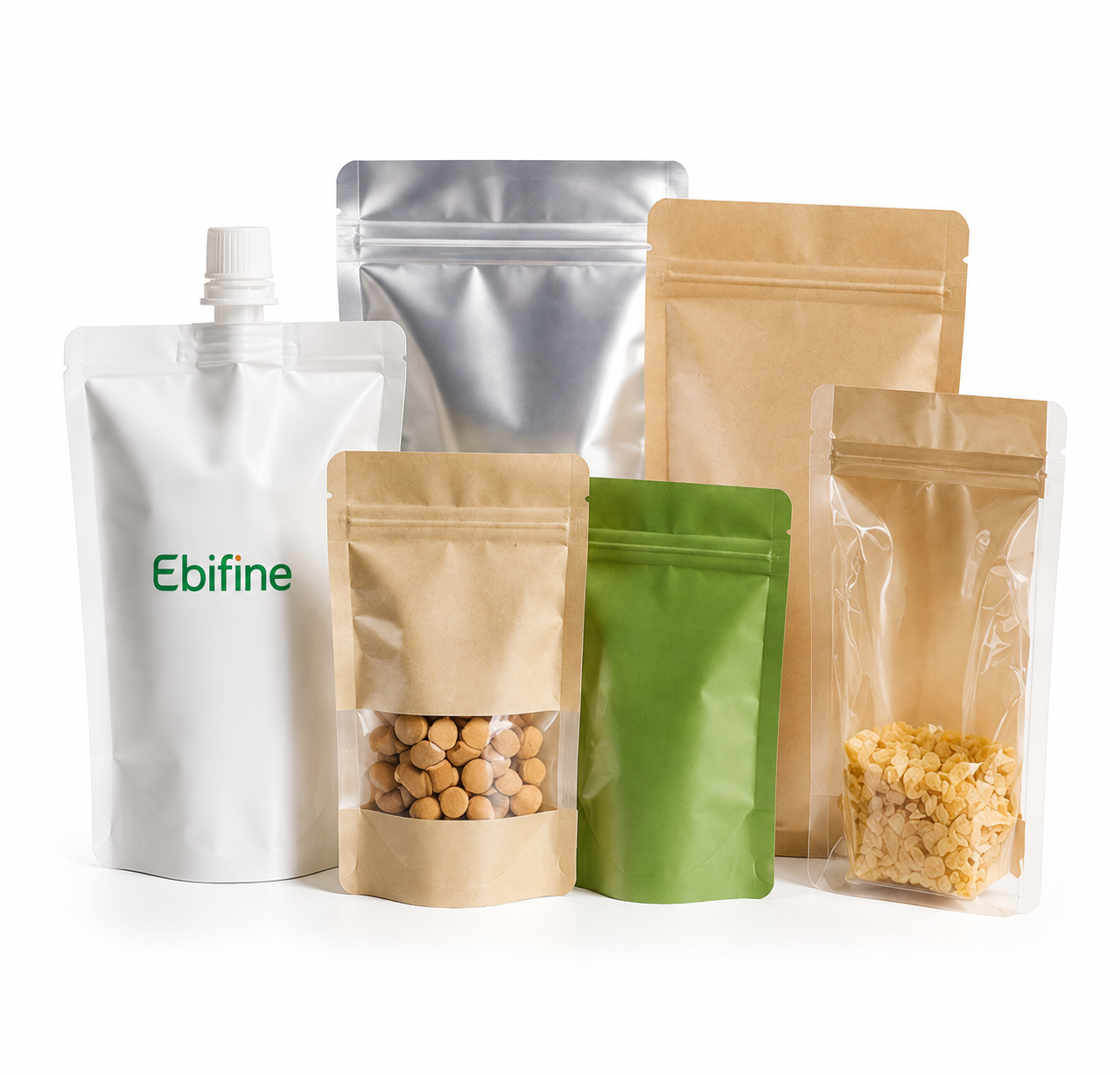
Many brick-and-mortar and e-commerce retailers treat point-of-sale packaging as an afterthought. They source cheap, unbranded materials that ultimately degrade the perceived value of the product inside. From our experience at Ebifine, executing a premium unboxing experience does not necessarily require highly expensive rigid boxes. When you properly Use Plastic Gift Bags for Retail Packaging, you can achieve a luxury aesthetic, ensure superior product protection, and maintain strict commercial margins.
In most professional situations, the failure of flexible packaging stems from a lack of creativity and a misunderstanding of material science. Retailers often default to low-micron, crinkly plastics that tear in transit. In our testing, upgrading to high-mil gauge polymers and applying specific finishing techniques transforms a simple bag into a powerful brand asset. We are going to explain exactly how to Use Plastic Gift Bags for Retail Packaging strategically, whether you are running a high-end cosmetic boutique or shipping heavy-duty industrial components.
Quick Answer: How to Use Plastic Gift Bags for Retail Packaging
If you want to elevate your customer experience and improve your bottom line, here is the core strategy to Use Plastic Gift Bags for Retail Packaging:
- Layering Textures: Combine frosted or matte-finish plastics with rigid internal structures to create a premium feel.
- Kit Bundling: Group high-margin, related items in clear bags to increase average order value (AOV) on the retail floor.
- Security & Freshness: Utilize heat-sealed or zip-lock mechanisms to guarantee tamper-evident safety, especially in food and cosmetic sectors.
- Cost Efficiency: Replace bulky paper boxes with high-gauge plastic bags to drastically reduce volumetric shipping weights for e-commerce.
We recommend commercial users avoid thin, generic plastics and instead invest in custom-printed, high-mil gauge bags that align structurally and visually with their brand identity.
Table of Contents
- What It Is: The Modern Plastic Gift Bag
- How It Works in Commercial Retail
- 9 Creative Ways to Use Plastic Gift Bags for Retail Packaging
- Commercial Benefits
- Limitations to Consider
- Who Should Use It vs. Who Does Not Need It
- Common Packaging Mistakes
- Crucial Buying Considerations
- Comparison Table: Packaging Materials
- Pros and Cons Table
- Expert Recommendation & Manufacturer Direct
- Frequently Asked Questions
What It Is: The Modern Plastic Gift Bag
When we advise clients to Use Plastic Gift Bags for Retail Packaging, we are not referring to the thin, transparent polybags you find at a grocery store checkout. Modern retail plastic bags are highly engineered flexible polymers. They include materials like oriented polypropylene (OPP), cast polypropylene (CPP), and low-density polyethylene (LDPE). These materials offer pristine clarity, exceptional tensile strength, and the ability to hold high-fidelity ink prints.
For heavy-duty applications, these bags are often multi-layered, providing barrier protection against oxygen, moisture, and UV light. Understanding this material distinction is critical. If you Use Plastic Gift Bags for Retail Packaging without specifying the correct polymer density, your products will look cheap. When specified correctly, these bags rival the aesthetic of premium paper goods at a fraction of the cost.
How It Works in Commercial Retail
The operational mechanics of flexible packaging integrate seamlessly into modern assembly lines. How it works is straightforward: products are loaded into the pre-formed bags either manually or via automated hoppers. Depending on the bag style, they are then secured using a built-in zip closure, a heat sealer, or an adhesive strip. To Use Plastic Gift Bags for Retail Packaging efficiently, a retailer must calculate the filling speed. Because flexible plastic packaging bags do not require folding or intricate assembly like paper cartons, fulfillment centers can process thousands of units per hour, drastically reducing labor costs.
9 Creative Ways to Use Plastic Gift Bags for Retail Packaging
In our testing across hundreds of retail sectors, these nine strategies consistently yield the highest return on investment and customer satisfaction when you Use Plastic Gift Bags for Retail Packaging.
1. Frosted Elegance for Apparel and Cosmetics
High-end clothing brands and luxury cosmetics frequently utilize frosted zipper bags. The matte, semi-translucent finish diffuses light, creating an air of mystery and exclusivity. It feels soft to the touch (often referred to as a “soft-touch” coating), which elevates the tactile unboxing experience far beyond standard glossy plastics.
2. Food & Bakery Display Protection
In the culinary sector, visual appeal drives impulse purchases. When you Use Plastic Gift Bags for Retail Packaging in bakeries, you require high-clarity OPP bags. This bakery packaging must be FDA-compliant, ensuring that oils from pastries do not degrade the plastic, while keeping the product completely visible and protected from airborne contaminants.
3. Creating Curated Kits and Bundles
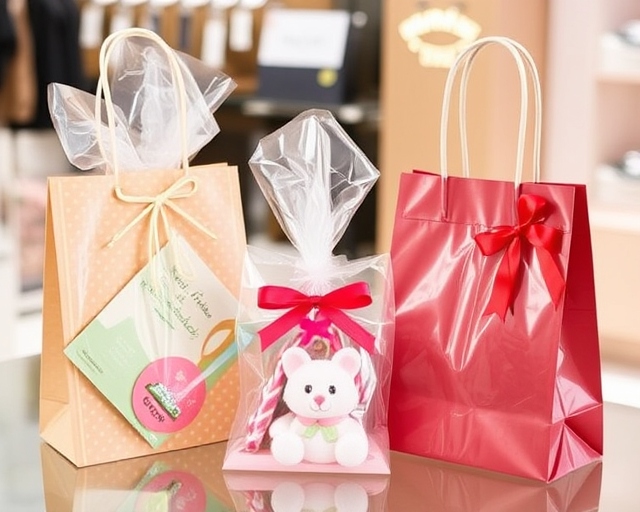
For commercial users looking to increase Average Order Value (AOV), bundling is highly effective. You can Use Plastic Gift Bags for Retail Packaging to group complementary items—such as a shampoo, conditioner, and travel serum—into a single clear bag. This creates a ready-to-sell gift set that is visually cohesive on the retail shelf.
4. Branding via High-Contrast Labeling
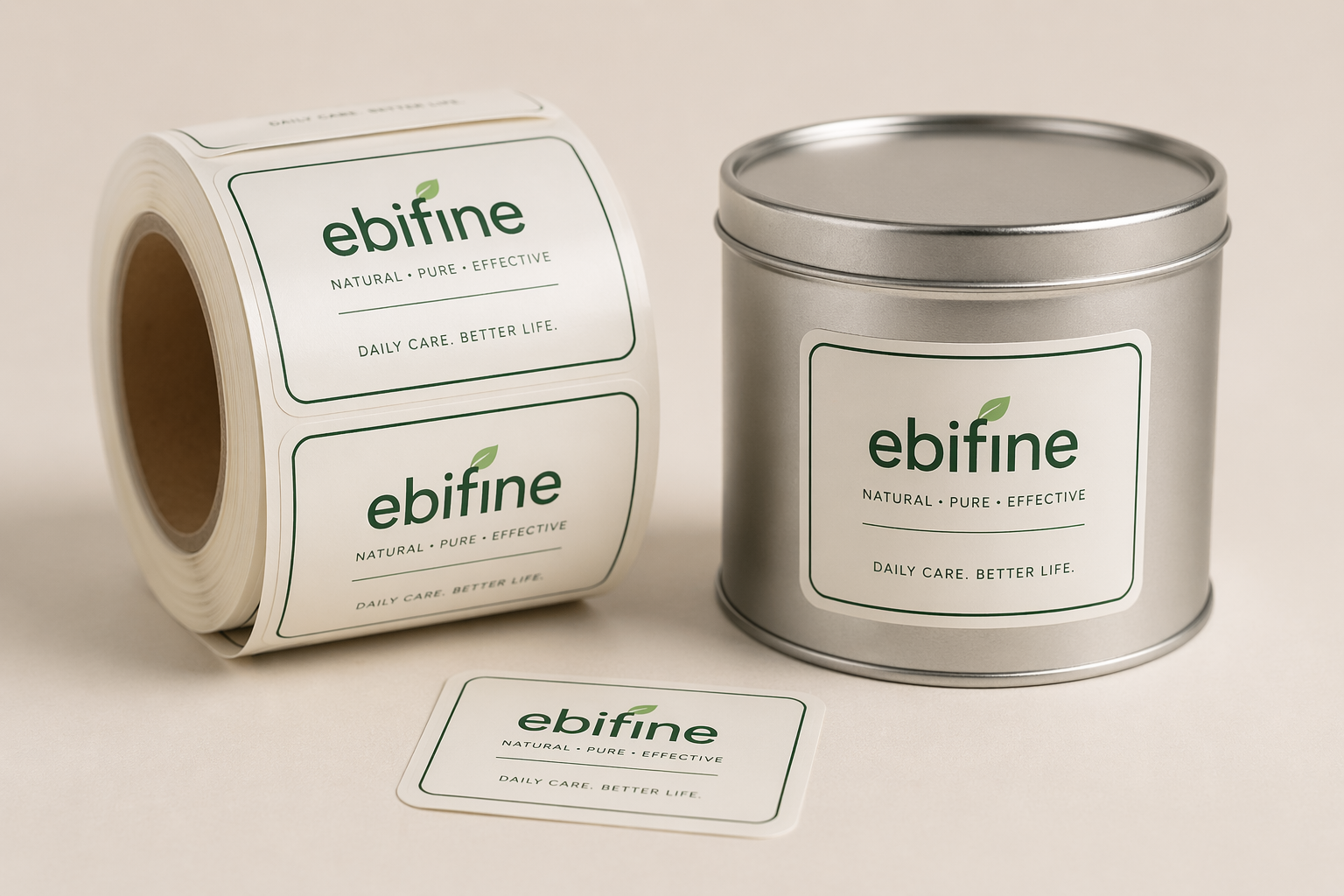
If you cannot afford fully custom-printed bags, you can achieve a premium look by pairing blank, high-quality plastic bags with clear transparent labels. This approach allows smaller boutiques to Use Plastic Gift Bags for Retail Packaging effectively without committing to massive minimum order quantities (MOQs) for direct printing.
5. The “Bag-in-a-Box” Luxury Technique
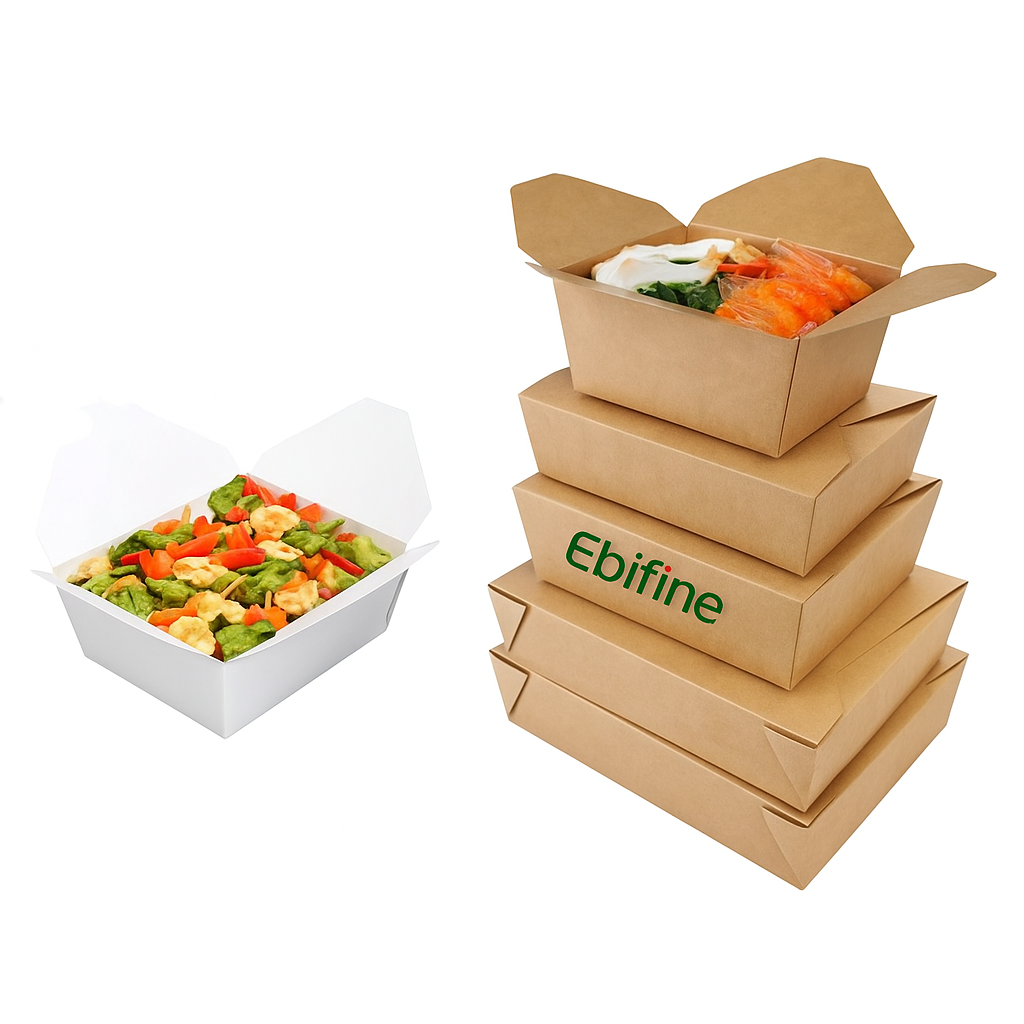
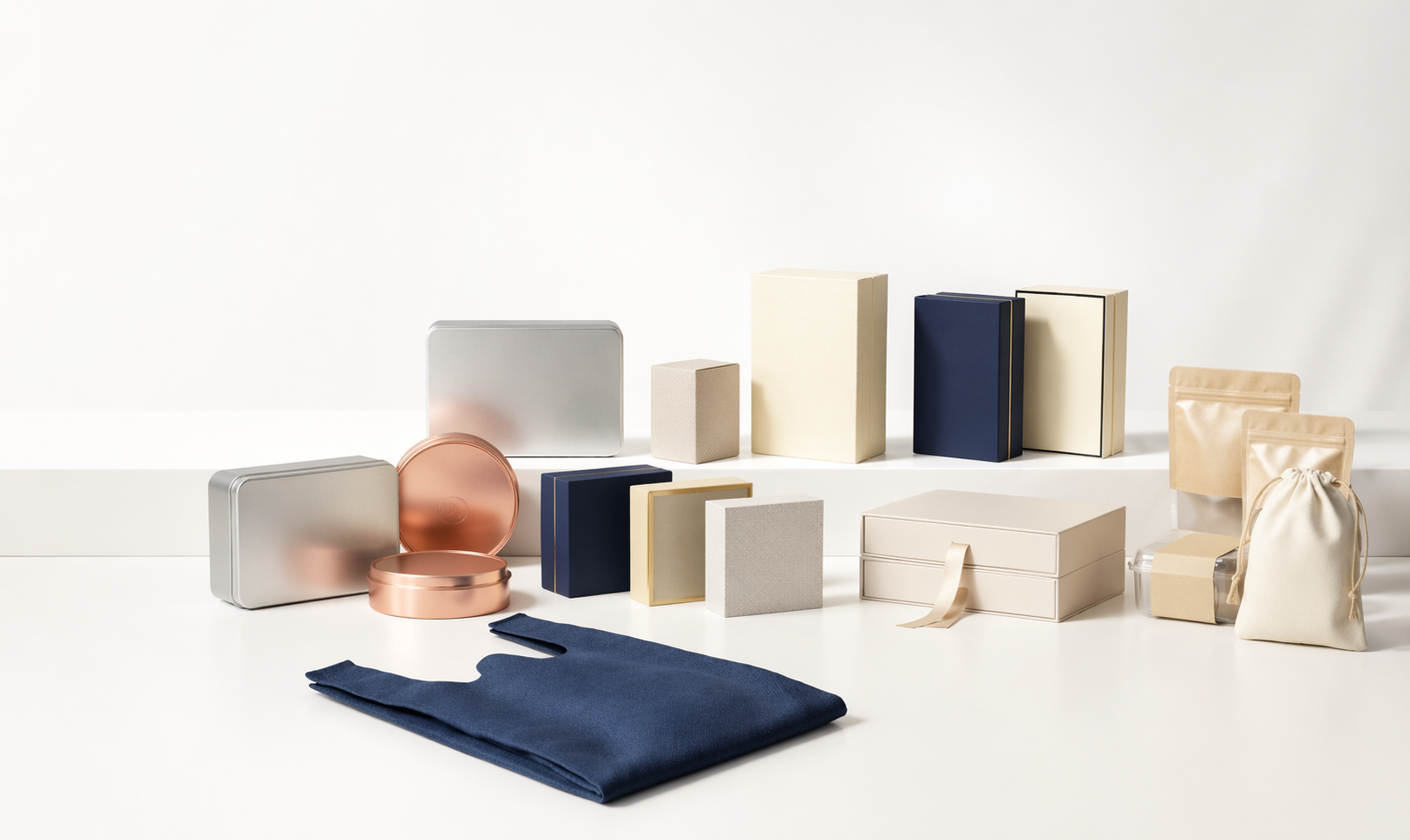
For high-ticket items, combining flexible and rigid packaging provides the ultimate unboxing experience. Place the product inside a pristine, branded plastic gift bag, and then nestle that bag inside custom paper boxes. This dual-layer approach provides extreme moisture protection while delivering a multi-stage opening process that luxury consumers expect.
6. Custom Printed Seasonal Drops
Retailers must stay culturally relevant. You can Use Plastic Gift Bags for Retail Packaging to execute rapid seasonal promotions. Because printed plastic packaging has shorter production lead times than rigid boxes, you can quickly deploy custom designs for Valentine’s Day, Black Friday, or localized pop-up events.
7. The Premium Event Swag Bag
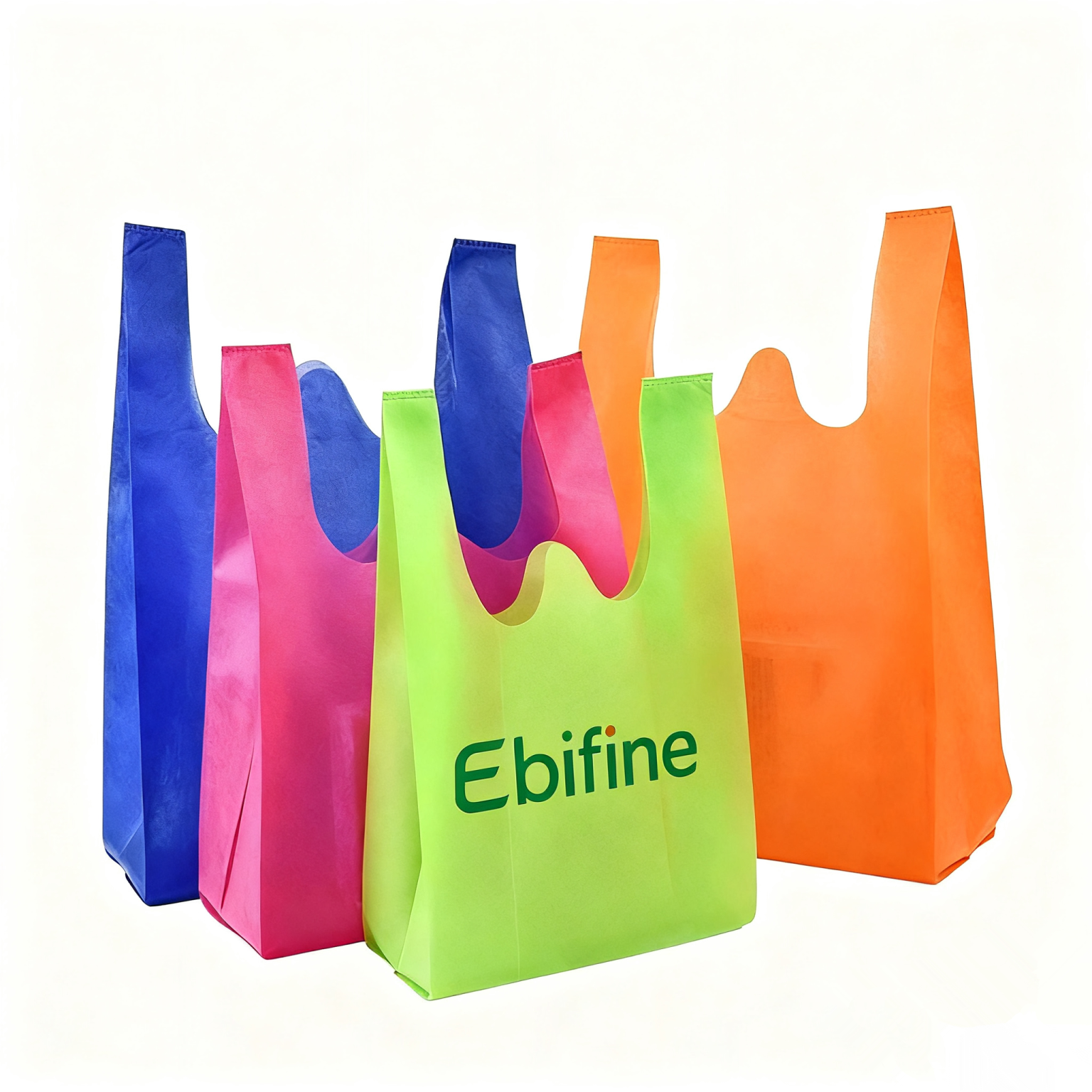
For trade shows or VIP events, a paper bag will eventually tear under the weight of catalogs and samples. Upgrading to heavy-duty custom bags with logo printing ensures that your brand is carried securely throughout the event. Die-cut handle plastic bags provide superior ergonomics and durability for heavy-duty applications.
8. Wholesale Component Separators
In B2B retail, organization is paramount. If you sell hardware, jewelry components, or craft supplies, sourcing from cellophane bags wholesale suppliers allows you to separate thousands of tiny SKUs efficiently. The crisp, crinkly texture of high-quality cellophane also adds a nostalgic, premium auditory cue during unboxing.
9. Mixed Media Textures
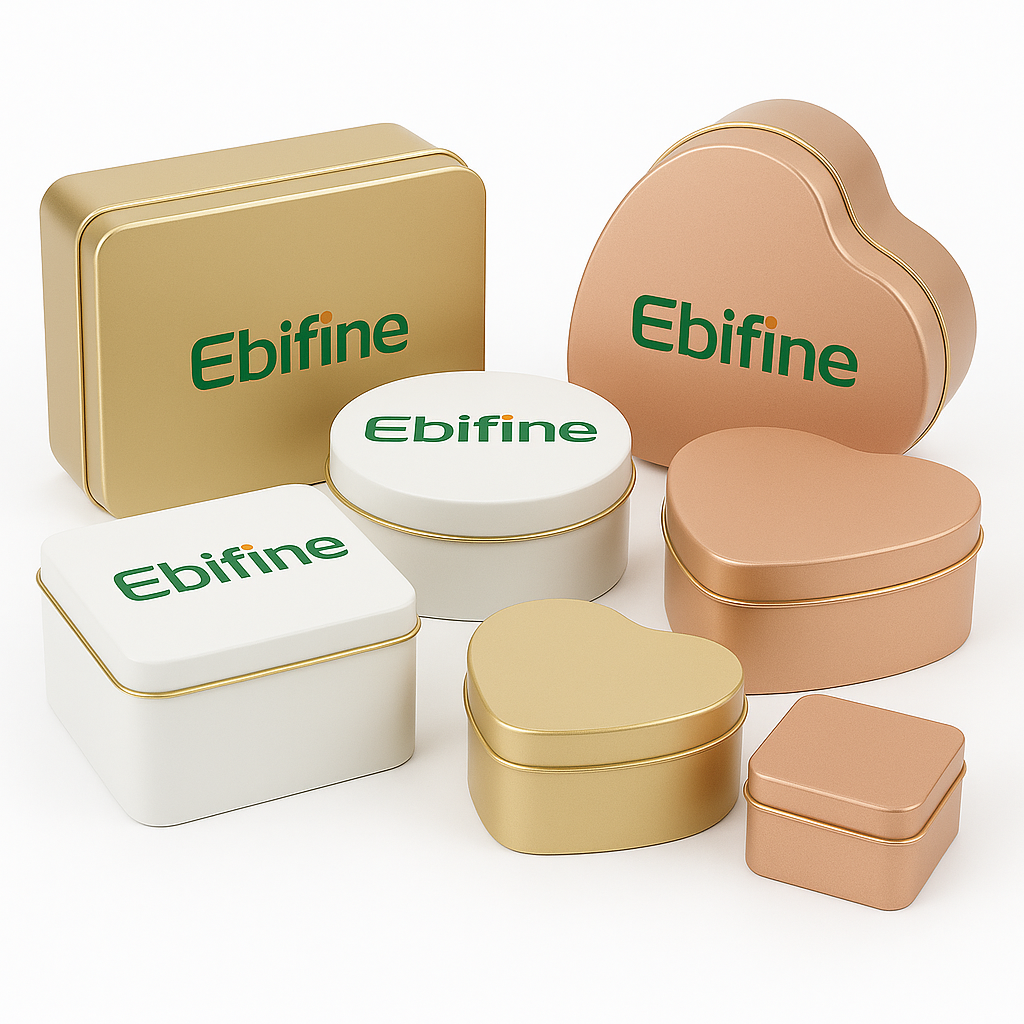
Contrast drives visual interest on retail shelves. We recommend pairing the soft, flexible nature of plastic gift bags with hard tin packaging. Placing a custom-printed plastic bag inside a branded tin container creates a highly protective, reusable, and visually striking presentation for teas, coffees, or luxury confections.
Commercial Benefits
When you effectively Use Plastic Gift Bags for Retail Packaging, the financial and operational benefits are immediate. Flexible plastics weigh a fraction of paper or cardboard, drastically reducing dimensional weight charges for e-commerce shipping. They are inherently waterproof, protecting your inventory from rain during delivery or accidental spills in a retail stockroom. Furthermore, the unit cost of a highly customized plastic bag is substantially lower than a comparable paper or rigid box, protecting your gross margins.
Limitations to Consider
We must use commercial and practical judgment: plastic packaging has limitations. The primary challenge when you Use Plastic Gift Bags for Retail Packaging is the environmental perception. Consumers are increasingly critical of single-use plastics. If you do not utilize recyclable LDPE or clearly communicate how the bag can be reused, you risk alienating eco-conscious demographics. Additionally, highly glossy plastics are prone to static cling and micro-scratching during transit if they rub against abrasive corrugated shipping boxes.
Who Should Use It vs. Who Does Not Need It
Who Should Use It: We recommend flexible plastic gift bags for cosmetics brands, apparel retailers, bakeries, hardware suppliers, and e-commerce companies dealing with non-fragile goods. If you need to protect products from moisture while maintaining visual appeal, you must Use Plastic Gift Bags for Retail Packaging.
Who Does Not Need It: If you are selling ultra-fragile items like blown glass, or operating an artisanal brand whose entire identity is built around 100% compostable, rough-hewn natural textures, plastic bags will clash with your brand positioning. In those specific scenarios, stick to corrugated paper and molded pulp.
Common Mistakes in Retail Packaging
From our experience, the most catastrophic mistake brands make is ignoring the mil thickness (gauge) of the plastic. If you attempt to Use Plastic Gift Bags for Retail Packaging that are under 1.5 mil for heavy items, the bottom seams will blow out. Another common error is inadequate closure mechanisms. Using cheap tape instead of a commercial heat seal or a high-quality zip-lock makes the packaging look amateurish and compromises product safety.
Crucial Buying Considerations
When evaluating manufacturers to Use Plastic Gift Bags for Retail Packaging in your supply chain, you must prioritize quality control. Ask for the tolerance levels on their seam welds. Inquire about the opacity levels of their inks—cheap printing will appear translucent and washed out when stretched. For food or cosmetic applications, demand factory compliance certificates proving the materials are free from harmful phthalates and bisphenol A (BPA).
Comparison Table: Packaging Materials
| Packaging Material | Moisture Resistance | Storage Space Required | Visual Clarity | Cost per Unit (Volume) |
|---|---|---|---|---|
| Premium Plastic Gift Bags | Excellent (100% Waterproof) | Very Low (Ships flat) | High (Up to glass-like clarity) | Low to Moderate |
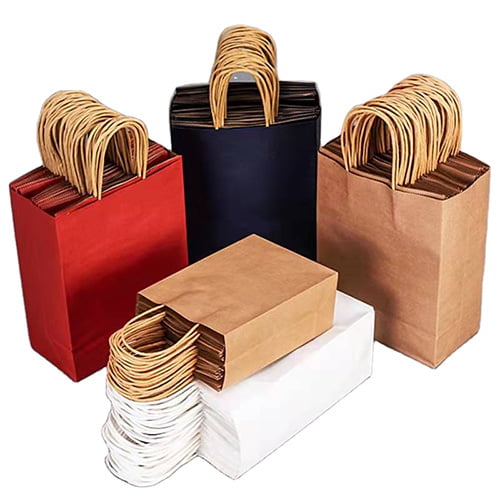
| Paper Gift Bags | Poor (Absorbs moisture) | Moderate (Folds flat but bulky) | None (Opaque) | Moderate |
| Rigid Retail Boxes | Moderate | Very High (Cannot fold flat) | None (Opaque) | High |
Pros and Cons of Plastic Gift Bags
| Pros | Cons |
|---|---|
| Substantially lowers e-commerce freight costs due to negligible volumetric weight. | Negative consumer perception if the plastic is not explicitly recyclable or reusable. |
| Provides an absolute barrier against moisture, dust, and warehouse contaminants. | Glossy finishes can show fingerprints or scuffs if mishandled during shipping. |
| Highly receptive to vibrant, full-color flexographic and rotogravure printing. | Does not provide rigid structural protection against crushing for fragile items. |
| Can incorporate advanced tamper-evident seals and resealable zippers easily. | Requires precise sizing; bags that are too large look sloppy on retail shelves. |
Expert Recommendation & Manufacturer Direct
In most professional situations, the decision to Use Plastic Gift Bags for Retail Packaging is a highly profitable operational shift. However, the execution determines the success. Do not buy generic, off-the-shelf plastic bags. We recommend partnering directly with a dedicated packaging manufacturer to engineer a bag specifically for your product’s dimensions and branding requirements. Opt for frosted finishes or high-clarity OPP with heavy-duty heat-sealed seams to guarantee a luxury feel.
Frequently Asked Questions
Are plastic gift bags environmentally friendly?
When you Use Plastic Gift Bags for Retail Packaging, the environmental impact depends on the polymer. Bags made from LDPE (Low-Density Polyethylene) are highly recyclable at designated drop-off locations. Furthermore, using a high-quality zipper bag encourages the consumer to reuse the packaging for travel or storage, extending its lifecycle indefinitely.
How thick should a retail plastic bag be?
For standard retail apparel, a 2-mil to 3-mil thickness provides a premium, non-crinkly feel. For heavy-duty applications or items with sharp corners (like hardware or rigid cosmetics), we recommend upgrading to a 4-mil to 6-mil thickness to prevent punctures and seam blowouts.
Can I print full-color photographs on plastic packaging?
Yes. Utilizing advanced rotogravure or flexographic printing techniques, manufacturers can achieve photographic-quality prints on flexible plastics. This is a massive advantage when you Use Plastic Gift Bags for Retail Packaging, as it allows for complex gradients and intricate branding that is difficult to achieve on textured paper.
Is plastic packaging safe for food products?
Absolutely, provided you specify the correct materials. You must ensure the manufacturer uses FDA-compliant, food-grade plastics (such as virgin OPP or CPP) that do not contain toxic plasticizers. Always request documentation before using any flexible packaging for direct food contact.
Industry References & Authoritative Sources
To ensure our manufacturing advice and material guidelines meet the highest standards of E-E-A-T (Experience, Expertise, Authoritativeness, and Trustworthiness), we adhere to the protocols established by the following authoritative organizations:
- U.S. Food and Drug Administration (FDA): Guidelines regarding Food Contact Substances (FCS) and the safe manufacturing of polymers for retail food packaging. Review FDA Packaging Guidelines
- ASTM International: Global standards for testing the tensile properties, tear resistance, and thickness (mil gauge) of thin plastic sheeting. Review ASTM Material Standards
- Harvard Business Review (HBR): Academic and commercial research detailing the psychology of unboxing and the direct impact of retail packaging design on consumer brand perception. Review HBR Packaging Psychology Studies
