Introduction to Material for Reusable Grocery Bags
In 2025, consumers are more eco-conscious than ever, and reusable grocery bags have become an essential part of sustainable living. With the ban on single-use plastic bags in many countries, shoppers and retailers alike are shifting toward durable, eco-friendly alternatives. Choosing the best material for reusable grocery bags is key to balancing durability, cost, and environmental impact. This guide explores the top materials, compares their pros and cons, and introduces Ebifine Import and Export Company Limited as a reliable global supplier of high-quality bags.
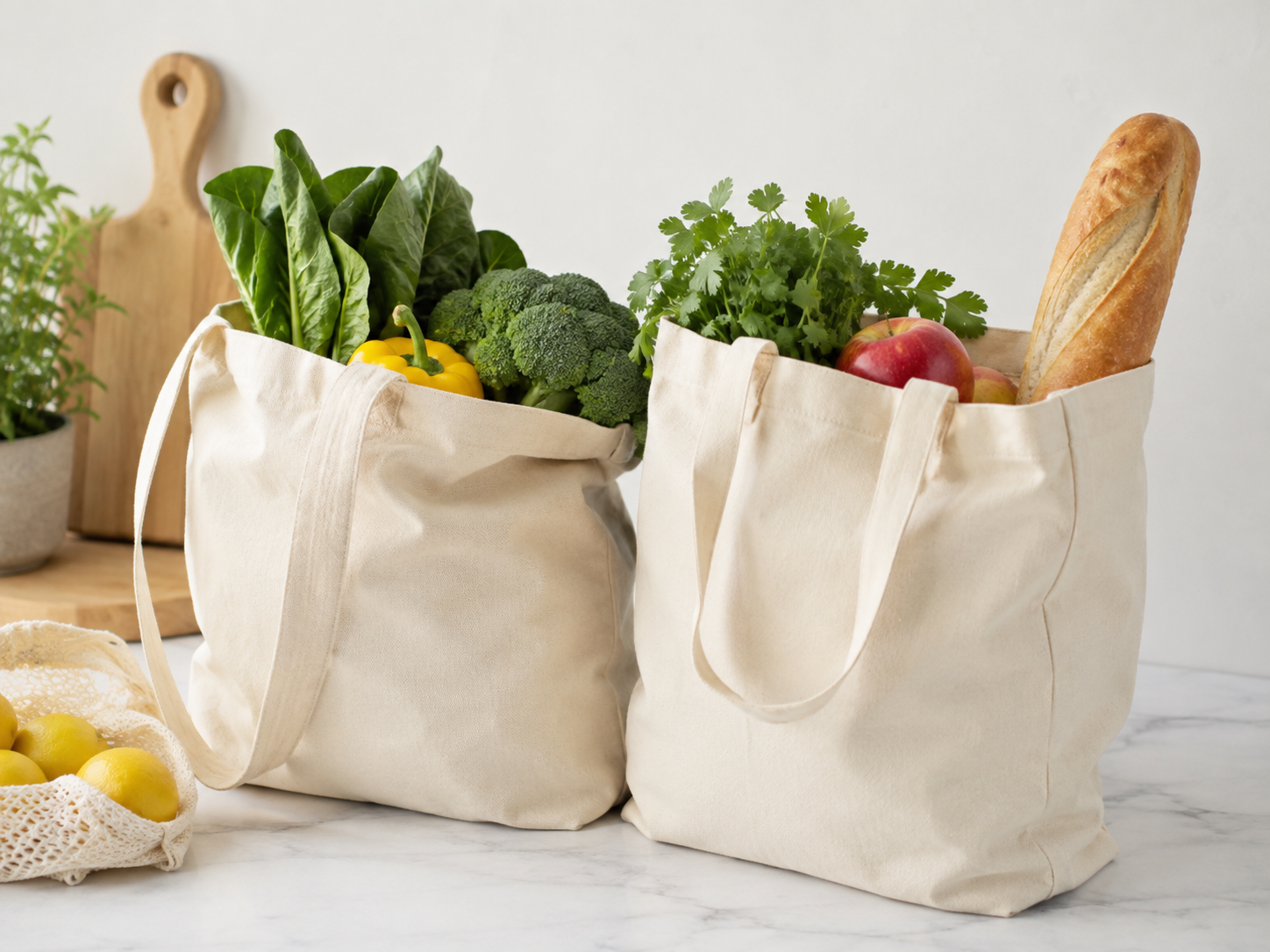
Why Reusable Grocery Bags Matter
Reusable grocery bags are more than just a convenience — they are a crucial step in reducing plastic waste. Here’s why they matter:
- Environmental Impact: Reduce plastic waste and landfill contribution.
- Cost Savings: Many retailers now charge for disposable bags, encouraging reusable alternatives.
- Durability: Designed for multiple uses, reducing the need for constant replacements.
- Branding Opportunity: Businesses use reusable bags as promotional tools, increasing brand visibility.
Best Materials for Reusable Grocery Bags
1. Non-Woven Polypropylene (PP)
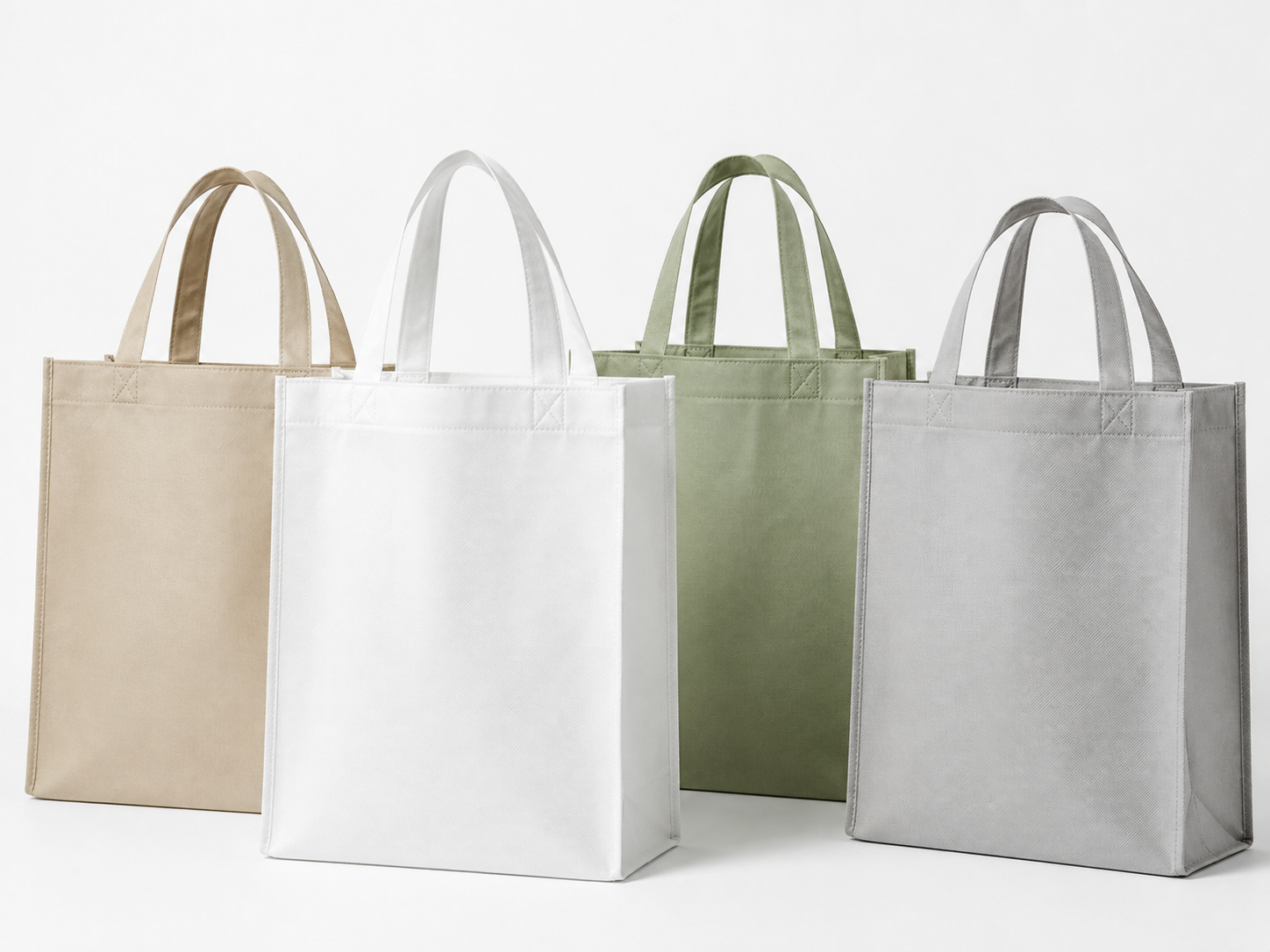
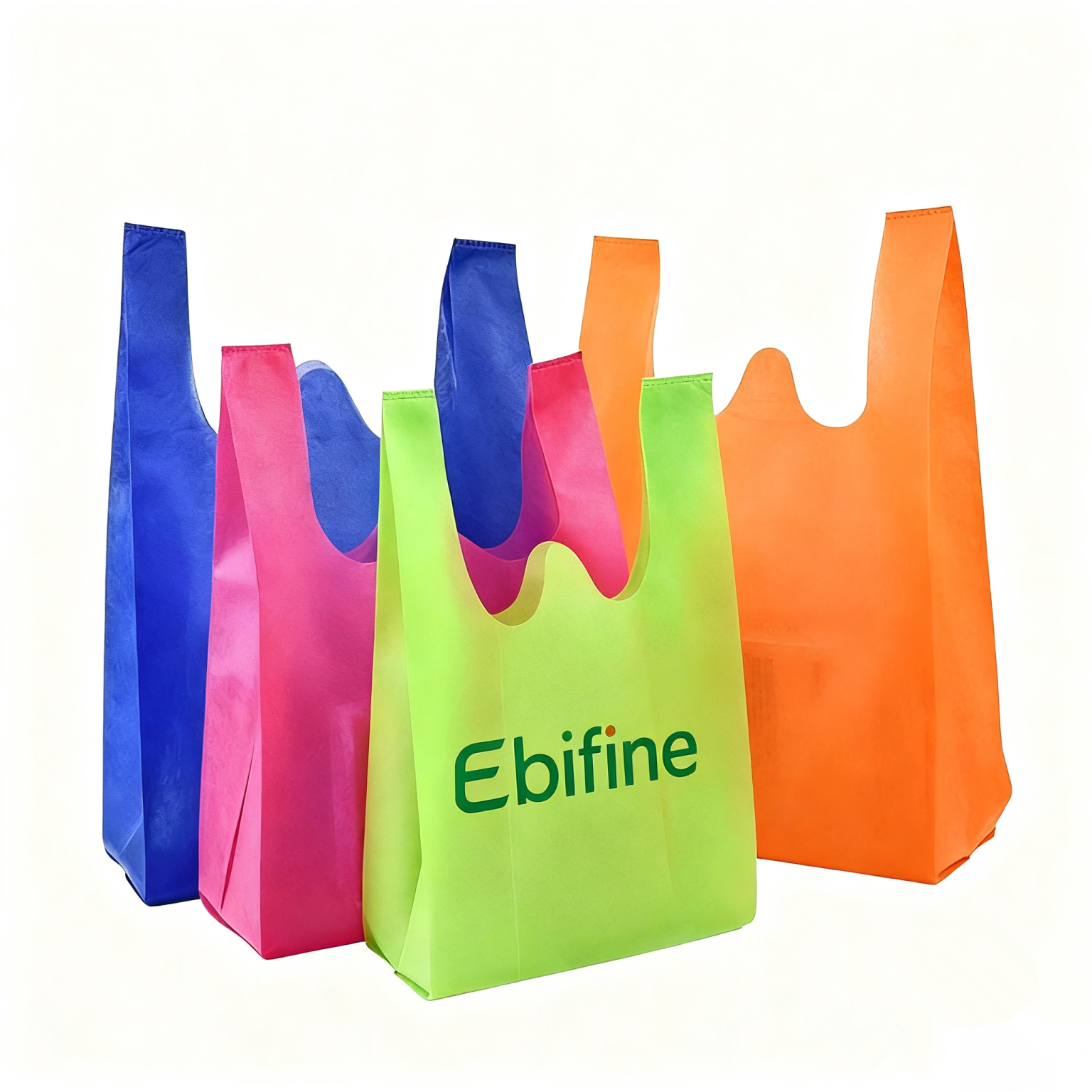
One of the most popular choices, non-woven polypropylene bags are lightweight, durable, and affordable.
- Pros: Water-resistant, recyclable, customizable with printing.
- Cons: Petroleum-based material, not biodegradable.
- Best Use: Supermarkets, promotional giveaways, everyday shopping.
2. Canvas
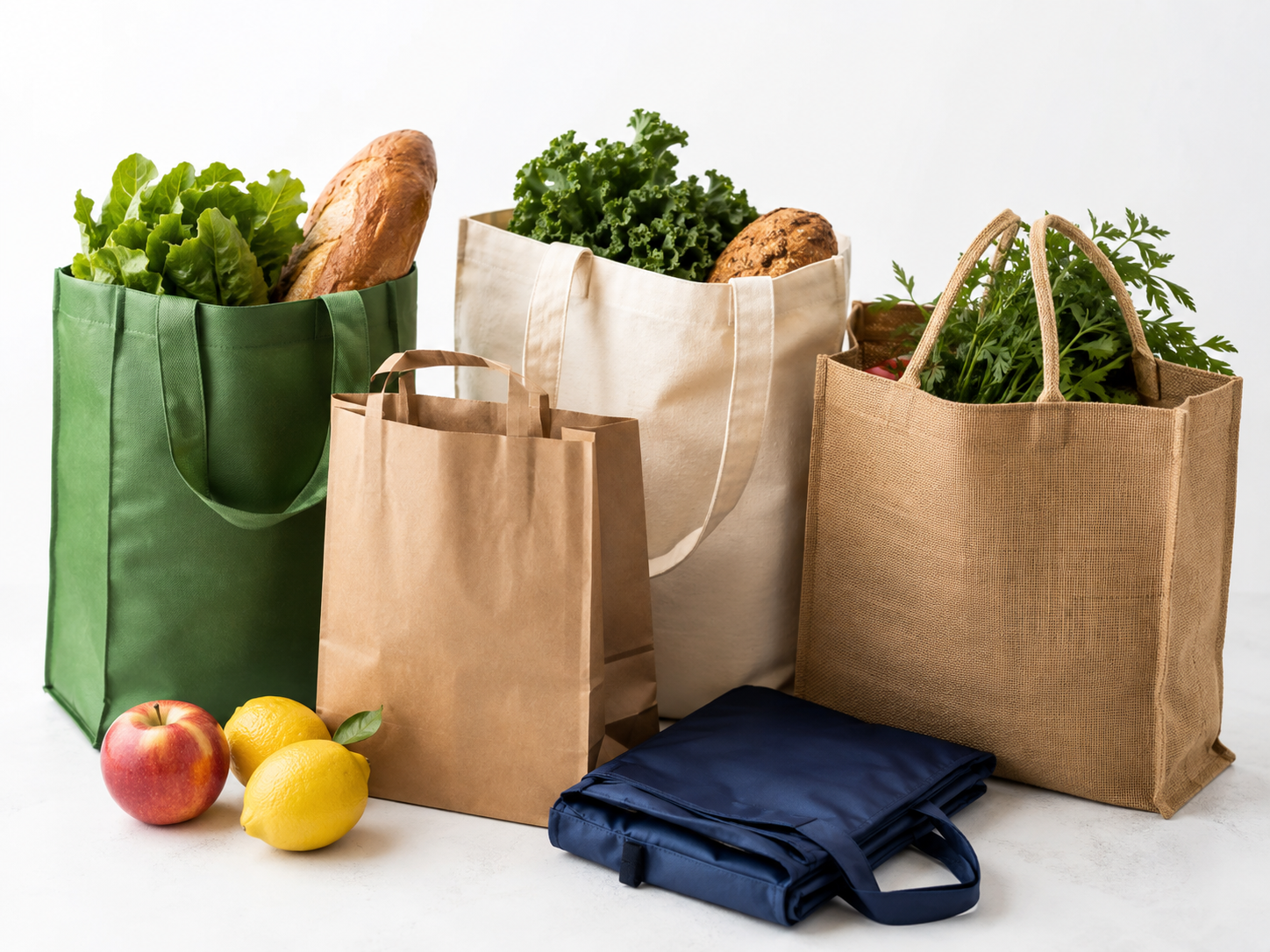
Canvas bags are made from cotton or cotton blends, offering strength and a natural aesthetic.
- Pros: Biodegradable, machine washable, very durable.
- Cons: Heavier, slightly more expensive.
- Best Use: Heavy groceries, sustainable lifestyle branding, long-term use.
3. Recycled PET (rPET)
rPET is made from recycled plastic bottles, turning waste into reusable products.
- Pros: Eco-friendly, lightweight, moisture-resistant.
- Cons: May have a higher carbon footprint during production.
- Best Use: Retailers emphasizing circular economy initiatives.
4. Jute
Jute bags are made from plant fibers, giving them a rustic, natural look.
- Pros: 100% biodegradable, breathable, strong structure.
- Cons: Less water-resistant, can get stiff after washing.
- Best Use: Farmer’s markets, organic grocery stores, eco-conscious branding.
5. Paper Bags (Heavy-Duty Kraft)
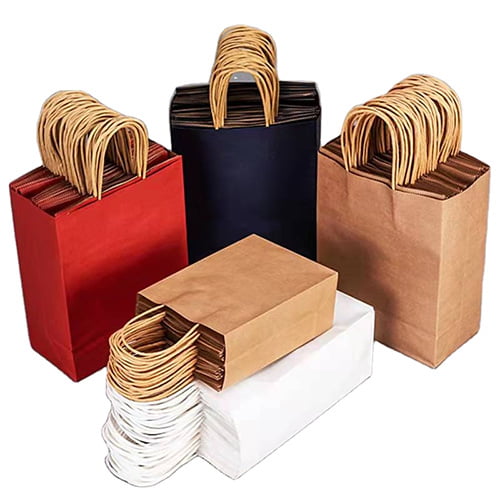
High-quality kraft paper bags with reinforced handles offer a biodegradable and recyclable option.
- Pros: Compostable, customizable with eco-friendly inks.
- Cons: Less durable in wet conditions.
- Best Use: Takeout packaging, boutique stores, light grocery loads.
6. Nylon
Nylon bags are compact, foldable, and perfect for people on the go.
- Pros: Lightweight, water-resistant, foldable into small pouches.
- Cons: Synthetic, may wear faster than canvas.
- Best Use: Travelers, quick shopping trips, emergency carry bag.
Material Comparison: Pros & Cons
When deciding which material is best, consider cost, durability, and environmental impact.
- For Eco-Friendliness: Canvas and jute lead the way due to biodegradability.
- For Cost-Effectiveness: Non-woven PP and paper bags are budget-friendly.
- For Convenience: Nylon bags are easy to store and carry.
- For Branding: Canvas and non-woven PP offer the best printing surface.
Spotlight: Ebifine Import and Export Company Limited
Ebifine Import And Export Company Limited, established in 2016 and based in Guangzhou, China, provides customizable packaging solutions for international buyers.
For businesses sourcing reusable grocery bags, Ebifine offers several relevant material options
Choosing the Right Material for Your Project
The right reusable grocery bag material depends on how the bag will be used. For high-volume supermarket or promotional projects, lightweight materials may offer a better balance between cost and durability. For heavier loads or longer-term reuse, thicker woven fabrics and cotton-based materials are usually more suitable.
When requesting a quotation, buyers should provide the expected bag size, load capacity, material preference, fabric weight, handle style, printing requirements, and estimated order quantity. These details make it easier to compare different reusable bag options based on both performance and total cost.
Strengths: Flexible customization, global export experience, and support for different materials, sizes, printing methods, and bag structures.
Ideal For: Supermarkets, retailers, promotional campaigns, and businesses comparing reusable bag materials for custom projects.
Key Factors to Consider When Choosing Reusable Bags
- Durability: Choose materials that can handle multiple uses without tearing.
- Eco-Impact: Opt for biodegradable or recyclable materials if sustainability is a priority.
- Weight Capacity: Consider canvas or jute for heavy grocery loads.
- Cost: Non-woven PP offers a balance between affordability and performance.
- Customization: Printing options for branding and promotional campaigns.
Sustainability Trends in 2026
- Biodegradable Coatings: Paper bags with water-resistant, compostable coatings.
- Smart Packaging: QR codes and NFC tags on bags for brand engagement.
- Recycled Materials: Surge in rPET usage and recycled cotton blends.
- Zero-Waste Manufacturing: Brands adopting closed-loop production systems.
Summary Table
| Material | Strength | Weakness | Best For |
|---|---|---|---|
| Non-Woven PP | Affordable, customizable | Not biodegradable | Supermarkets, promotions |
| Canvas | Durable, washable | Heavier, higher cost | Long-term, heavy loads |
| rPET | Eco-friendly, moisture-resistant | Energy-intensive production | Brands promoting sustainability |
| Jute | Natural, biodegradable | Not fully water-resistant | Organic markets, eco shops |
| Kraft Paper | Recyclable, compostable | Weak when wet | Boutiques, light groceries |
| Nylon | Compact, foldable | Less durable over time | Travel, quick shopping |