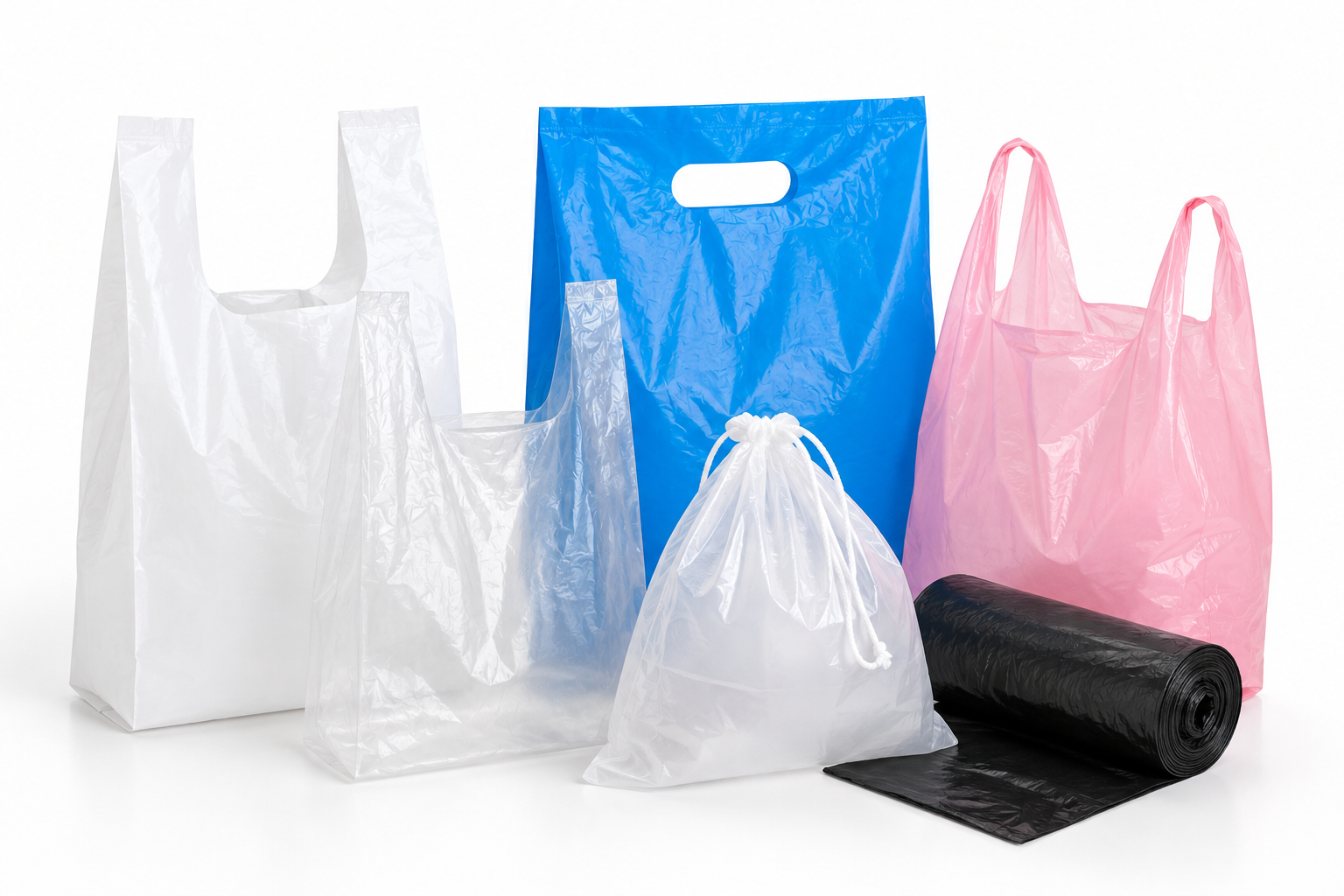
In the dynamic landscape of global commerce and retail logistics, the structural integrity, visual appeal, and material properties of your product enclosures dictate everything from supply chain efficiency to end-user satisfaction. As an enterprise navigating this complex ecosystem, understanding the exact specifications of the materials protecting your goods is paramount. One of the most critical decisions a procurement manager or brand director will face involves selecting the appropriate types of plastic bags for packaging. The sheer diversity of polymer structures and bag engineering means that a one-size-fits-all approach inevitably leads to product spoilage, logistical failures, or unnecessarily inflated shipping costs.
 Authored by Ebifine Import And Export Company Limited. Established in 2016 and proudly located in Guangzhou, China, we are an industry-leading packing and printing enterprise. With convenient transportation access and a commitment to international quality standards, we specialize in a diverse array of products, from our premium plastic bag and paper bag lines to sophisticated cosmetic packaging. We are dedicated to sharing our professional manufacturing insights to help global partners make informed, strategic packaging decisions.
From our experience working with diverse international markets since 2016, we know that the term "plastic bag" is an umbrella classification covering highly engineered, application-specific polymer solutions. Whether you are preserving the delicate moisture balance of premium food packaging, securing heavy hardware, or enhancing the unboxing experience for luxury cosmetics, the correct choice among the types of plastic bags for packaging will safeguard your brand's reputation. In this authoritative guide, we will dissect the chemical compositions of modern packaging films, outline the structural variants available to modern enterprises, and provide actionable recommendations to optimize your packaging strategy.
Authored by Ebifine Import And Export Company Limited. Established in 2016 and proudly located in Guangzhou, China, we are an industry-leading packing and printing enterprise. With convenient transportation access and a commitment to international quality standards, we specialize in a diverse array of products, from our premium plastic bag and paper bag lines to sophisticated cosmetic packaging. We are dedicated to sharing our professional manufacturing insights to help global partners make informed, strategic packaging decisions.
From our experience working with diverse international markets since 2016, we know that the term "plastic bag" is an umbrella classification covering highly engineered, application-specific polymer solutions. Whether you are preserving the delicate moisture balance of premium food packaging, securing heavy hardware, or enhancing the unboxing experience for luxury cosmetics, the correct choice among the types of plastic bags for packaging will safeguard your brand's reputation. In this authoritative guide, we will dissect the chemical compositions of modern packaging films, outline the structural variants available to modern enterprises, and provide actionable recommendations to optimize your packaging strategy.
The Polymer Science Behind Packaging
Before diving into the physical form factors, it is crucial to understand the chemical foundation that dictates the performance of the various types of plastic bags for packaging. All plastic packaging is derived from synthetic polymers, primarily polyolefins, which are created through the polymerization of hydrocarbon monomers like ethylene and propylene. The specific conditions under which these monomers are bonded—such as temperature, pressure, and the presence of catalysts—determine the molecular branching of the resulting plastic. This molecular branching directly influences the tensile strength, optical clarity, puncture resistance, and moisture-vapor transmission rate (MVTR) of the film. For instance, a polymer with highly aligned, tightly packed molecules will yield a stiff, opaque, and highly moisture-resistant bag, whereas a polymer with extensive molecular branching will produce a highly transparent, flexible, and stretchable film. We recommend that businesses base their procurement decisions strictly on these material properties to ensure the chosen types of plastic bags for packaging align with the physical and chemical demands of the enclosed product.
Core Materials: HDPE, LDPE, LLDPE, and PP
The vast majority of flexible packaging solutions are extruded from four primary polymer categories. Understanding these materials is the first step in identifying the optimal types of plastic bags for packaging your specific goods.
High-Density Polyethylene (HDPE)
HDPE is characterized by its linear molecular structure with minimal branching, resulting in a dense, highly crystalline polymer. From our experience, HDPE is the premier choice when high tensile strength and superior moisture barrier properties are required without the need for thick gauges. It is typically translucent or opaque, producing a distinct "crinkly" sound when handled. Because it resists puncturing and stretching, HDPE is universally used for grocery sacks, heavy-duty trash liners, and bulk food packaging where the product weight demands unyielding structural support.
Low-Density Polyethylene (LDPE)
In stark contrast to HDPE, LDPE features a highly branched molecular architecture. This prevents the polymer chains from packing tightly, resulting in a lower density, softer, and highly flexible film. LDPE offers excellent optical clarity and heat sealability. We recommend LDPE for applications where visual presentation is critical, such as retail apparel bags, bakery wrapping, and flexible cosmetic packaging. While it stretches easily, it does not possess the extreme load-bearing strength of HDPE.
Linear Low-Density Polyethylene (LLDPE)
LLDPE represents a hybrid approach, combining the flexibility of LDPE with the structural resilience of HDPE. Through advanced copolymerization techniques, LLDPE is manufactured with short, uniform branches. This unique structure gives LLDPE incredible elongation metrics and tear resistance. It is the industry standard for stretch wrap, heavy-duty industrial liners, and thick shipping bags that must withstand the brutal friction and impact of modern automated sorting facilities.
Polypropylene (PP)
Polypropylene is a thermoplastic polymer known for its remarkable clarity, high melting point, and excellent chemical resistance. PP bags are significantly stiffer than polyethylene bags and provide an unparalleled barrier against moisture and vapors. Because of its glass-like transparency, PP is one of the most popular types of plastic bags for packaging premium retail items, confectionery goods, and delicate electronic components. Its high temperature tolerance also makes it suitable for hot-fill food packaging operations.
Structural Variants: The Main Types of Plastic Bags for Packaging
Once the base material is determined, the physical engineering of the bag comes into play. The manufacturing process allows for a multitude of configurations. The following are the most prominent structural types of plastic bags for packaging utilized across global industries.
Flat Bags (Lay-Flat Poly Bags)
Flat bags are the most fundamental and universally utilized types of plastic bags for packaging. Manufactured as a two-dimensional sleeve sealed at the bottom, these bags rely strictly on the expansion of the plastic film to accommodate the product. They are highly cost-effective and are frequently produced on continuous rolls for rapid, automated packaging lines. We recommend flat bags for items with low profiles, such as documents, small hardware, and flat apparel.
Gusseted Poly Bags
When packaging bulky, three-dimensional items, flat bags create unsightly tension and wasted space. Gusseted bags solve this by incorporating folded expandable sides (side gussets) or a folded bottom (bottom gusset). When filled, a gusseted bag expands to form a box-like shape, maximizing internal volume while minimizing the footprint of the packaging. From our experience, side-gusseted bags are exceptional for hardware, granular products, and bakery items, allowing the package to sit flush on a retail shelf.
Resealable Zip-Lock Bags
Consumer convenience is a massive driver of modern packaging design. Resealable zip-lock bags feature an extruded plastic track that allows the end-user to open and securely re-close the package multiple times. These types of plastic bags for packaging are critical for products that are consumed incrementally, guaranteeing extended freshness and preventing contamination. They are heavily utilized in food packaging, cosmetic packaging, and the storage of small, easily lost components.
Stand-Up Pouches
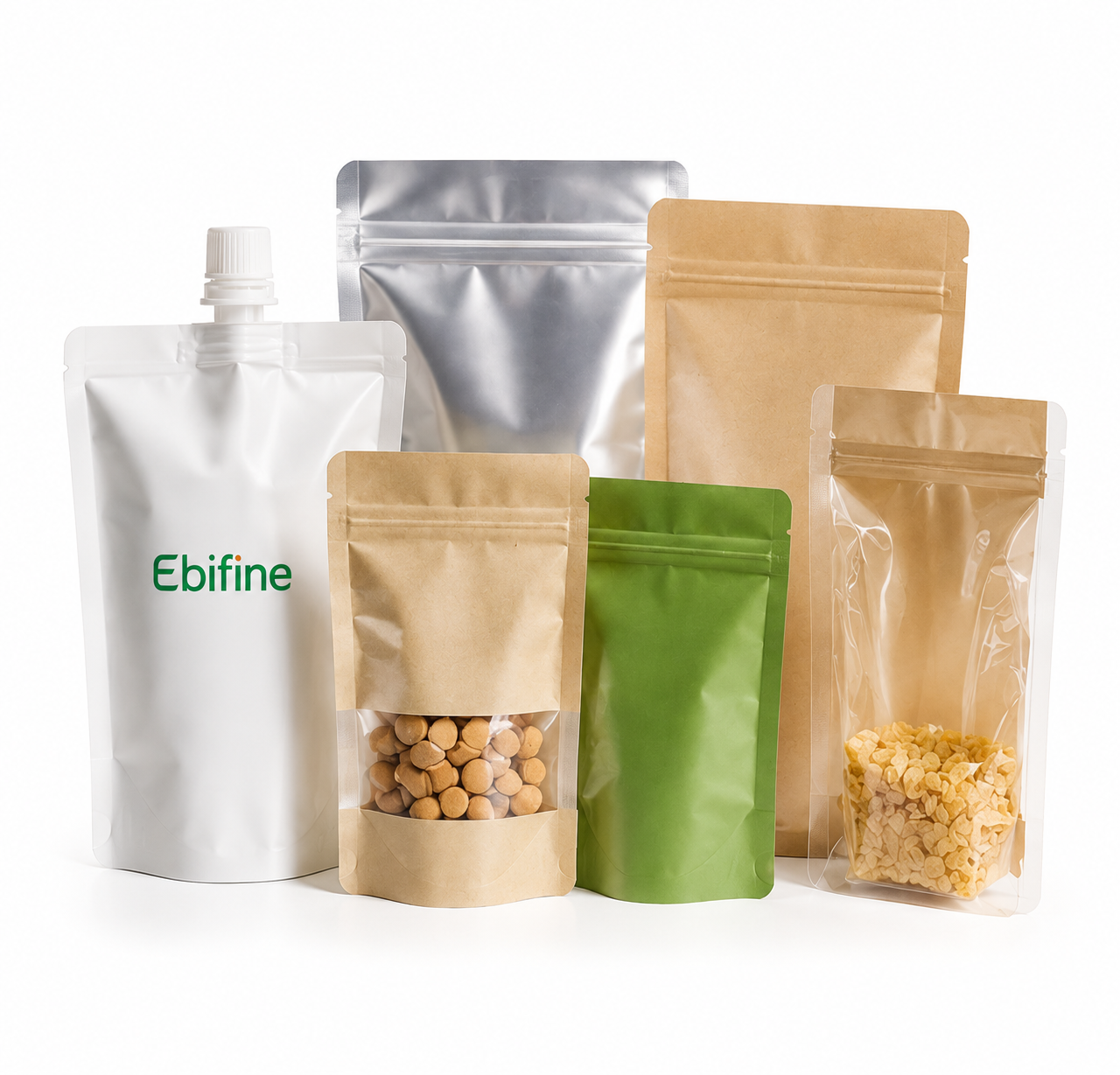
The stand-up pouch represents one of the most advanced types of plastic bags for packaging. Engineered with a specialized bottom gusset, these pouches are designed to stand entirely upright on a retail shelf without external support. Often manufactured using multi-layer laminated films (combining PET, aluminum foil, and LLDPE), they provide extraordinary barrier properties against oxygen, UV light, and moisture. We highly recommend stand-up pouches for premium food packaging, liquid cosmetics, and high-end pet foods, as they offer massive surface area for vibrant, high-definition flexographic printing.
Poly Mailer Bags
The exponential growth of global e-commerce has necessitated the development of the poly mailer. Co-extruded from multiple layers of polyethylene, poly mailers are incredibly tough, tear-resistant, and entirely waterproof. The interior is typically lined with an opaque grey or black layer to ensure complete privacy for the shipped contents, while the exterior is optimized for adhesive shipping labels. For apparel and non-fragile goods, utilizing poly mailers drastically reduces volumetric shipping weights compared to traditional corrugated boxes.
Industry-Specific Applications and Customizations
Selecting from the various types of plastic bags for packaging is deeply influenced by the sector in which your business operates. Food packaging, for example, demands absolute adherence to FDA and international food-contact safety standards. The plastics utilized must not leach chemicals or alter the organoleptic properties (taste and smell) of the consumables. In these scenarios, virgin LDPE and PP are strictly enforced. Conversely, the industrial hardware sector prioritizes extreme puncture resistance over optical clarity, making heavy-gauge LLDPE the standard. For the beauty and personal care sectors, cosmetic packaging requires a delicate balance of chemical resistance against essential oils and aesthetic luxury, often leading brands to select high-clarity PP bags or specialized stand-up pouches with matte finishes and metallic foil accents. From our experience, customizing the thickness (gauge), adding venting holes, or applying anti-static treatments are vital engineering steps that separate adequate packaging from exceptional packaging.
The Ebifine Approach: Integrating Your Packaging Strategy
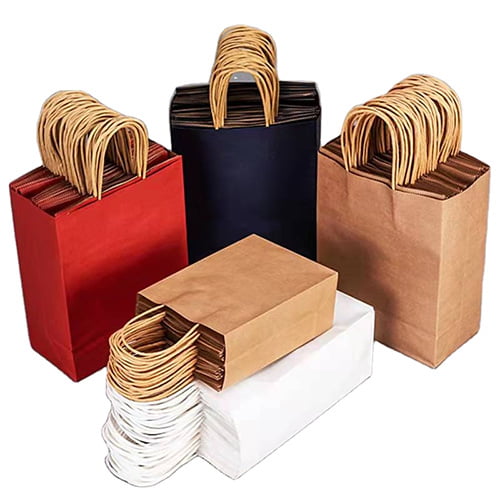
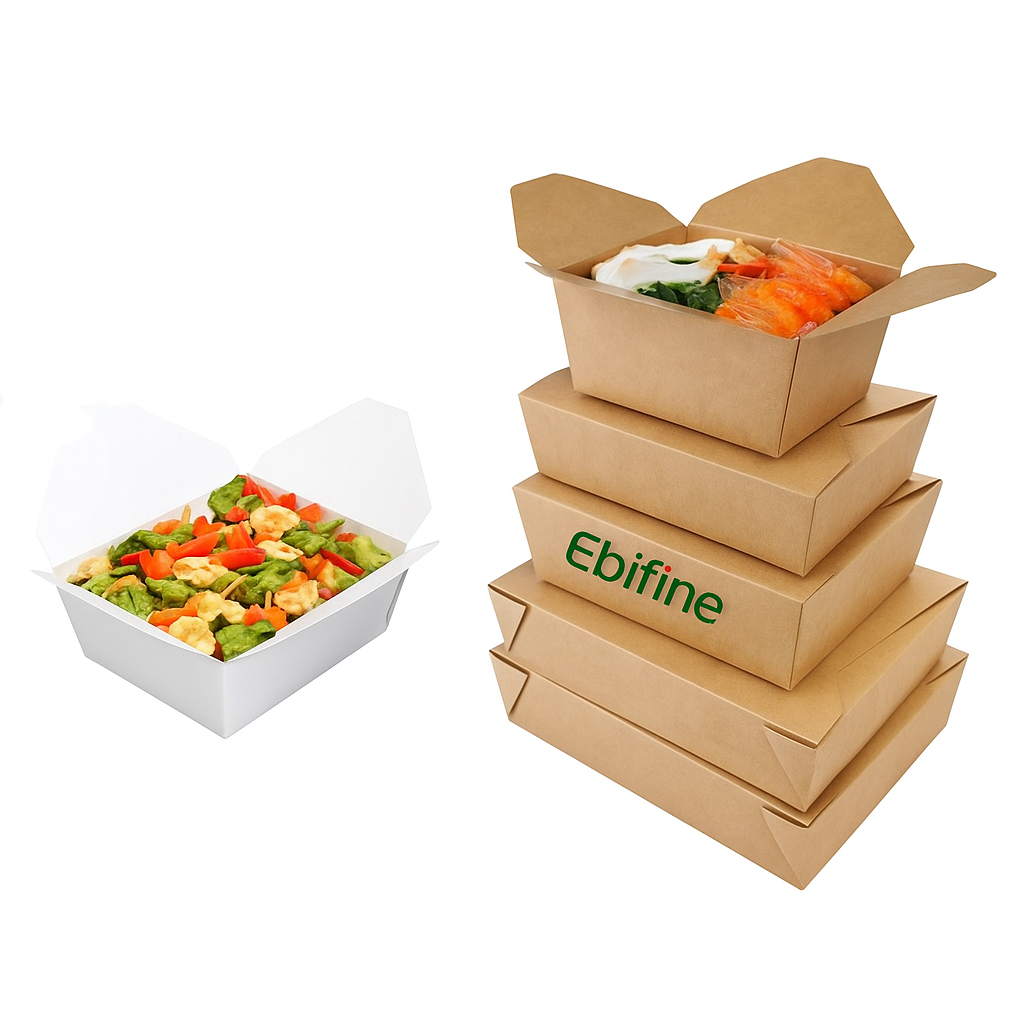
At Ebifine Import And Export Company Limited, we understand that modern enterprises rarely rely on a single packaging medium. A holistic packaging strategy requires a synergistic blend of materials. While exploring the robust types of plastic bags for packaging is essential for internal protection and moisture control, the external presentation often demands rigid or tactile materials. We recommend integrating our high-clarity plastic bag solutions with our premium outer packaging options. For luxury retail, placing a sealed product inside a beautifully printed paper bag or a sturdy paper box elevates the consumer unboxing experience. For sustainable brand initiatives, transitioning specific product lines to our reusable non woven bag, durable canvas bag, or elegant drawstring bag pouch can significantly boost brand loyalty and perceived value. Furthermore, if your business operates in the culinary or hospitality sectors, pairing our food-safe plastic bags with our metal box containers and disposable tableware provides a complete, reliable, and internationally compliant supply chain solution. All of our products comply with international quality standards and are highly appreciated in various markets worldwide.
Summary Table: Types of Plastic Bags for Packaging
To assist your procurement and design teams in making rapid, informed decisions, we have compiled a definitive reference table outlining the primary types of plastic bags for packaging and their optimal material compositions.
| Bag Style / Type | Optimal Polymer Material | Primary Characteristics | Ideal Industry Applications |
|---|---|---|---|
| Lay-Flat Bags | LDPE / PP | Cost-effective, highly flexible, variable clarity. | Apparel, documents, lightweight hardware, bakery. |
| Gusseted Bags | HDPE / LLDPE | Expandable volume, conforms to bulky 3D shapes. | Bulk food packaging, heavy industrial parts, retail boxes. |
| Resealable Zip-Lock | LDPE / Multi-layer | Air-tight closure, reusable, moisture barrier. | Snack foods, cosmetic packaging, medical devices, electronics. |
| Stand-Up Pouches | Laminated (PET/Foil/PE) | Excellent shelf presence, extreme barrier properties. | Premium liquids, coffee, dried foods, bath salts. |
| Poly Mailers | Co-extruded LLDPE | Opaque privacy, extreme tear/puncture resistance. | E-commerce shipping, apparel logistics, soft goods. |
Frequently Asked Questions (FAQs)
How do I determine the correct thickness for the types of plastic bags for packaging I need?
Plastic film thickness is measured in mils (thousandths of an inch) or microns. From our experience, a 1 to 2 mil bag is sufficient for lightweight apparel and temporary protection. For heavy hardware, sharp objects, or bulk food packaging, we recommend heavy-duty bags ranging from 4 to 6 mils to prevent catastrophic puncture failure during transit.
Are the types of plastic bags for packaging offered by Ebifine safe for direct food contact?
Absolutely. When commissioned for food packaging, we utilize 100% virgin LDPE, HDPE, and PP resins that comply strictly with international food safety standards. These materials are chemically inert, ensuring that no harmful substances migrate into the food products.
Can I print custom logos and branding on flexible plastic packaging?
Yes. Utilizing advanced flexographic and rotogravure printing technology, high-resolution logos, usage instructions, and vibrant brand imagery can be applied to nearly all types of plastic bags for packaging. For the best optical results and ink adhesion, we recommend printing on treated LDPE or PP films.
What is the difference between a paper bag and a plastic bag for retail environments?
While a plastic bag offers superior moisture protection, tear resistance, and lower volumetric weight, a paper bag provides an artisanal, highly tactile aesthetic that appeals to eco-conscious luxury brands. At Ebifine, we recommend leveraging both; using a sealed plastic interior for product integrity and a premium paper box or canvas bag for the final exterior retail presentation.