Artisan bread demands respect. If you are spending hours cultivating a sourdough starter or paying a premium for bakery-fresh boules, suffocating that loaf in a standard polyethylene bag is a commercial and culinary mistake. From our experience at Ebifine manufacturing sustainable packaging solutions for global brands, we see countless consumers and bakeries misjudging how to properly store bread. The moisture mechanics of crust preservation are highly specific, and choosing a beeswax bread bag is widely considered the gold standard for extending the life of artisan loaves without compromising texture.
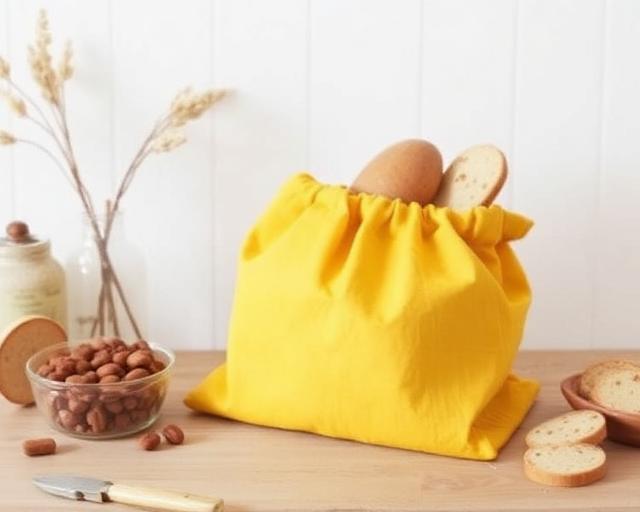
But not all wax bags are created equal. In our testing of various organic substrates and resin blends, we have found that generic, mass-produced wraps often fail to provide the correct breathability. Whether you are a home baker seeking a plastic alternative, or a commercial bakery re-evaluating your retail merchandise, choosing a beeswax bread bag requires understanding fabric weights, resin ratios, and sizing requirements. We recommend ignoring the marketing hype and focusing entirely on material performance and functional longevity.
Quick Answer: What to Look For When Choosing a Beeswax Bread Bag
What it is: A reusable, breathable food storage bag made from heavy-weight organic cotton infused with a proprietary blend of beeswax, jojoba oil, and tree resin.
How it works: The warmth of your hands softens the wax, allowing you to mold and seal the bag around the bread. As it cools, it creates a breathable, semi-airtight seal that traps just enough moisture to keep the crumb soft while allowing excess vapor to escape, preserving the crust.
Expert Recommendation: Skip single-layer thin cotton blends. We recommend purchasing a bag made from GOTS-certified heavyweight cotton with a high-resin wax blend for maximum longevity. For commercial users or bakeries, standardizing on a gusseted 11×15 inch size offers the best universal fit for both boules and batards.
Table of Contents
- Quick Summary Table
- 1. The Anatomy of the Wax Blend
- 2. Sizing and Gusset Geometry
- 3. Breathability vs. Moisture Retention
- 4. The Reality of Maintenance
- 5. Lifespan and Degradation
- 6. The True Cost-Benefit Analysis
- 7. Commercial vs. Home Use
- 8. Organic Certifications
- 9. Sealing Mechanisms
- 10. Environmental Impact
- 11. Impact on Specific Bread Types
- 12. When NOT to Use Beeswax Bags
- Material Comparison Table
- Pros and Cons Analysis
- Frequently Asked Questions
Quick Summary: Is a Beeswax Bag Right For You?
| User Profile | Ideal Solution | Why? |
|---|---|---|
| Home Sourdough Bakers | Heavyweight Beeswax Bag | Preserves the hard crust while maintaining a hydrated crumb over 3-5 days. |
| Commercial Bakeries (Retail) | Branded Beeswax Wraps or Bags | Excellent upsell item for customers wanting to preserve their expensive loaves at home. |
| Supermarket Sandwich Bread Consumers | Original Plastic Packaging | Commercial soft bread contains preservatives and is designed to stay soft in airtight plastic. A beeswax bag offers no added value here. |
| High-Volume Wholesale | compostable food packaging | For daily high-turnover service, rigid compostable containers or specialty paper are more cost-effective. |
1. The Anatomy of the Wax Blend Matters
In most professional situations, the quality of a reusable bag is determined entirely by the coating formula. Choosing a beeswax bread bag isn’t just about the wax; it’s about the ratio of beeswax to jojoba oil and tree resin. Tree resin provides the crucial “tackiness” required to create a seal, while jojoba oil ensures the wax remains pliable rather than brittle.
From our experience engineering advanced packaging solutions, inferior products skimp on resin. This results in a bag that feels stiff, cracks quickly, and fails to hold a tight fold. If a manufacturer does not explicitly list their coating ingredients, we recommend walking away. For brands looking for synthetic, plant-based alternatives, PLA packaging material offers industrial compostability, though it lacks the custom moldability of natural beeswax.
2. Sizing and Gusset Geometry
A common mistake for beginners is buying a flat, non-gusseted bag. Artisan breads like large sourdough boules have significant vertical height. A flat 11×13 inch bag will struggle to accommodate a high-hydration country loaf. In our testing, bags featuring a bottom gusset (expanding base) perform exponentially better.
When choosing a beeswax bread bag for a standard bakery purchase, ensure the minimum dimensions are 11×15 inches with at least a 3-inch gusset. If the bag is too tight, forcing the bread inside will crack the wax layer prematurely, significantly reducing the product’s lifespan.
3. Breathability vs. Moisture Retention
This is where beeswax outshines conventional options. Storing a crusty baguette in standard plastic packaging bags traps 100% of the moisture. Within 12 hours, that moisture migrates from the crumb to the crust, leaving you with a rubbery, unpleasant exterior.
Conversely, leaving bread in a paper bag allows too much moisture to escape, resulting in a rock-hard loaf by day two. Beeswax acts as a breathable membrane. It prevents aggressive dehydration while venting excess humidity. For heavy-duty applications—like preserving a loaf in a humid coastal climate—this breathable barrier is the only reliable non-refrigerated storage method.
4. The Reality of Maintenance
We need to be blunt about the maintenance required. Choosing a beeswax bread bag means committing to hand-washing in cold water only. Using hot water will instantly melt the wax blend, destroying the bag in seconds.
For commercial users, this means these bags cannot go through industrial dishwashers. You must use mild, alcohol-free dish soap and air-dry them away from direct heat. If your household is prone to throwing everything in the dishwasher without looking, this product will not survive your kitchen.
5. Lifespan and Degradation (When to Replace)
A high-quality beeswax bag is not a lifetime purchase. With regular use (twice a week), you can expect a lifespan of 9 to 12 months. Over time, the wax will thin out, especially at the folding creases. You will notice the fabric becoming softer and losing its tacky grip.
Once the bag no longer holds a seal when pressed with warm hands, its functional life as a bread preserver is over. However, because it is 100% natural, you can cut it into strips and use it as a highly effective fire starter, or compost it.
6. The True Cost-Benefit Analysis
Premium beeswax bags retail between $18 and $30 each. Compared to a penny per plastic bag, the upfront cost is jarring. However, the commercial reality comes down to food waste.
If you routinely throw away half-eaten artisan loaves because they went stale, a $25 bag pays for itself after saving roughly four $7 loaves. For bakeries, selling these alongside your bread is a high-margin retail opportunity. We recommend offering custom bags with logo printing to turn a functional kitchen item into a daily brand touchpoint in your customer’s home.
7. Commercial vs. Home Use (B2B vs B2C Needs)
For home bakers, aesthetics and organic certifications often drive the purchasing decision. But for commercial bakeries considering wholesale purchases, consistency in manufacturing is paramount.
If you are a B2B buyer sourcing custom packaging, you need a factory that can guarantee uniform wax distribution. Uneven wax application leads to hot spots where bread dries out instantly. When evaluating manufacturers, always ask for sample testing. If you are developing a holistic sustainable packaging lineup, read through a comprehensive packaging guide to ensure your beeswax items align visually with your custom coffee packaging or retail boxes.
8. Organic Certifications and Food Safety
Never compromise on food safety. Because the bread sits directly against the wax, the materials must be free of pesticides and synthetic chemicals. Look for GOTS (Global Organic Textile Standard) certified cotton and FDA-compliant beeswax.
Beeswax is naturally antimicrobial, which helps inhibit mold growth on the bread. However, this natural defense only works if the raw materials are pure. Avoid cheap imports that do not disclose their resin sources, as some industrial resins are not food-safe.
9. Sealing Mechanisms: Fold vs. Button
When choosing a beeswax bread bag, you will encounter two main closure types: traditional fold-over seals and mechanical closures (like a wooden button and hemp tie).
In our testing, the traditional fold-over method provides a superior seal. Because the entire top edge is coated in tacky wax, folding it over twice and pressing it with the warmth of your hands creates a customized, near-airtight barrier. Button closures often leave small gaps at the edges where air aggressively infiltrates the bag.
10. Environmental Impact and Compostability
The transition away from single-use plastics is a primary driver for choosing a beeswax bread bag. Unlike standard poly bags that sit in landfills for centuries, a pure beeswax bag is 100% biodegradable.
For brands focused on circular economy principles, pairing beeswax wraps with other compostable packaging bags or compostable tableware for deli operations creates a cohesive, eco-friendly brand identity that resonates powerfully with modern consumers.
11. Impact on Different Bread Types
It is crucial to understand that beeswax bags do not perform universally across all baked goods.
- Sourdough & Rustic Loaves: Perfect. Maintains the crust and hydrates the crumb.
- Enriched Breads (Brioche, Challah): Good, but the high butter/oil content in the bread can sometimes transfer to the wax, requiring more rigorous cold-water cleaning.
- Gluten-Free Bread: Usually requires more moisture retention than beeswax provides. Standard airtight storage is often better for highly perishable gluten-free crumb structures.
12. When NOT to Use Beeswax Bags
Never place warm or hot bread directly into a beeswax bag. This is a catastrophic error. The residual heat will melt the wax coating from the inside out, ruining the bag and leaving wax residue on your food. Wait until the bread is 100% cool to the touch.
Furthermore, never use beeswax bags for raw meat, highly acidic foods, or anything overly wet. The inability to wash the bag in hot, sterilizing water means cross-contamination risks are high if used for anything other than bread, hard cheeses, or firm produce.
Comparison Table: Bread Storage Methods
| Storage Method | Crust Preservation | Crumb Softness | Eco-Friendly | Cost / Lifespan |
|---|---|---|---|---|
| Beeswax Bread Bag | Excellent | Good (3-5 days) | 100% Compostable | High Initial / 9-12 Months |
| Linen/Cotton Bag | Good (1 day) | Poor (Dries out fast) | Reusable / Washable | Medium Initial / Years |
| Plastic Bag | Poor (Turns rubbery) | Excellent (Traps moisture) | Harmful (Single-use) | Pennies / Single-use |
| Paper Bag | Good (1-2 days) | Poor (Stales quickly) | Recyclable | Low / Single-use |
Pros and Cons of Choosing a Beeswax Bread Bag
| Pros | Cons |
|---|---|
| Perfectly balances moisture to keep crusts crispy and crumbs soft. | Requires strict cold-water hand washing only. |
| 100% natural, food-safe, and ultimately compostable. | High upfront cost compared to disposable alternatives. |
| Naturally antimicrobial properties help prevent rapid mold growth. | Has a limited functional lifespan (usually around 1 year). |
| Aesthetically pleasing; excellent for bakery retail shelves and custom gift boxes. | Cannot be used to store bread while it is still warm. |
Ebifine – Custom Packaging Manufacturer for Global Brands
Start your custom packaging project today. Get factory-direct packaging solutions with reliable quality and fast turnaround.
FDA / FSC Certified • 10+ Years Export Experience • 50+ Countries Served
Frequently Asked Questions
You must wash it by hand using cold water and a mild, alcohol-free soap. Gently wipe away crumbs with a sponge or cloth. Never use hot water, abrasive scrubbers, or place it in a dishwasher, as heat will instantly melt and ruin the wax coating. Hang it to air dry.
When brand new, a high-quality beeswax bag may have a faint, natural honey or pine scent due to the raw materials. However, in our testing, this scent does not transfer to the bread or alter its flavor profile in any way.
Yes, you can freeze bread in a beeswax bag for short periods (up to 3-4 weeks). The wax naturally forms an airtight barrier in the cold. However, when removing it from the freezer, you must let the bag come to room temperature before attempting to open it; otherwise, the frozen, brittle wax may crack.
For consumers who regularly buy or bake artisan crusty breads like sourdough, yes. The bag prevents rapid staling, reducing food waste and saving money over its 12-month lifespan. If you only eat commercial, pre-sliced soft sandwich bread, it is not worth the investment.
References & Industry Standards
- U.S. Food and Drug Administration (FDA): Guidelines on Food Ingredients and Packaging. Consulted for baseline food contact substance compliance. View Standards
- United States Department of Agriculture (USDA): Research on food waste reduction and safe food storage practices at room temperature. View Guidelines
- Cornell University, College of Agriculture and Life Sciences: Studies on the antimicrobial properties of natural waxes and resins in food preservation contexts. View Academic Research
“`