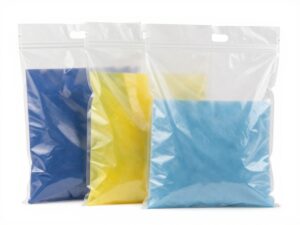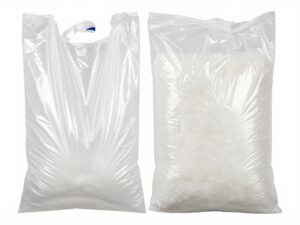

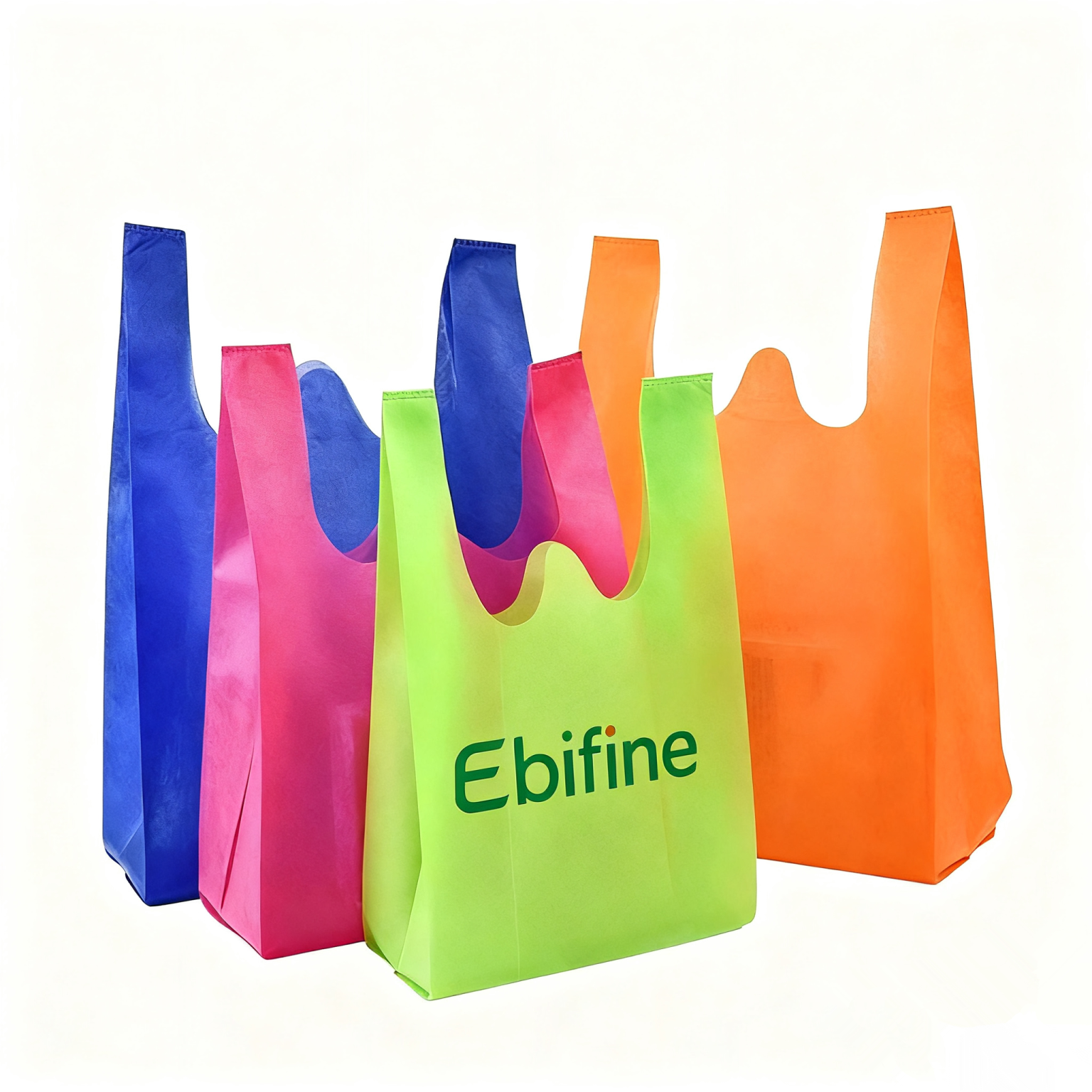
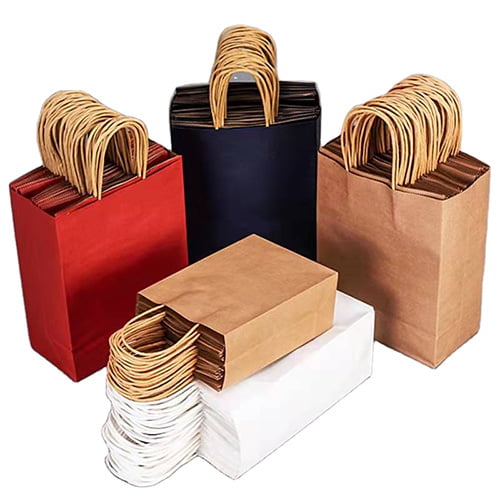
Buying plastic bags wholesale can lower your packaging cost, but only when the bag you order actually fits your product, filling process, storage conditions, and local regulations. A low price per thousand is not a good deal if bags split during packing, arrive in the wrong thickness, leak, or cannot legally be used in your target market. Before requesting a bulk quotation, compare the material, dimensions, film thickness, sealing method, quantity, printing requirements, and delivery terms—not just the unit price.
Our recommendation is to avoid choosing a wholesale plastic bag supplier based on price alone. For commercial buyers, consistent specifications, reliable quality control, regulatory compliance, and realistic lead times are just as important as the quoted cost per piece.
Most important specifications: Material, dimensions, thickness, load capacity, closure, printing, and intended use.
Best way to control risk: Approve a representative sample, confirm tolerances, and agree on quality standards before mass production.
Best cost strategy: Compare total landed cost and usable bags per shipment, not simply the lowest unit price.
What Does Buying Plastic Bags Wholesale Actually Mean?
Buying plastic bags wholesale means purchasing bags in bulk directly from a manufacturer, converter, or packaging distributor rather than buying small retail quantities. Orders may involve standard stock bags or made-to-order packaging with customized dimensions, thickness, colors, printing, handles, closures, and other features.
For a retailer, wholesaler, restaurant, e-commerce business, or product manufacturer, the purpose is usually to secure a reliable supply at a commercially viable cost. However, wholesale does not automatically mean factory-direct, customized, or inexpensive. Some suppliers resell standard products, while others manufacture film, convert it into bags, print designs, or coordinate several production stages.
Understanding which type of supplier you are dealing with matters. A distributor may be suitable for standard bags that you need quickly. A manufacturer may be more appropriate when you need custom dimensions, repeat orders, printed branding, or technical specifications.
How wholesale plastic bag production works
Most flexible plastic bags are produced through a sequence of material preparation, film extrusion or sourcing, printing when required, cutting, sealing, finishing, and packaging. The exact process depends on the bag structure and material.
For example, a simple flat poly bag may require relatively straightforward converting. A printed resealable pouch may involve multiple film layers, a zipper closure, more demanding registration, and additional quality checks. These are not interchangeable products, even if both are described casually as plastic bags.
When requesting a quotation, provide a clear specification rather than relying on a product name alone. Terms such as “heavy-duty bag,” “food-safe plastic,” or “large poly bag” are too vague for accurate manufacturing.
10 Things to Know Before Buying Plastic Bags Wholesale
1. Choose the right plastic material for the application
Material selection determines much of a bag’s performance. Common options include LDPE, LLDPE, HDPE, PP, and multilayer flexible packaging structures. Each has different characteristics in flexibility, stiffness, clarity, sealing behavior, puncture resistance, and cost.
- LDPE: Flexible and commonly used for general-purpose bags, liners, and packaging where softness and clarity are useful.
- LLDPE: Often selected when toughness and puncture resistance are important, depending on the formulation and film design.
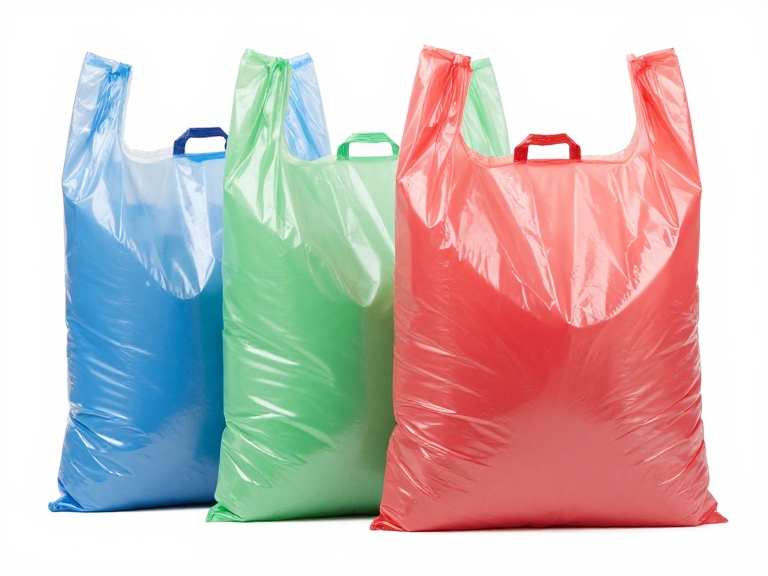
- HDPE: Typically stiffer and more crinkly, often used for shopping and carrier bags.
- PP: Can provide a relatively clear, crisp film and is used in certain product packaging applications.
- Multilayer films: Combine different materials to achieve barrier, sealing, print, or mechanical properties that a single layer may not provide.
Do not assume that one material is universally better. A thin HDPE carrier bag and a flexible LDPE pouch serve different purposes. If your product has sharp corners, a heavy load, or demanding storage conditions, ask the supplier to recommend a suitable structure and validate it with samples.
2. Confirm the exact dimensions—not just the bag category
Dimensions are one of the most common sources of avoidable ordering problems. A bag that is technically the correct type can still be unusable if its opening is too narrow, its gusset is too small, or its usable internal dimensions are misunderstood.
Specify width, length, gusset depth, flap length, and any other relevant measurements. Clarify whether the dimensions refer to the finished bag, the flat film, or the usable internal space. For bags with side or bottom gussets, provide a drawing or reference sample whenever possible.
For e-commerce packaging, test the bag with the actual product and any protective inserts. For retail carry bags, include the handle opening and the space required for the product to sit comfortably without excessive strain.
3. Understand film thickness and how it is measured
Plastic film thickness is commonly expressed in microns (µm), mils, or gauge. These units are not interchangeable without conversion. A supplier quoting “2 mil” and another quoting “50 microns” may be describing approximately the same nominal thickness, but you should confirm the measurement and tolerance.
Thickness alone does not determine bag strength. Resin type, film formulation, manufacturing consistency, bag dimensions, seal quality, and the shape of the contents all influence performance. A thicker bag made from an unsuitable material can perform worse than a properly engineered thinner bag.
We recommend specifying a target thickness and an acceptable tolerance, then testing the bag under realistic loading conditions. For commercial users, ask how thickness is measured and whether inspection records are available for production batches.
4. Match the bag’s strength to the product weight and handling conditions
A bag used for lightweight garments has different requirements from one carrying hardware, food containers, or products with sharp edges. Consider not only the static weight but also what happens during filling, stacking, transport, and customer handling.
Ask the supplier about tensile strength, tear resistance, puncture resistance, and seal strength where relevant. For carrier bags, handle strength is particularly important. For shipping bags, check the closure and the resistance of the film to tearing during sorting and handling.
Do not approve a bag simply because it holds the product once. Test repeated handling, realistic packing speed, and the way the bag behaves when filled to its intended capacity.
5. Decide whether you need a standard bag or custom printing
Standard unprinted bags are often the most economical option for businesses that prioritize function, speed, and simple inventory management. Custom printing becomes worthwhile when packaging is part of the customer experience or when the brand needs visible identification during retail, delivery, or distribution.
Printing can introduce extra setup costs, artwork preparation, color matching, and production considerations. The number of colors, print coverage, repeat order volume, and bag material can all affect the quotation.
Before approving artwork, confirm the print area, orientation, color references, file format, and whether the supplier will provide a pre-production proof. If your brand needs a broader identity system, coordinate the bag design with custom packaging labels rather than treating each packaging element separately.
6. Select the right closure and bag structure
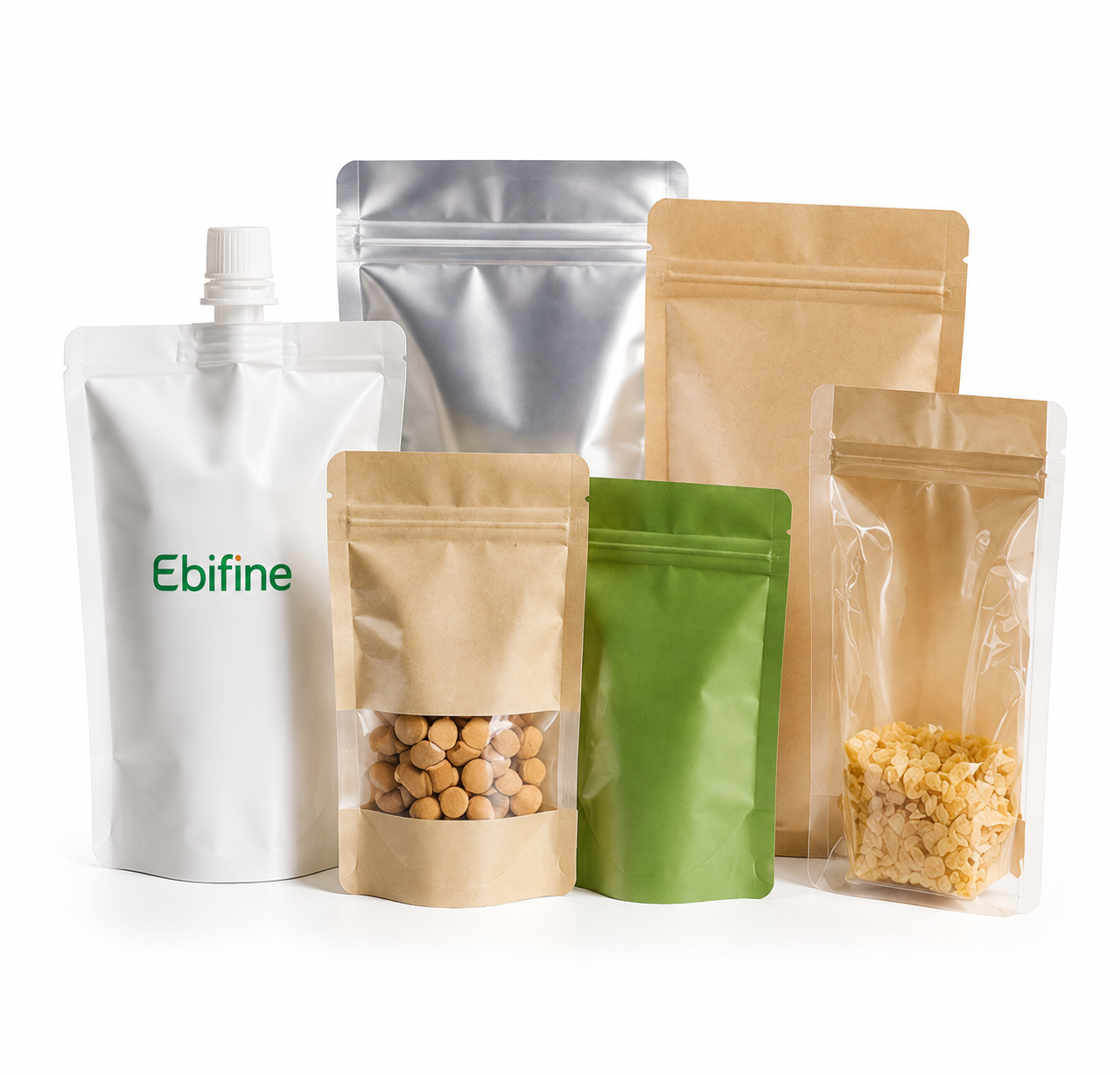
Not all plastic bags are open-top bags. Depending on the product, you may need a zipper, press-to-close seal, adhesive flap, heat seal, hang hole, handle, side gusset, or bottom gusset.
Resealable packaging is useful when customers need repeated access to the contents. A heat-sealed bag may be more appropriate when tamper evidence or a sealed presentation is required. A gusseted bag can provide additional volume, but the dimensions must be specified accurately.
For products that need repeated opening and closing, compare the closure’s durability and ease of use. For food or moisture-sensitive goods, evaluate the complete packaging structure rather than assuming that a zipper alone provides an adequate barrier.
7. Check food-contact and destination-market requirements
If the bags will directly or indirectly contact food, do not rely on a supplier’s general statement that the material is “food grade.” Ask for the relevant declarations, test reports, material details, and intended-use limitations for the destination market.
Regulatory requirements vary by country and by the type of packaging. Food-contact rules may address material composition, migration, manufacturing controls, and labeling. Other markets may restrict certain single-use plastic bags, impose thickness or labeling requirements, or prohibit specific formats.
For businesses selling internationally, confirm the applicable rules before ordering. A bag that is acceptable in one market may be restricted in another. Environmental claims such as “recyclable,” “compostable,” and “biodegradable” should also be supported by evidence relevant to the actual product and local disposal infrastructure.
8. Calculate MOQ, lead time, and inventory requirements together
Minimum order quantity (MOQ) is only one part of the purchasing decision. A supplier may offer a low unit price at a high MOQ, but the resulting inventory may occupy warehouse space and tie up working capital for months.
Ask for pricing at several order quantities and compare the cost against your actual usage rate. Include production lead time, shipping time, customs clearance, and a safety stock allowance. If you have seasonal demand, plan orders around the expected peak rather than relying on a standard replenishment cycle.
For beginners, a smaller trial order may be worth a slightly higher unit cost because it limits the risk of committing to an unsuitable specification. For established businesses with stable consumption, a larger order can improve purchasing efficiency if the storage and cash-flow implications are manageable.
9. Evaluate the supplier’s quality control—not just the sample
A good sample is useful, but it does not prove that every production batch will match it. Ask how the supplier controls incoming materials, film thickness, dimensions, printing, sealing, appearance, and finished-bag packing.
Agree on acceptable tolerances and inspection criteria before mass production. Depending on the order, checks may include visual defects, dimensions, thickness, seal integrity, print alignment, quantity, and packaging condition. For demanding applications, consider independent pre-shipment inspection.
In most professional situations, the most valuable supplier is the one that can reproduce the approved specification consistently. A low quotation is not attractive if defects, delays, or inconsistent batches create extra labor and customer complaints.
10. Compare total landed cost and long-term supply reliability
The quoted factory price is not the final cost of buying plastic bags wholesale. Your total landed cost may include tooling, printing setup, samples, packing, inland transport, international freight, insurance, customs duties, taxes, inspection, and local delivery.
Compare quotations on the same basis. Confirm the Incoterm, shipment method, payment terms, carton quantity, gross weight, volume, and what happens if the delivered goods do not meet the agreed specification.
Also evaluate communication and repeat-order reliability. Can the supplier retain your approved artwork and specifications? Can it explain material substitutions before making them? Does it have a clear process for handling quality complaints? These questions matter more when packaging is a recurring operational requirement.
Plastic Bag Material Comparison: Which Type Should You Buy Wholesale?
The best material depends on the product, required performance, and packaging environment. Use this table as a starting point for supplier discussions, not as a substitute for testing the finished bag.
| Material or structure | Typical characteristics | Common applications | Buying consideration |
|---|---|---|---|
| LDPE | Flexible, soft, and available in clear or colored film | General-purpose bags, liners, protective packaging | Check thickness, puncture resistance, and seal quality for the intended load |
| LLDPE | Often selected for toughness and resistance to tearing or puncture | Heavy-duty liners, industrial and shipping applications | Specify the performance requirement rather than relying on the resin name alone |
| HDPE | Stiffer film with a characteristic crinkly feel | Carrier bags, shopping bags, lightweight retail packaging | Check handle strength, local restrictions, and thickness requirements |
| PP | Can offer clarity and a crisp appearance | Product presentation and selected retail packaging | Confirm the required flexibility, sealing behavior, and application suitability |
| Multilayer flexible film | Combines layers to provide tailored barrier or sealing properties | Food packaging, pouches, moisture-sensitive products | Confirm layer structure, food-contact suitability, and recyclability claims |
| Compostable film | Designed to meet specific compostability requirements under defined conditions | Selected waste and packaging applications | Request certification for the exact product and verify local composting availability |
When is a ziplock bag worth the extra cost?
A resealable bag is worth considering when customers need to access the product multiple times, when contents should be kept together, or when the packaging itself is part of storage convenience. For example, ziplock packaging bags can suit small components, accessories, samples, and selected consumer products.
However, do not assume that a zipper makes a package airtight or suitable for long-term food storage. The complete film structure, closure design, seal integrity, and intended use must be assessed together.
When should you consider alternatives to conventional plastic bags?
Some businesses need reusable or fiber-based packaging rather than conventional single-use film. For retail promotions, custom reusable shopping bags may offer repeated brand exposure. For certain dry products, kraft paper pouches may provide a different presentation and material profile.
These alternatives are not automatically more sustainable in every situation. Their real environmental performance depends on material sourcing, production, transport, reuse frequency, collection, and end-of-life infrastructure. Choose based on the actual use case, not a marketing label.
Benefits and Limitations of Buying Plastic Bags Wholesale
Benefits
- Lower purchasing cost at scale: bulk orders can reduce the unit price when the quantity matches actual demand.
- Consistent packaging supply: planned wholesale purchasing can reduce the risk of running out of essential packaging.
- Customization options: suitable suppliers can offer specific sizes, colors, thicknesses, printing, and closures.
- Operational efficiency: standardized packaging can make storage, picking, filling, and dispatch more predictable.
- Brand visibility: printed bags can support product identification and a more consistent customer experience.
Limitations
- Inventory commitment: high MOQs can tie up cash and storage capacity.
- Specification risk: unclear requirements can lead to bags that do not fit or perform as expected.
- Regulatory exposure: certain plastic bag formats may be restricted or subject to fees and labeling requirements.
- Environmental concerns: single-use plastic can create waste-management challenges where collection and recycling are inadequate.
- Supplier dependency: inconsistent quality or long lead times can disrupt daily operations.
Pros and Cons: Wholesale Plastic Bags
| Pros | Cons |
|---|---|
| Potentially lower unit cost for repeat, high-volume demand | Large orders can create excess stock and cash-flow pressure |
| Wide choice of materials, sizes, closures, and printing options | More options make technical specification and comparison essential |
| Can standardize packaging across multiple locations or product lines | One standard bag may not suit every product or packing process |
| Custom printing can improve brand recognition | Printing may add setup costs and extend lead time |
| Direct supplier relationships can support repeat orders | Supplier quality and delivery performance must be monitored |
Choose Plastic Bags Wholesale by Industry and Application
Retail and shopping
Retailers should consider bag size, handle strength, carrying comfort, print quality, and local restrictions on single-use carrier bags. If your business wants customers to reuse the packaging, compare conventional carrier bags with PP non-woven bags or other reusable formats. Do not assume non-woven material is automatically reusable enough to justify its cost; the product must be durable and customers must actually use it repeatedly.
Restaurants and food businesses
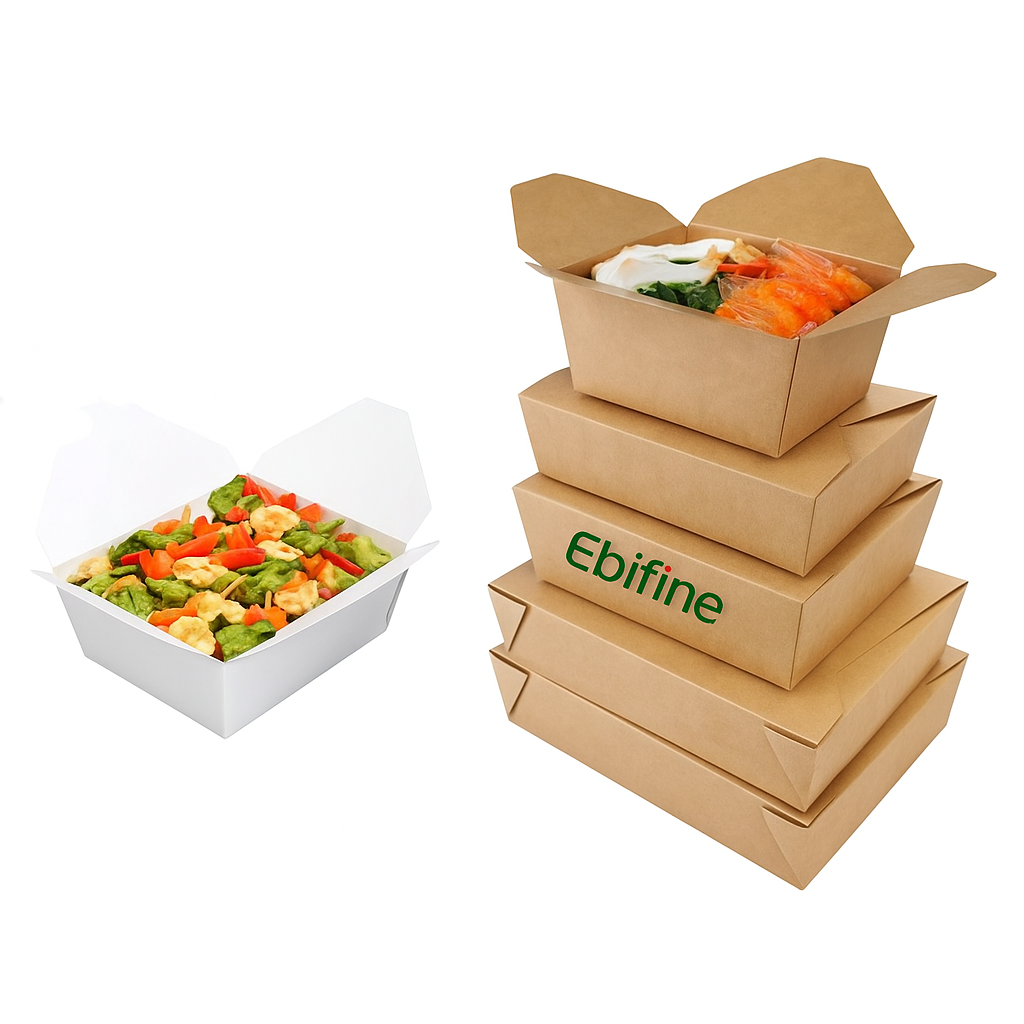
Restaurants need packaging that fits the food container, protects against spills where appropriate, and withstands the temperature and handling conditions involved. Food-contact compliance is essential when the bag touches food directly. For a broader packaging setup, review restaurant packaging solutions and assess bags together with containers, labels, and other service items.
E-commerce and shipping
Online sellers should consider the bag’s ability to protect products during fulfillment and transport. A shipping bag needs an appropriate closure, enough room for the item and any protective material, and resistance to tearing under normal handling. Test the complete packed parcel rather than evaluating an empty bag.
Food, snacks, and specialty products
For products that need barrier protection, a simple poly bag may not be sufficient. Moisture, oxygen, aroma, light, and sealing requirements may call for a more specialized flexible packaging structure. In these situations, discuss the product’s shelf-life requirements with the supplier and request relevant performance evidence.
Some brands may also compare flexible bags with rigid packaging such as custom tin boxes. The right choice depends on product protection, retail positioning, shipping cost, and how customers use the package after purchase.
How to Choose a Reliable Plastic Bag Wholesale Supplier
A reliable supplier should be able to translate your packaging needs into a clear, repeatable specification. The best purchasing relationship is not built around a single quotation; it is built around consistent product quality, transparent communication, and dependable replenishment.
Ask for a complete quotation
Your quotation request should include:
- Bag type and intended application.
- Material and, where relevant, film structure.
- Finished dimensions, including gussets and flap details.
- Thickness and acceptable tolerance.
- Color, transparency, and printing requirements.
- Closure, handle, sealing, or other structural details.
- Quantity per order and expected annual demand.
- Packaging method, carton quantity, and shipping destination.
- Required certificates, test reports, or compliance documents.
- Sample cost, production lead time, payment terms, and delivery terms.
Check whether the supplier can support more than one packaging format
If your business sells multiple product categories, a supplier with broader packaging capabilities may simplify procurement. However, breadth alone is not proof of technical expertise. Evaluate the supplier’s experience with the specific bag structure and performance requirements you need.
Ebifine offers flexible packaging solutions alongside other packaging products. This can be useful when a buyer wants to coordinate several packaging formats, but each product should still be assessed against its own specifications and compliance requirements.
Look beyond the sample and request a repeat-order process
Ask how the supplier stores approved artwork and specifications, controls material changes, records batch details, and handles nonconforming goods. If the supplier changes a resin grade, film thickness, or production process, you should be informed before the change affects your order.
For commercial users, a documented repeat-order process is a practical advantage. It reduces the time spent re-explaining requirements and helps maintain consistency as order volumes increase.
MOQ, Wholesale Pricing, and Total Cost of Ownership
Wholesale prices are influenced by material, thickness, dimensions, bag construction, printing, order quantity, production efficiency, and shipping. There is no meaningful universal price for “plastic bags” because two bags with different dimensions or film specifications are not equivalent products.
How to compare quotations fairly
Request pricing at several quantity levels, such as a trial order, a regular replenishment quantity, and a larger annual-volume scenario. Make sure every supplier quotes the same specification. Otherwise, the cheapest offer may simply be a thinner bag, a smaller size, a different resin, or a less demanding print specification.
Calculate total cost per usable bag rather than cost per ordered bag. If a batch has a high defect rate, poor sealing, or inconsistent dimensions, the apparent unit-price saving can disappear through waste and labor.
When does a larger wholesale order make financial sense?
A larger order is usually worth considering when demand is predictable, the product specification is stable, and storage capacity is available. It may reduce unit cost and freight cost per piece, but it also increases inventory exposure.
For a new product or uncertain sales channel, start with a controlled trial order if the supplier’s MOQ allows it. For a mature product with steady consumption, negotiate volume pricing and a planned replenishment schedule. Avoid buying more than you can reasonably use before the product, packaging design, or regulations change.
Consider reusable and alternative packaging in the cost calculation
For some businesses, the lowest-cost single-use bag is not the best long-term choice. A reusable option may cost more per unit but deliver value over repeated uses or through brand exposure. Compare the expected number of uses, product durability, cleaning requirements, transport impact, and customer behavior.
For example, custom cotton bags may suit gift packaging, promotional campaigns, and retail applications where reuse is part of the value proposition.

Alternative option: Custom Cotton Bags for Reusable Packaging
Ebifine’s custom cotton bag option is designed for gifts, retail, and promotional use. It uses canvas material in a tote bag structure and supports customization.
- Material: Canvas
- Structure: Tote bag
- MOQ: 100 pieces
- Lead time: 15–20 days
This is not a direct replacement for every plastic bag. It is worth considering when the packaging is intended to be reused and the customer experience justifies a higher unit cost.
Common Mistakes When Buying Plastic Bags Wholesale
Choosing by thickness alone
Thickness is important, but it does not tell the whole story. Material formulation, bag design, seals, and the shape of the contents also affect performance. Ask for a sample and test the actual application.
Using vague specifications
Descriptions such as “large,” “strong,” or “premium” are not production specifications. Provide dimensions, material, thickness, tolerance, closure, and performance expectations in writing.
Ignoring local plastic bag restrictions
Some markets restrict specific types of single-use plastic bags, impose minimum thickness or labeling requirements, or charge fees. Check the rules where the bags will be distributed before placing a bulk order.
Assuming all recyclable or compostable bags are equivalent
Environmental claims require evidence. A recyclable bag may not be accepted by local collection systems, and a compostable product may require industrial composting conditions that are not available to customers. Verify the exact product certification and disposal route.
Approving production without a written sample standard
Keep an approved reference sample and a signed specification. Confirm what happens if production differs in size, thickness, color, printing, or sealing. This is especially important for repeat orders and custom-printed packaging.
Overlooking freight and storage
Plastic bags can be lightweight but bulky. Carton dimensions and shipment volume may affect freight cost more than expected. Ask for carton size, gross weight, packing quantity, and shipping estimates before comparing offers.
Expert Recommendation: A Practical Checklist Before You Place a Wholesale Order
From our experience, the best wholesale packaging purchase is the one that performs reliably in the real packing environment and remains economical across repeat orders. Do not over-specify a simple bag, but do not under-specify a product that carries weight, protects sensitive contents, or must meet food-contact requirements.
Use this checklist before approving your supplier
- Have you identified the exact product and intended application?
- Have you selected a suitable material or film structure?
- Are width, length, gusset, flap, and other dimensions clearly defined?
- Have you specified thickness and acceptable tolerance?
- Have you tested the bag with the actual product and packing process?
- Are the handle, closure, and seals suitable for expected use?
- Have you approved the artwork and print proof, if applicable?
- Have you confirmed destination-market regulations and required documents?
- Have you checked MOQ, production lead time, and shipping time?
- Have you compared total landed cost rather than unit price alone?
- Is there a written quality standard and approved reference sample?
- Are repeat-order specifications and material-change procedures documented?
For beginners, we recommend starting with a standard or lightly customized bag, validating its performance, and increasing customization only when the business case is clear. For established brands, custom printing or a more specialized flexible packaging structure can be worthwhile when it improves product protection, shelf presentation, or brand recognition.
Ebifine can be considered as a packaging solution provider when you need to compare different packaging formats, from flexible packaging to reusable bags and related accessories. The right starting point is a clear product brief, not a generic request for the cheapest plastic bag.
If your project requires several packaging formats, review the available flexible packaging solutions and identify which products need a conventional bag, a resealable pouch, a reusable carrier, or a different packaging structure. For some retail applications, compostable cutlery may also be relevant as part of a broader packaging assortment, provided its certification and disposal requirements match the destination market.
Frequently Asked Questions About Buying Plastic Bags Wholesale
1. What is the best material for wholesale plastic bags?
There is no single best material for every application. LDPE is commonly used for flexible general-purpose bags, LLDPE may be selected where toughness is important, HDPE is common in carrier bags, and PP is used in selected clear packaging applications. Choose based on load, product type, sealing needs, and destination requirements.
2. What information should I provide when requesting a plastic bag wholesale quotation?
Provide the bag type, intended use, material, dimensions, thickness, quantity, color, printing details, closure, packing requirements, and delivery destination. If possible, include a drawing, product sample, or reference photograph with measurements.
3. Is a thicker plastic bag always stronger?
No. Thickness contributes to performance, but resin formulation, film structure, bag dimensions, seal quality, and handling conditions also matter. Test the finished bag with the intended contents rather than selecting thickness in isolation.
4. What is MOQ when buying plastic bags wholesale?
MOQ means minimum order quantity. It is the smallest quantity a supplier is willing to produce or sell for a particular specification. MOQ can vary by bag type, size, color, printing, material, and whether the product is standard or custom-made.
5. Can wholesale plastic bags be customized with a company logo?
Yes. Many manufacturers offer printing or other branding options. Confirm the print method, number of colors, print area, artwork requirements, setup cost, and minimum order quantity before placing the order.
6. How do I know whether a plastic bag is suitable for food contact?
Ask for material information and documentation demonstrating compliance with the requirements in the destination market. The suitability depends on the exact material, additives, manufacturing conditions, food type, temperature, and intended contact conditions.
7. Should I buy standard plastic bags or custom-made bags?
Standard bags are usually more practical when speed, simple specifications, and low initial commitment matter most. Custom-made bags are worth considering when you need specific dimensions, printing, closures, barrier properties, or a distinctive brand presentation.
8. Are compostable plastic bags always better for the environment?
Not automatically. Compostable bags need suitable conditions and collection systems to break down as intended. Check the certification, composting conditions, and local disposal infrastructure before making environmental claims or choosing them for a packaging program.
9. How can I reduce the cost of buying plastic bags wholesale?
Standardize dimensions and specifications across products where practical, compare several order quantities, reduce unnecessary printing complexity, and plan orders around realistic consumption. Do not reduce thickness or material quality without testing the effect on performance and waste.
10. What should I check before approving mass production?
Approve a representative sample and confirm material, dimensions, thickness, tolerances, printing, closure, packing method, and quality criteria in writing. Also confirm the delivery schedule, inspection process, and how nonconforming products will be handled.
References and Industry Guidance
- U.S. Food and Drug Administration — Food Contact Substances. Official information on substances used in materials that contact food and the applicable regulatory framework.
- European Commission — Single-use Plastics. Official overview of EU measures addressing the environmental impact of selected single-use plastic products.
- ISO 18604 — Packaging and the Environment: Material Recycling. International standard addressing material recycling as part of packaging and the environment framework.
Regulatory requirements and standards depend on the product, material, intended use, and destination market. Confirm the current requirements with the relevant authority or qualified compliance professional before manufacturing or importing packaging.