The packaging industry is plagued by intermediaries posing as direct manufacturers. If you are a procurement manager for a premium brand, handing your custom packaging project over to an unverified trading company is the fastest way to hemorrhage capital, miss crucial launch deadlines, and compromise your product’s safety. From our experience at Ebifine, executing global packaging contracts for top-tier brands, the decision of choosing a tin box manufacturer dictates not just the aesthetics of your product on the shelf, but the fundamental stability of your entire supply chain.
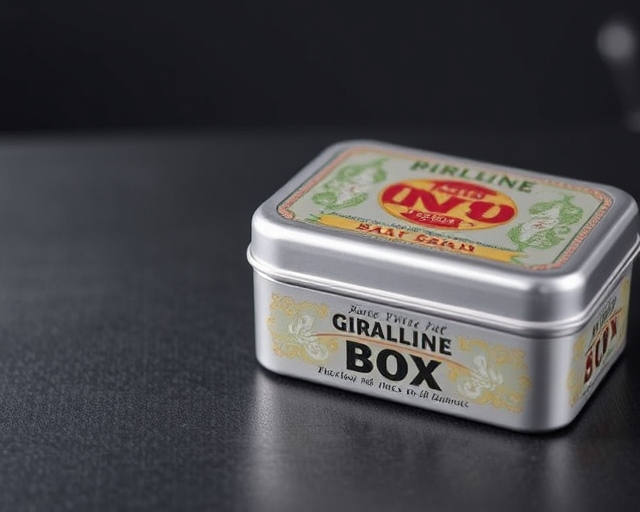
In most professional situations, treating tin box procurement as a simple commodity purchase is a massive error. Custom tinplate packaging involves complex lithographic printing, precise steel stamping, and rigorous food-safety compliance. A manufacturer who cuts corners on the inner varnish coating can literally poison your food products or cause your cosmetics to oxidize. You must exercise strict commercial and practical judgment. You do not just need a factory; you need an audited partner. In this definitive guide, we take an uncompromising position on exactly what to scrutinize when choosing a tin box manufacturer, explaining whether specific manufacturing capabilities are actually worth paying a premium for, and how to protect your brand’s bottom line.
Quick Answer: Core Criteria for Choosing a Tin Box Manufacturer
If you are actively evaluating suppliers for your next packaging run, these are the non-negotiable elements you must demand:
| Criteria | Why It Matters | Expert Recommendation |
|---|---|---|
| Direct Factory Status | Trading companies add 20-30% markups and cannot control production schedules. | Demand a live video tour of the stamping lines and printing presses. |
| Mold Ownership | If you pay for custom tooling, you must own the physical mold to prevent supplier lock-in. | Put mold ownership explicitly in your initial commercial contract. |
| Food-Grade Certification | Tinplate interacts with food/cosmetics. Non-compliant varnishes cause toxicity. | Require up-to-date FDA or LFGB testing reports for the specific inner coating. |
| In-House Printing | Outsourced printing leads to massive color variations between production batches. | Only partner with factories operating their own CMYK/Pantone lithography machines. |
We recommend establishing these four pillars before discussing pricing. A cheap quote from a factory lacking these standards will inevitably result in unsalable inventory.
Table of Contents
- What It Is: The Tin Box Manufacturing Ecosystem
- How It Works: Stamping and Lithography
- Benefits of Tinplate Packaging
- Limitations of Custom Tins
- 10 Things to Consider When Choosing a Tin Box Manufacturer
- Who Should Use Custom Tin Packaging
- Who Does Not Need Tin Packaging
- Common Procurement Mistakes
- Pros & Cons and Comparison Tables
- Expert Recommendation & Alternative Solutions
- Frequently Asked Questions
What It Is: The Tin Box Manufacturing Ecosystem
Choosing a tin box manufacturer means entering a highly specialized sector of the metal packaging industry. Tinplate is essentially steel coated with a microscopic layer of tin for rust resistance. A true manufacturer houses heavy-duty pneumatic or hydraulic stamping machines, offset printing presses, and automated assembly lines. When reviewing a comprehensive tin box industry guide, you quickly realize that the market is bifurcated: genuine Tier-1 factories that control the entire process from raw material slitting to final packaging, and Tier-3 trading houses that simply broker deals and outsource the actual stamping to unverified workshops.
How It Works: Stamping and Lithography
How it works physically dictates the commercial realities of your procurement. First, the flat sheets of tinplate are printed using CMYK or Pantone offset lithography. Unlike paper printing, metal printing requires the sheets to pass through massive industrial ovens to bake the inks and protective varnishes. Once printed, the flat sheets are slit into smaller strips. These strips are then fed into heavy-duty molding machines where immense pressure stamps them into 3D shapes (round, square, custom). This reliance on physical molds is why choosing a tin box manufacturer with an extensive library of existing tooling can save you thousands of dollars in setup fees.
Benefits of Tinplate Packaging
The primary benefit of tin packaging is elevated perceived value. Consumers inherently view metal packaging as a premium, keep-sake item, which justifies a higher retail price for your product. Furthermore, tinplate offers an absolute barrier against light, oxygen, and moisture, making it infinitely superior to plastic for preserving the shelf life of teas, coffees, and light-sensitive cosmetics. It is also 100% infinitely recyclable without loss of quality, aligning perfectly with modern sustainability mandates.
Limitations of Custom Tins
We must use commercial and practical judgment: tin boxes are not the right solution for every product. The primary limitation is the upfront capital required for custom tooling. If you design a completely unique shape, engineering the steel molds can cost between $1,500 and $4,000 before a single box is produced. Additionally, minimum order quantities (MOQs) are high. Because printing on metal requires setting up massive industrial presses, most legitimate factories require a minimum of 3,000 to 5,000 units per design to absorb the setup costs.
10 Things to Consider When Choosing a Tin Box Manufacturer
From our experience engineering custom packaging solutions for international markets, these are the ten critical factors you must evaluate when choosing a tin box manufacturer.
1. Direct Manufacturer vs. Trading Company
You must verify the legal status of the entity you are dealing with. Trading companies will happily take your order, but they cannot control the production queue at the factory they outsource to. This leads to broken deadlines. Ask for an ISO 9001 certificate and ensure the company name matches the factory name. Better yet, demand a live video call from the factory floor.
2. Tooling and Mold Ownership
If your project requires a custom shape or embossed logo, you will pay a tooling fee. You must secure in writing that you own the mold exclusively. Predatory manufacturers will charge you for the mold and then use it to produce generic boxes for your competitors, or refuse to transfer the mold if you decide to switch suppliers. In most professional situations, a non-disclosure agreement (NDA) combined with a mold ownership clause is mandatory.
3. In-House Printing Capabilities
Printing on metal is an art form. If a factory outsources their printing, you will suffer from severe color variation between batch one and batch two. Look for manufacturers that offer dedicated packaging printing services internally, utilizing advanced offset presses (like Fuji or Heidelberg) to ensure your brand’s Pantone colors are hit with 100% accuracy.
4. Food-Grade and Safety Certifications
If your tin box will hold food, cosmetics, or pharmaceutical products, the internal varnish must be strictly regulated. The manufacturer must provide current, independent laboratory testing reports (such as SGS or Intertek) proving compliance with FDA (US) or LFGB (Europe) standards. Do not accept outdated certificates from five years ago.
5. Minimum Order Quantities (MOQs)
Evaluate the factory’s flexibility. While standard MOQs sit around 5,000 units, a strong manufacturing partner will often negotiate a lower MOQ for your initial test market run, allowing you to validate your retail strategy without tying up massive amounts of cash in inventory.
6. Existing Mold Library
Before paying for new tooling, ask the manufacturer for their catalog of existing molds. A top-tier factory will have thousands of pre-existing shapes and sizes. By slightly adjusting your internal product dimensions to fit an existing mold, you completely bypass the tooling fees and cut 30 days off your lead time.
7. Material Quality and Thickness
Not all tinplate is created equal. For small mint tins, a 0.21mm thickness might suffice. For heavy-duty applications, such as large premium liquor canisters, you must specify a thickness of 0.25mm to 0.28mm to prevent the box from denting during international transit. Ensure the manufacturer quotes the exact thickness gauge.
8. Prototyping Capabilities
Never move to mass production without a physical, printed prototype. When choosing a tin box manufacturer, ensure they offer pre-production samples (PPS). This allows you to verify the physical fit of your product, the rigidity of the hinges, and the accuracy of the embossed artwork before committing to 10,000 units.
9. Secondary Packaging and Assembly Services
Tin boxes ship as hollow cubes, which is essentially shipping expensive air. To maximize freight efficiency, the best manufacturers offer co-packing services. They will take your primary product (or your custom EVA foam inserts) and assemble them inside the tin box at the factory, saving you immense labor costs at your domestic destination.
10. Communication and Project Management
Language barriers and time zone differences can destroy a complex manufacturing project. You are not just buying metal; you are buying project management. Your manufacturer should assign a dedicated, fluent account manager who provides weekly production updates, Gantt charts for tooling, and proactive solutions to engineering bottlenecks.
Who Should Use Custom Tin Packaging
For Commercial Users in Premium Sectors: Brands operating in the cosmetics, premium tea and coffee, spirits, and high-end confectionery markets should exclusively utilize custom tinplate or aluminum packaging. These sectors rely heavily on unboxing experiences and shelf-presence to justify premium price points. Tin delivers a tactile, heavyweight feel that folding cartons simply cannot replicate.
Who Does Not Need Tin Packaging
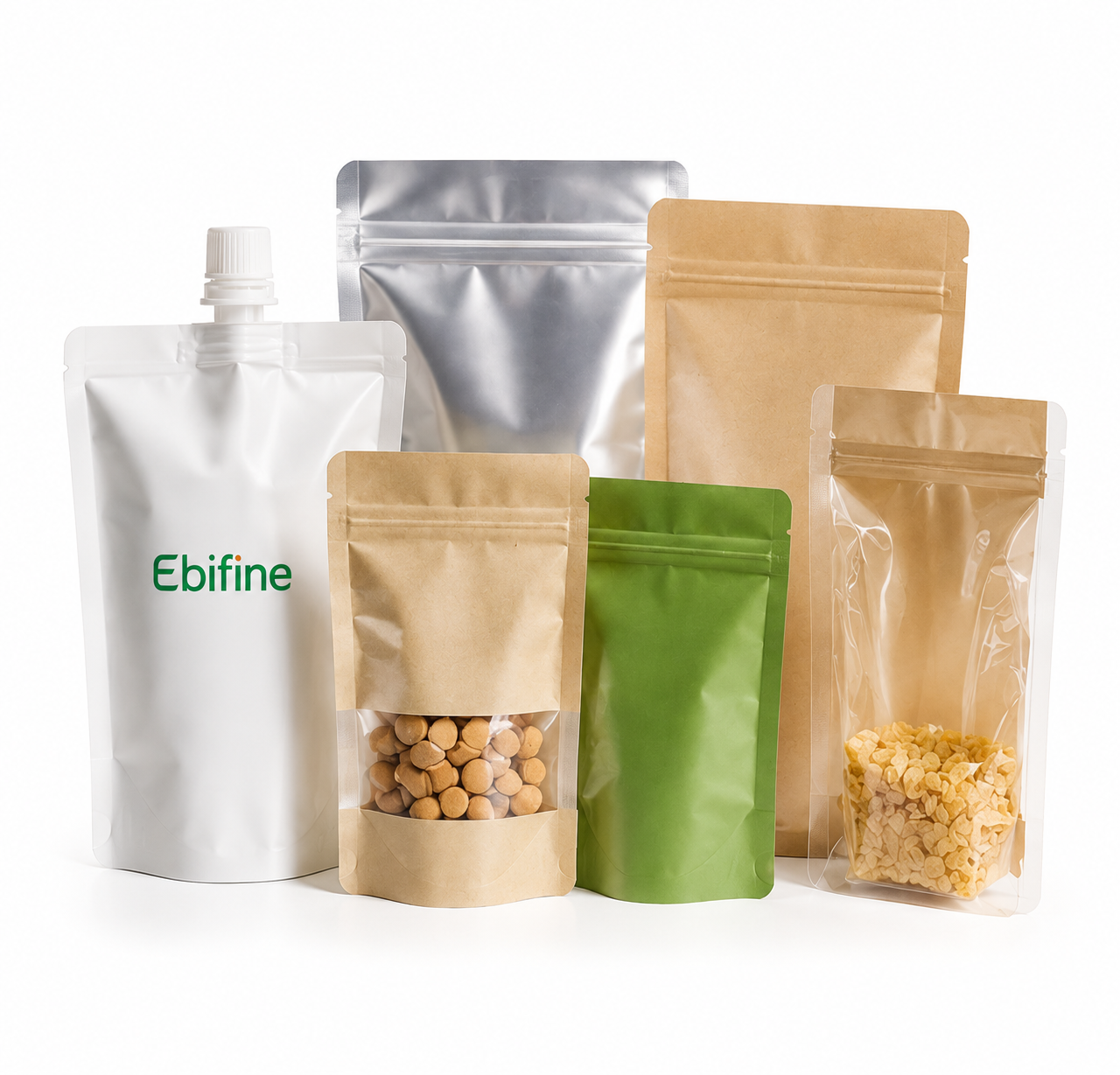
For Fast-Moving Consumer Goods (FMCG) with Low Margins: If you are selling low-cost, daily-use items like fast food, bulk dry goods, or basic catering supplies, the cost of tin packaging will erode your profit margins entirely. In these scenarios, you do not need metal. You need high-volume, eco-friendly disposables. We recommend exploring disposable tableware, aluminum foil pouches, or sustainable PLA packaging material which offers excellent barrier properties at a fraction of the cost.
Common Procurement Mistakes
In our testing and auditing of supply chains, the most catastrophic mistake buyers make is failing to define the shipping incoterms and carton specifications. Tin boxes are highly susceptible to scratching and denting during maritime shipping. If you do not explicitly mandate that the manufacturer uses individual polybags for each tin, separated by heavy-duty corrugated dividers in double-wall master cartons, your goods will arrive damaged and unsalable.
Summary and Comparison Tables
Comparison Table: Tier-1 Manufacturer vs. Trading Company
| Capability / Metric | Tier-1 Direct Manufacturer (e.g., Ebifine) | Standard Trading Company |
|---|---|---|
| Pricing Structure | Factory Direct (No hidden markups) | Inflated by 20% to 30% broker fees |
| Quality Control | In-house QA at every production step | Relies on third-party, post-production checks |
| Tooling & Mold Ownership | Clear contractual ownership for the client | Often retained by the hidden factory |
| Lead Time Reliability | High (Direct control over press schedules) | Low (Subject to factory prioritization) |
Pros and Cons of Tin Box Packaging
| Pros (Why Brands Choose Tin) | Cons (The Commercial Reality) |
|---|---|
| Exceptional premium feel that elevates brand perception. | High upfront tooling costs for custom shapes. |
| 100% infinitely recyclable, highly sustainable material. | Requires high MOQs to be cost-effective. |
| Superior barrier protection against light, air, and moisture. | Prone to denting if improperly packed for ocean freight. |
| High retention rate; consumers repurpose and keep the tins. | Longer lead times (often 30-45 days) compared to paper boxes. |
Expert Recommendation & Alternative Solutions
Is the rigorous process of choosing a tin box manufacturer actually worth it? Emphatically, yes. For retail packaging that needs to dominate a physical store shelf, nothing commands attention like a beautifully lithographed, embossed metal tin. We recommend conducting a thorough audit of any potential supplier using the ten points outlined above. Do not compromise on mold ownership or food-grade certifications.
However, if your commercial analysis reveals that the MOQs or tooling costs of custom tin are currently out of reach for your product’s margin profile, you do not have to sacrifice quality. You must pivot to a high-end alternative that still provides structural integrity and brandability without the tooling overhead.
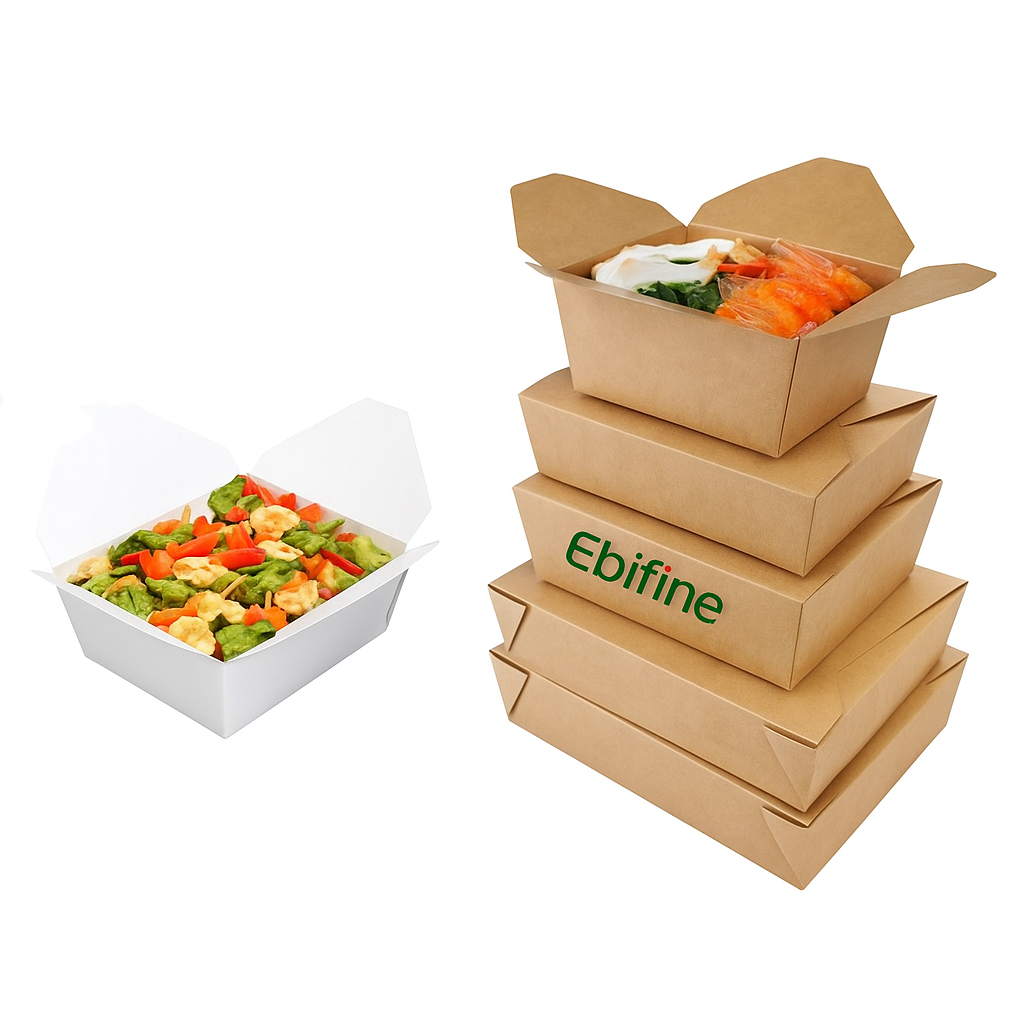
Kraft Paper Food Box Solutions
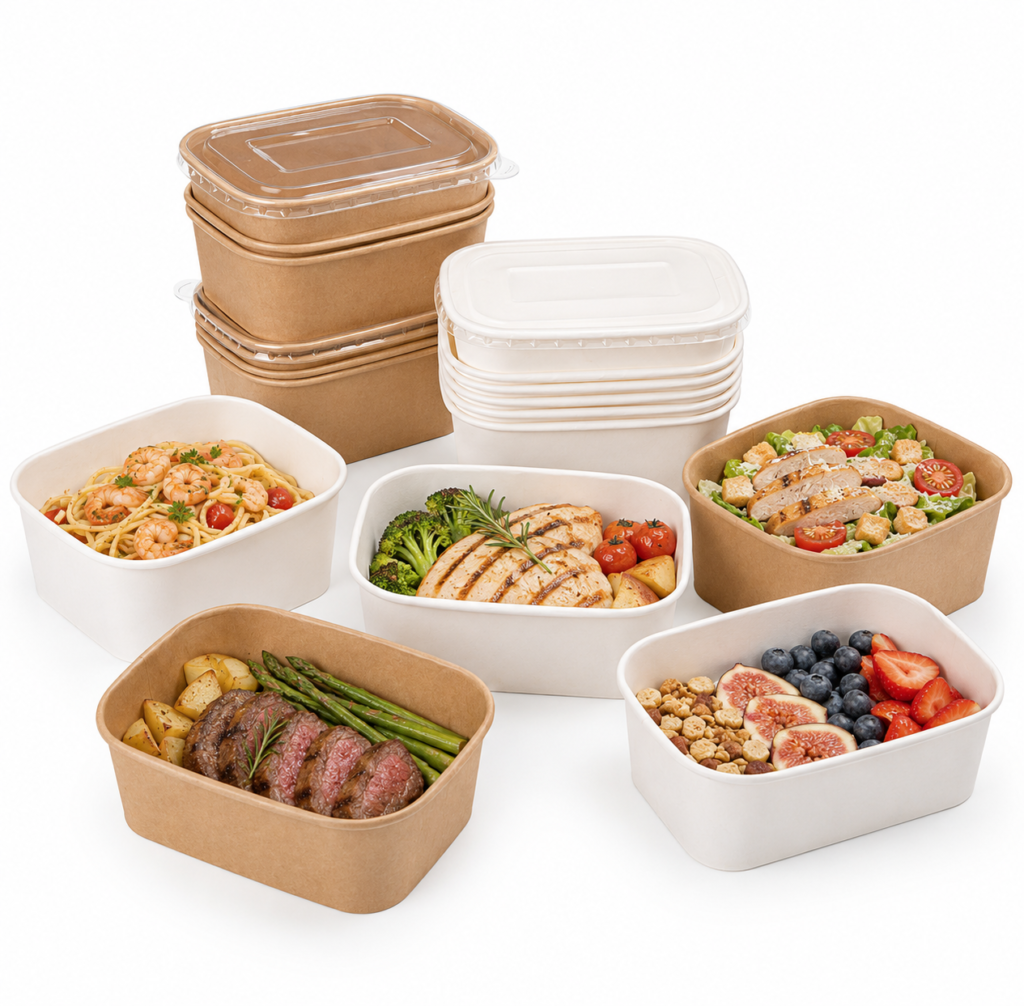
If your brand requires rapid deployment, lower MOQs, or is operating in the fast-paced takeaway and bakery sectors, rigid tinplate is often the wrong choice. Our Kraft paper food boxes offer exceptional durability and full custom printing without the massive tooling investments of metal packaging.
- Application: Takeaway, restaurant, bakery, and fast-food packaging.
- Material: Eco-friendly, food-grade disposable containers.
- Customization: Full color custom printing available to elevate your brand.
- Agility: Low MOQ of just 100 units with rapid lead times of 15-20 days.
Frequently Asked Questions
How much does a custom tin box mold cost?
In most professional situations, engineering a custom steel mold for a tin box costs between $1,500 and $4,000, depending on the complexity, size, and embossing requirements. However, choosing a tin box manufacturer with a vast library of existing molds can completely eliminate this cost.
What is the standard MOQ for custom tin boxes?
Due to the setup costs of offset lithography printing presses and steel stamping machines, the industry standard Minimum Order Quantity (MOQ) is generally between 3,000 and 5,000 units per design. Smaller runs are economically unviable for the factory.
Are tin boxes safe for direct food contact?
Yes, provided they are manufactured correctly. Tinplate itself is safe, but it must be coated with a food-grade, BPA-free internal varnish to prevent acidic or basic foods from reacting with the metal. You must explicitly demand FDA or LFGB certified food-safe coatings from your supplier.
Why do tin boxes take so long to manufacture?
The manufacturing process involves printing raw metal sheets, baking them in industrial ovens, slitting the metal, stamping it into 3D shapes, curling the edges, and manual assembly. This multi-step mechanical process typically requires 30 to 45 days of production time after sample approval.
Industry References & Authoritative Guidelines
To ensure our manufacturing guidance aligns with global safety and quality standards, Ebifine strictly adheres to the protocols established by the following authoritative organizations:
- International Organization for Standardization (ISO): The global body governing quality management systems. We recommend only partnering with ISO 9001 certified factories to ensure consistent production and defect management. Review ISO Manufacturing Standards
- U.S. Food and Drug Administration (FDA): The federal authority regulating food contact substances. Any tin box intended for food or cosmetics must utilize varnishes compliant with FDA guidelines for indirect food additives. Review FDA Packaging Guidelines
- Packaging Digest: A premier industry publication detailing the latest commercial trends, sustainability mandates, and technological advancements in rigid metal packaging and consumer goods. Review Industry Packaging Trends