In the highly competitive packing and printing industry, the structural integrity, aesthetic appeal, and preservation capabilities of metal packaging are paramount. Since Ebifine was established in 2016, we have dedicated our engineering and production resources to mastering the intricate science behind metal packaging. Located in Guangzhou, China, with convenient transportation access, we supply a diverse global market with premium paper bags, paper boxes, metal jars, non-woven bags, canvas bags, cosmetic packaging, food packaging, and plastic bags. Among all these substrates, metal packaging remains one of the most durable and universally respected options for brand elevation. To achieve packaging excellence, procurement managers and brand owners must thoroughly understand the precise materials used to make tin boxes.
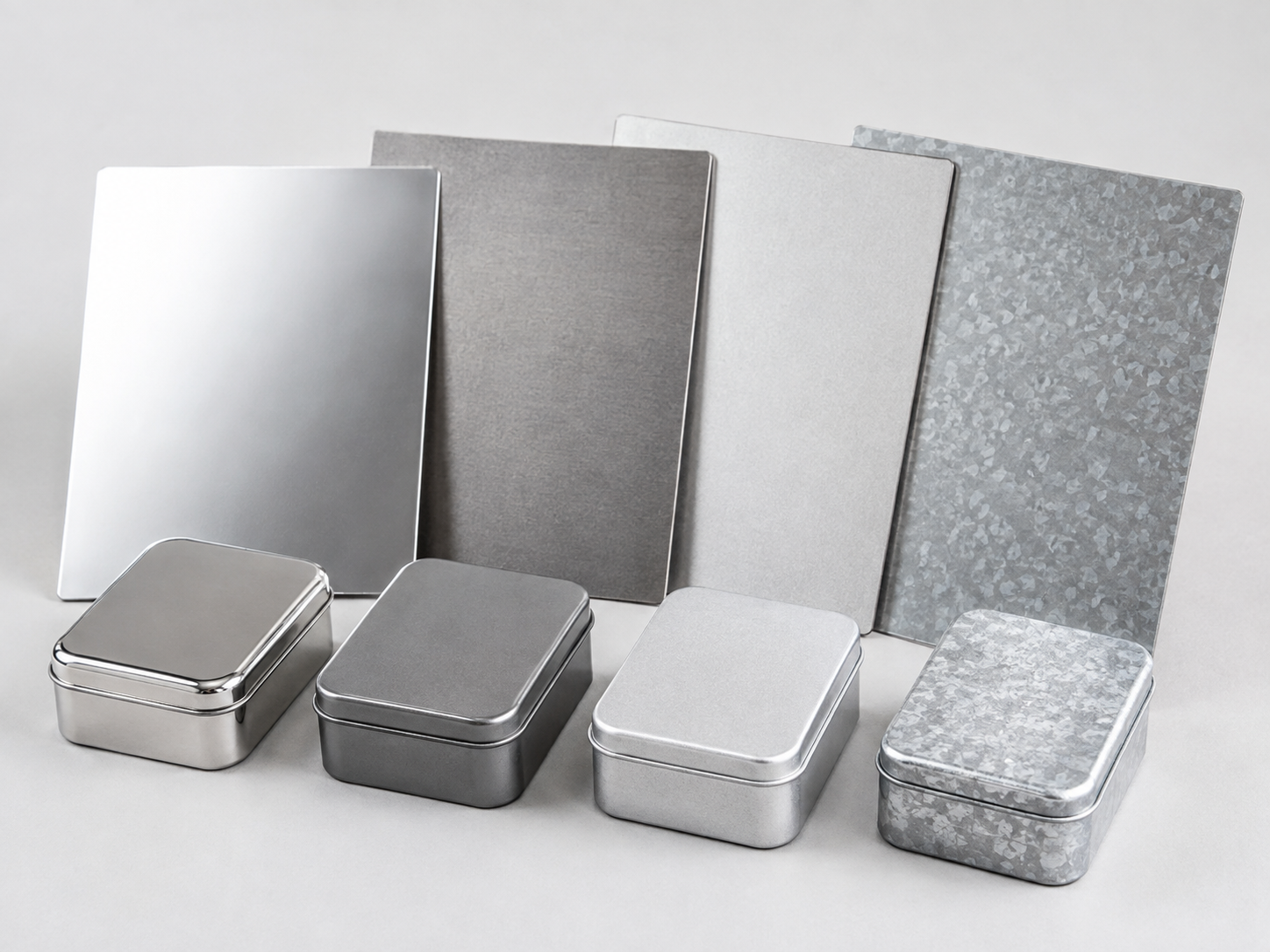
It is a common misconception that a tin box is made entirely of pure tin. In modern manufacturing, utilizing pure tin would be structurally weak and financially ruinous. Instead, the materials used to make tin boxes rely on advanced metallurgical composites. From our experience, selecting the correct substrate dictates not only the physical strength of the packaging but also its compatibility with offset printing techniques, its resistance to oxidation, and its compliance with strict food safety regulations. All of our products comply with international quality standards and are highly appreciated in various markets worldwide. We look forward to forming successful business relationships with you around the world soon. In this comprehensive, authoritative guide, we will dissect the primary materials used to make tin boxes, helping you make highly informed procurement decisions for your next manufacturing run.
Table of Contents
Summary Table: Key Materials Used in Metal Packaging
Before diving into the complex metallurgical details, we recommend reviewing this summary table. It outlines the primary materials used to make tin boxes, highlighting their specific characteristics and ideal industry applications.
| Material Type | Core Composition | Surface Coating | Primary Advantages | Ideal Applications |
|---|---|---|---|---|
| Electrolytic Tinplate (ETP) | Low-carbon cold-rolled steel | Microscopic layer of pure tin | Excellent printability, non-toxic, highly formable, superior rust resistance. | Premium food packaging, cosmetic cases, high-end retail tins. |
| Tin-Free Steel (TFS / ECCS) | Low-carbon cold-rolled steel | Electrolytic chromium and chromium oxide | Highly cost-effective, excellent paint adhesion, strong heat resistance. | Bottle crowns, industrial containers, promotional packaging. |
| Aluminum | Pure aluminum alloy | Natural aluminum oxide (anodized options available) | Extremely lightweight, infinitely recyclable, absolute rust immunity. | Beverage cans, cosmetic balms, travel candle tins. |
| Galvanized Steel | Steel core | Zinc coating | Maximum structural rigidity, heavy-duty corrosion protection. | Large industrial storage, heavy-duty lunchboxes, outdoor utility boxes. |
1. Electrolytic Tinplate (ETP): The Global Standard

When industry professionals discuss the materials used to make tin boxes, they are predominantly referring to Electrolytic Tinplate (ETP). This material is an engineering marvel that combines the immense structural strength and formability of steel with the unparalleled corrosion resistance and non-toxic properties of pure tin. The manufacturing process begins with a core of low-carbon, cold-rolled steel sheet. This steel is passed through a continuous electrolytic line where a microscopic layer of pure tin is deposited onto both sides of the sheet. From our experience, the thickness of this tin layer can be precisely calibrated based on the intended use of the final product. A thicker tin coating is applied to the interior surface if the box will hold moist food products, while a standard coating is applied to the exterior for optimum printability. We recommend ETP as the foundational material for luxury packaging. The bright, reflective surface of the tin layer acts as a perfect canvas for high-definition offset printing. When CMYK inks and Pantone colors are applied to ETP, the resulting imagery is vivid and sharp. Furthermore, tinplate is 100% infinitely recyclable without any loss of structural quality, making it one of the most environmentally responsible materials used to make tin boxes in today's eco-conscious market.
2. Tin-Free Steel (TFS): The Cost-Effective Alternative
As global tin prices fluctuate, packaging engineers have developed robust alternatives. Tin-Free Steel, also known globally as Electrolytic Chromium Coated Steel (ECCS), is a highly popular option among the materials used to make tin boxes. Instead of using pure tin, the low-carbon steel core is coated with an ultra-thin layer of metallic chromium and chromium oxide. From a manufacturing standpoint, TFS presents several distinct advantages. Primarily, the chromium oxide layer provides extraordinary adhesion properties for organic lacquers, paints, and printing inks. If your packaging design requires a heavy, full-coverage opaque print without the underlying metallic sheen showing through, TFS is often superior to ETP. Furthermore, TFS exhibits excellent heat resistance, making it suitable for products that undergo high-temperature sterilization or baking processes. However, we recommend noting that TFS does not possess the inherent sacrificial corrosion protection that pure tin offers. Therefore, it is absolutely critical that TFS is coated with high-quality protective lacquers on both the interior and exterior surfaces to prevent rusting. For promotional items and secondary packaging, TFS remains one of the most economically viable materials used to make tin boxes.
3. Aluminum: Lightweight and Rust-Resistant
While technically separate from the steel-based families, aluminum is a frequent request when clients explore materials used to make tin boxes, particularly for specific cosmetic and food applications. Aluminum alloys offer a unique set of physical characteristics: they are approximately one-third the weight of steel and are completely immune to red rust, as they do not contain iron. From our experience, aluminum is exceptionally malleable, allowing for deep-draw stamping processes that create seamless, single-piece containers. This makes it the preferred material for lip balms, mint tins, and screw-top cosmetic jars where moisture presence is guaranteed. However, aluminum is softer than tinplate, meaning it is more susceptible to denting under heavy physical impact. When selecting the materials used to make tin boxes for your brand, you must weigh the benefits of absolute rust immunity against the requirement for structural rigidity.
4. Galvanized Steel: Heavy-Duty Industrial Protection
For applications that demand extreme durability, galvanized steel is sometimes incorporated into the conversation regarding materials used to make tin boxes. Galvanization involves coating a steel core with a layer of zinc rather than tin or chromium. The zinc acts as a sacrificial anode; even if the surface is scratched, the zinc will corrode before the underlying steel begins to rust. We typically recommend galvanized steel for heavy-duty, industrial-style packaging, outdoor utility cases, or retro-styled decorative items where a raw, crystalline spangle finish is desired. It is critical to note that raw galvanized steel is not food-safe, as zinc can leach into acidic or fatty foods. Therefore, its use in consumer packaging is generally restricted to non-consumable goods or requires heavy, specialized food-grade liners.
5. The Crucial Role of Food-Grade Lacquers and Coatings
Regardless of which core materials used to make tin boxes are selected, the application of internal and external coatings is a mandatory step in professional manufacturing. At Ebifine, we understand that raw metal interacting with certain chemical compositions can lead to discoloration, off-flavors in food, or structural degradation. For food packaging, we apply FDA and EU-compliant epoxy-phenolic, polyester, or organosol lacquers to the interior of the tinplate or TFS. These lacquers form an impermeable barrier between the metal substrate and the product. On the exterior, a clear varnish (glossy, matte, or crackle finish) is applied over the printed design to protect the ink from scratching, UV degradation, and moisture during international transit. Understanding the synergy between the base metal and the applied coatings is the hallmark of a premier packaging supplier.
6. Ebifine Manufacturing Expertise and Product Integration

Since our establishment, Ebifine Import And Export Company Limited has leveraged deep technical knowledge regarding the materials used to make tin boxes to deliver unparalleled products. Our commitment to international quality standards ensures that every item leaving our Guangzhou facility performs flawlessly in the global market. Consider our Custom Glasses Tin Box Case Chinese Agent services. Eyewear requires rigid, crush-proof protection. By utilizing premium first-grade Electrolytic Tinplate (ETP), we ensure that the glasses case maintains structural integrity inside a crowded bag or suitcase, while the smooth surface allows for luxury brand embossing and high-end printing finishes. For the media and entertainment sector, our role as a Metal Tin CD DVD Case Custom China Supplier relies heavily on the aesthetic versatility of both ETP and TFS. The materials used to make tin boxes for media packaging must support highly detailed, vibrant lithographic printing to replicate movie posters or album artwork faithfully, ensuring the product stands out on retail shelves as a premium collector's item. Finally, when manufacturing products designed for daily consumer interaction, such as our Plain Metal Lunch Box With Handle China Supplier line, the choice of materials used to make tin boxes is critical for safety and longevity. We utilize highly durable, food-grade tinplate coated with non-toxic, BPA-free lacquers. This ensures the lunch box is safe for daily food transport, highly resistant to oxidation from daily washing, and strong enough to withstand the physical demands of daily use without compromising the handle and hinge mechanisms.
Frequently Asked Questions (FAQs)
What is the difference between tinplate and tin-free steel (TFS)?
The primary difference among these materials used to make tin boxes is the surface coating applied to the steel core. Tinplate uses a layer of pure tin, which provides excellent natural corrosion resistance and a bright finish. Tin-Free Steel uses a layer of chromium, which is more cost-effective and provides exceptional adhesion for paints and lacquers, though it requires a protective coating to prevent rust.
Are the materials used to make tin boxes safe for direct food contact?
Yes. When manufacturing food packaging, we utilize first-grade Electrolytic Tinplate. Furthermore, we apply strict, internationally certified food-grade lacquers to the interior surfaces. This prevents any chemical interaction between the metal and the food, ensuring absolute safety and compliance with global health standards.
Why does Ebifine use electrolytic tinplate instead of pure tin?
Pure tin is a very soft metal and is extremely expensive. By using Electrolytic Tinplate, we harness the high tensile strength and rigidity of a cold-rolled steel core, while utilizing a microscopic layer of tin on the surface to provide the necessary rust resistance and premium aesthetic. This composite approach is the global standard for the materials used to make tin boxes.
Can the materials used to make tin boxes be recycled?
Absolutely. Steel and aluminum are among the most recycled materials on the planet. The materials used to make tin boxes can be infinitely melted down and repurposed without any degradation in structural quality. This makes metal packaging one of the most sustainable and environmentally friendly options available to modern brands.
Industry References
- International Tin Association (ITA) - Standards for Electrolytic Tinplate Manufacturing and Coating Weights.
- Ebifine Import And Export Company Limited - Internal Quality Assurance and Material Specification Protocols.
- Global Standards for Food Contact Materials: FDA and European Union (EU) Framework Regulations on Metal Packaging.
- Metallurgical Science of Packaging: The Application of Chromium and Tin on Cold-Rolled Steel Substrates.