Introduction to PLA Tea Bags Release Microplastics
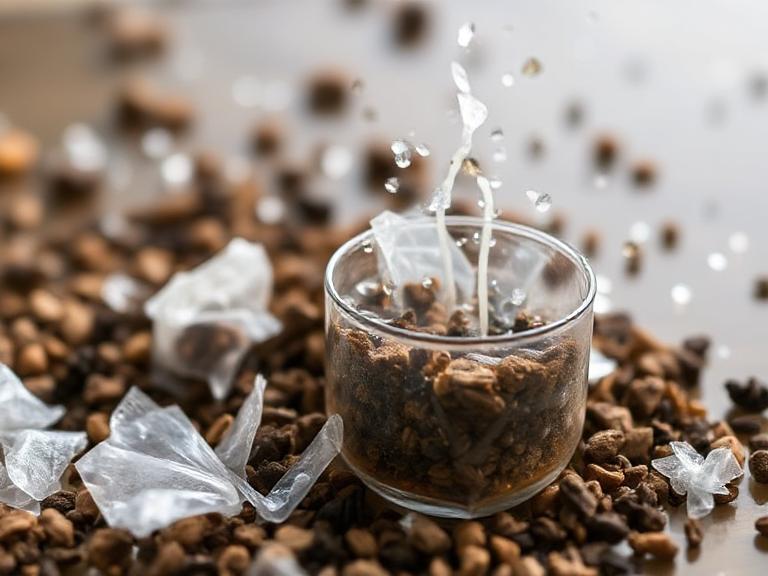
In recent years, consumers have become increasingly conscious of the environmental and health impacts of everyday products. Tea bags made from PLA (polylactic acid) are often marketed as a sustainable alternative to plastic. But a growing concern among eco-conscious tea lovers is: Do PLA tea bags release microplastics? This article explores the science behind PLA, how it compares to traditional plastics, and what it means for your daily cup of tea.
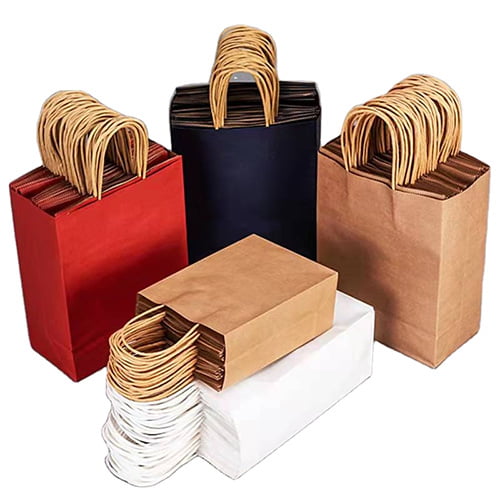
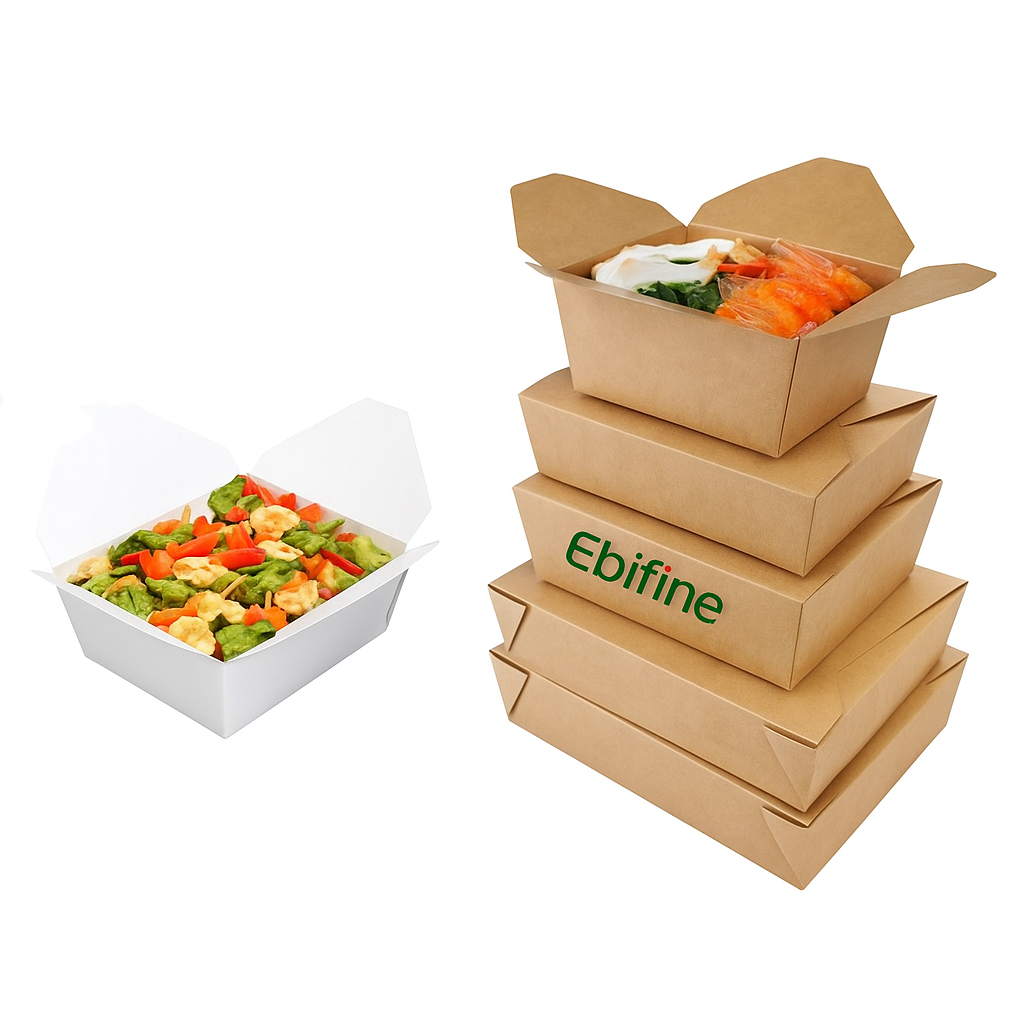
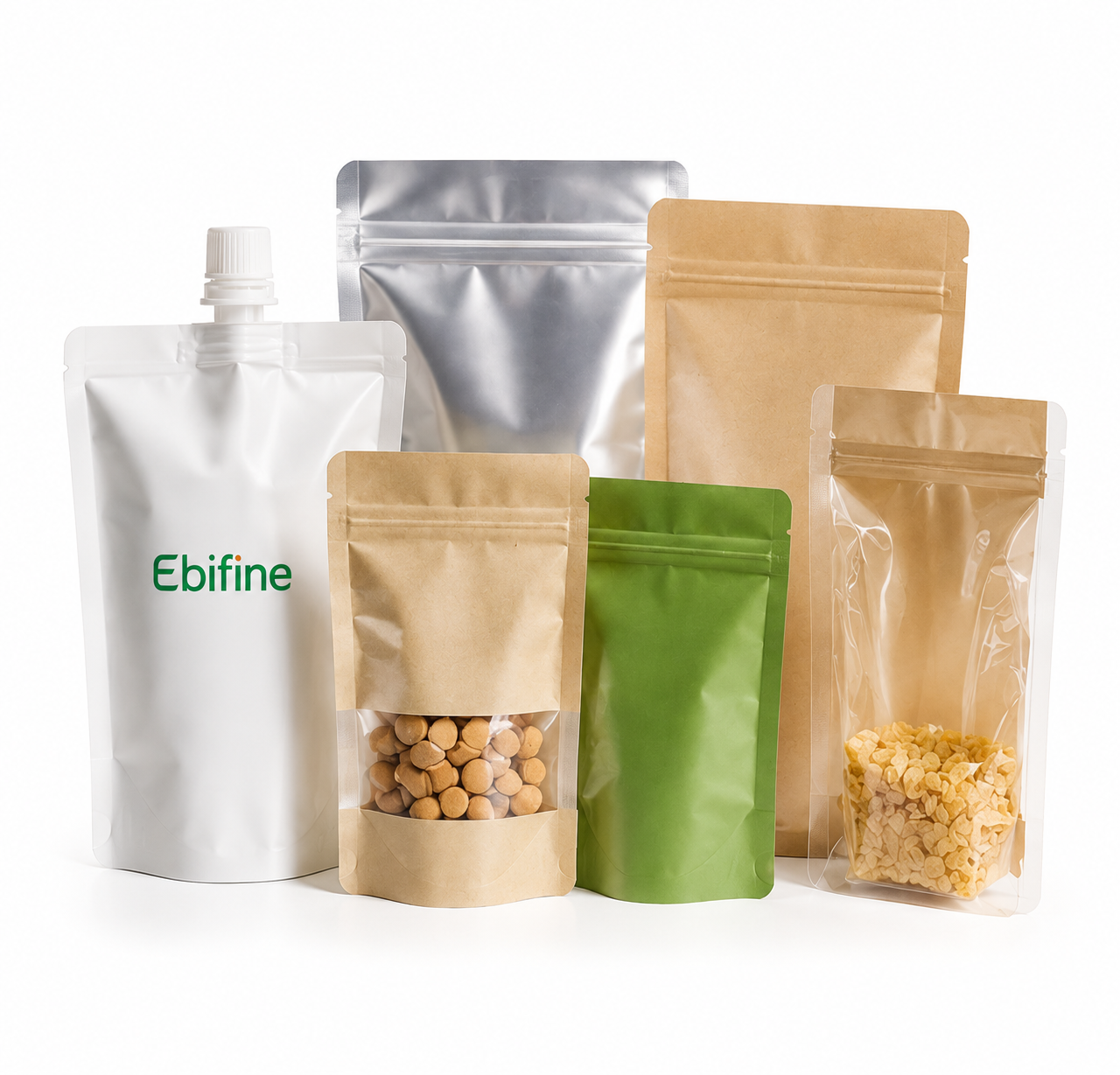
We also highlight Ebifine Import And Export Company Limited, a reliable manufacturer in the packaging industry since 2016, specializing in eco-friendly packaging solutions including paper bags, boxes, non-woven bags, canvas bags, and disposable tableware. Such alternatives play a significant role in reducing plastic use globally.
What is PLA?
PLA (Polylactic Acid) is a biodegradable polymer derived from renewable resources such as corn starch, cassava, or sugarcane. It is commonly used in:
- Biodegradable packaging
- Compostable cutlery
- Medical implants
- Tea bag sealing fibers
PLA has been widely adopted in the food and beverage industry because it is perceived as safer and more eco-friendly compared to petroleum-based plastics.
Microplastics and Their Risks
What are Microplastics?
Microplastics are plastic particles smaller than 5 mm that can originate from the breakdown of larger plastic materials or be manufactured as microbeads.
Health and Environmental Concerns
- Ingestion of microplastics through food and beverages
- Potential impacts on human health (digestive issues, toxins)
- Accumulation in marine and terrestrial ecosystems
- Bioaccumulation in the food chain
PLA Tea Bags vs. Traditional Plastic Tea Bags
Traditional tea bags often contain polypropylene, a plastic used to seal the bags. This contributes to microplastic pollution. PLA is introduced as a “greener” solution, but it comes with its own complexities.
Advantages of PLA Tea Bags
- Derived from renewable resources
- Compostable under industrial conditions
- Lower carbon footprint compared to petroleum-based plastics
Disadvantages
- PLA requires specific industrial composting facilities
- Degradation in natural environments is slow
- Still classified as a polymer, and may release microplastics under heat
Scientific Evidence on PLA and Microplastic Release
Studies have shown that when exposed to boiling water, PLA tea bags may release microparticles and nanoparticles. Research indicates that while the quantity may be lower than polypropylene tea bags, it is not negligible.
Further studies are ongoing to determine the long-term health impacts of ingesting PLA particles, but caution is advised until conclusive results are available.
Factors Influencing Microplastic Release
1. Temperature
High brewing temperatures accelerate the release of particles from PLA fibers.
2. Quality of Manufacturing
Poor-quality PLA tea bags may shed more particles compared to high-grade options.
3. Duration of Steeping
The longer the tea bag stays in hot water, the higher the chance of microplastic release.
4. Additives and Blends
Some PLA products are blended with other plastics for durability, increasing microplastic risk.
Alternatives to PLA Tea Bags
For consumers aiming to avoid microplastic exposure altogether, consider:
- Paper tea bags without plastic sealing
- Reusable stainless steel or silicone infusers
- Loose-leaf tea stored in eco-friendly packaging (like those from Ebifine Import And Export Company Limited)
- Compostable plant-fiber tea bags with no synthetic polymers
Summary Table
| Tea Bag Type | Material | Microplastic Risk | Eco-Friendliness |
|---|---|---|---|
| Traditional | Polypropylene | High | Low |
| PLA | Polylactic Acid | Moderate | Medium (requires industrial composting) |
| Paper | Wood Pulp | Low (if no plastic sealing) | High |
| Loose Leaf | No bag | None | Very High |
FAQs
1. Do PLA tea bags release microplastics?
Yes, studies suggest they can release micro- and nanoparticles, especially when exposed to boiling water.
2. Are PLA tea bags safer than plastic ones?
They may release fewer microplastics than polypropylene tea bags but are not entirely risk-free.
3. Are PLA tea bags compostable at home?
No, PLA generally requires industrial composting facilities to break down efficiently.
4. What is the safest alternative to avoid microplastics?
Loose-leaf tea brewed in stainless steel or glass infusers is the safest and most sustainable choice.
5. How does packaging relate to microplastics?
Eco-friendly packaging, such as paper bags and canvas bags from companies like Ebifine, reduces dependency on plastic packaging and supports sustainability.