


Plastic bag regulation continues to expand globally in 2026, but the exact number of countries with a “ban” depends on how bans, partial restrictions, thickness rules, levies, and local regulations are counted. Rather than relying on a single global total, businesses should check the rules that apply in each destination market.
This guide summarizes the main types of plastic bag restrictions in 2026, provides examples of current national and regional policies, and outlines practical packaging alternatives for businesses.
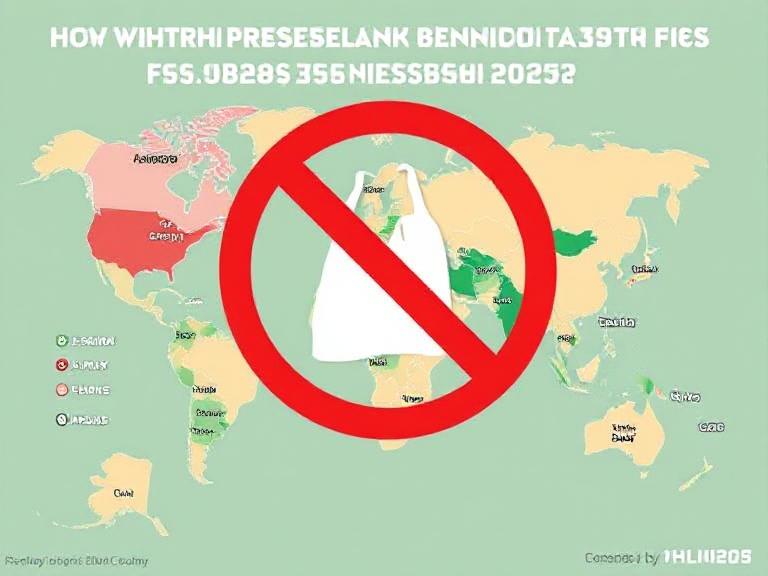
Introduction to Countries with Plastic Bag Bans
Plastic pollution remains a major environmental challenge. Governments around the world continue to regulate single-use plastic bags through full bans, partial bans, minimum-thickness requirements, charges, and other restrictions.
The regulatory landscape is not uniform. Some countries prohibit specific carrier bags, while others allow thicker reusable plastic bags or require retailers to charge customers for single-use bags.
For companies selling internationally, the most important step is to verify the exact requirements in each target market before choosing a packaging material.
Global Plastic Bag Regulation Situation in 2026
The United Nations Environment Programme has documented the global use of bans, levies, and other policy tools to reduce single-use plastic consumption.
In 2026, plastic bag regulation continues to evolve. Examples include:
- New Zealand: Single-use plastic shopping bags with handles up to 70 microns remain banned, and the country has also phased out certain single-use plastic produce bags.
- Kenya: The national ban on plastic carrier bags remains in force.
- England: Retailers must charge a minimum of 10 pence for qualifying single-use plastic carrier bags.
- European Union: The EU's Packaging and Packaging Waste Regulation (PPWR) began applying from 12 August 2026, introducing broader packaging waste, recyclability, and circular-economy requirements across the EU.
Because laws differ by country and can change over time, businesses should confirm current national and local rules rather than relying only on global “country count” statistics.
Why Countries Restrict Plastic Bags
Governments introduce plastic bag restrictions for several reasons:
- Environmental Protection: Lightweight plastic bags can become litter and persist in the environment.
- Wildlife Safety: Plastic waste can harm marine and terrestrial animals.
- Waste Reduction: Reducing disposable bag use can lower pressure on waste-management systems.
- Resource Efficiency: Reuse and recycling policies aim to reduce consumption of virgin materials.
- Behavior Change: Charges and bans encourage consumers to bring reusable bags.
Examples of Countries and Regions with Plastic Bag Restrictions
Countries with Strong National Restrictions
- Rwanda: Known for long-standing restrictions on plastic carrier bags.
- Kenya: Prohibits the manufacture, importation, and use of certain plastic carrier bags.
- Bangladesh: An early adopter of restrictions on lightweight plastic shopping bags.
- New Zealand: Bans single-use plastic shopping bags with handles up to 70 microns and certain single-use produce bags.
- India: Restricts a range of identified single-use plastic items, with additional plastic-waste rules applying nationally and locally.
Countries or Regions Using Charges, Partial Bans, or Local Rules
- United Kingdom: Rules vary across the UK. In England, retailers must charge at least 10 pence for qualifying single-use carrier bags.
- United States: Plastic bag rules vary by state and municipality rather than through one nationwide ban.
- Australia: Regulations differ by state and territory, with lightweight single-use plastic shopping bags phased out in many jurisdictions.
- China: National and local policies restrict certain disposable plastic products and encourage reductions in single-use plastic consumption.
- European Union: EU packaging rules are increasingly focused on waste prevention, recyclability, reuse, and recycled content rather than relying on one single “plastic bag ban” model.
Types of Plastic Bag Restrictions
Plastic bag policies generally fall into several categories:
- Total or Near-Total Ban: Prohibits specified plastic carrier bags.
- Thickness Restriction: Allows thicker reusable bags while prohibiting lightweight bags.
- Tax or Levy: Requires retailers or consumers to pay for qualifying bags.
- Material Restriction: Limits certain polymers or requires specific environmental performance.
- Retailer Responsibility: Requires reporting, reduction targets, or reuse/recycling measures.
- Local Regulation: Cities, states, provinces, or territories may impose rules beyond national requirements.
Eco-Friendly Alternatives to Plastic Bags
Businesses are increasingly adopting alternative packaging formats, depending on product type, reuse expectations, cost, and local regulation.
Common options include:
- Reusable canvas bags
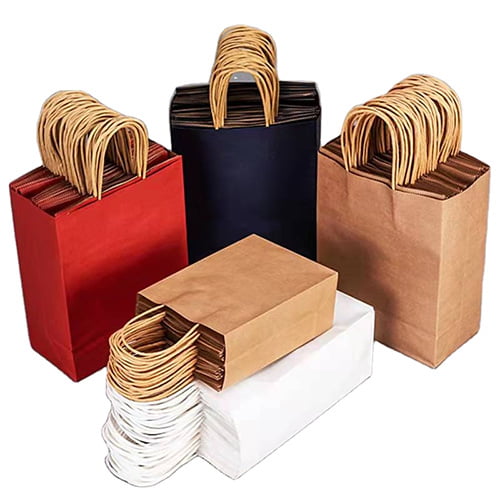
- Paper bags
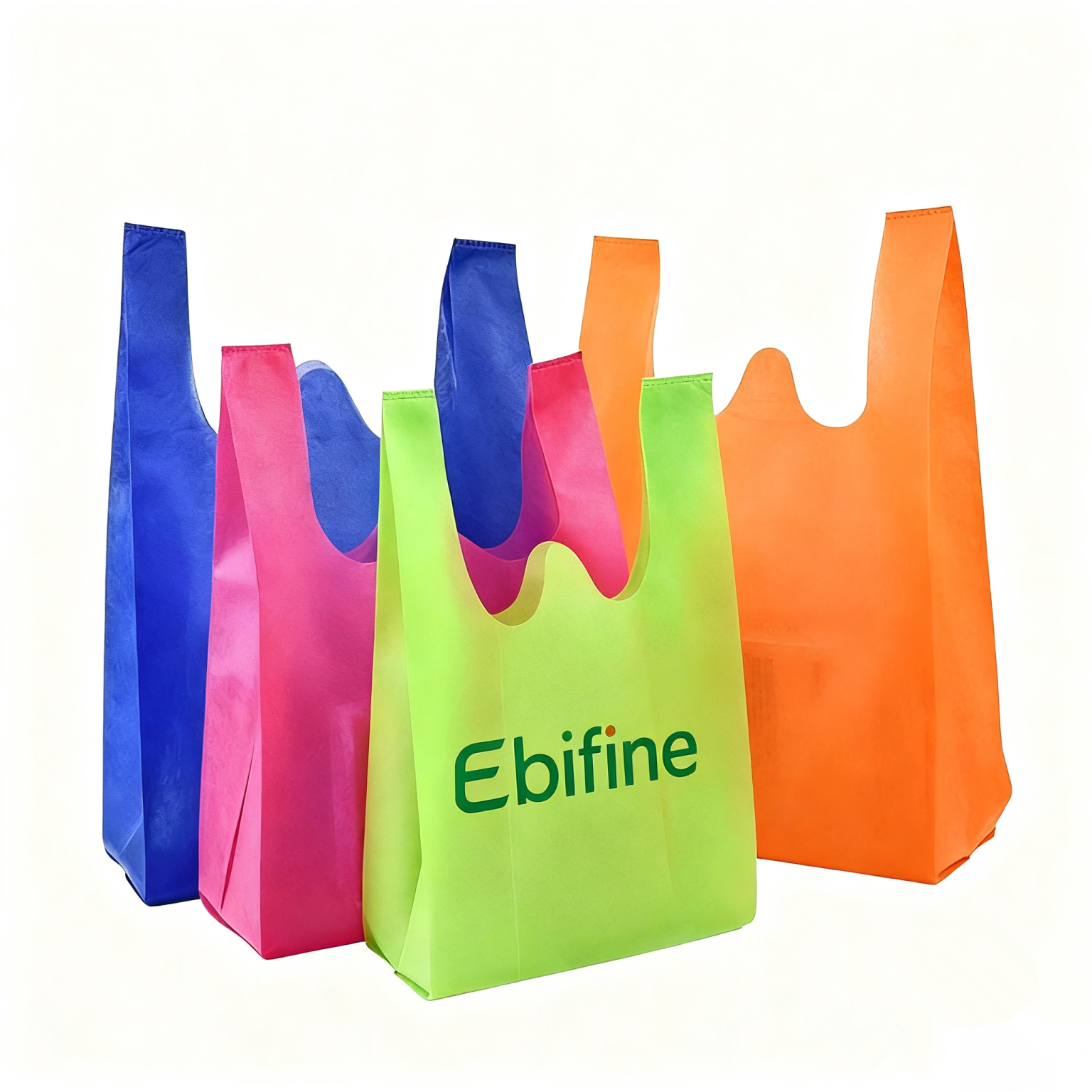
- Non-woven fabric bags
- Reusable woven bags
- Compostable bags where appropriate certification and composting infrastructure exist
- Drawstring cotton pouches
Tip: Reusable packaging can also support branding when it is designed for repeated use, but businesses should evaluate the full environmental impact rather than assuming that every alternative is automatically more sustainable.
Packaging Alternatives for Businesses
For brands affected by plastic bag restrictions, the best replacement depends on the product, destination market, required load capacity, expected number of reuses, printing requirements, and local disposal infrastructure.
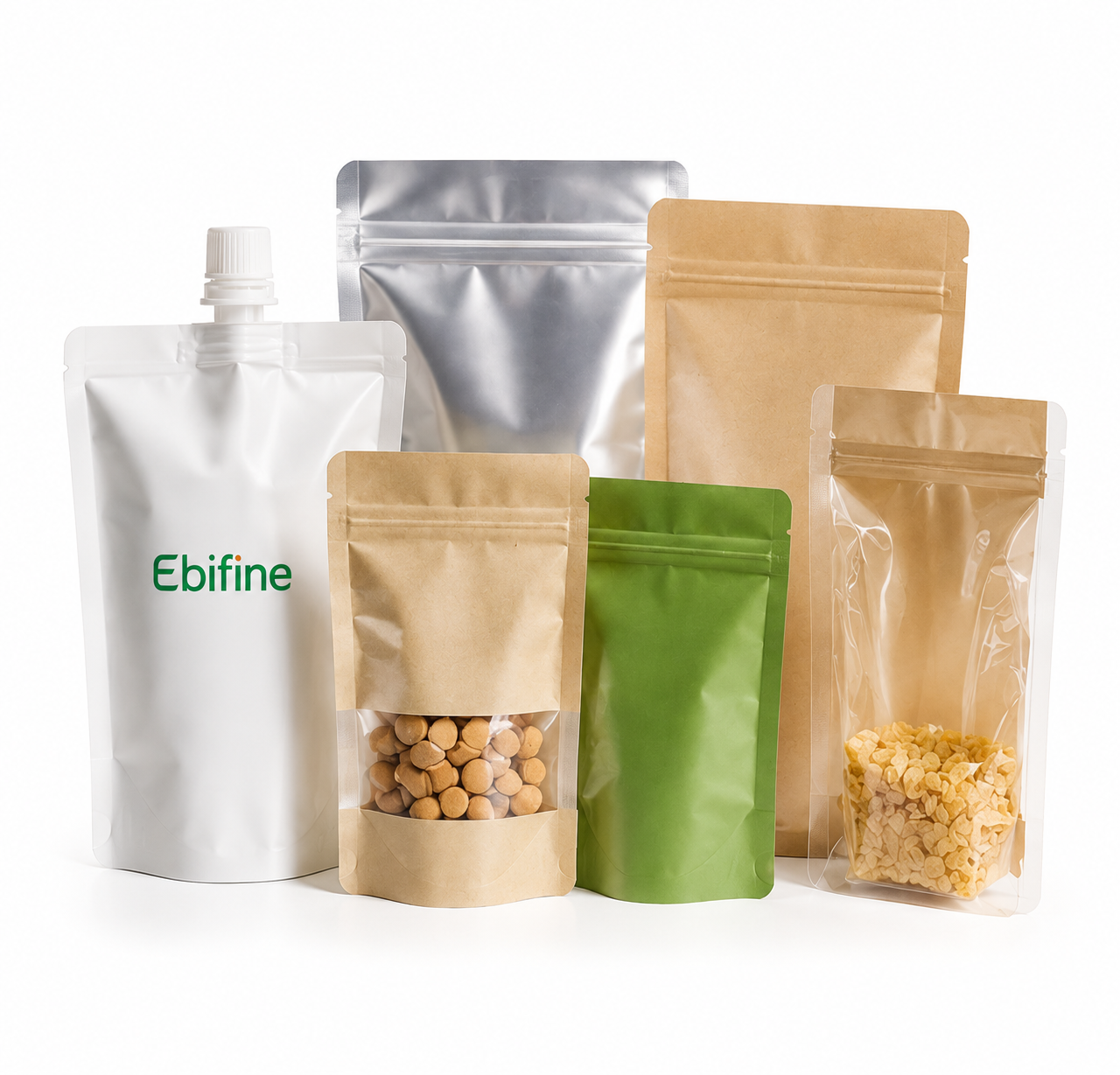
Ebifine supports brands, importers, and wholesalers with customizable packaging options including paper bags, non-woven bags, canvas bags, drawstring pouches, and other reusable or lower-plastic packaging formats.
Instead of choosing one material for every market, businesses can compare several options and select the format that best fits local regulations and product requirements.
Impact on Businesses and Consumers
For Businesses
- Packaging specifications may need to change between markets.
- Some alternatives can increase initial unit costs.
- Reusable or paper-based packaging can support sustainability positioning.
- Failure to comply with local rules can result in fines or product-distribution problems.
- Packaging teams increasingly need to monitor regulatory changes across multiple countries.
For Consumers
- Bag charges encourage reuse.
- Consumers may need to bring their own bags.
- Greater regulation can increase awareness of packaging waste.
- Reusable-bag habits may reduce dependence on disposable bags over time.
Future Trends for Plastic Bag Regulations
Plastic bag policy is becoming part of a broader packaging-regulation trend rather than remaining a stand-alone issue.
Key directions include:
- Wider regulation of other single-use plastic products.
- More emphasis on packaging recyclability and recycled content.
- Growth of extended producer responsibility (EPR) requirements.
- More reuse and waste-prevention targets.
- Increased scrutiny of environmental claims such as “biodegradable” or “compostable.”
- Greater need for businesses to document packaging materials and compliance.
The European Commission's Packaging and Packaging Waste Regulation is a clear example of this broader shift, with rules beginning to apply across the EU from August 2026.
Summary Table
| Aspect | 2026 Key Takeaway |
|---|---|
| Global Situation | Many countries regulate plastic bags through bans, levies, thickness rules, or local restrictions |
| Exact Country Count | Varies depending on how full bans, partial bans, levies, and local rules are counted |
| Main Motivation | Waste reduction, litter prevention, wildlife protection, and resource efficiency |
| Common Alternatives | Paper, canvas, non-woven, woven reusable, and certified compostable options |
| Business Requirement | Check destination-market regulations before selecting packaging |
| EU Update | PPWR began applying from 12 August 2026 |
| UK Example | England requires at least a 10p charge for qualifying single-use carrier bags |
| Future Outlook | Broader rules covering recyclability, reuse, recycled content, and other single-use plastics |
FAQs
How many countries have completely banned plastic bags?
There is no single universally accepted 2026 figure because sources classify full bans, partial bans, levies, thickness restrictions, and local rules differently. For business planning, it is more reliable to check the regulation in each target market.
Are paper bags always better for the environment?
Not necessarily. Paper bags are recyclable and biodegradable under suitable conditions, but their overall environmental impact depends on raw materials, manufacturing, transport, reuse, and disposal. Reusable packaging may perform better when it is actually reused many times.
Can businesses still use plastic bags?
In many markets, yes, but the permitted material, thickness, use case, labeling, fees, or recycling requirements may be regulated.
What is the rule in England in 2026?
Retailers in England must charge a minimum of 10 pence for qualifying single-use plastic carrier bags. See the current UK Government retailer guidance.
Are single-use plastic shopping bags still banned in New Zealand?
Yes. New Zealand's ban on single-use plastic shopping bags remains in force, and additional restrictions apply to certain single-use plastic produce bags. See the New Zealand Ministry for the Environment.
What alternatives can businesses source?
Common options include paper bags, reusable non-woven bags, canvas bags, woven reusable bags, and other packaging formats selected according to product and destination-market requirements.